Outdoor advertising options, and what each one is for
The last part of our guerrilla blog series walks through the outdoor advertising options a brand has today, and the job each one does best.
Putting up posters in unexpected city spots and open walls is one of the earliest forms of guerrilla marketing. Fly posting history goes back more than 150 years, and the street still works the same way.
It started in the late 19th and early 20th century, when artists and political movements used walls and utility boxes to spread their message cheaply and directly. Cities soon tried to control the paper flood and dedicated whole departments to photograph its walls around town.
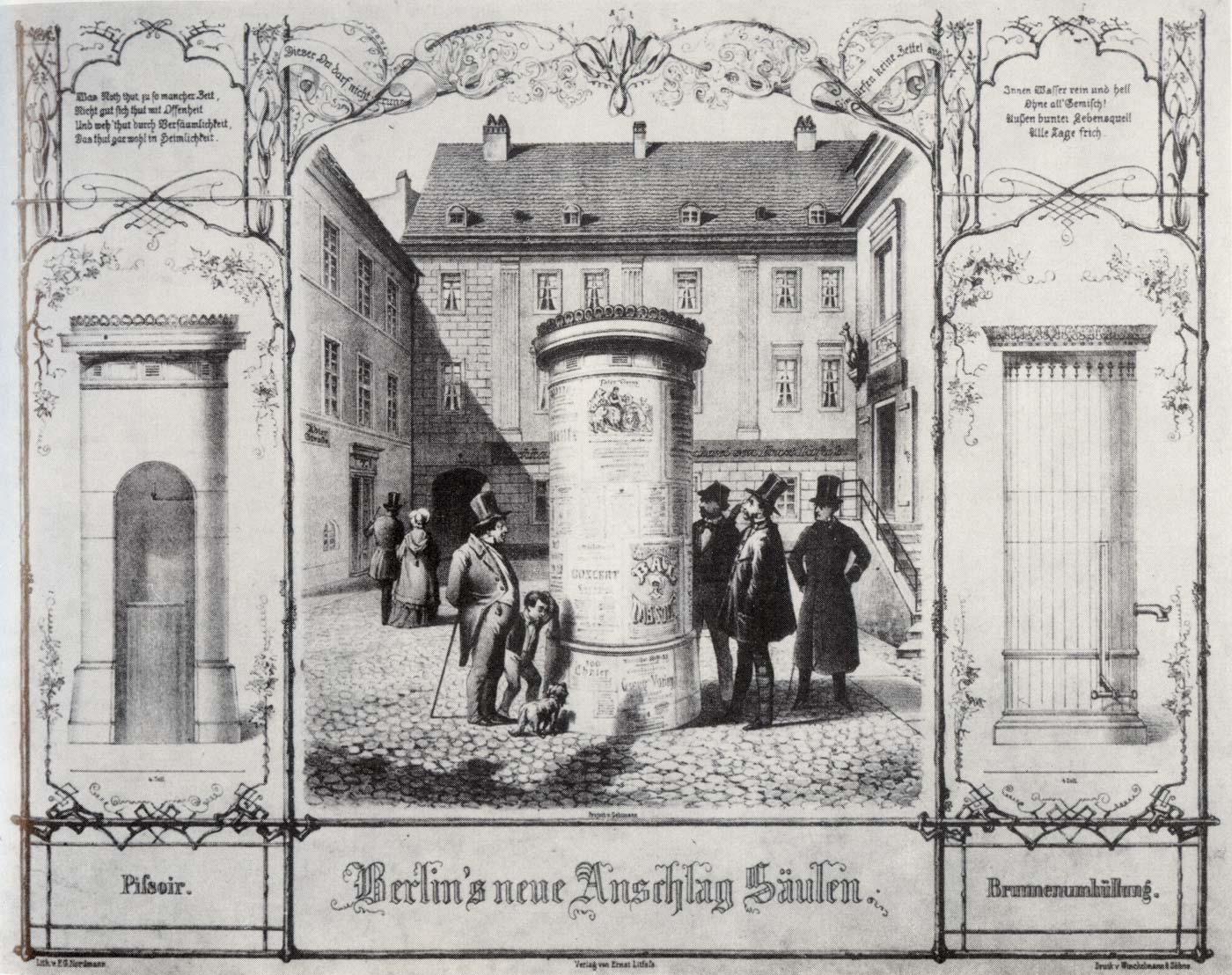
In Berlin, printer Ernst Litfaß got an exclusive permit for advertising columns in 1854, and the first hundred went up in 1855, as we told in The poster war. Amsterdam ran the same cycle, which we traced in Where guerrilla marketing came from.
In the ’70s and ’80s the music scene adopted it: punk bands, hip-hop collectives and club promoters turned the street into their billboard. Nowadays you still see a lot of cultural posters and unique label designs, but popular fashion brands use it too.
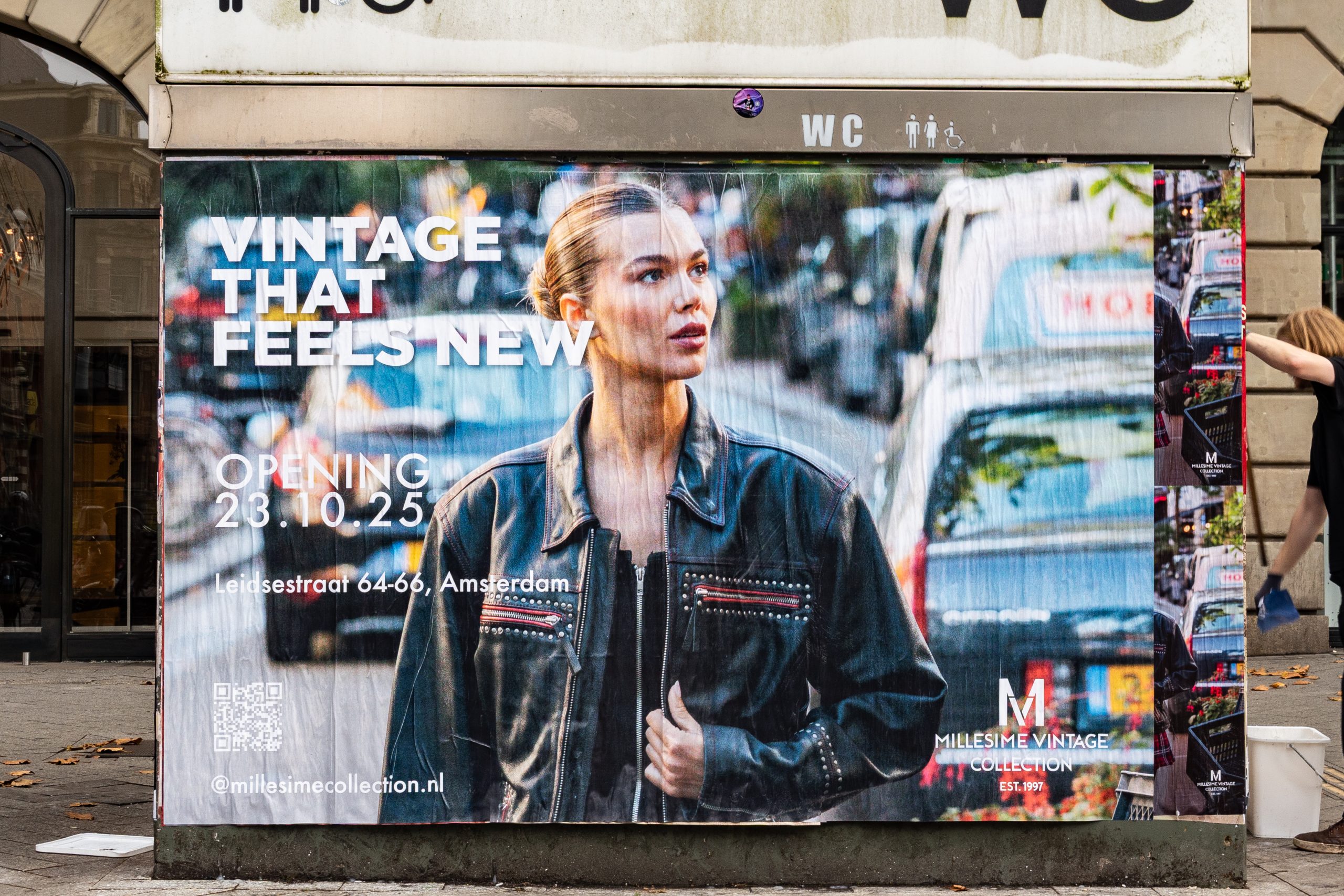
The guerrilla effect: it surprises passersby in places where they don’t expect advertising. It feels less commercial and more connected to subculture and street life.
Mass impact: a wall covered with the same poster creates urgency and visibility. It is cheaper than traditional OOH while still reaching wide audiences.
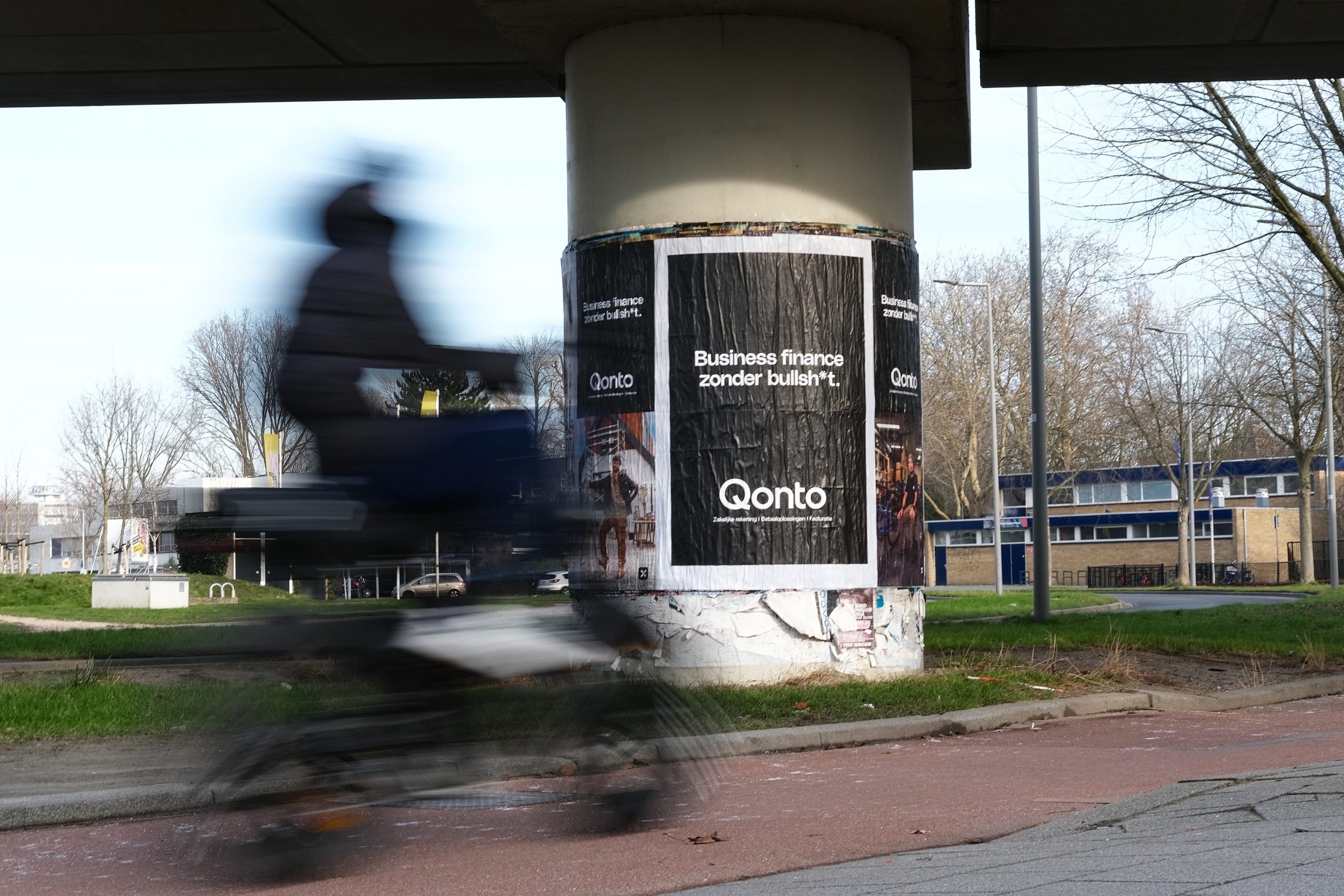
Today, some professional wild posting runs on permitted sites that crews own, rent or manage. In that case, the look stays raw, but the posters stay up for the booked period and you get proof of posting. Curious who says yes to a wall? Read Who says yes? Five routes onto the street.
Wild posting is effective because it taps into curiosity and the energy of the streets. It remains a favorite tool for brands that want to stand out without being standard. See how it works with us on our wild posting page.
Repeated posters on walls, hoardings and poster boards in busy city streets. It is also called fly posting, bill posting or affichage.
Fly posting history goes back to the 19th century. Berlin licensed its first advertising columns in 1854 to bring the flood of posters under control, and cities have been fighting over their walls ever since.
It depends on the site and the city. In Paris, for example, illegal posting can be fined at €1,500 per poster since 2024, and the bill can land on the brand (The poster war). Professional wild posting uses permitted sites, so campaigns run without fines.
Music labels, fashion, beauty and sports brands, for launches and for presence in key cities.
Wish to find out more about wild posting? Reach out to us at info@papertrailseurope.com.
The last part of our guerrilla blog series walks through the outdoor advertising options a brand has today, and the job each one does best.

Two ways to buy the same digital screen. We compare direct and programmatic buying, what they cost, and when to pick which.
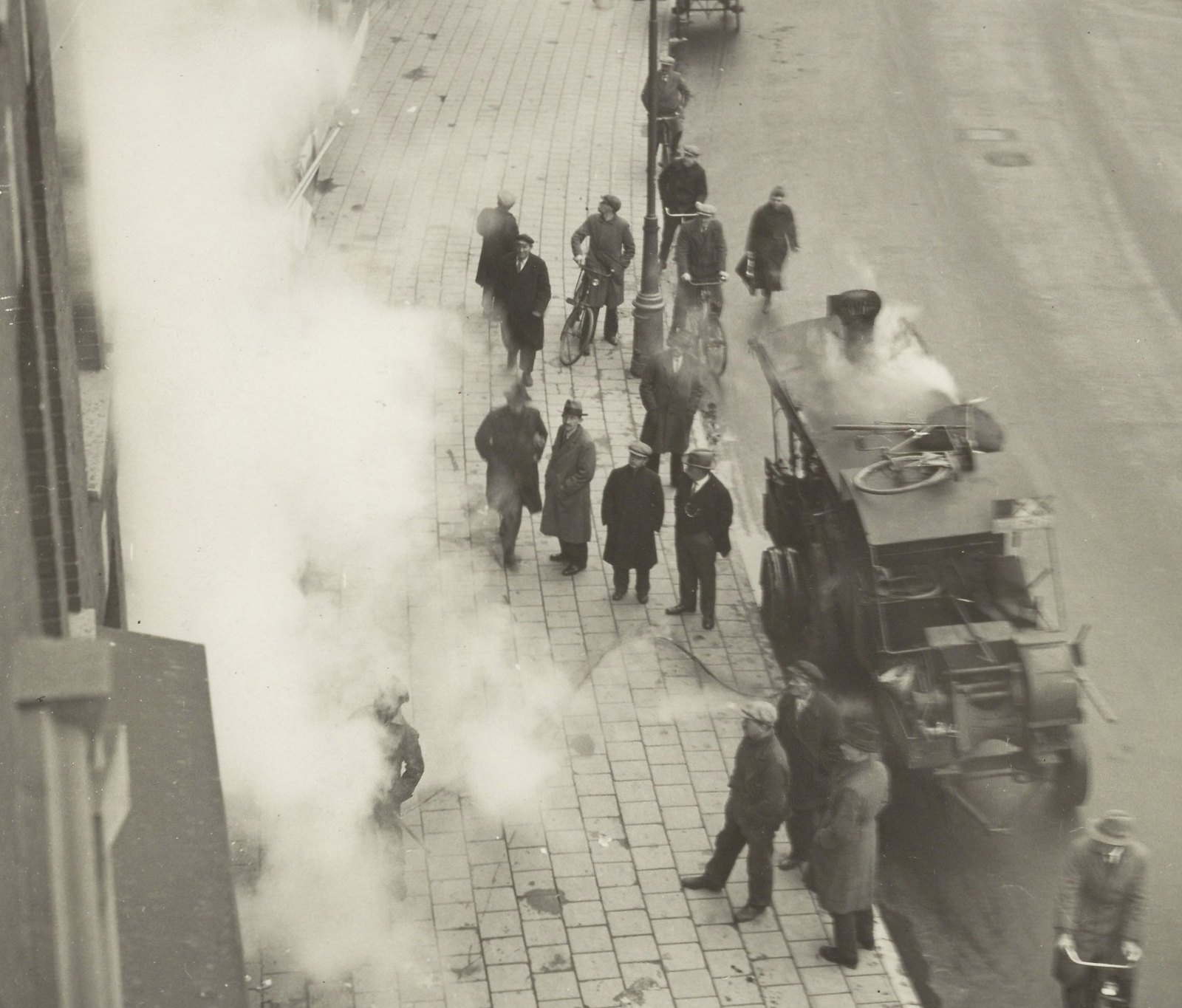
Every campaign we put up gets photographed. For different reasons. Discover what those pictures are for.
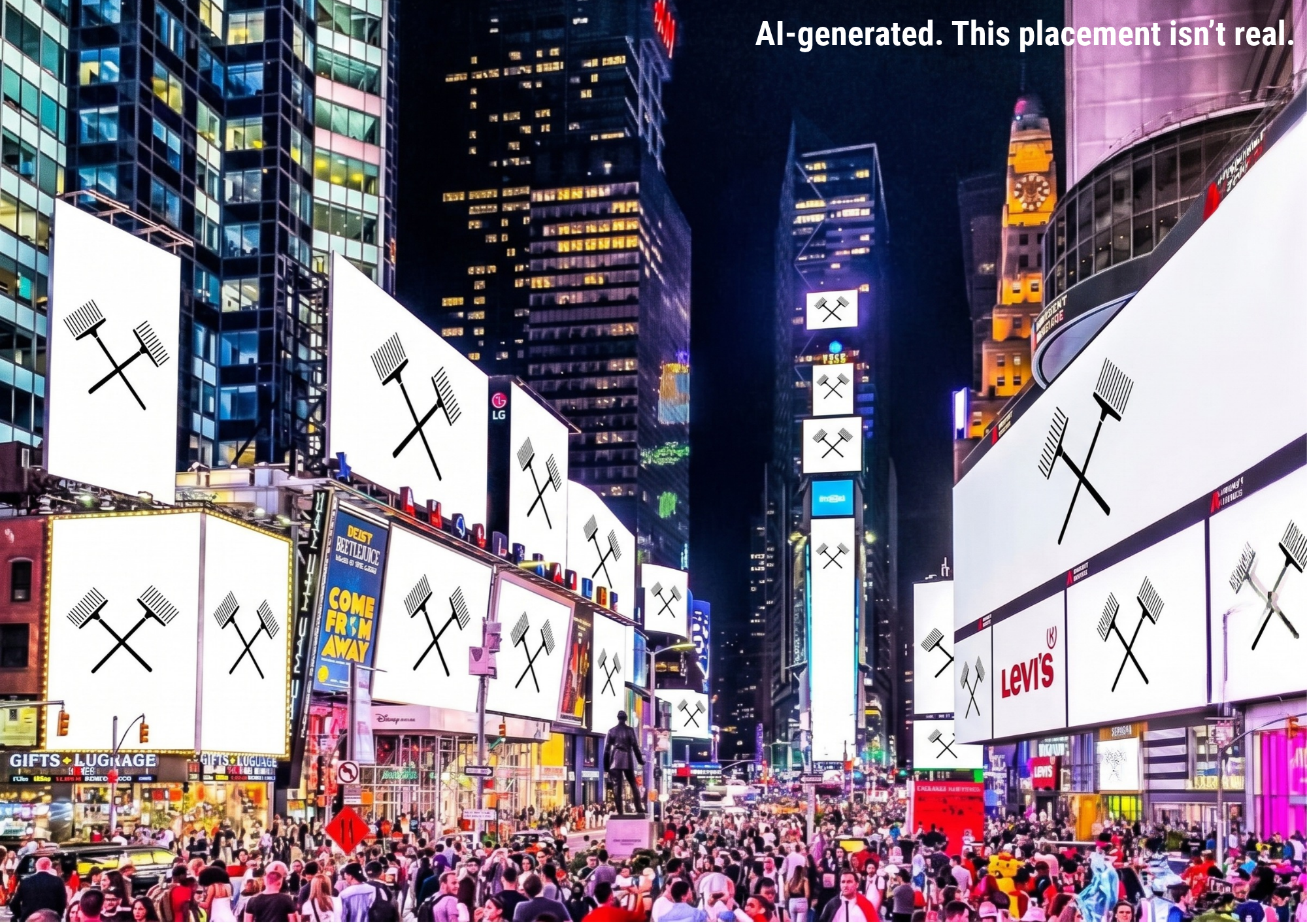
CGI ads that never existed, built on people not being sure. Now the law says you have to tell them. Real for proof, fake for reach.
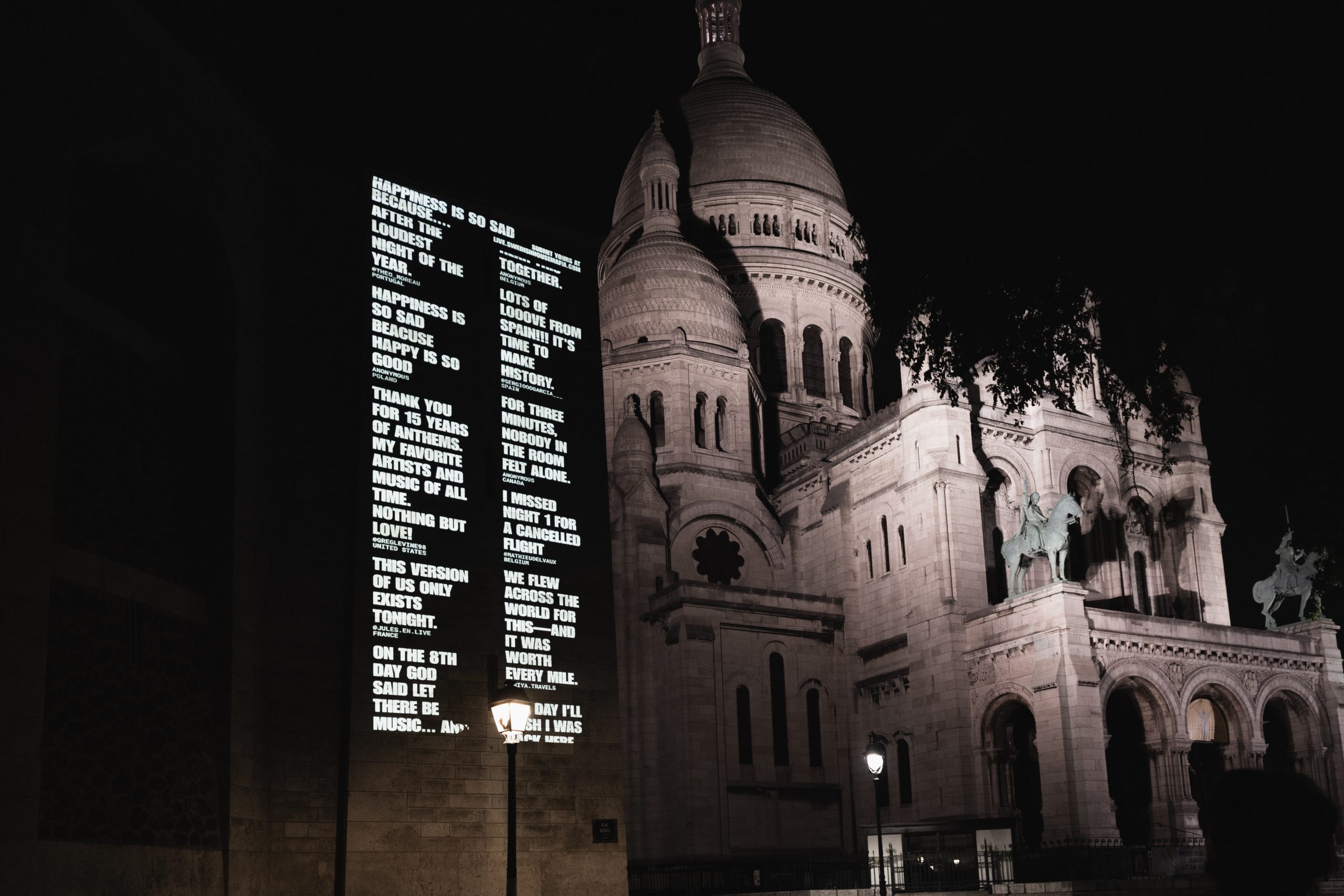
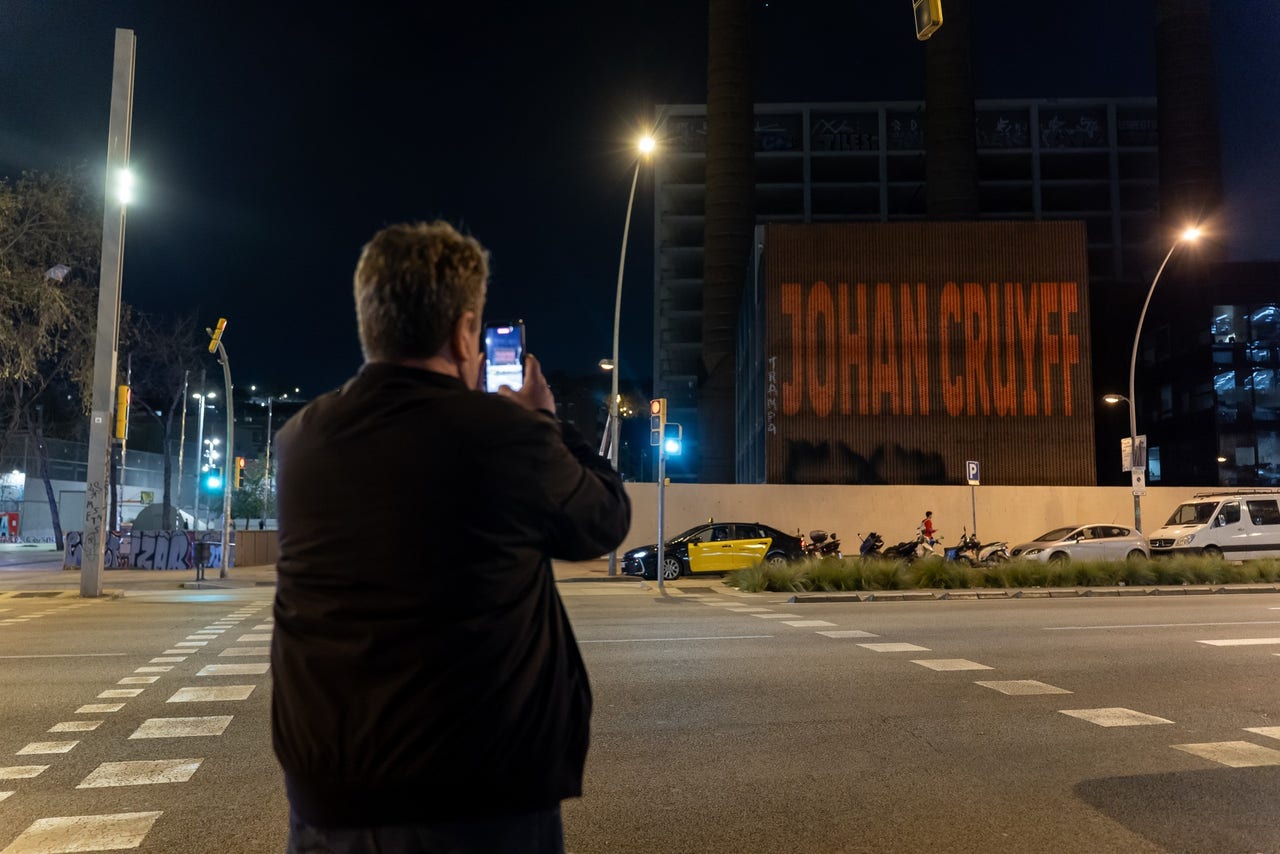
A logo on a building is just the warm-up. What a projection can do with place, sound and live interaction, and a silent disco idea for music clients.
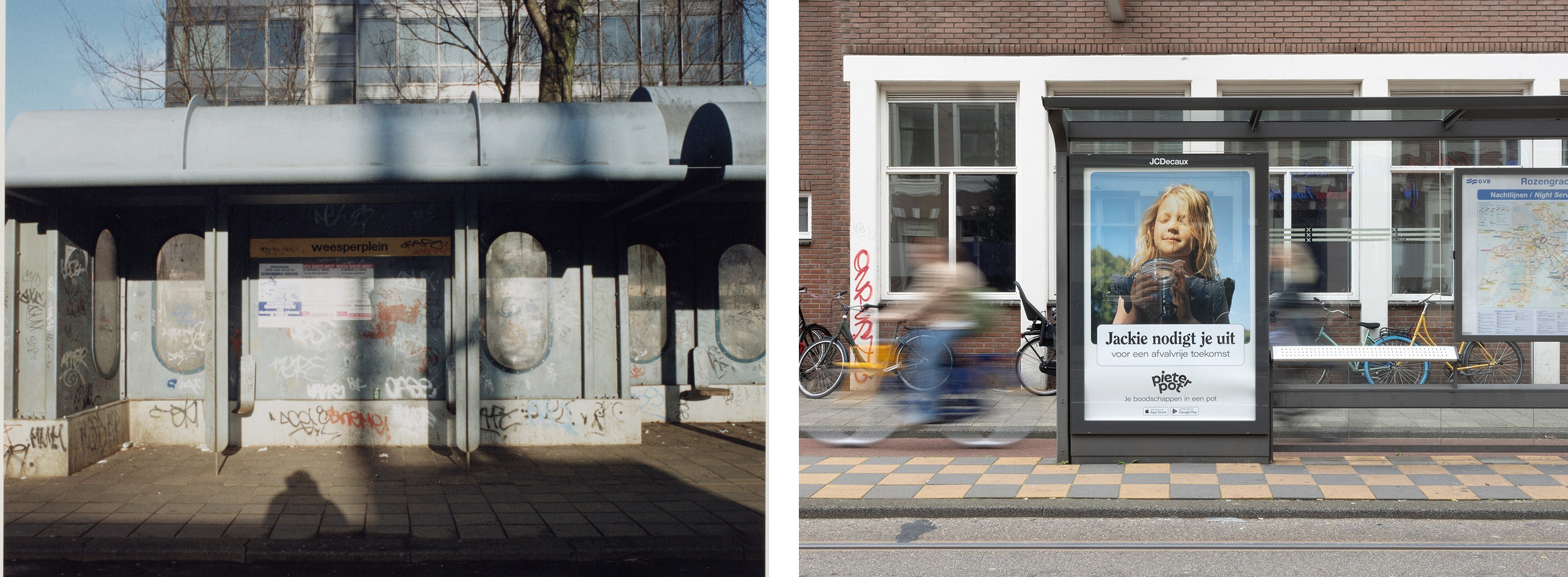
A bus shelter arrives in a city and the city pays nothing for it. Who owns the furniture, what each route costs, and why almost no city will tell you what it earns.
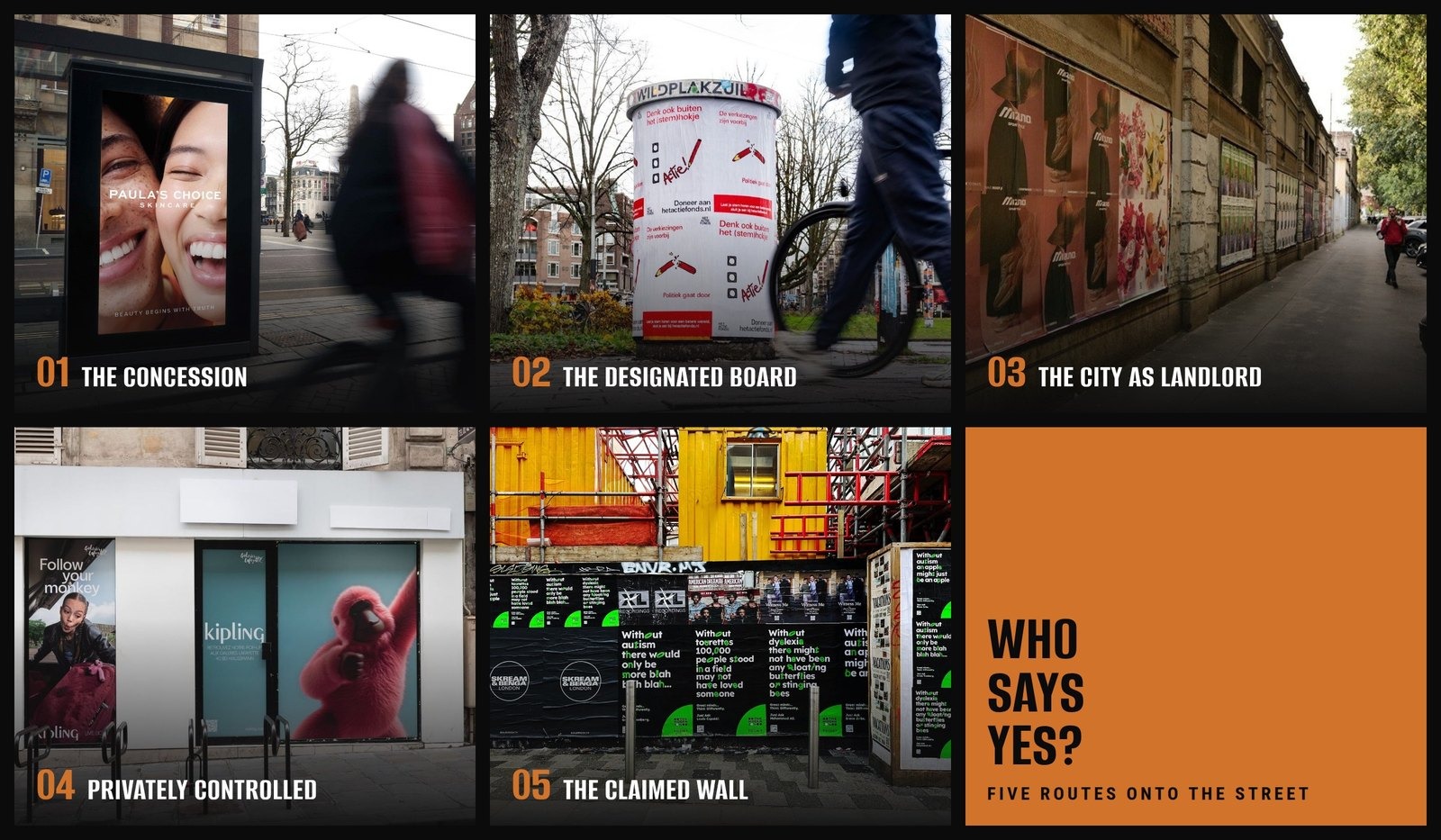
Five ways onto a street, and only four involve somebody saying yes. Who owns the surface, who to ask, and who pays when nobody did.
Two Amsterdam poster crews went to war over walls neither of them owned. And then, one of them got a licence from the authorities.