The poster war: how Amsterdam’s wild posters carved up a city they did not own
Two Amsterdam poster crews went to war over walls neither of them owned. And then, one of them got a licence from the authorities.
Today, somewhere in Amsterdam, there is someone riding around with a bucket of glue and a crate of posters. The glue goes over the rim at every bump in the road and ends up in the rider’s shoes. That person already knows where the next wall is and how many sheets it takes.
And the job is older than the word for it.
Most explainers about guerrilla marketing open in 1984, in a marketing book written in California. We start on the street, because the street came first. Guerrilla marketing is what happened when an attention-first marketing idea met a street-poster trade that had been running for a century already. That trade is the one we grew out of.
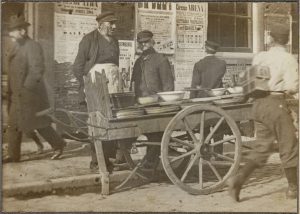 A pickle seller on an Amsterdam street in 1899. Behind him, a wall of layered bills, one of them announcing Circus Arena.
Jay Conrad Levinson published Guerrilla Marketing in 1984 and named something small businesses had always had to do: buy attention they could not afford. Energy, imagination and time in place of media spend, and going where the audience already is instead of paying to interrupt them somewhere else.
The name stuck, partly because the idea is clean and partly because it flatters the underdog. Forty years on, it covers a sticker on a lamppost, a projection on a centrally located building and a wall of posters that arrives overnight and is gone in ten days.
What the name does not explain is where the craft came from. Levinson described a mindset. He did not invent the poster, the paste, or the person on the bike.
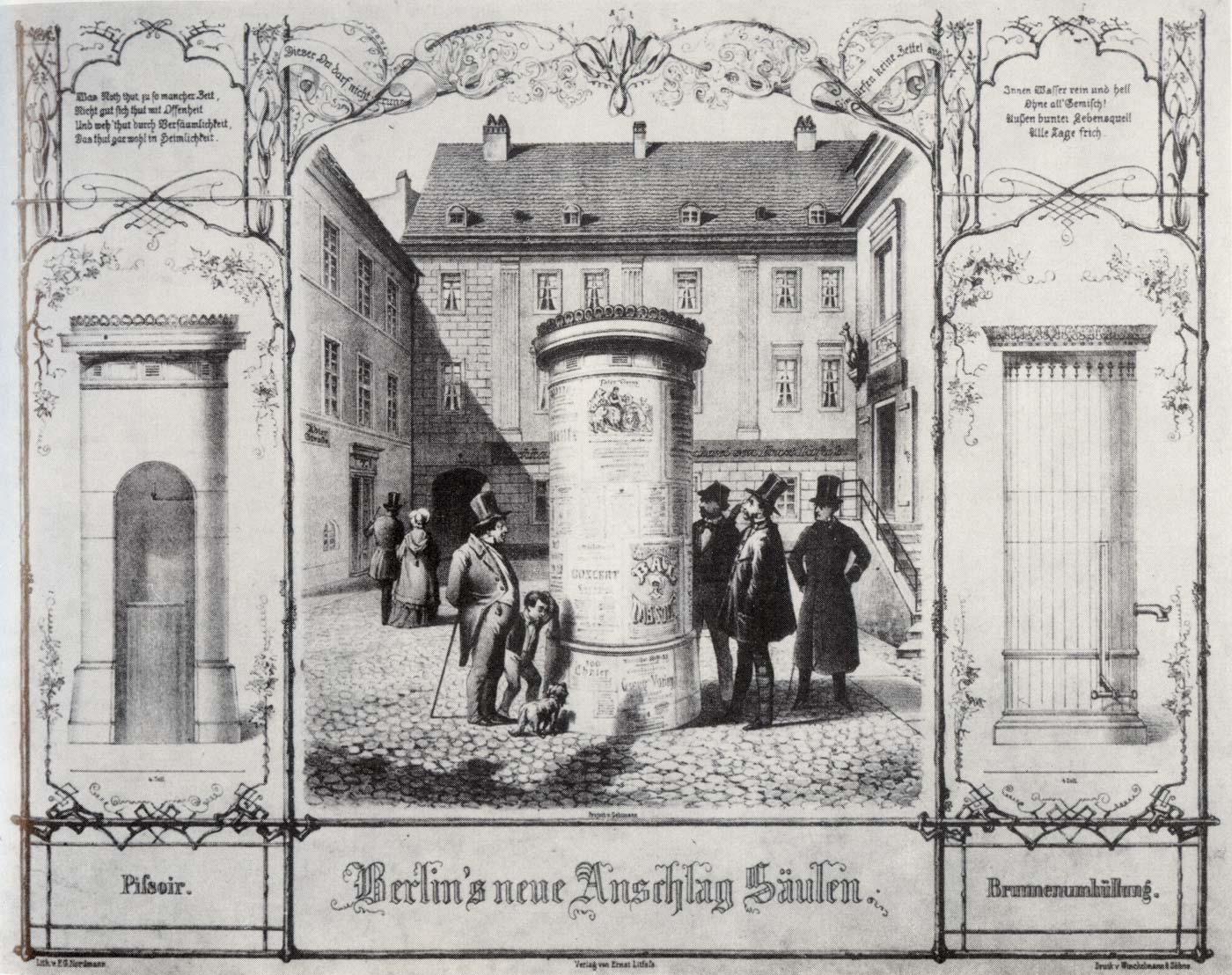
In 1875 a man named G. van Langenhoven wrote to Amsterdam’s mayor and aldermen. He wanted the city’s poster concession, and he made his case by complaining. Anything offering the smallest surface, he wrote, was being used: walls of private and municipal property, fences, the screens around urinals, shelters, bridge posts, even trees. Soaked by long rain, the posters hung down like rags and hides.
Two things about that letter. It is 150 years old. And it is a complaint about advertising. The word he used was aankondigingen, announcements. Amsterdam’s blind walls already carried the words VERBODEN AAN TE PLAKKEN when he wrote it.
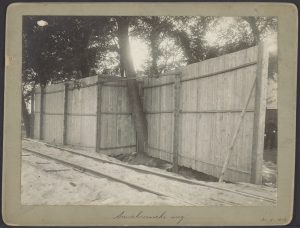 A wooden hoarding on the Amstelveenseweg, 21 September 1915, with a sign offering the wall for rent. Photographed by the city’s own building inspectors.
Behind that paper sat a real industry, with concessions, tariffs, territory and long fights over all three. Serge Markx, who pasted in Amsterdam through the 1980s and later worked for one of the city’s wildplak companies, put it best in 1996: the person out for a short walk does not see “that there is a peculiar industry hiding behind the posters on the street.”
That industry is a story in itself, and it is the next piece in this series. Part 2 follows it from the 1875 letter through to the year the city announced the end of wild posting and then handed the biggest wild poster company a permit instead.
The advertising agency De la Mar opened in 1880 and moved into OOH through a subsidiary called Remaco, the forerunner of Publex. By 1924 Remaco held one of only two poster concessions in Amsterdam, working for Philips, Bols and Miss Blanche cigarettes. At the 1928 Amsterdam Olympics it ran the advertising inside the stadium, and introduced Coca-Cola to the Netherlands while it was there.
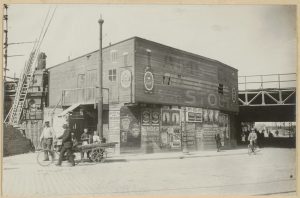 A hoarding of advertisements beside the railway viaduct at Stationsplein, 1924.
An offer book that survives from 1934 shows Remaco pitching Unilever three versions of a year-long national campaign, differing in how many posters, what kind of location and what size of sheet. The most expensive came to around 120,000 guilders, a serious sum at the time. Inspectors drove the country replacing damaged posters as the campaign ran. There was no television yet, as Markx points out, so posters were probably the strongest way to reach a lot of people, and a poster campaign hit harder then than it does now.
So: a brand buying the street, nationally, with a maintenance crew, in 1934. Brand use of the poster is a century old. What changed is that the authorised route got expensive, slow and permanent, and everything fast, cheap and temporary ended up outside it.
Posting in Amsterdam goes back centuries. Restricting it to designated spots is what created wild posting. Before that, it was just posting. Which is also why “authorised wild posting”, a phrase you will see used in the US, is a contradiction in terms.
That divide is where the craft still earns its keep. You don’t book a wall like a slot in a media plan. Someone has to know which surfaces hold and which shed, how many sheets a shopfront takes, what a cold night does to paste, and which end of the street the eye lands on first. This is the expertise you hire.
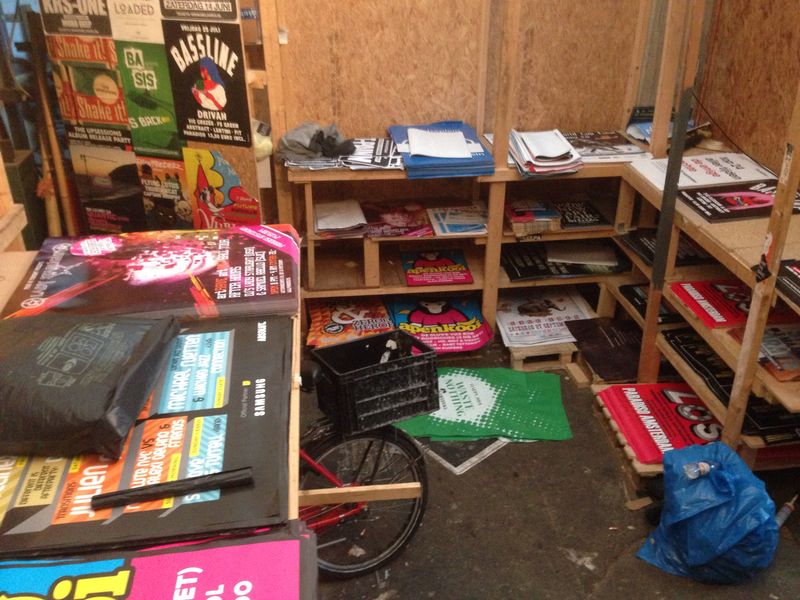
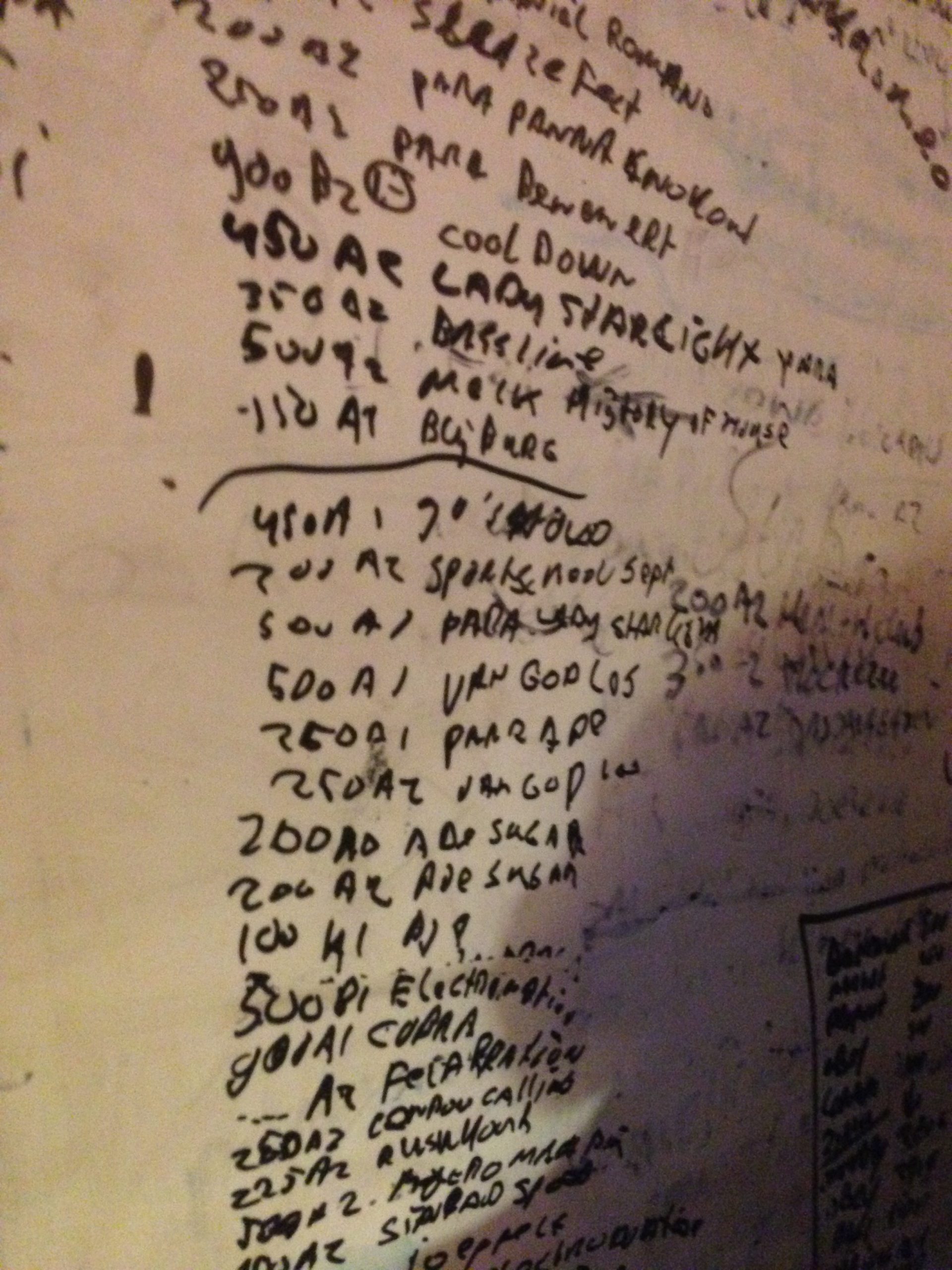
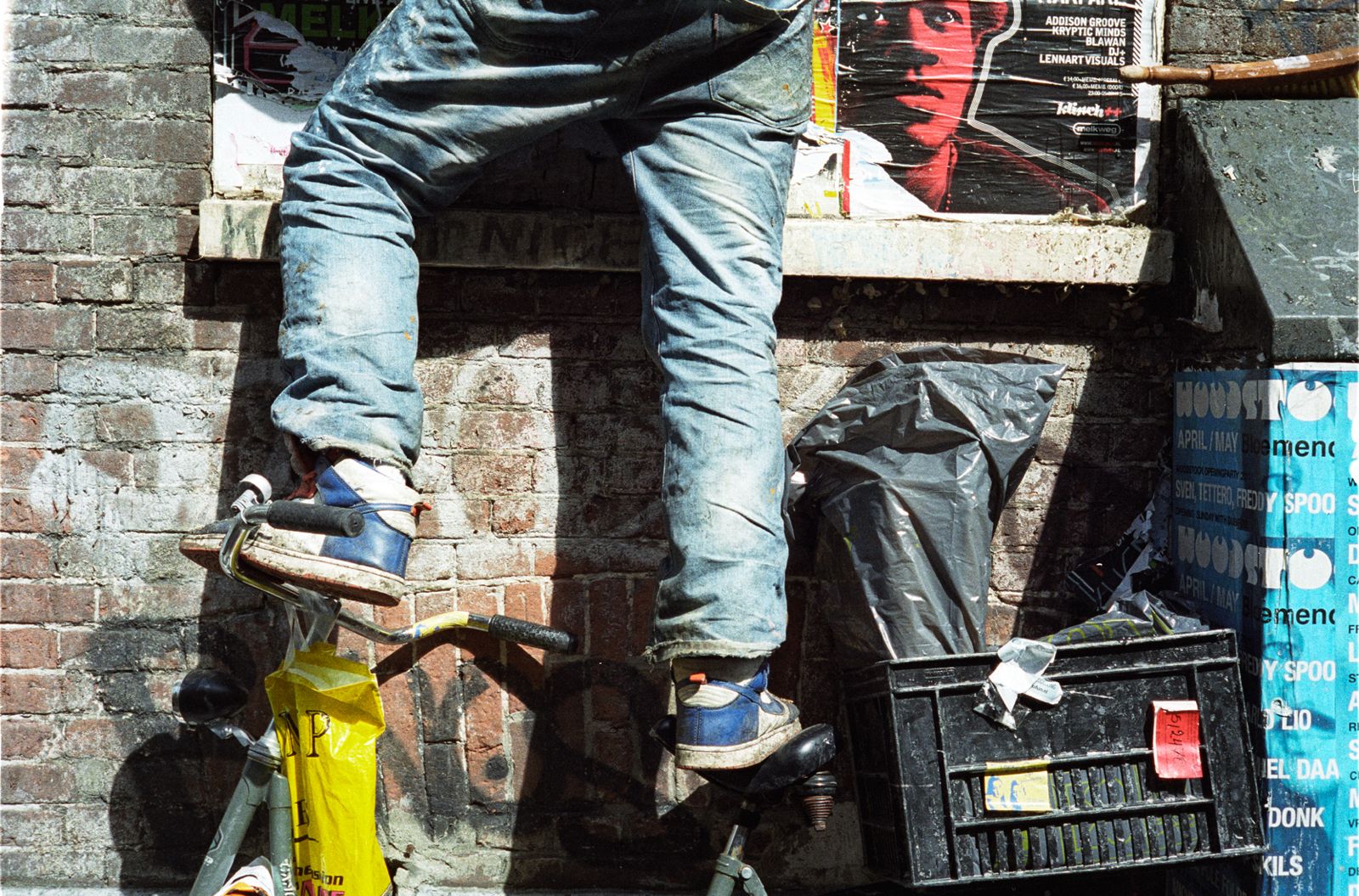
Stadsbehang started in 2013, on a round of Amsterdam cultural work: nightclubs, venues, festivals. Posters for things happening that week, in a city where the good spots were already taken.
Hard place to start. Good place to learn. The work grew from that round into national out of home. Commercial clients came in around 2016 and 2017, and not because we went looking for them. Paris had turned into the capital of commercial wild posting, an idea that had travelled there from New York and London, and fashion brands in Amsterdam wanted the same thing at home.
Then they wanted it abroad. Berlin first. Paper Trails grew out of Stadsbehang to do that work internationally, with an English name because Stadsbehang means nothing to anyone outside the Netherlands, and with local crews in every city rather than outsiders turning up to fight over walls they do not know. In 2023 the two became independent companies.
People who pasted these streets in the nineties still work here. That is another thing you will not find in a media plan.
This is the foundation. What guerrilla marketing is, where the craft came from, and where we came from. Five parts follow: the Amsterdam trade in full, the grey zone between authorised and not, guerrilla against traditional out of home, how the rulebook changes from city to city, and what each format is actually for. We’ll keep you posted 😉
Serge Markx, Verboden aan te plakken. Over legale en illegale affichage. Amsterdam, Kans katernen, 1996. ISBN 9789075795028, out of print. The 1875 letter to the mayor and aldermen, p. 49. The “peculiar industry” line, from the foreword, p. 7. De la Mar, Remaco and the 1934 Unilever offer book, pp. 58 to 59.
Jay Conrad Levinson, Guerrilla Marketing. Houghton Mifflin, 1984.
Photographs from the Collectie Stadsarchief Amsterdam, which asks for a source credit on reuse:
With thanks to the Stadsarchief Amsterdam.
Two Amsterdam poster crews went to war over walls neither of them owned. And then, one of them got a licence from the authorities.
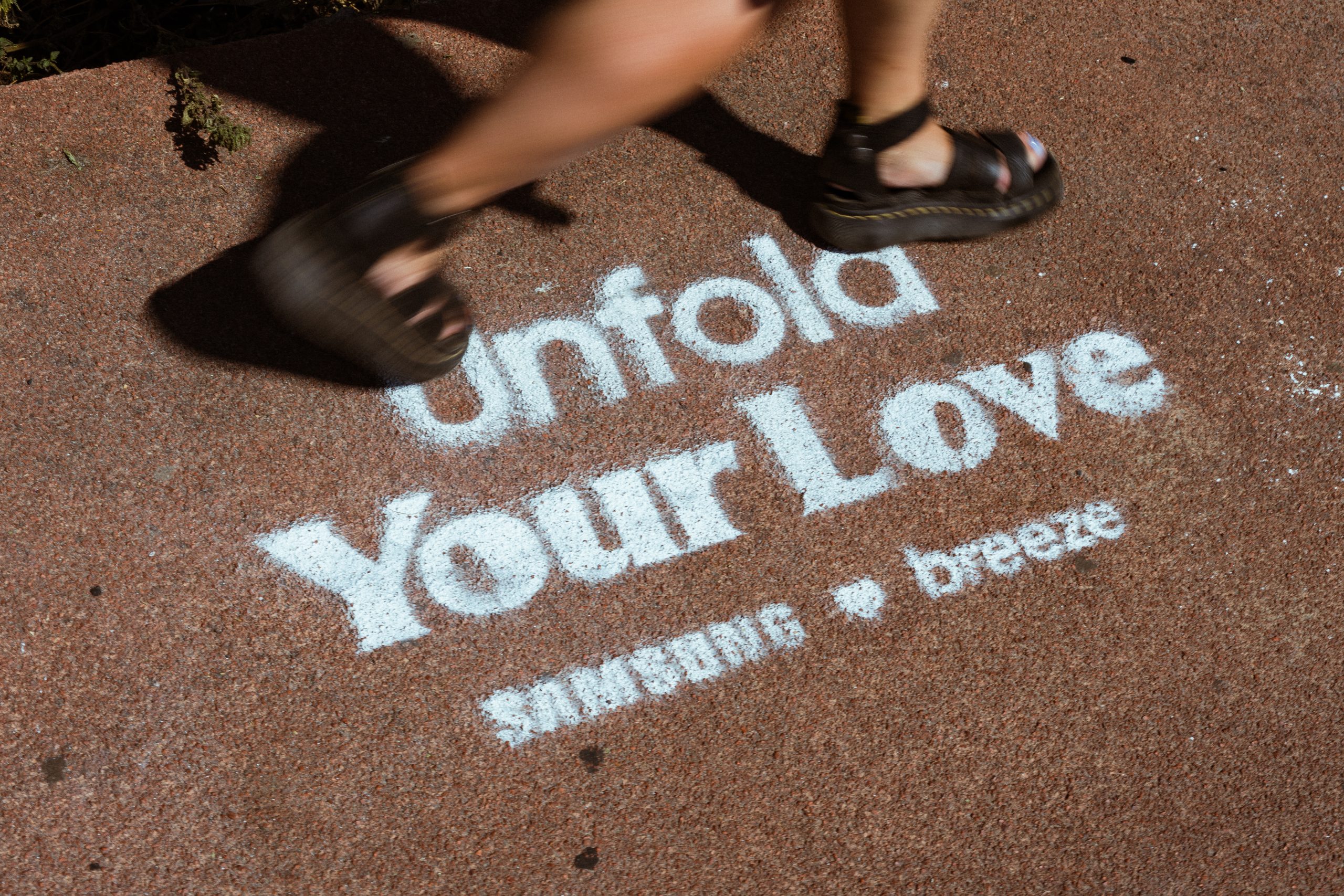
Reverse graffiti, green graffiti, chalk stencils: clients mix them up all the time. Here is what each technique is, how long it lasts, and how to brief correctly.
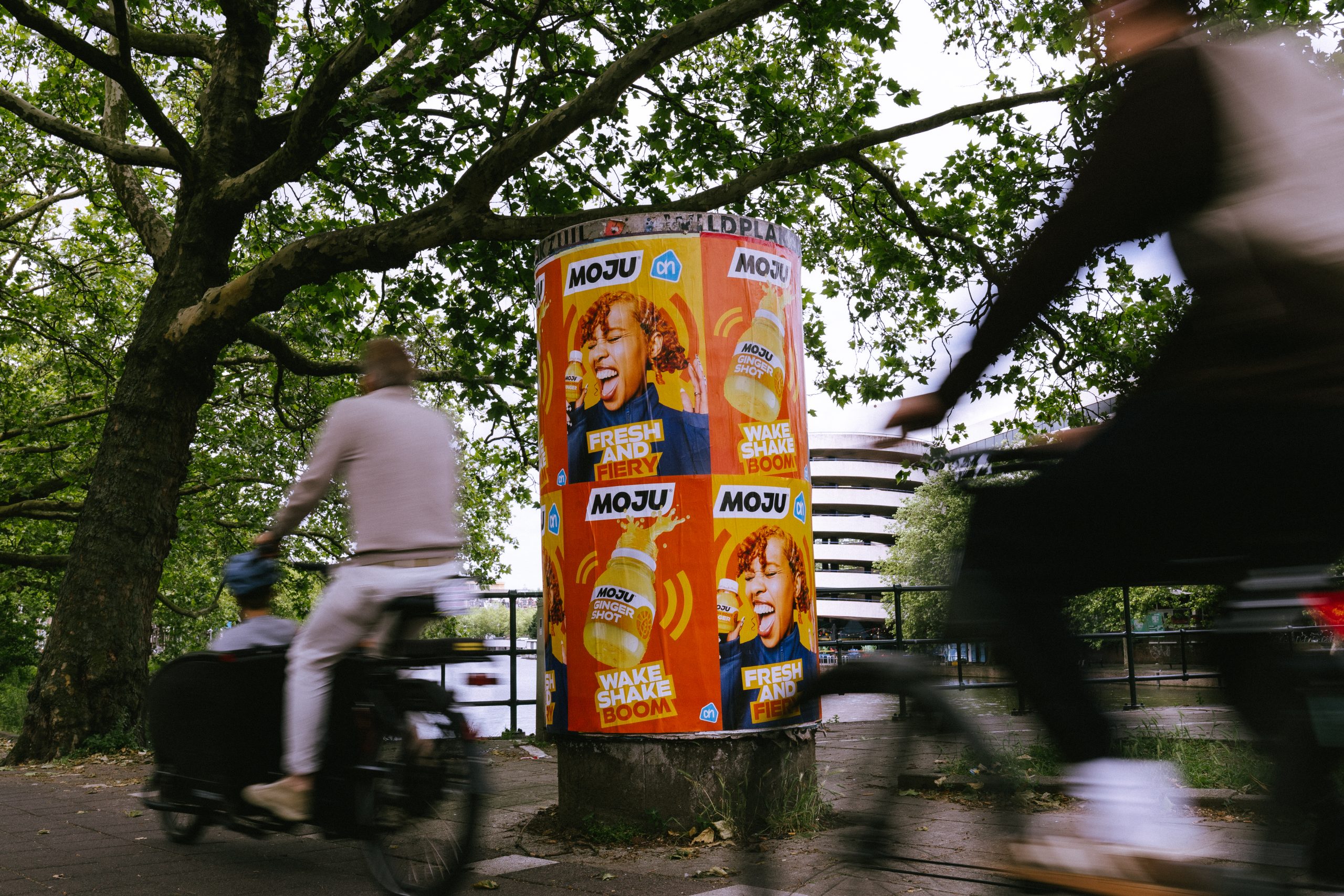
MOJU, Le Smash and JUNI all prove the same thing: the right streets make a small brand impossible to miss. Here's how each one did it.
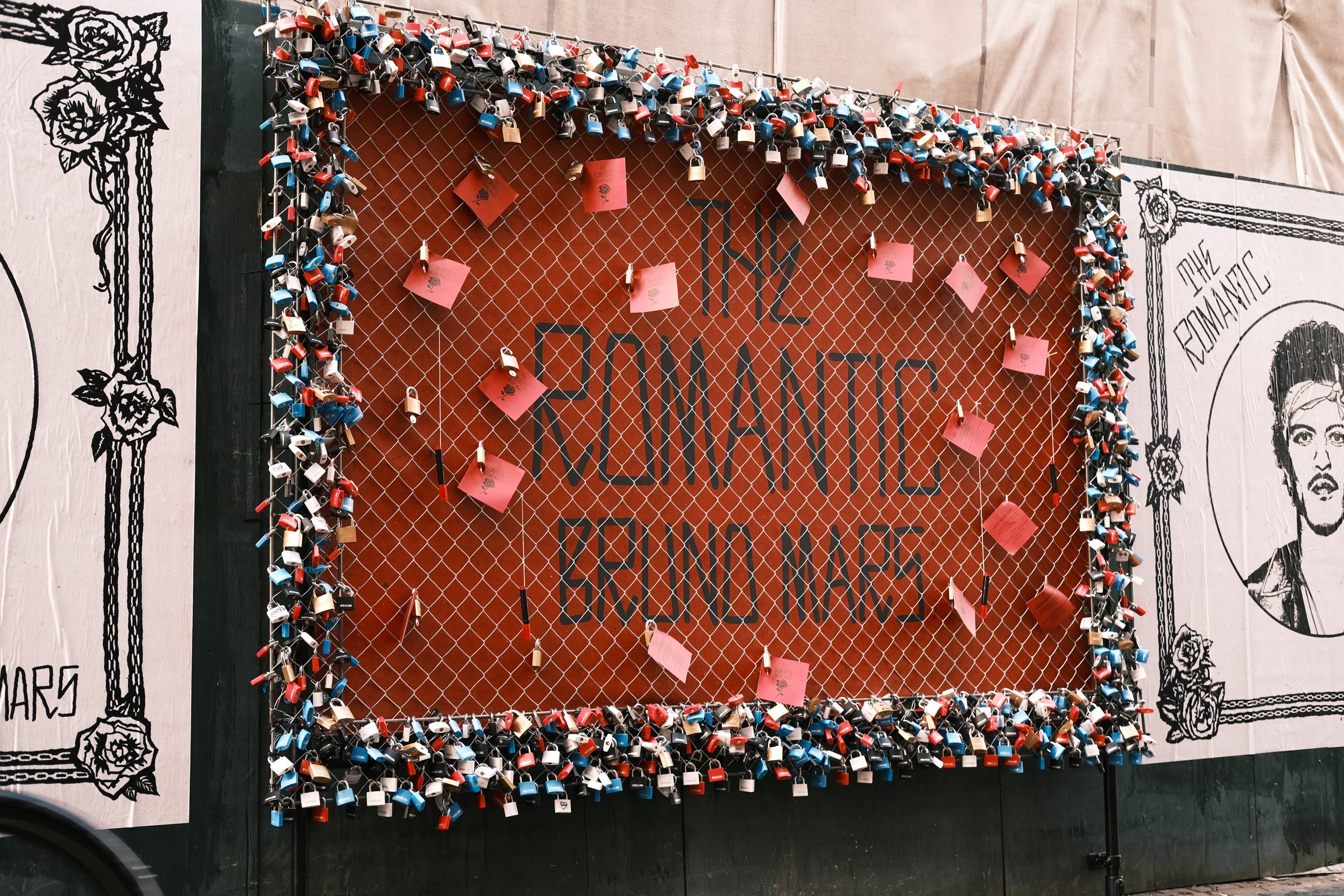
Three brands, three special builds, one same result: people stopped, looked twice, and remembered it. Here's what makes a special build worth stopping for.
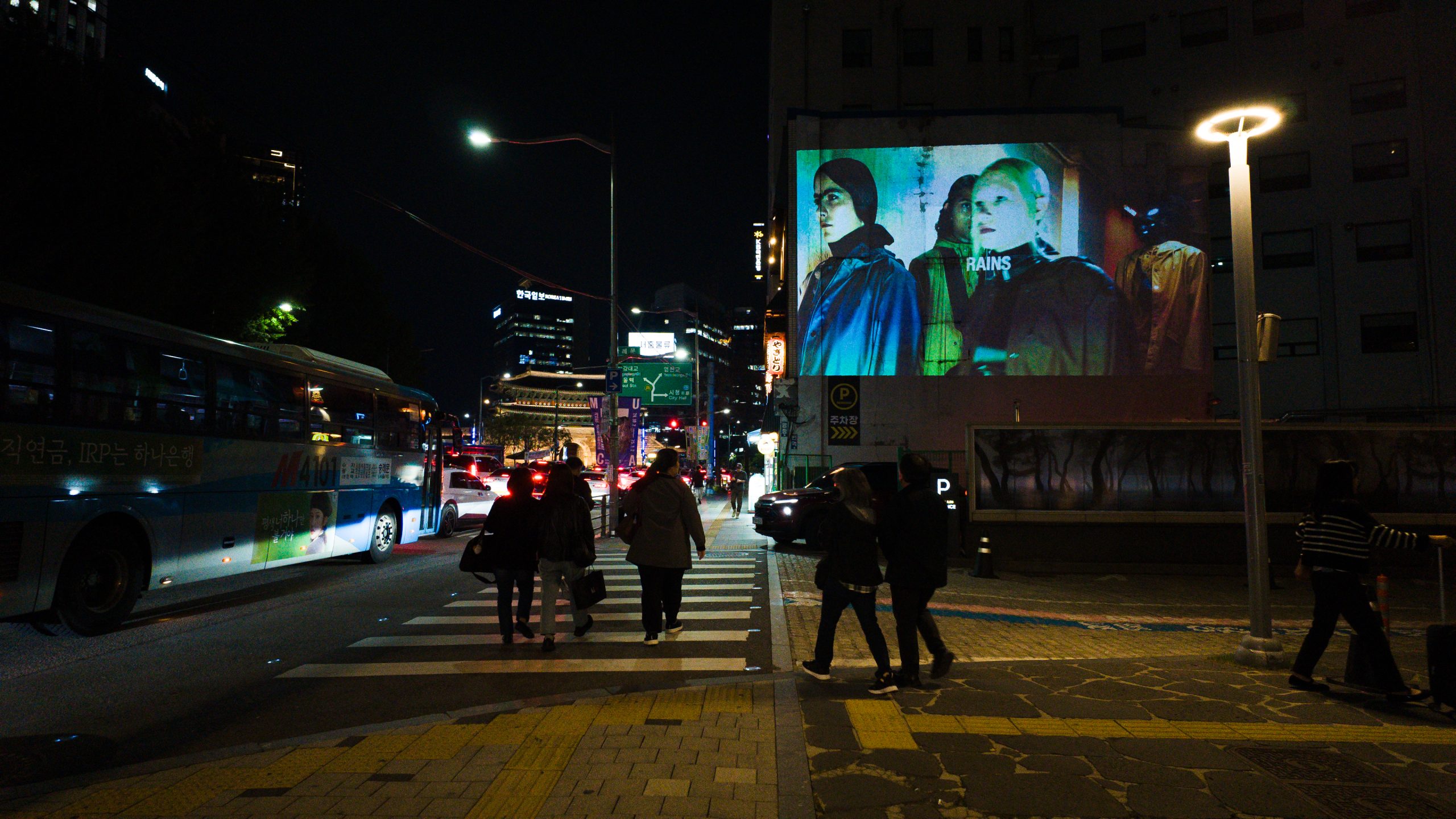
Every new market comes with its own rules, its own risks, its own learning curve. Here's what it actually takes to make it work, city by city.
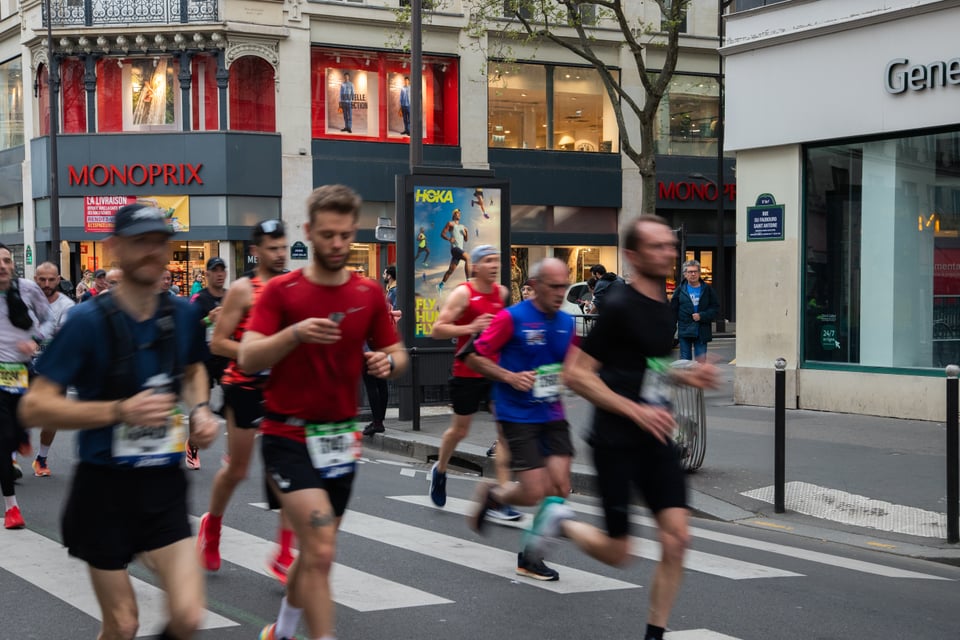
You don't need a sponsorship to win a marathon weekend. Here's how street marketing puts your brand where the crowd actually is.
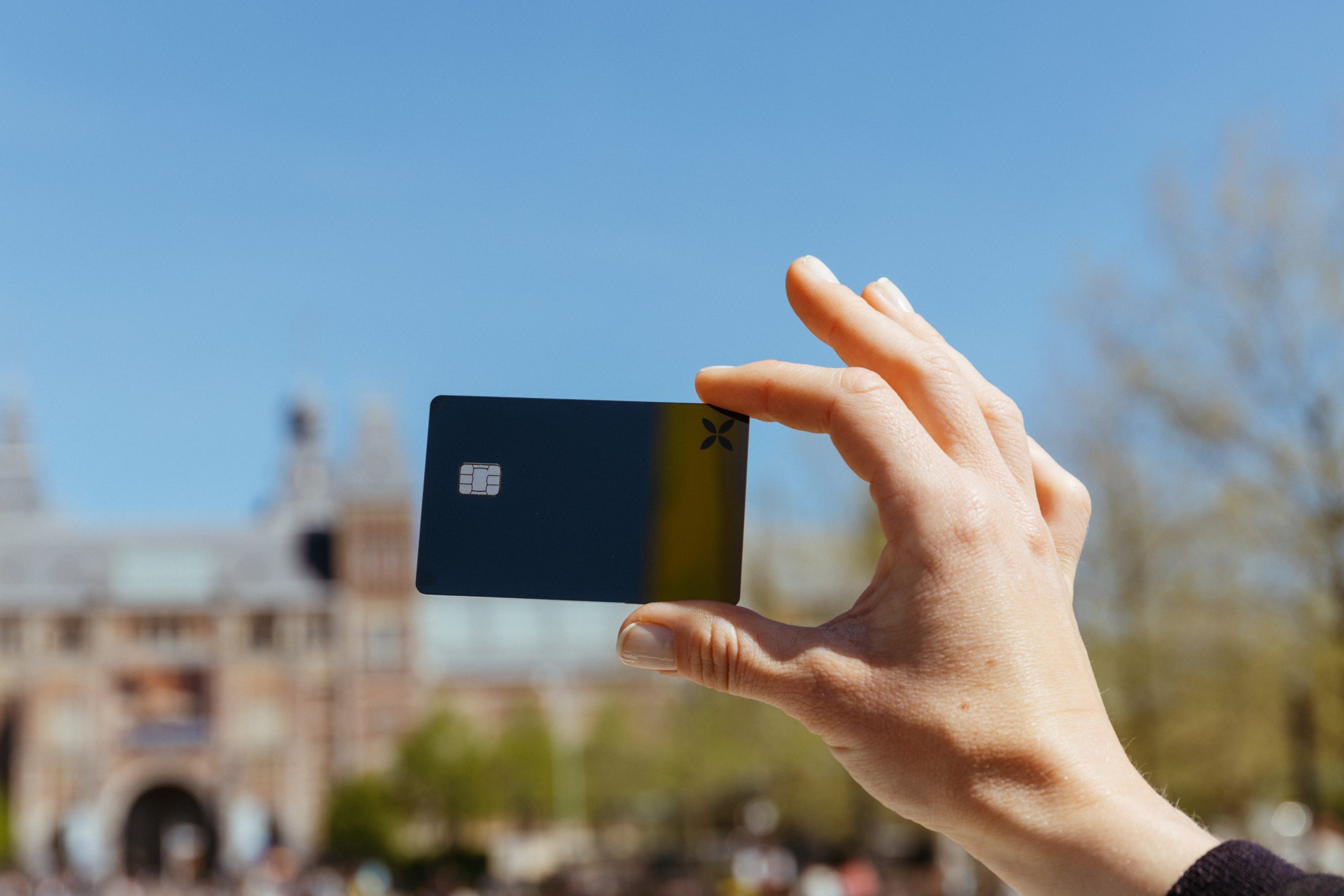
Physical presence builds the trust that fintech and crypto brands need. See how brand activations can do that in person.
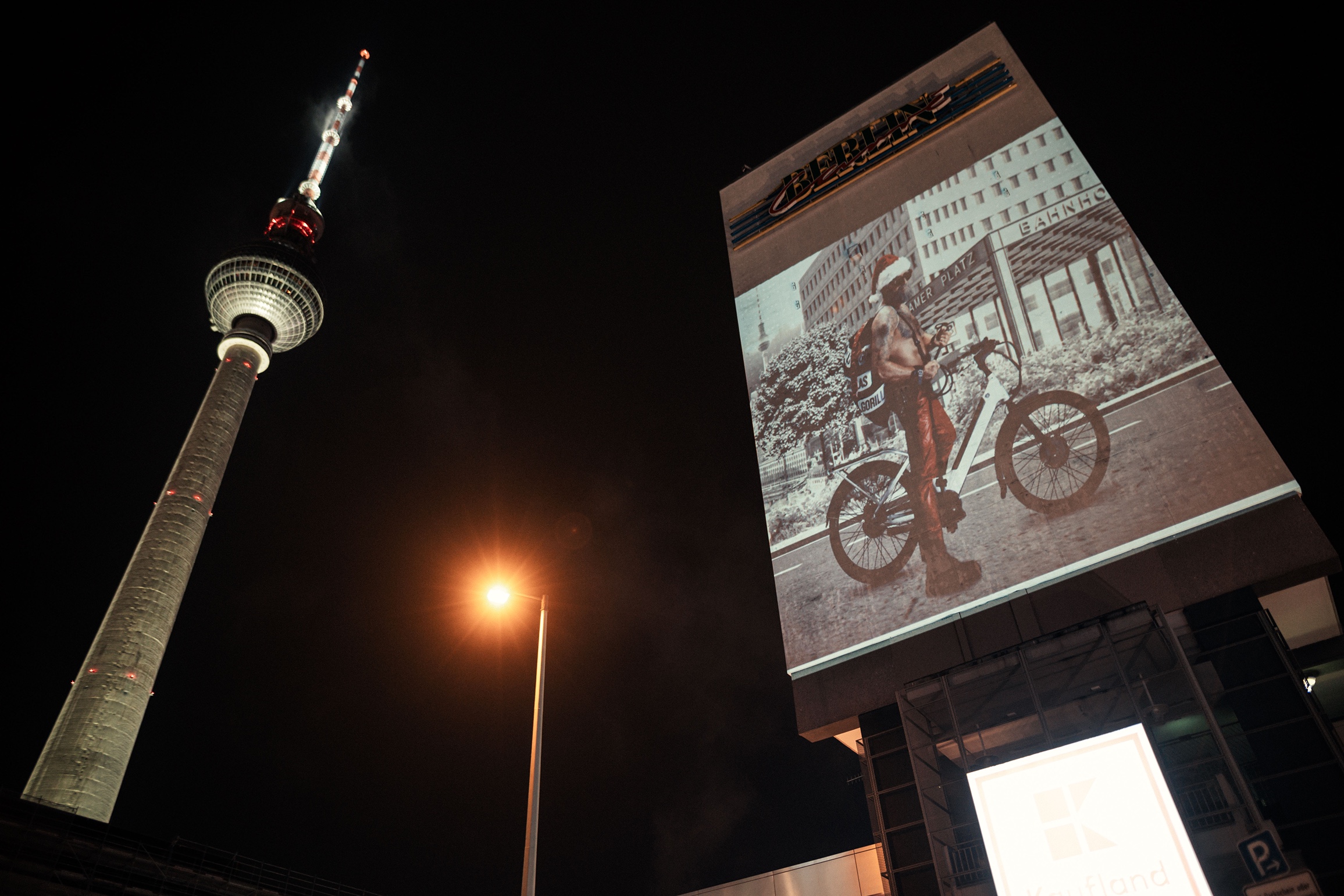
The best projection campaigns aren't just about the light. They're about how you play with the spot you choose. Here's why location should shape your creative.