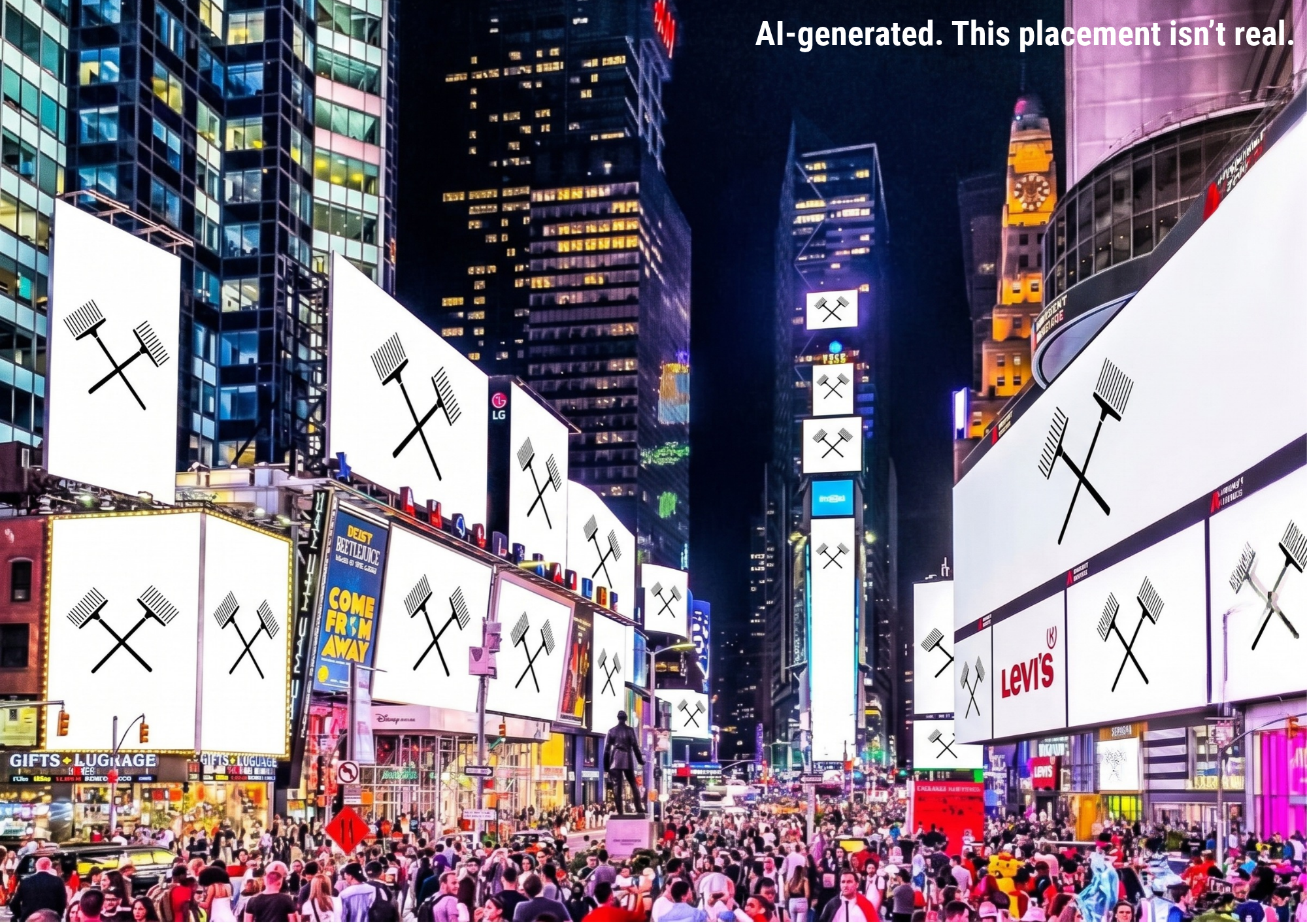
Faux OOH just got a rulebook. Now what?
CGI ads that never existed, built on people not being sure. Now the law says you have to tell them. Real for proof, fake for reach.
Ask most brands what they want from a projection and the answer is a big logo on a big wall. Fair enough. It looks good and it sails through approval.
It also leaves most of the format unused.
A projection is a stage. For a few minutes a blank facade becomes the best screen in the street, with an audience that never bought a ticket and cannot skip. What you put on that stage decides whether people glance up or stop, film it and send it to a friend.
Through Lumen Trails we run projections across Europe, and a handful of ideas keep earning their place. Here they are, plus one we have not run yet, made for music video and movie trailer releases.
Start with the wall itself. The same visual reads differently on a canal in Amsterdam than outside a club in Berlin. When the content talks to the location, people get it faster and have a reason to explain it to whoever is standing next to them.
We wrote this approach up properly in Spot on creative: when the location inspires the projection. Our JD Sports and New Balance projections in Marseille and Naples are in there. Each named the city in the line, and both were widely shared.
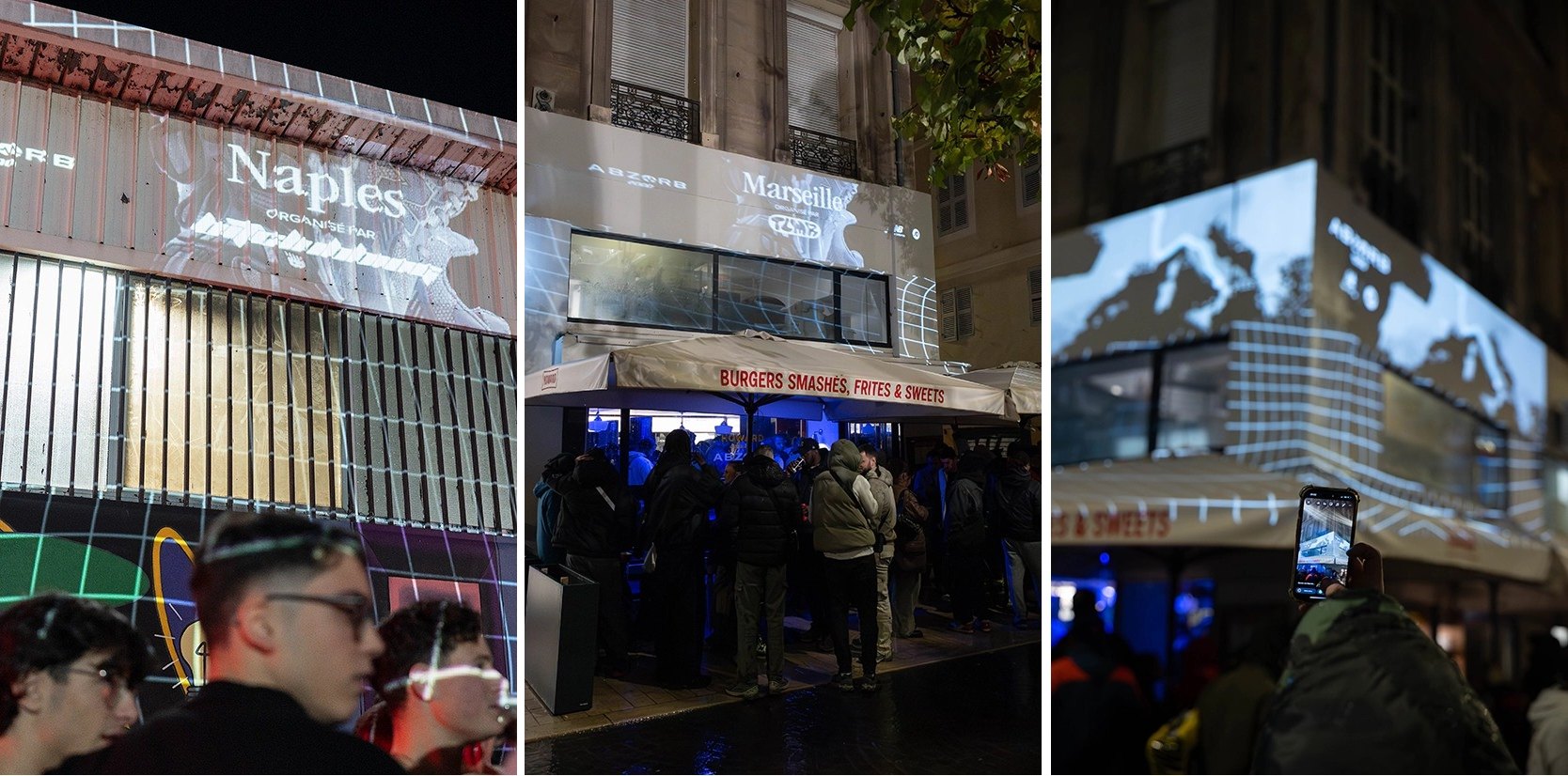
The short version: a line written for the city gets remembered. A line written for any city is a logo with extra steps.
In practice that means scouting before designing. Where the wall stands, what surrounds it and who walks past after dark all go into the brief before a single frame exists.
Music changes a projection in seconds. Anyone who has watched a facade move in sync with a track knows the difference.
The street has opinions about that. Audio on an unauthorised projection tends to bring noise complaints, and a complaint is the quickest way to end a night’s work. So we generally advise against it.
Location can change the answer. We projected a three-minute video with sound for the boy band Soulidified, in an area full of bars and clubs where a little music is part of the evening anyway. Noise complaints were less likely there.
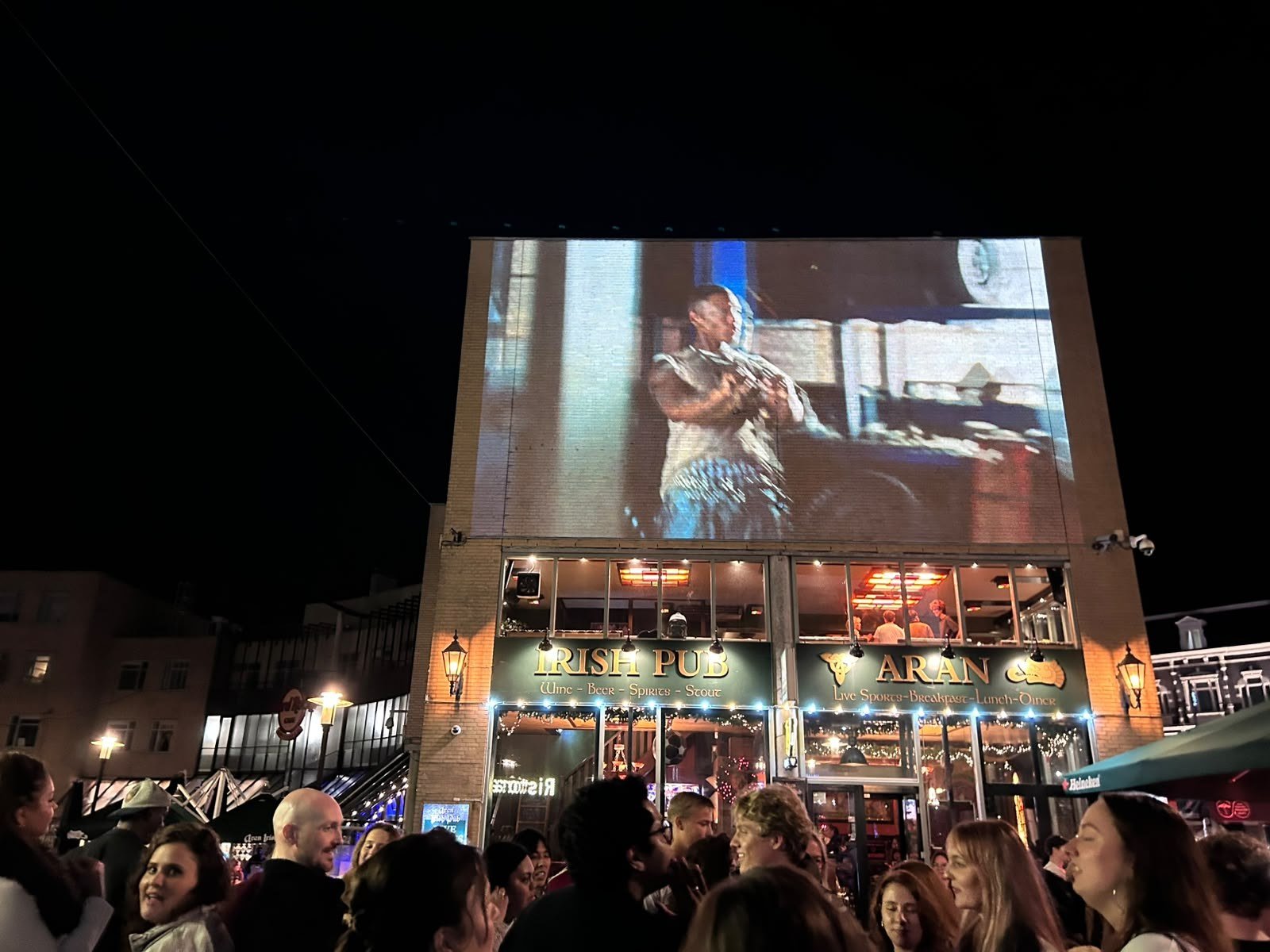
An authorised setting plays by other rules. With permission in place, a projection can use decor and music within the agreed limits, as in our projections for the National Opera & Ballet.
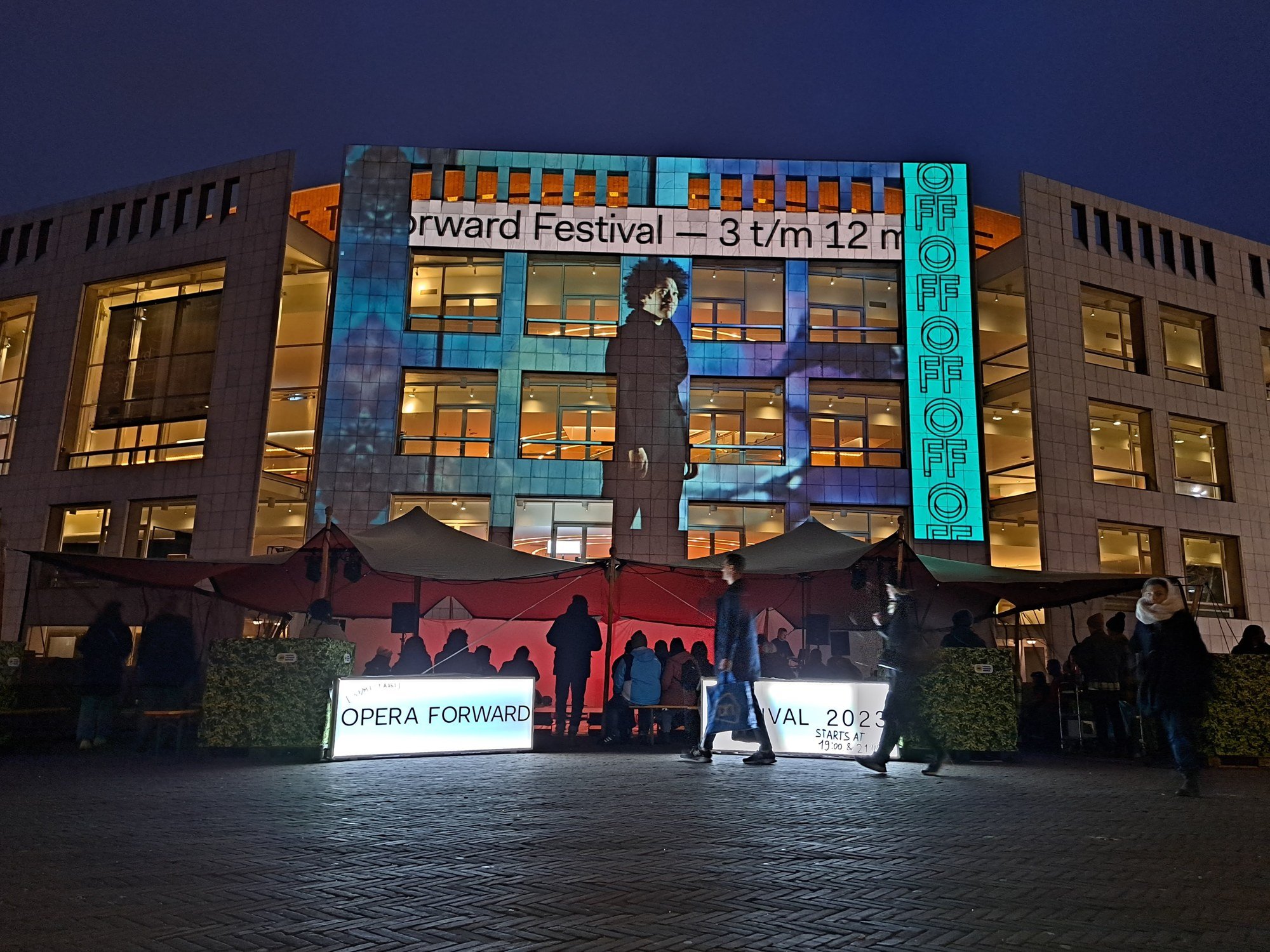
Rules on sound, light and permits differ from city to city, sometimes from street to street. That is why we look at the spot before we talk about the soundtrack.
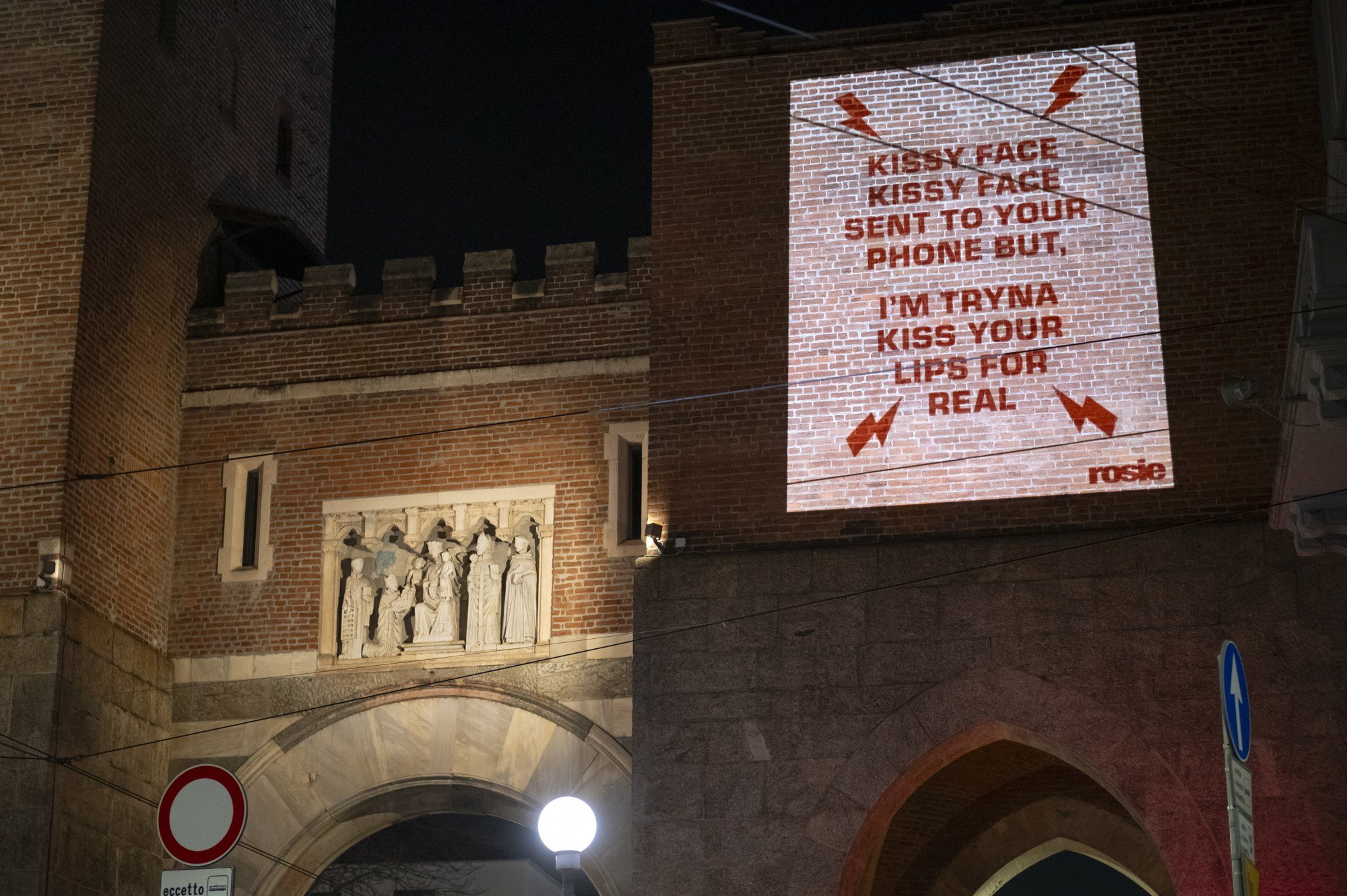
And when sound is off the table, put the song on the wall. For Rosé’s album release we projected the lyrics of her trending songs on walls. No speaker needed. Anyone who knew the songs could hear them anyway.
A static projection asks people to watch. A live one lets them take part.
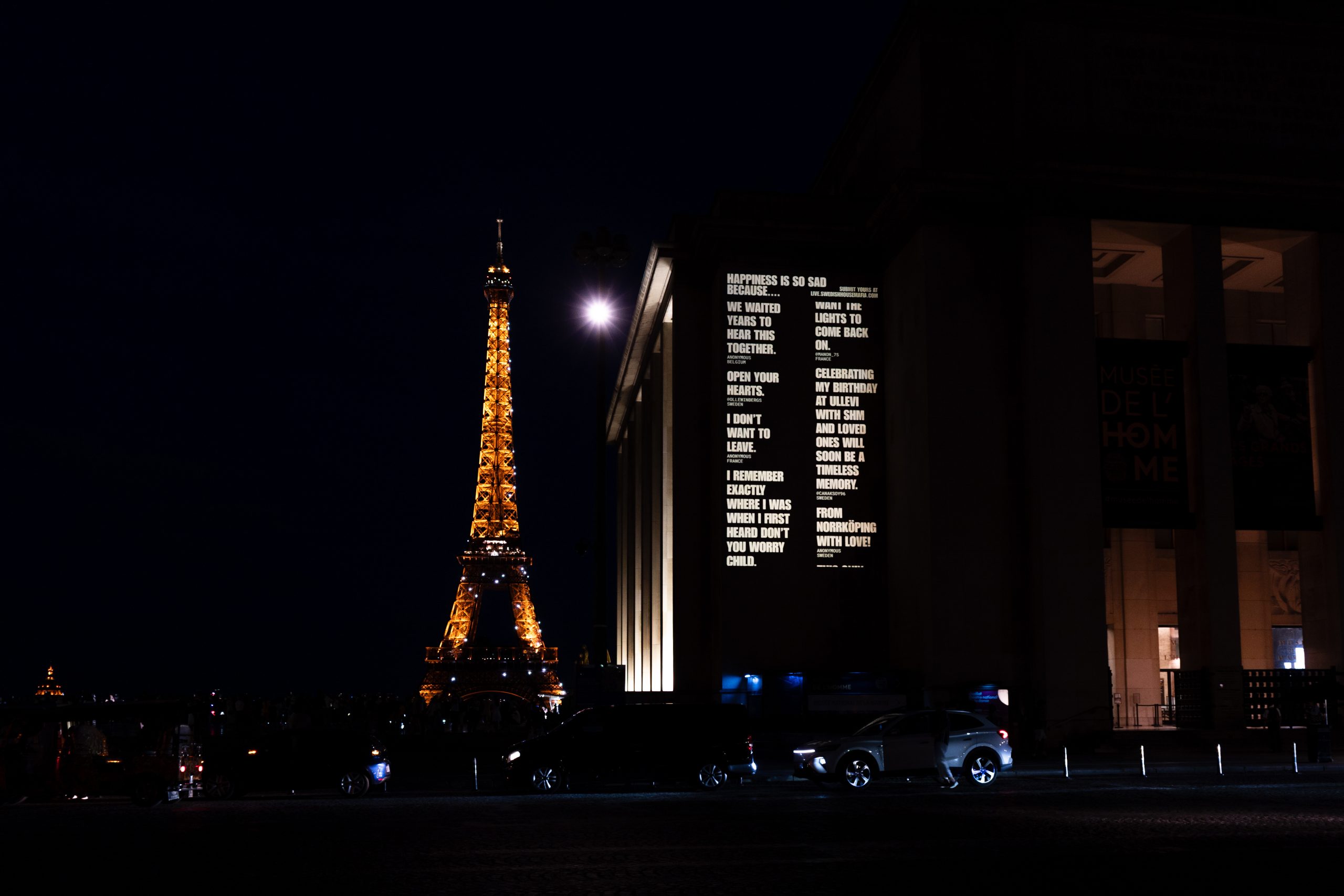
For the release of Why Is Happiness So Sad, Swedish House Mafia’s new song, fans commented in a live chat and their comments appeared on the walls as they wrote. We ran it in London and Paris, on iconic buildings that left no room for mistakes. A wall that reacts to fans gives people a reason to pull out their phones and stay a while.
Release and tour moments are a regular for us, from Swedish House Mafia to The Neighbourhood and Rosé.
Live work needs a plan for the quiet minutes. A feed that reacts to fans looks great with a crowd and thin without one, so the visual underneath has to carry the wall on its own.
Interaction can also point somewhere. For Amazon, we ran a countdown timer on the wall that ended in a QR code, with influencers sending people to the spot. Watching turned into scanning.
Take two ideas from above: lyrics on a wall with no speaker, and a QR code that sends people to their phone. Put them together and you get an idea we have not run yet.
Put a QR code in the projection. A passer-by scans it and the track starts in their own headphones. The wall draws the crowd. The headphones carry the sound.
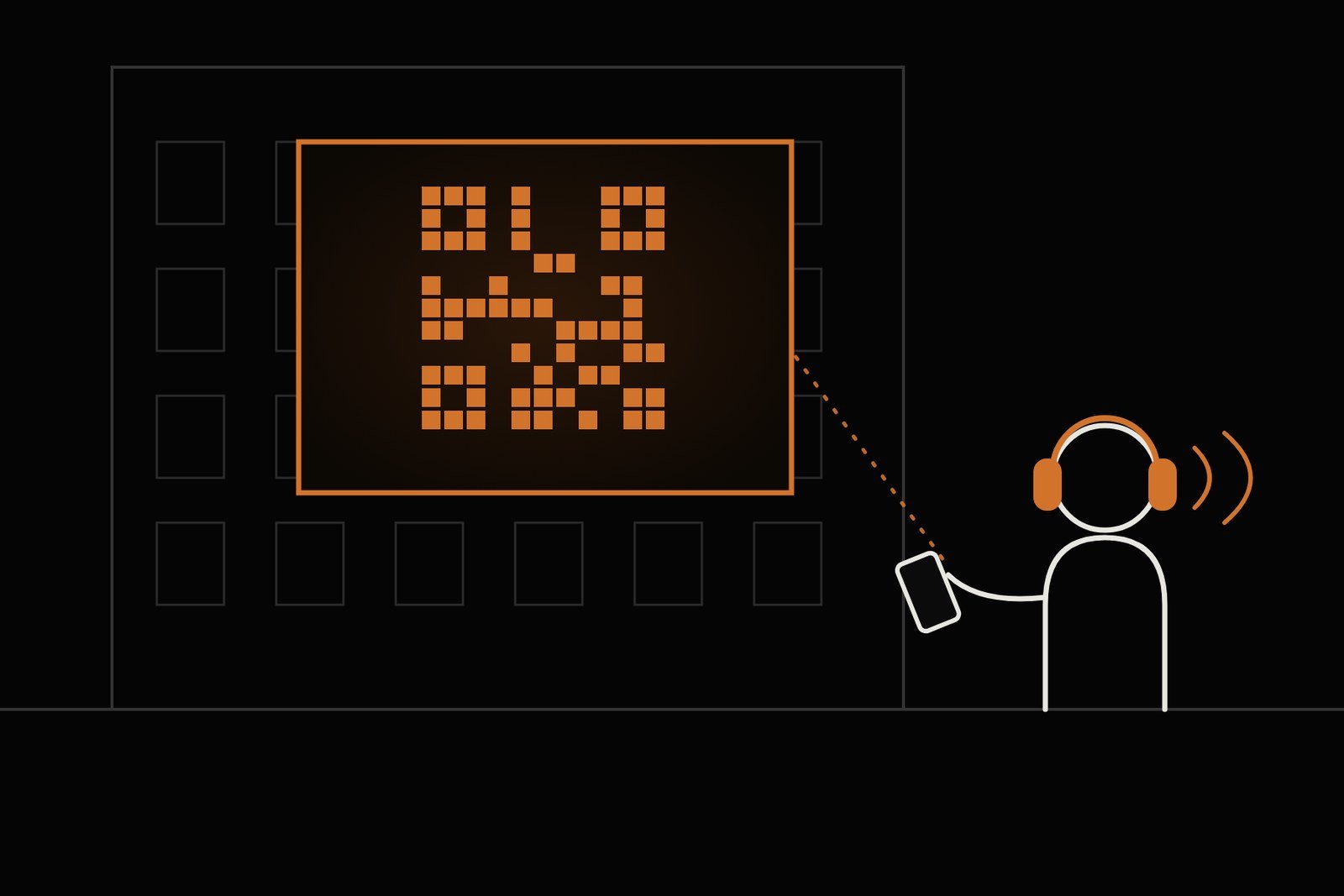
The street stays quiet, so the noise complaint has nothing to land on. The music still arrives, for exactly the people who stopped to look. For a release, that turns a first listen into a street event.
What the code unlocks is up to the artist: an unreleased track, an early listen, a live set. The volume belongs to the listener, so the neighbours never hear it. People need headphones for this, so the call to action on the wall should say so.
A music video or a movie trailer release is the natural fit. The wall shows the first images and the headphones deliver the sound that goes with them.
This is a recommendation, and we have no case study for it yet. It is a concept we would like to build with a label or a studio.
A logo on a building will always be available. A projection that fits its place, makes the right sound for the street and gives people something to do is a better use of the same few minutes.
Got a release or a wall in mind? Tell us the location and the track, and we will tell you what the street will allow. Plan your projection with us.
CGI ads that never existed, built on people not being sure. Now the law says you have to tell them. Real for proof, fake for reach.
A bus shelter arrives in a city and the city pays nothing for it. Who owns the furniture, what each route costs, and why almost no city will tell you what it earns.
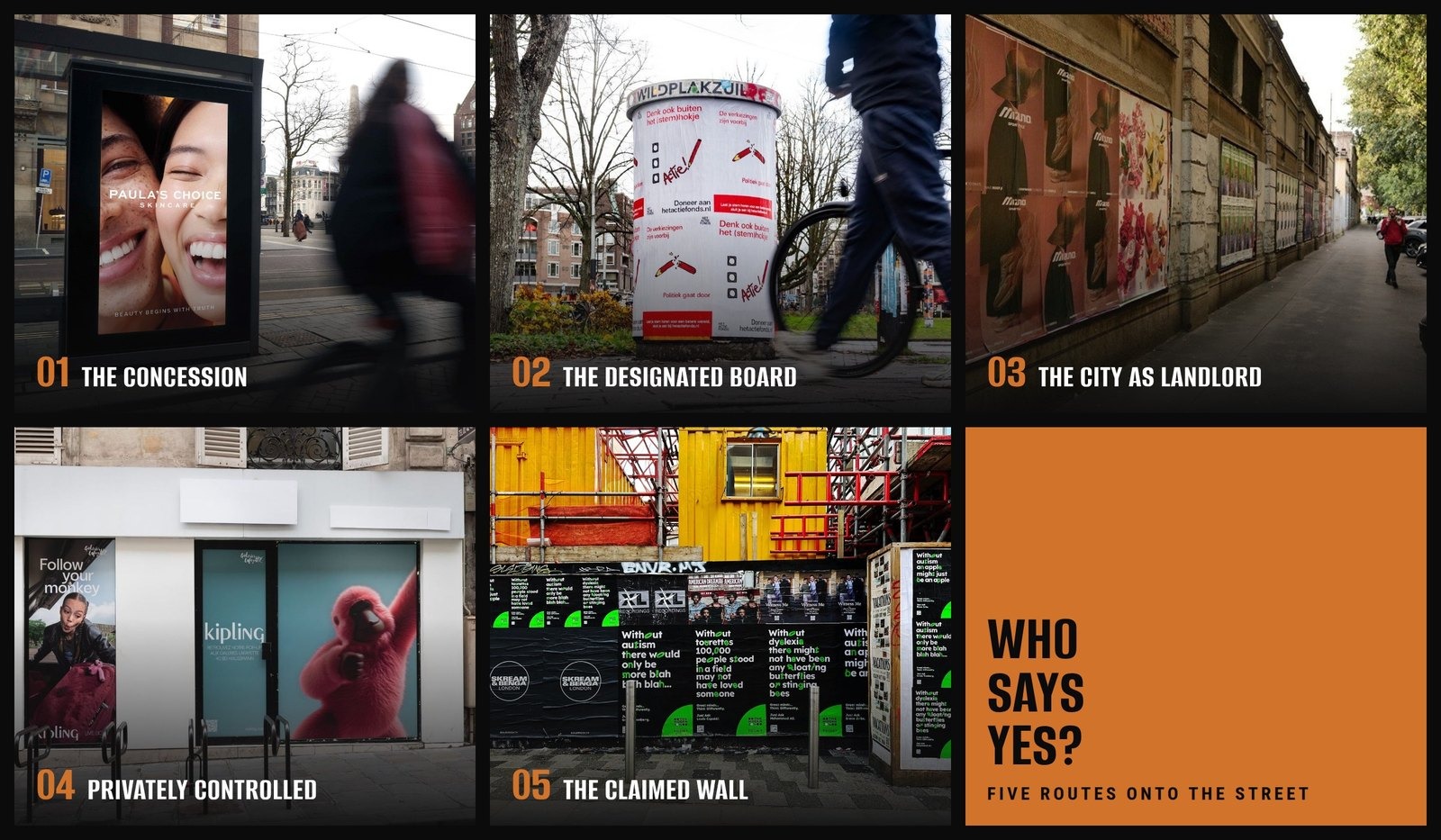
Five ways onto a street, and only four involve somebody saying yes. Who owns the surface, who to ask, and who pays when nobody did.
Two Amsterdam poster crews went to war over walls neither of them owned. And then, one of them got a licence from the authorities.

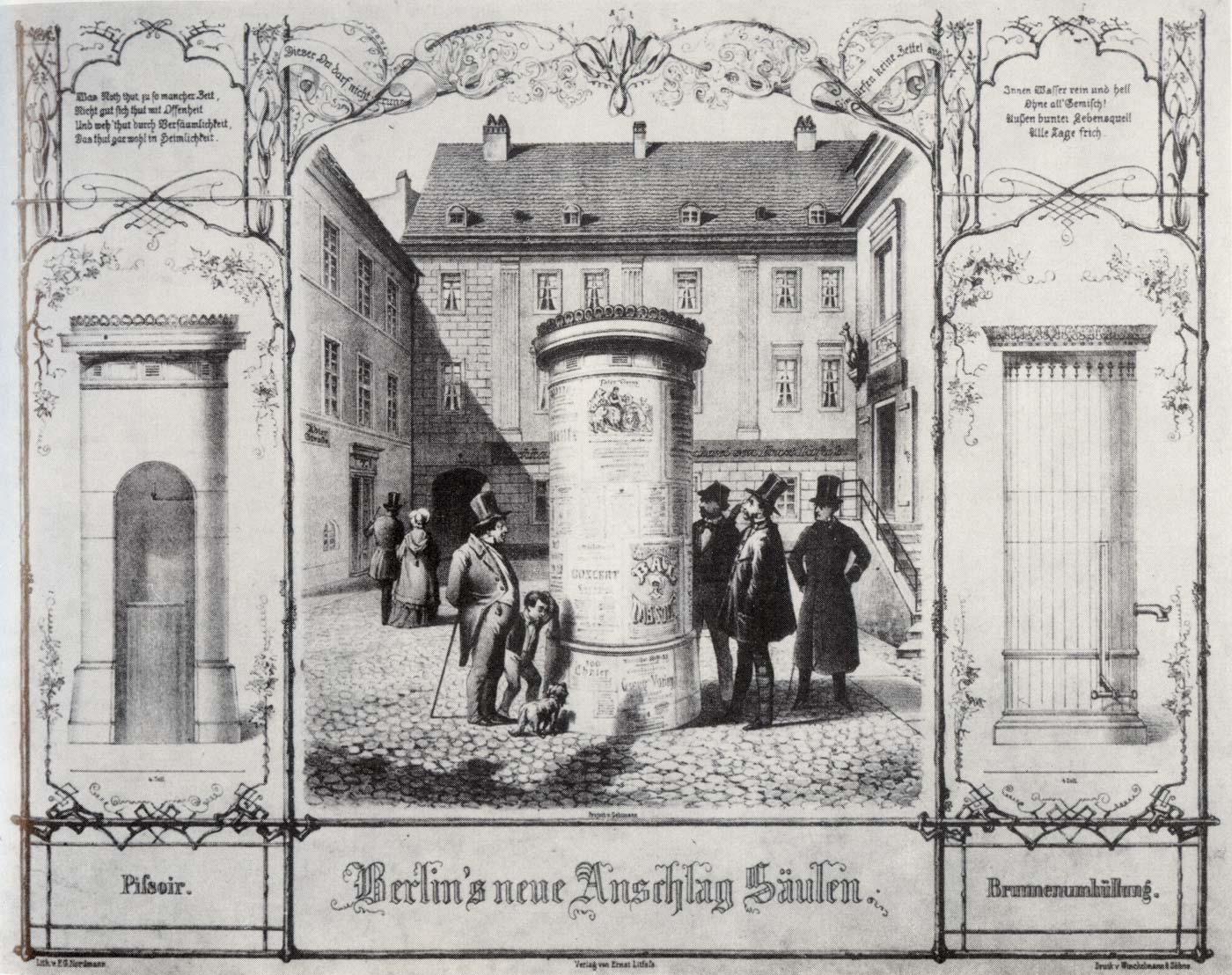
Guerrilla marketing was named in 1984. Amsterdam archives show us the trade is a century older. From an 1875 complaint to a wall for rent in 1915.
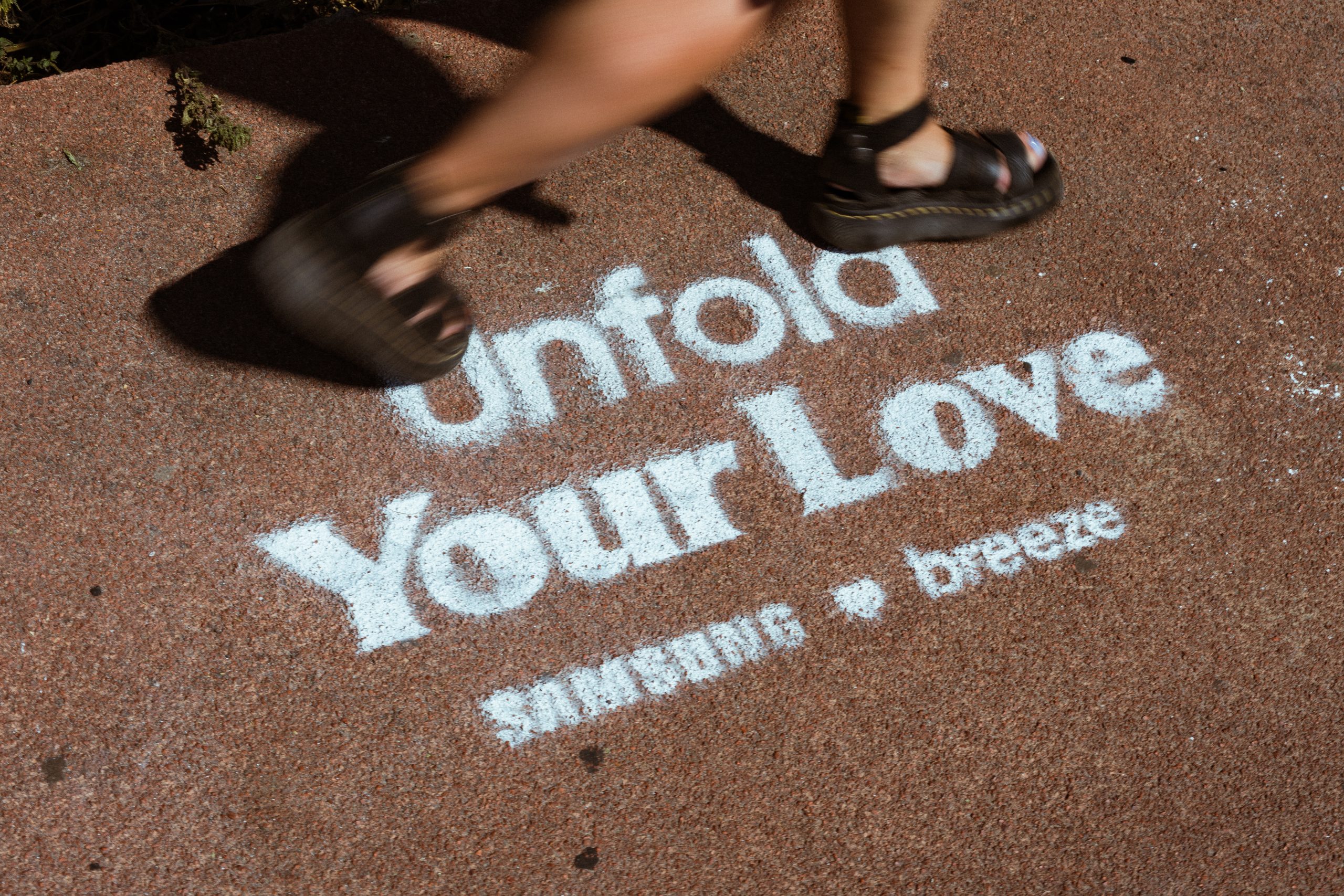
Reverse graffiti, green graffiti, chalk stencils: clients mix them up all the time. Here is what each technique is, how long it lasts, and how to brief correctly.
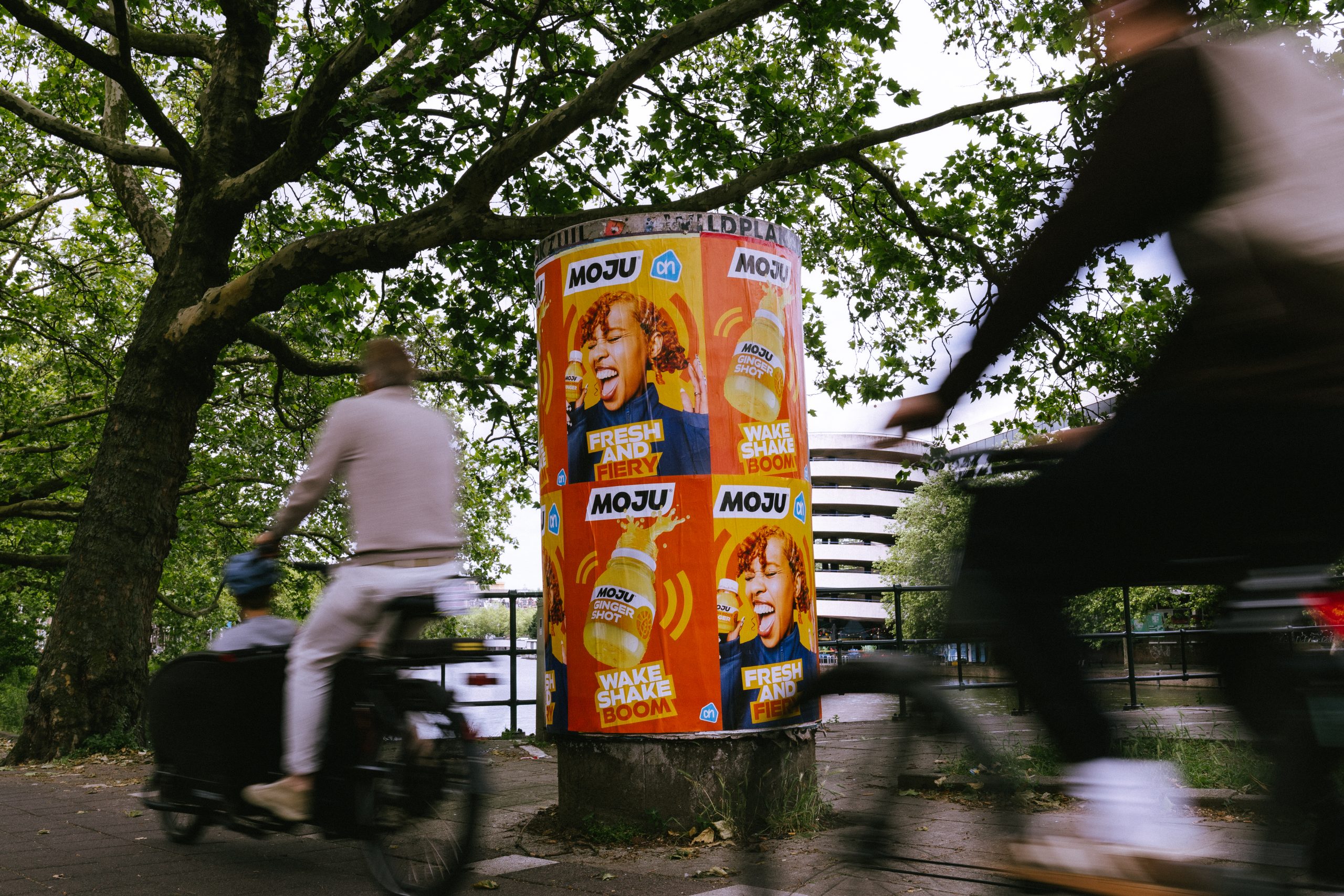
MOJU, Le Smash and JUNI all prove the same thing: the right streets make a small brand impossible to miss. Here's how each one did it.
Three brands, three special builds, one same result: people stopped, looked twice, and remembered it. Here's what makes a special build worth stopping for.