The deal behind the billboard
A bus shelter arrives in a city and the city pays nothing for it. Who owns the furniture, what each route costs, and why almost no city will tell you what it earns.
In April 2023, giant leather handbags rolled across Place de l’Opéra on their own little wheels, and Paris stopped to look. The clip was Jacquemus, the maker was Ian Padgham at Origiful, and none of it was real. It was CGI, eight seconds long, built for a phone screen. The reason it travelled the way it did is the uncomfortable part. As Padgham has said himself, roughly half the people who see these films either think they are real or cannot tell, and that is what drives the engagement.
View this post on Instagram
For about three years, faux out of home grew up in a space where no rule named it. That space got smaller on 2 August. The more interesting question, though, is not really about the rule.
We paste walls for a living, so the fake version of what we do is squarely our business to have a view on. Here is ours, laid out straight.
Faux OOH, or FOOH, is a CGI or AI film of an advertisement that never physically existed. A giant handbag driving through Paris. A Tube train and a double-decker dressed up to look like they were wearing Maybelline lashes. It reads as a real placement, but it lives on social, not on the street, and it spreads because the confusion is the point. The engagement runs on people not being sure.
It caught on fast for a reason that has little to do with craft. A film costs a fraction of a booked citywide run, it needs no sites, no permissions and no build, and the platforms reward exactly the kind of clip that makes someone stop and check whether it is real. That is worth sitting with, because it is the mechanism the maker himself describes. The format is good precisely when the audience cannot tell. Whether that is good for your brand is a separate question, and it is the one worth asking.
The EU AI Act’s transparency obligations became applicable on 2 August 2026. The part that matters here is Article 50. The deployer, meaning the brand publishing the film rather than the studio that made it, has to disclose a deepfake to the viewer on first exposure, clearly and perceivably. A machine-readable tag buried in the file does not discharge that on its own. Get it wrong and the exposure runs to 15 million euro or 3 percent of worldwide turnover. In the Netherlands, the Stichting Reclame Code set out its own guidance in the same window, which stops short of a general duty to flag AI in advertising and puts the weight on the deepfake carve-out specifically.
Read the definition and it gets more interesting for our world. It covers content resembling real people, objects, places, entities or events. A photorealistic fake billboard on a real street is a fake place and a fake object. So where does the line sit, and who decides? That is our question, not a settled answer.
The Netherlands was not alone. France’s ARPP published its own labelling guide the day after the rule landed, and the UK’s ASA weighed in from outside the bloc entirely. Neither wrote a new rulebook. They pointed existing codes at AI and landed on the same line: how an ad is made changes nothing about who answers for it. So this is not a local rule to read around. It is the direction of travel in every market a FOOH film can reach.
There is a twist in the rules that runs against instinct. The obviously impossible fake sits more comfortably than the believable one. A hundred-metre handbag reads as fantasy, and nobody walks away thinking they missed a real installation. A normal-looking six-sheet on a real street is where the exposure actually is, because that is the one a person could reasonably take for the real thing. This is not just our read. France’s guide scores exactly this way: a clearly fictional scene is low risk, a realistic one is high. The believable fake is the one it tells you to label.
There is an open question underneath all of this too. A large share of FOOH is built in conventional 3D pipelines with no generative AI in them at all. On the wording, pure VFX may sit outside Article 50 entirely, even while it misleads exactly as well. The rule aims at the tool. The effect it is worried about does not care which tool made it.
Then again, the sharpest case for physical out of home was never the regulation. It is behaviour, and specifically it is the behaviour of the businesses with the most to gain from synthetic media.
AI companies keep spending real money on real outdoor media. On MediaRadar figures reported by Inc. late last year, Anthropic put a little over a million dollars into outdoor out of a spend of roughly 20.5 million dollars between October 2024 and October 2025. Google spent around half a million on outdoor as part of more than 27 million on Gemini. These are small fractions, and that is exactly the point. They are not buying billboards for reach. They are buying them for proof.
The clearest version of the argument is the one that got vandalised. When Friend, the AI pendant, put its campaign across the New York subway in September 2025, it went all in on print. Around a million dollars, thousands of car cards and platform posters, nothing digital. The city tore it off the walls and wrote over it. The founder said afterwards that he could not find another instance of a campaign being ripped off the walls repeatedly like that.
In one way, that is a rough result. In another, that is the whole point. A render cannot be graffitied. Nobody argues with a file. The defacement was proof the thing was physically there, and it generated more genuine cultural reaction than most of that year’s CGI stunts combined.
The quieter data says the same. In YouGov’s US work, 14 percent of people photograph an out of home ad after seeing it, which is the organic social content FOOH claims as its own advantage, produced by the real thing. And in YouGov’s Australian survey, 45 percent said they would trust a brand less on learning its ads were AI-made, while only 34 percent were confident they could spot one. The disclosure the new rule now forces is the disclosure audiences say changes how they feel.
None of this is a verdict, and it is not us telling anyone to stop. There is a grown-up version of FOOH, and it is a hybrid. L’Oréal Thailand ran real 3D DOOH across Bangkok and a separate fake cut for social in the same campaign. One proved the brand was actually out there. The other travelled. Real for proof, fake for reach.
The cost of getting the balance wrong is worth remembering. Coca-Cola, a brand built almost entirely on warmth, ran an AI-generated Christmas ad two years running and got called soulless both times. Feeling synthetic is not free, even when nothing about it is technically fake.
So as the rules make fakery harder to hide, the question mostly answers itself. Fake for reach when it serves you. Real when you need people to believe you were there. And if you want the version they can walk past, argue with, and photograph, that part still happens on a wall.
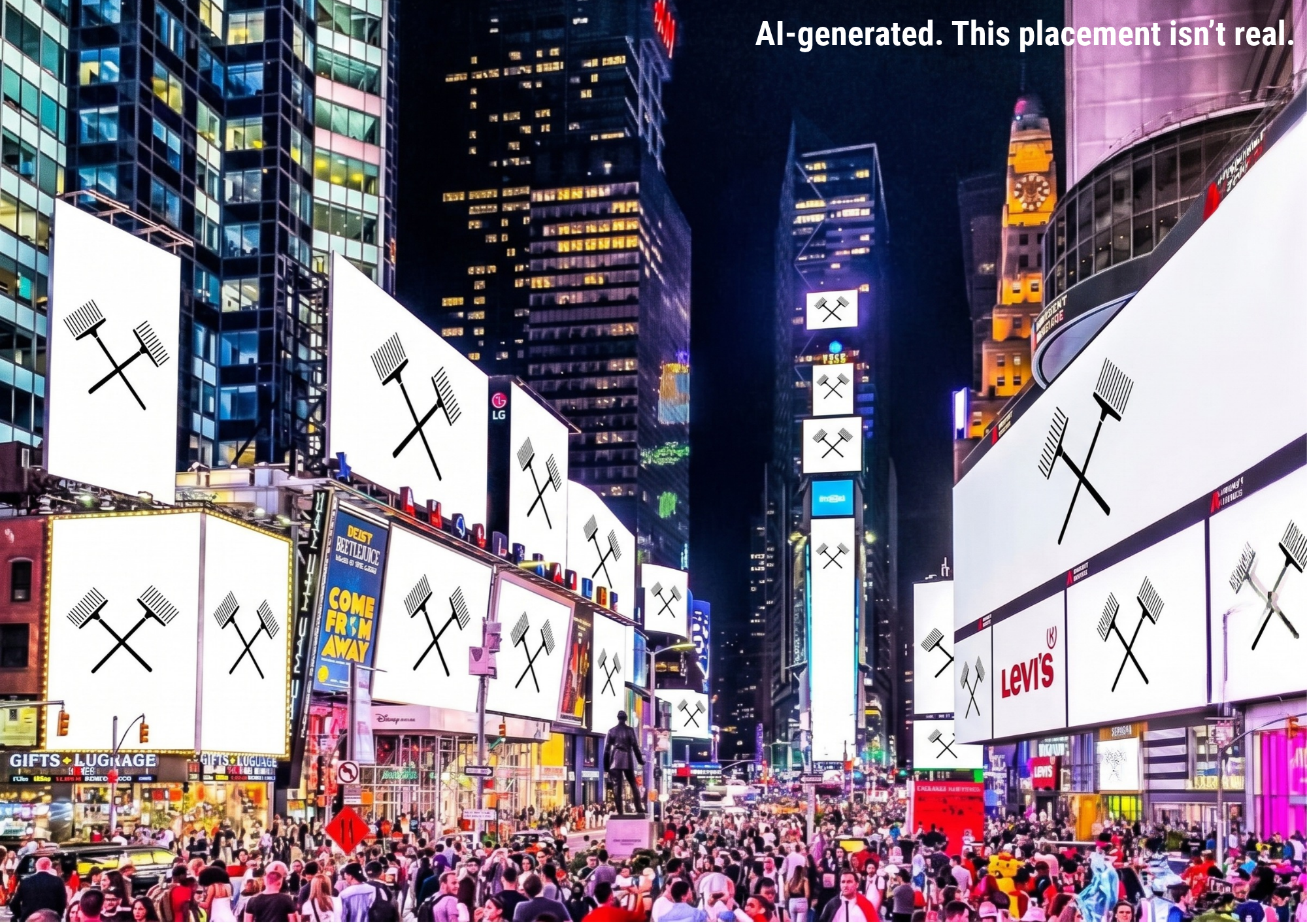
To be honest, we did not know what to put as the featured image, so we generated one with our logo on Times Square. That is how easy it is now. We are not fans, and it shows, it does not look great and it was never there. But yes, we labelled it correctly 🙂
A bus shelter arrives in a city and the city pays nothing for it. Who owns the furniture, what each route costs, and why almost no city will tell you what it earns.
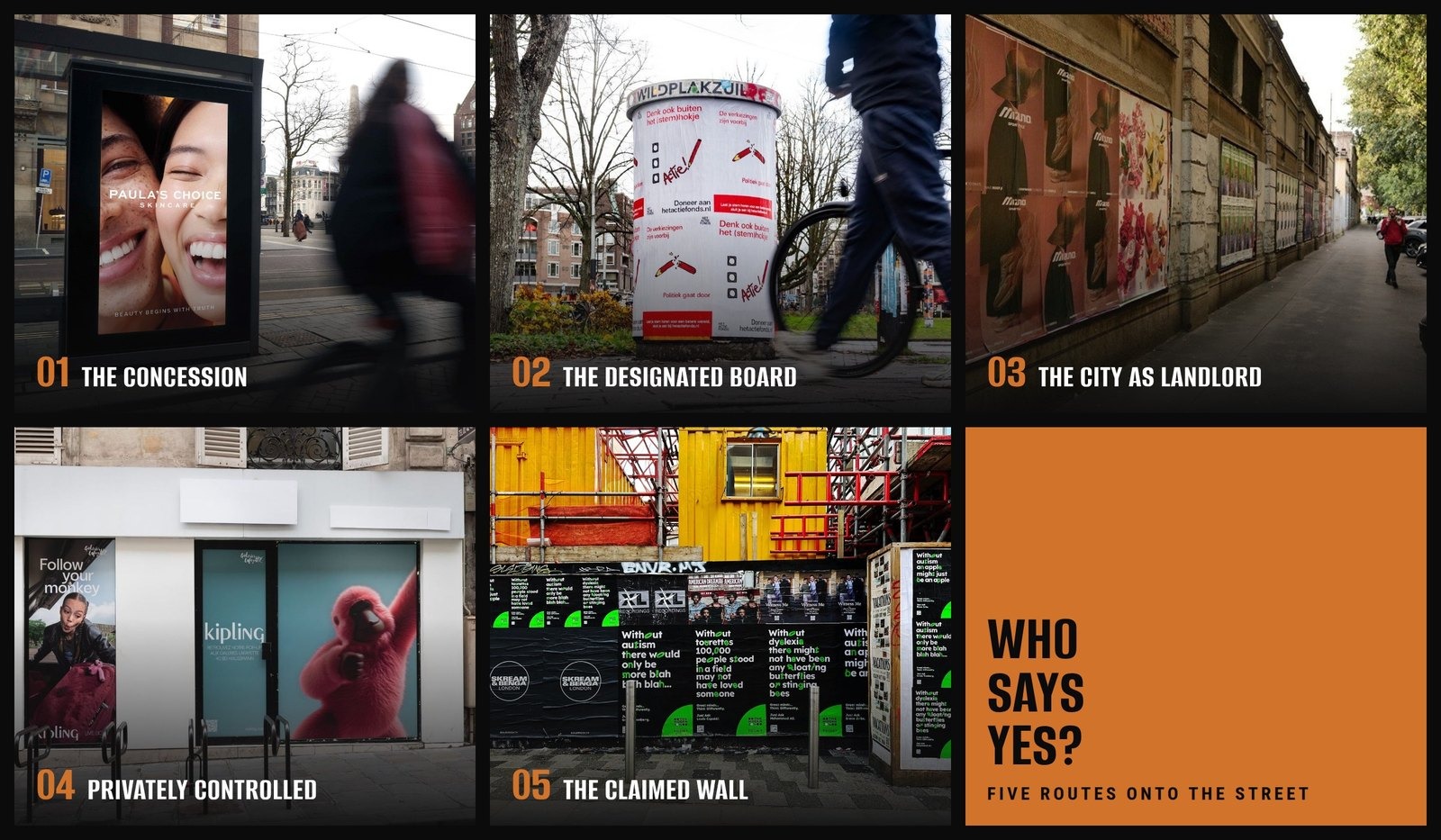
Five ways onto a street, and only four involve somebody saying yes. Who owns the surface, who to ask, and who pays when nobody did.

Two Amsterdam poster crews went to war over walls neither of them owned. And then, one of them got a licence from the authorities.

Guerrilla marketing was named in 1984. Amsterdam archives show us the trade is a century older. From an 1875 complaint to a wall for rent in 1915.
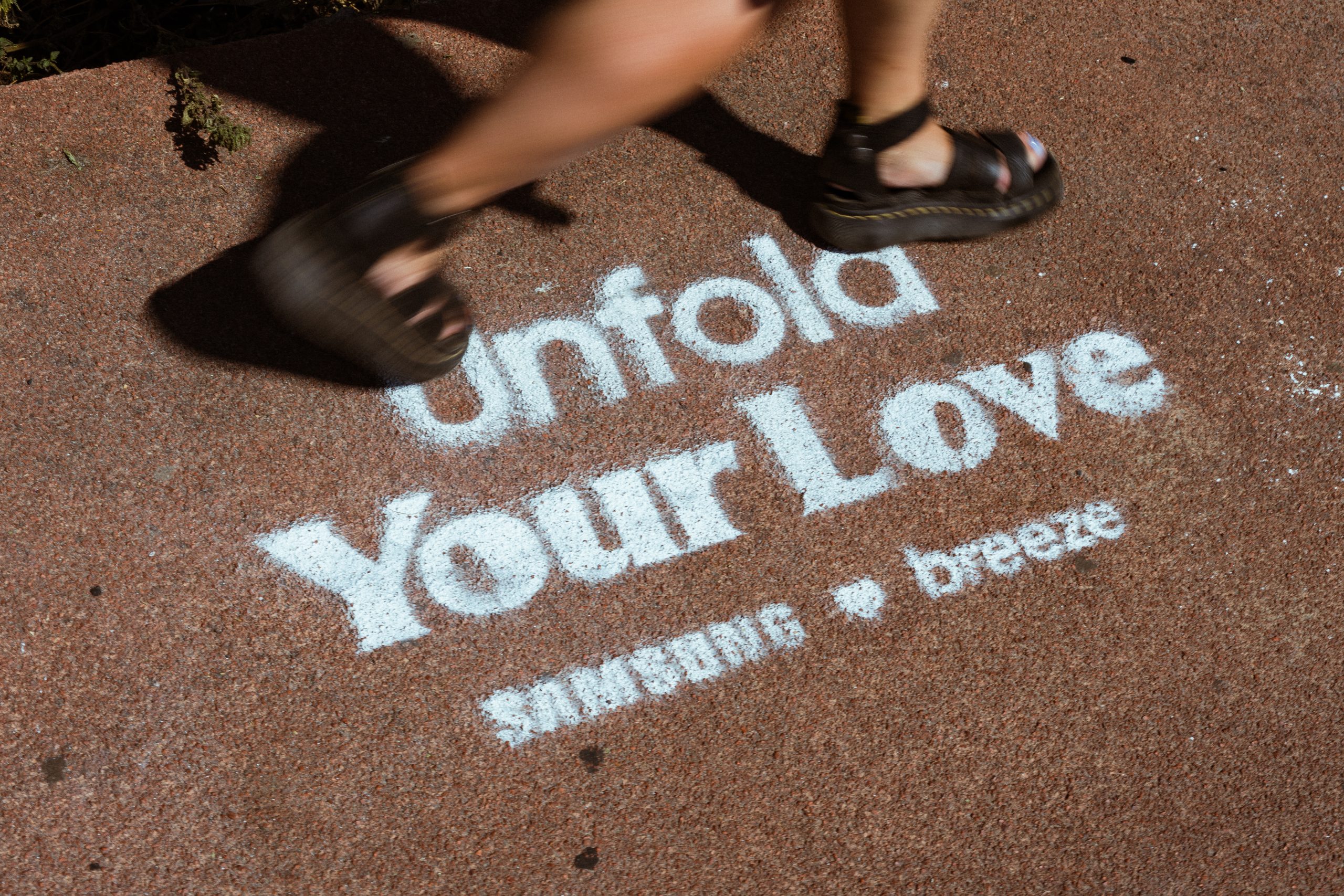
Reverse graffiti, green graffiti, chalk stencils: clients mix them up all the time. Here is what each technique is, how long it lasts, and how to brief correctly.
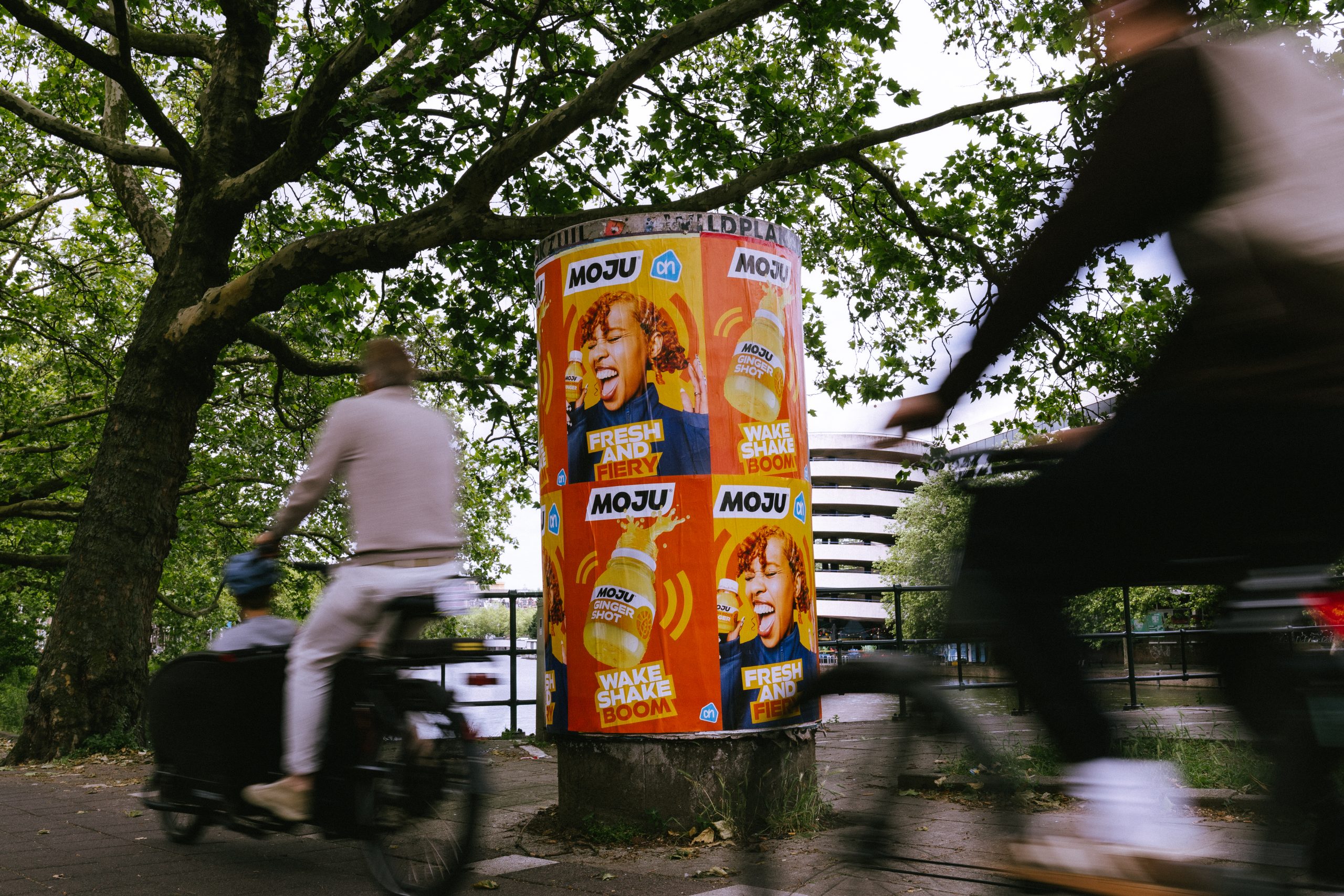
MOJU, Le Smash and JUNI all prove the same thing: the right streets make a small brand impossible to miss. Here's how each one did it.
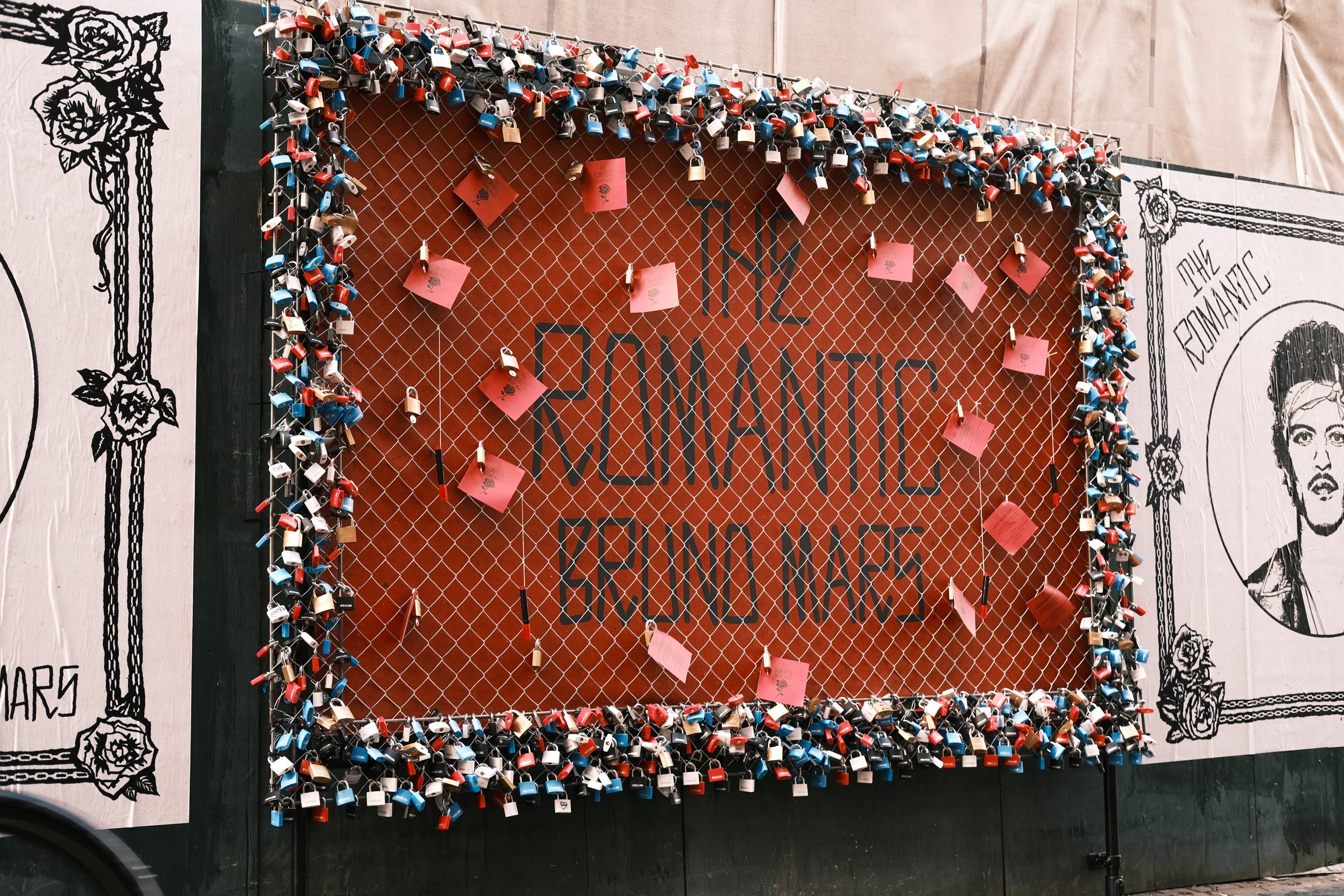
Three brands, three special builds, one same result: people stopped, looked twice, and remembered it. Here's what makes a special build worth stopping for.
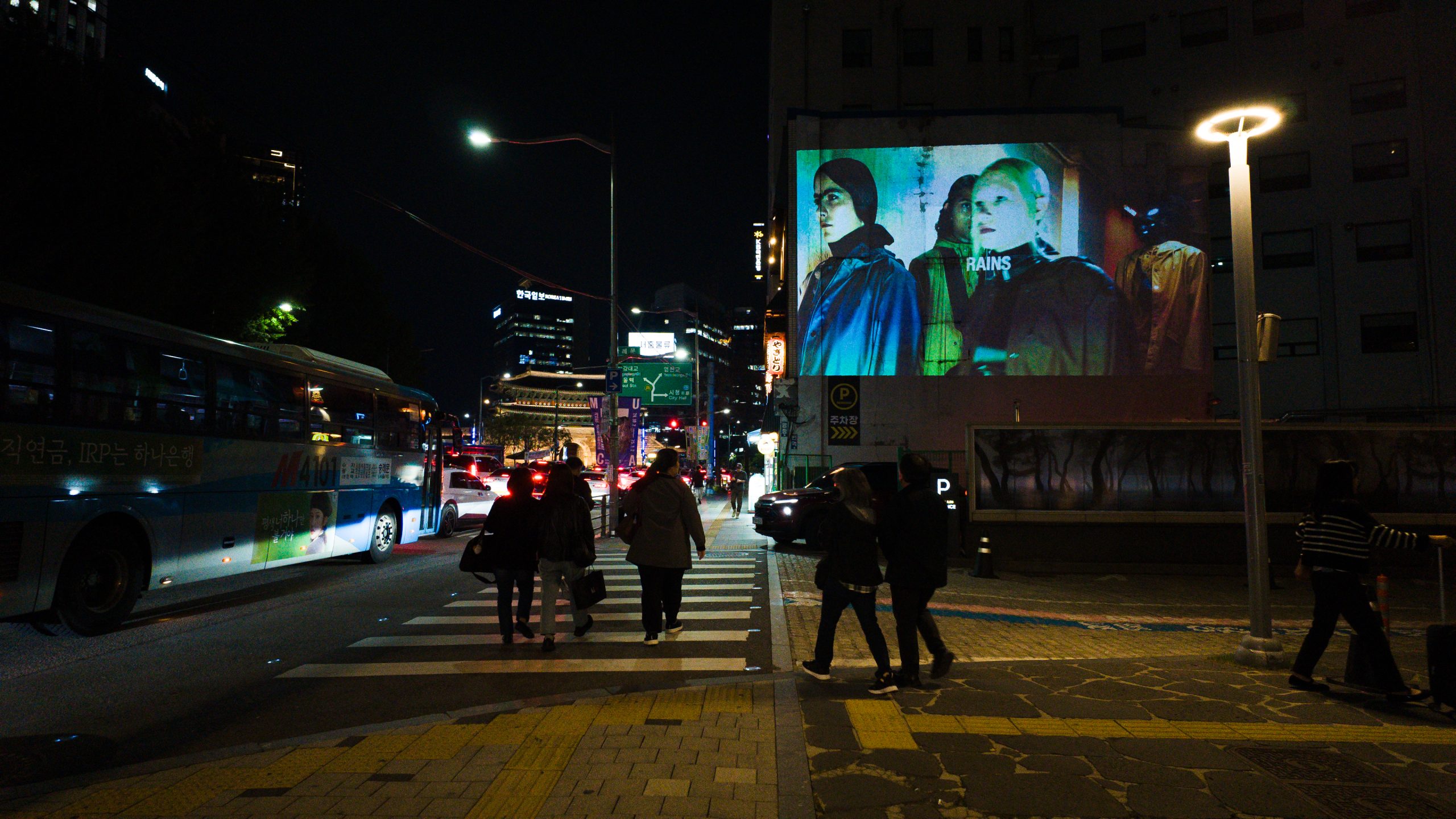
Every new market comes with its own rules, its own risks, its own learning curve. Here's what it actually takes to make it work, city by city.