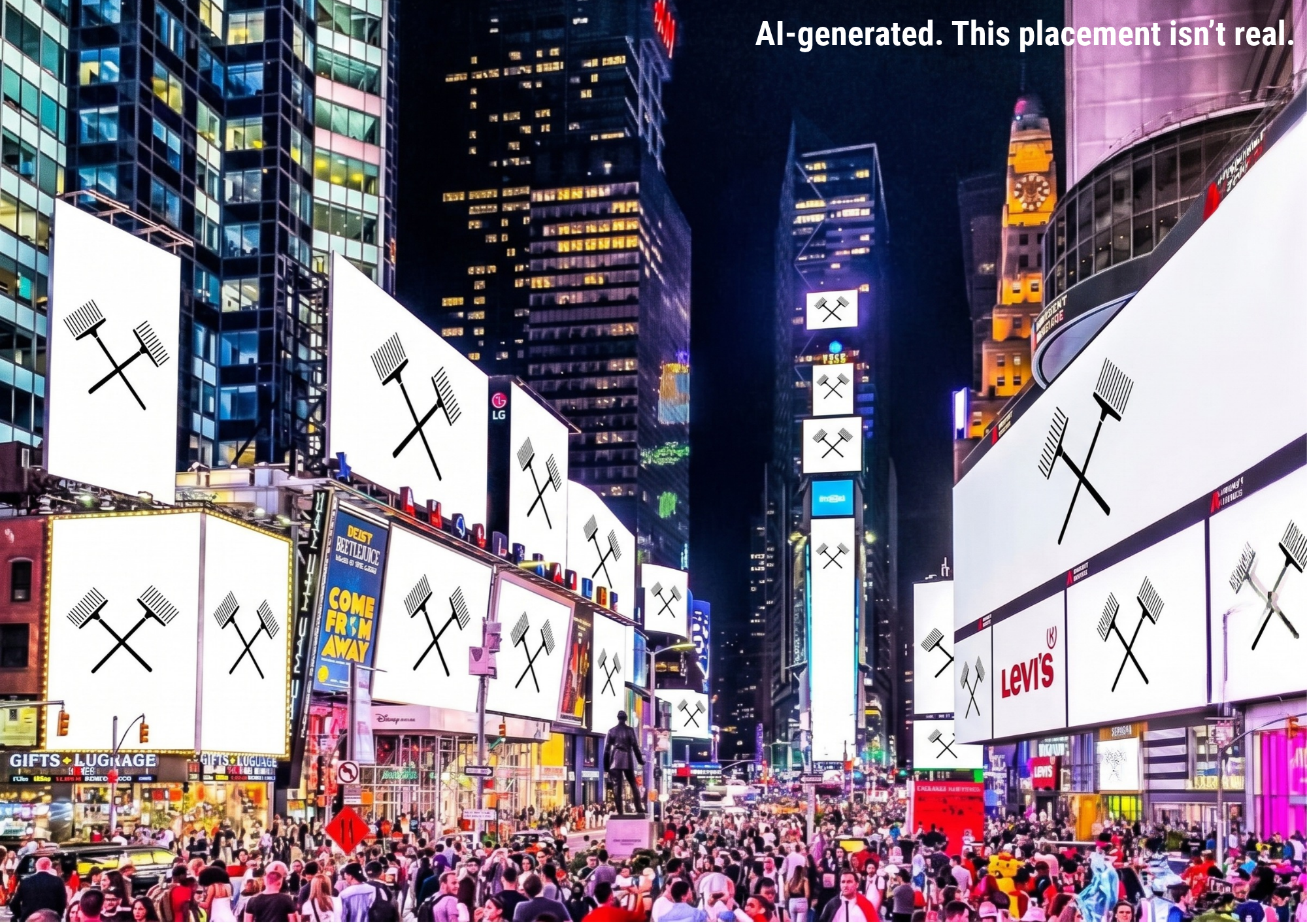
Faux OOH just got a rulebook. Now what?
CGI ads that never existed, built on people not being sure. Now the law says you have to tell them. Real for proof, fake for reach.
Why every campaign we put up gets photographed, and who each photograph is for.
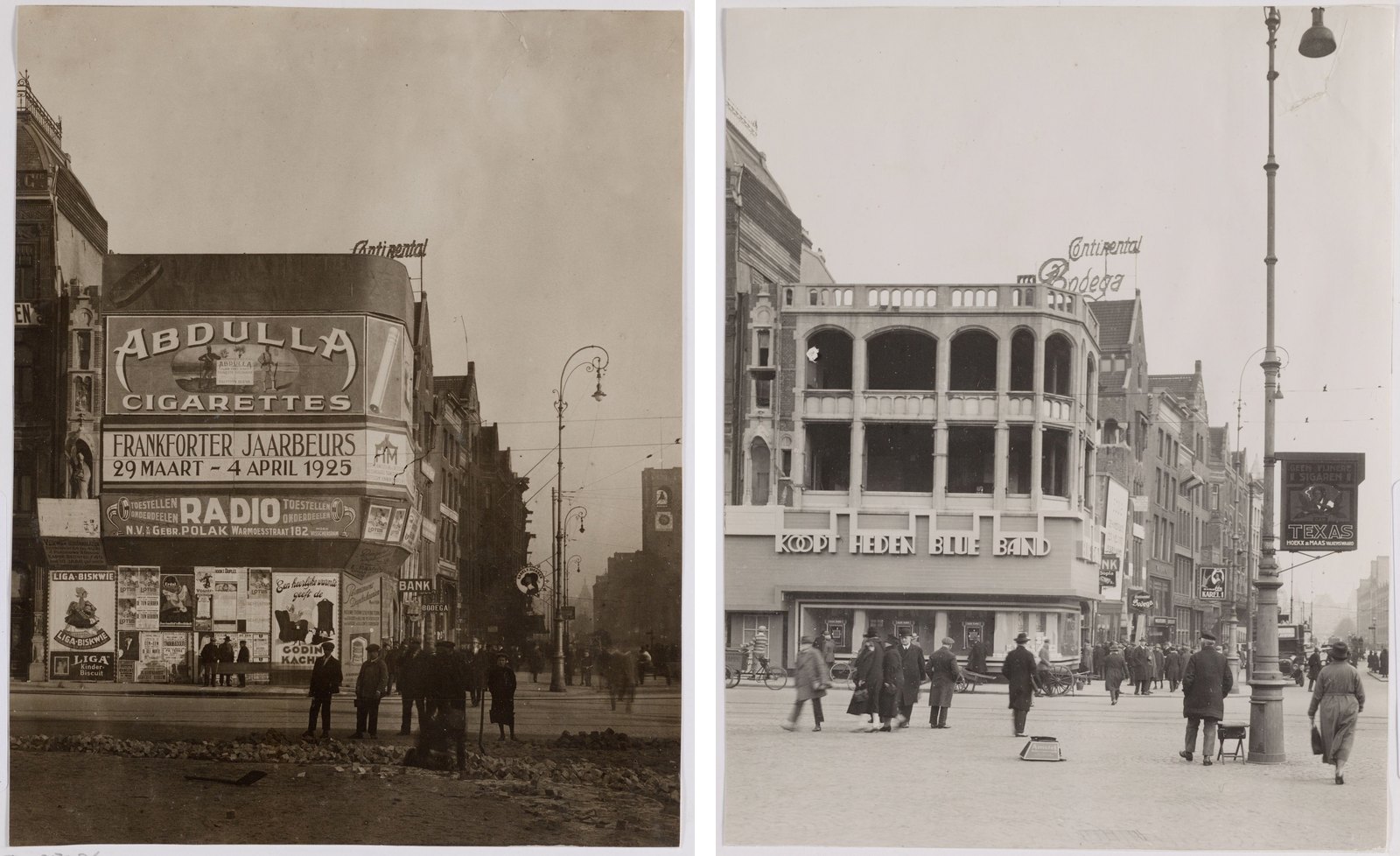
In the spring of 1925 somebody covered the corner of the Dam and the Damrak in paper. Abdulla cigarettes across the top. Below it the Frankfurt trade fair, 29 March to 4 April, and a board selling radios. Then a row of smaller bills along the hoarding at street level.
The fair closed on 4 April and the paper went the way paper goes. We still know exactly what that corner looked like, because somebody from the city came by with a camera.
The walls go. The photographs of them stay around for a century. This part of the series is about those photographs: who they are for, and why every campaign we put up ends up in one.
Part one traced where guerrilla marketing came from. Part two followed the poster war. Part three set out who says yes to a wall, and part four put booked out of home and the street side by side.
From at least the 1920s until well into the 1970s, Amsterdam’s building inspectorate had a department for advertising, the Afdeling Reclametoezicht. Its job was to judge how advertising looked on the city’s streets. Its main tool was a camera. The city still checks shop signs and façade advertising today.
The inspectors photographed a site, gave it a verdict and often came back to photograph it again. The Abdulla corner went into the file as afgekeurde reclame, rejected advertising. A few years later they photographed the same corner with a new building front.
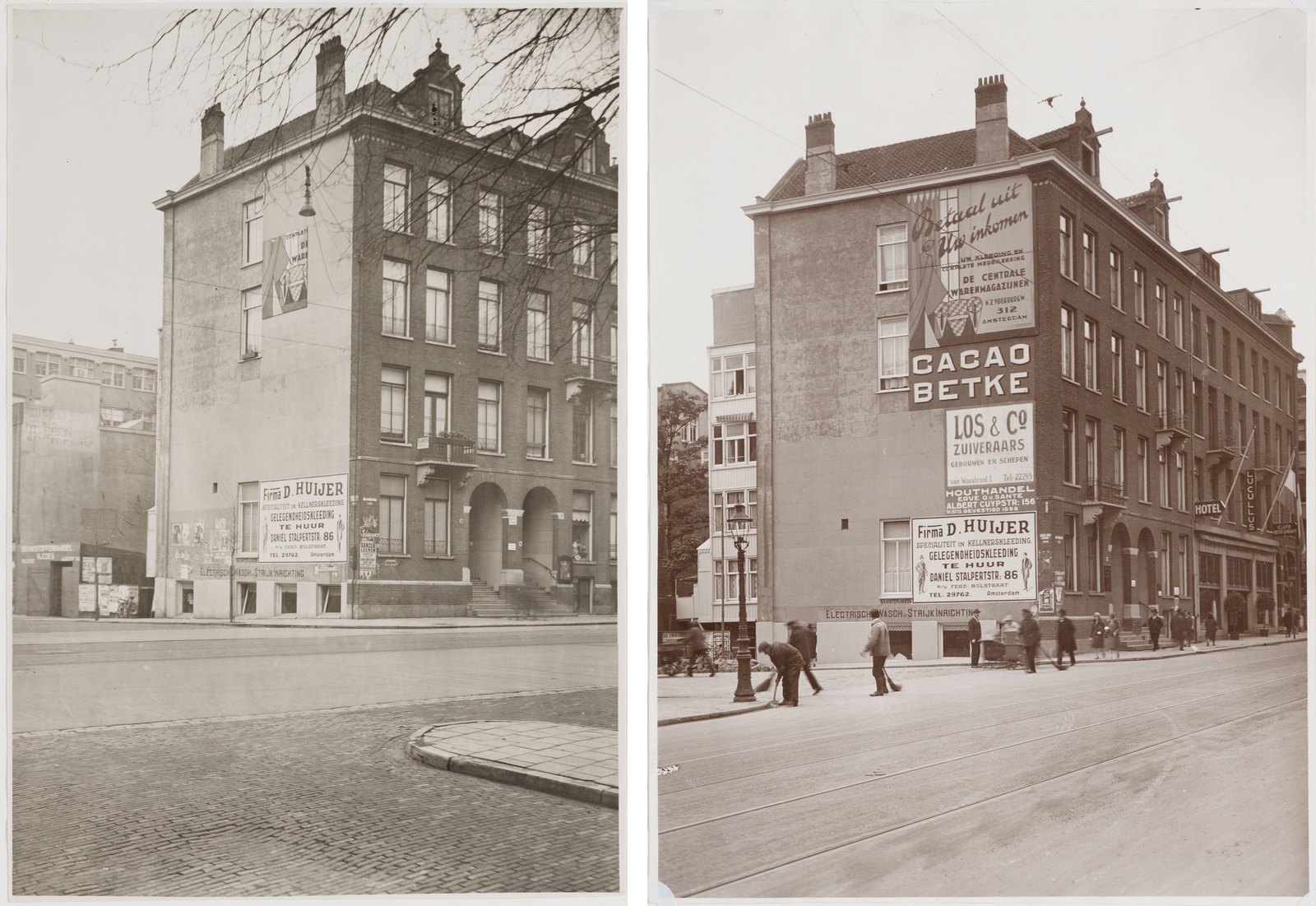
On the Van Woustraat they shot a blind wall in 1926 and filed it as unwanted. In May 1928 they were back. By then the wall carried boards for Cacao Betke and Los & Co above the bills at street level.
Well over a thousand of those photographs sit in the city archive today. They were made as evidence. That is what makes them useful now. A photograph taken to prove something has to show the whole thing, clearly, with a date on it.
We still photograph our own campaigns for much the same reason.
Paper on a wall is temporary by design. Rain gets to it, and if the rain doesn’t, somebody pastes over it or cleans it off.
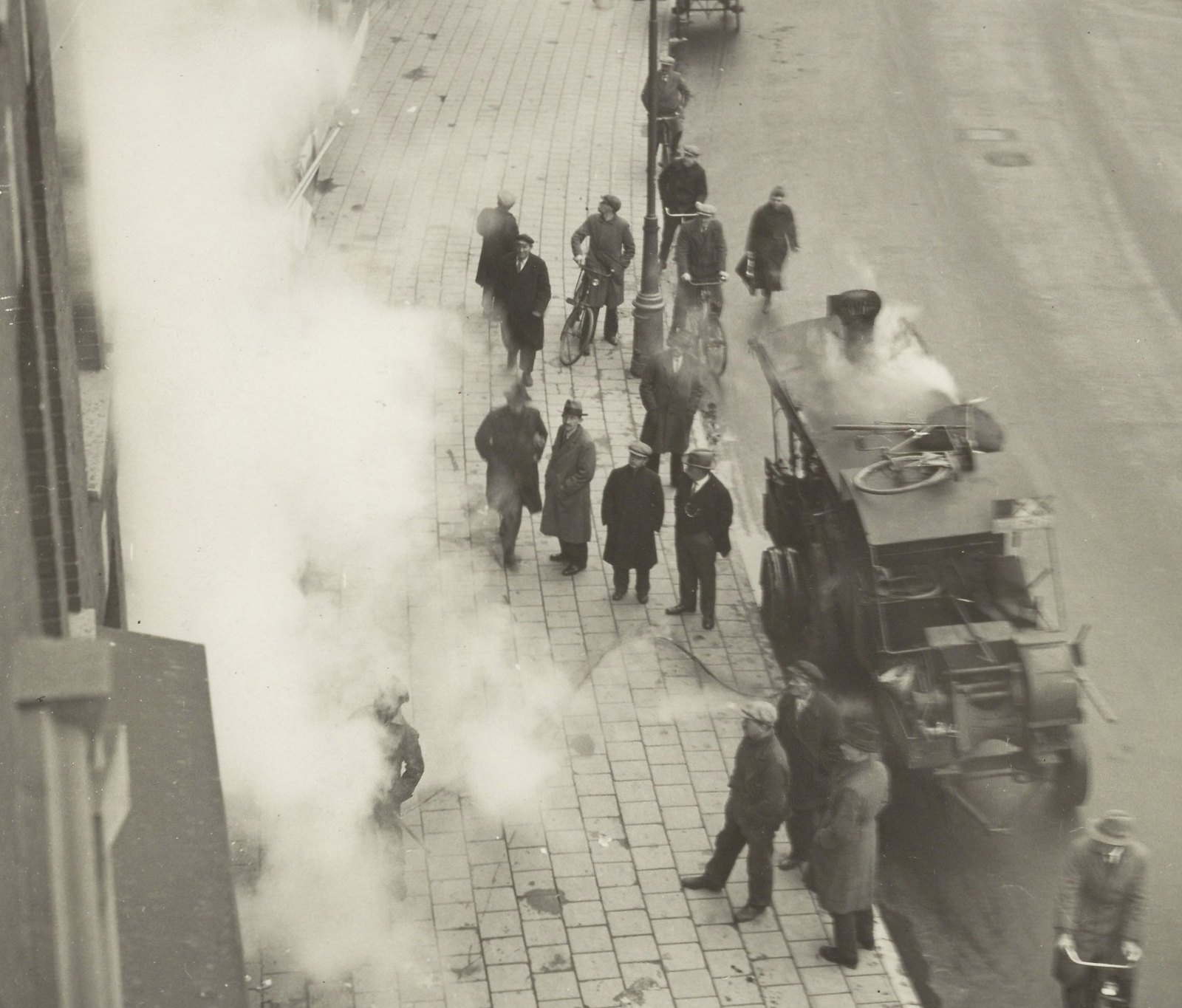
On 22 March 1934 the municipal cleaning department took the front of Nassaukade 150 back to brick with steam, and a photographer from Polygoon recorded the job. More than ninety years on, the posters are long gone. The photograph of them coming down is still here.
So a campaign lives twice. A few days on the street, then as long as anybody keeps the picture.
The first photograph we take of a campaign is for the client. It is also the least glamorous one.
A brand running a campaign across five cities cannot stand in front of every wall. So we photograph the placements, log each one with its location and its date, and hand them over as proof of placement. Did it go up where you paid for it, when you paid for it? That is all it has to show.
It keeps us sharp as well. A crew that knows its walls will be photographed pastes them properly.
Most brands make their own content. They have their own photographers and their own art direction, and when they want a hero shot for the feed, they send someone. Proof of placement is built for checking. It is plain on purpose.
For our first years we photographed nothing. The work was a cultural round in central Amsterdam: clubs and festivals. Posters went up for that week’s events and made way for the next. When the first commercial jobs came in, we handled them the same way. Up, done, nothing to show for it.
Paris did things differently. It had become the capital of commercial wild posting, and the operators there published photographs of their walls: big, clean, repeated sheets, shot square on. Those pictures did a lot of selling. They are a large part of how fashion brands in Amsterdam found out what the format could do.
The job that changed it for us was Patta. It started in Amsterdam and went on to Milan at the client’s request, and it was the first campaign we shot properly. Those photographs sold the next campaigns.
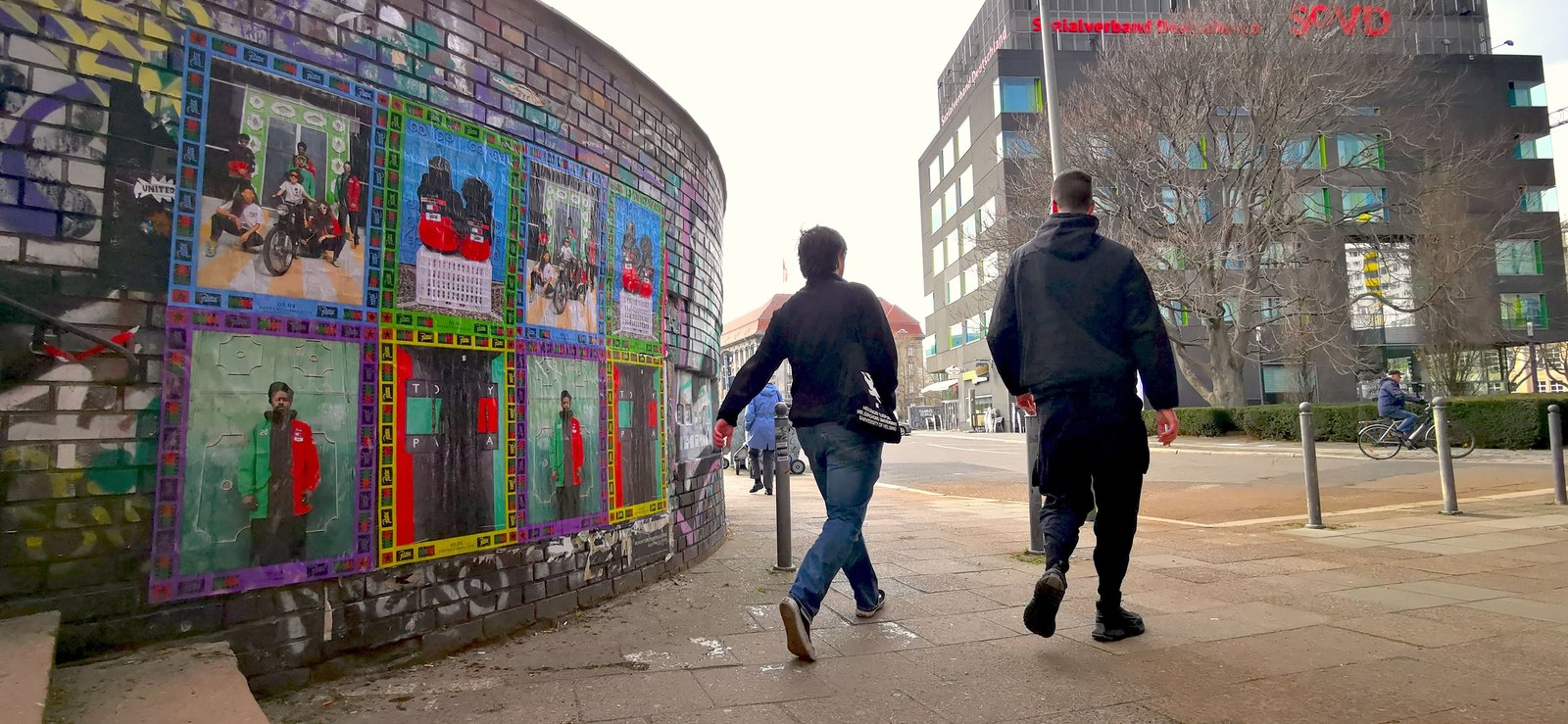
Nobody can visit last month’s wall. A prospect sees our work one way only, through somebody’s lens. The wall is the product, and the photograph is the part of it that travels.
The best photos end up on our own channels. They go on the case pages and into client proposals. And on blogs like this one 🙂
There is a third kind of photograph, and the Amsterdam archive has an early one.
Sometime between 1900 and 1910 a crew of pasters lined up at night for a group portrait, holding their posters up in front of them. This one was taken for pride. The crew wanted a picture of themselves with the work. We understand that one completely.
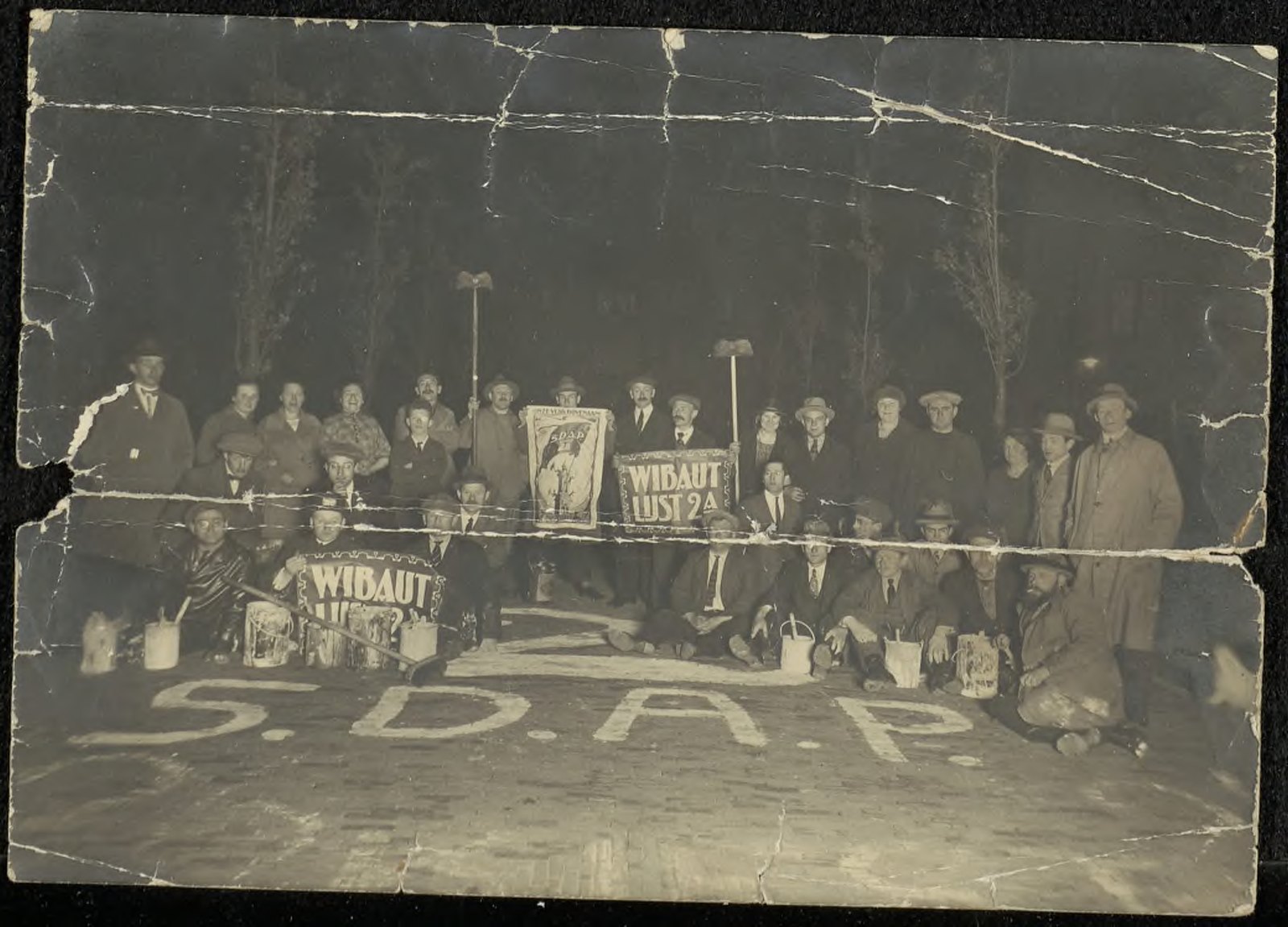
The archive is full of walls that only exist because somebody had a reason to point a camera at them. An inspector with a form. A newsreel company. A crew that wanted to be remembered. Our reasons are a client who needs proof and a company that needs to show what it does.
The posters we put up this week will be gone within the month. The photographs will still be here in a hundred years, if somebody keeps them. We intend to.
The wall comes down. The picture stays.
Part one, Part two, Part three and Part four.
Next, and last: what each format is actually for. We’ll keep you posted 😉
Images. Archive photographs, all Collectie Stadsarchief Amsterdam. The Dam, 1925 and around 1928, and the Van Woustraat, 1926 and 1928: Dienst Bouw- en Woningtoezicht, Afdeling Reclametoezicht, files 5221FO000014, 5221FO000015, 5221F2001295 and 5221F2001296. The Nassaukade, 1934: Polygoon, file ANWN00413000001. The pasters at night: file AANB05157000001. All other photographs Paper Trails. Campaign creative belongs to the brands shown.
CGI ads that never existed, built on people not being sure. Now the law says you have to tell them. Real for proof, fake for reach.
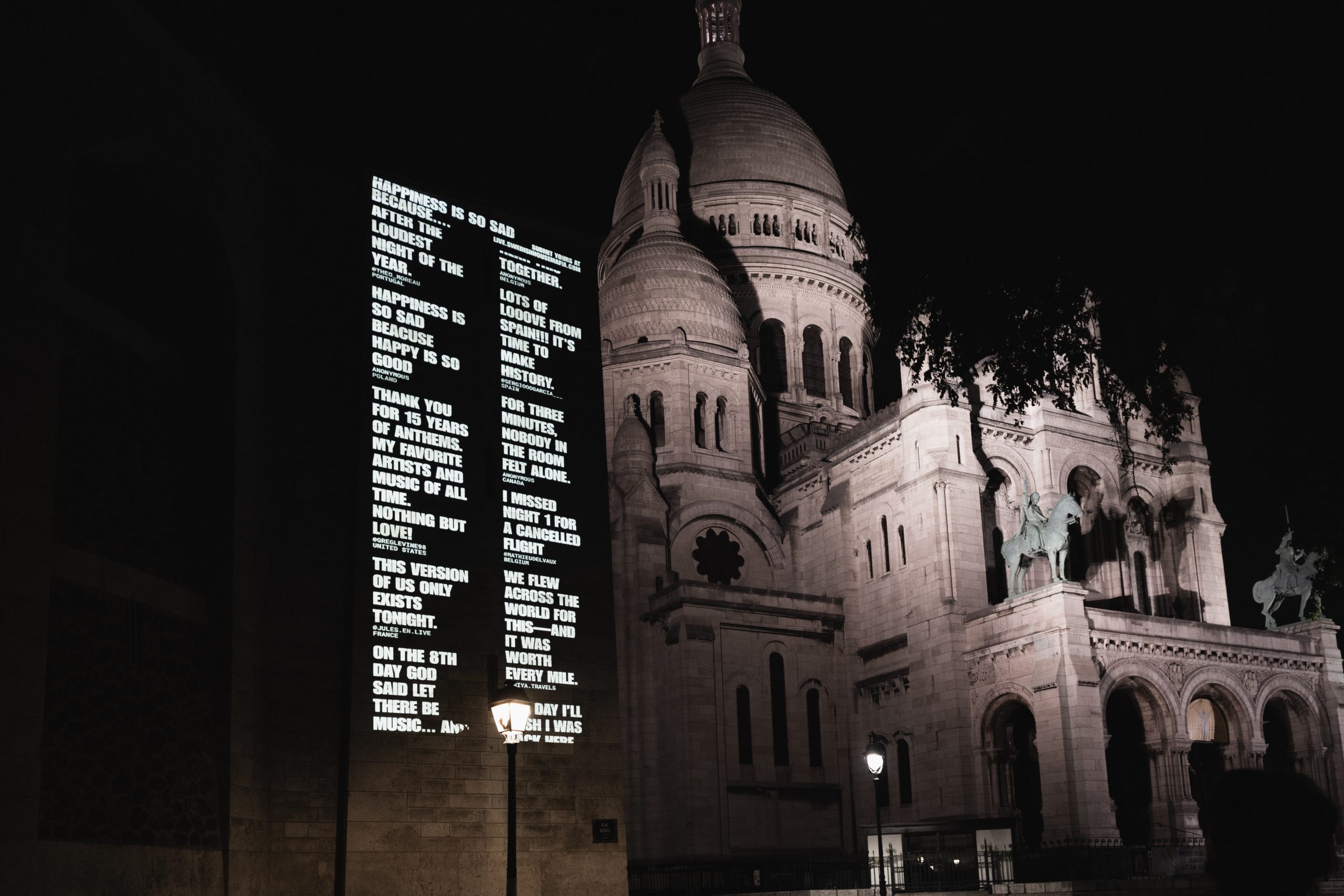
A logo on a building is just the warm-up. What a projection can do with place, sound and live interaction, and a silent disco idea for music clients.
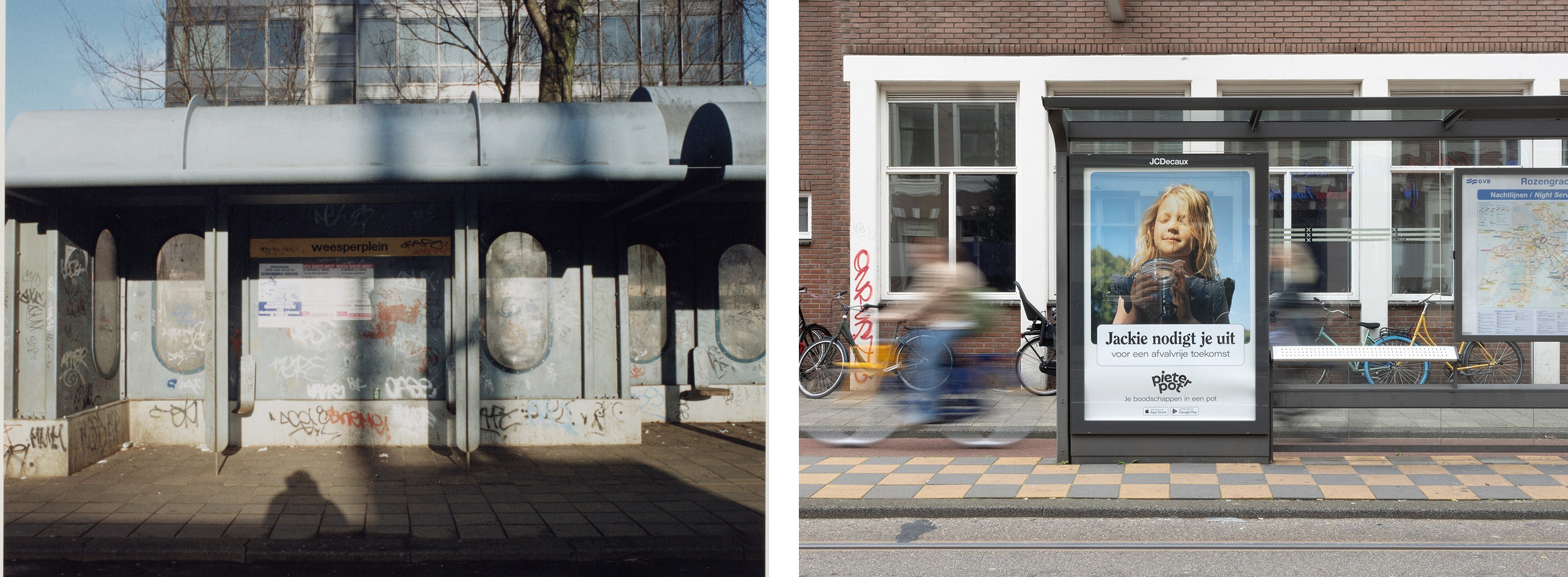
A bus shelter arrives in a city and the city pays nothing for it. Who owns the furniture, what each route costs, and why almost no city will tell you what it earns.
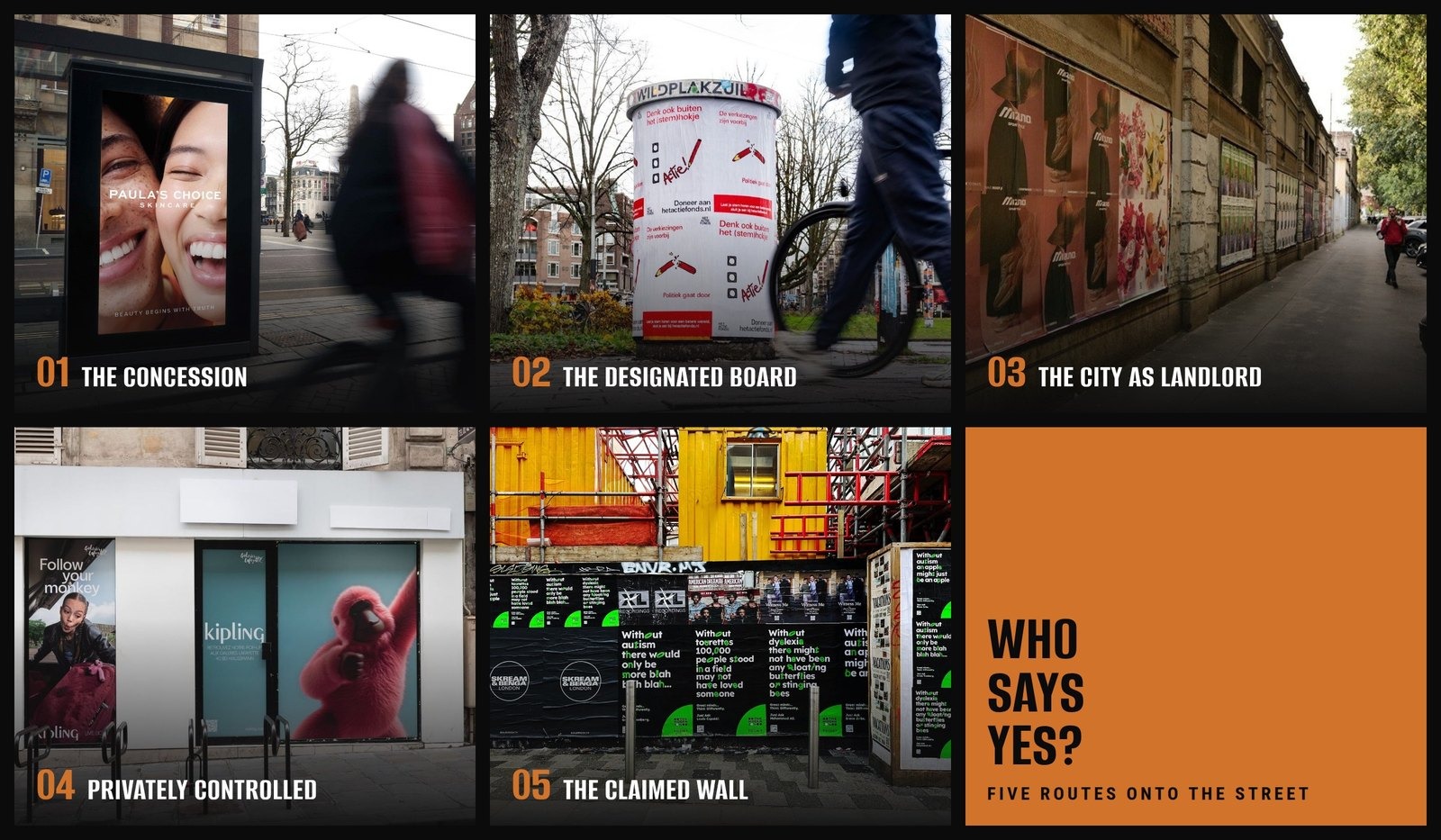
Five ways onto a street, and only four involve somebody saying yes. Who owns the surface, who to ask, and who pays when nobody did.
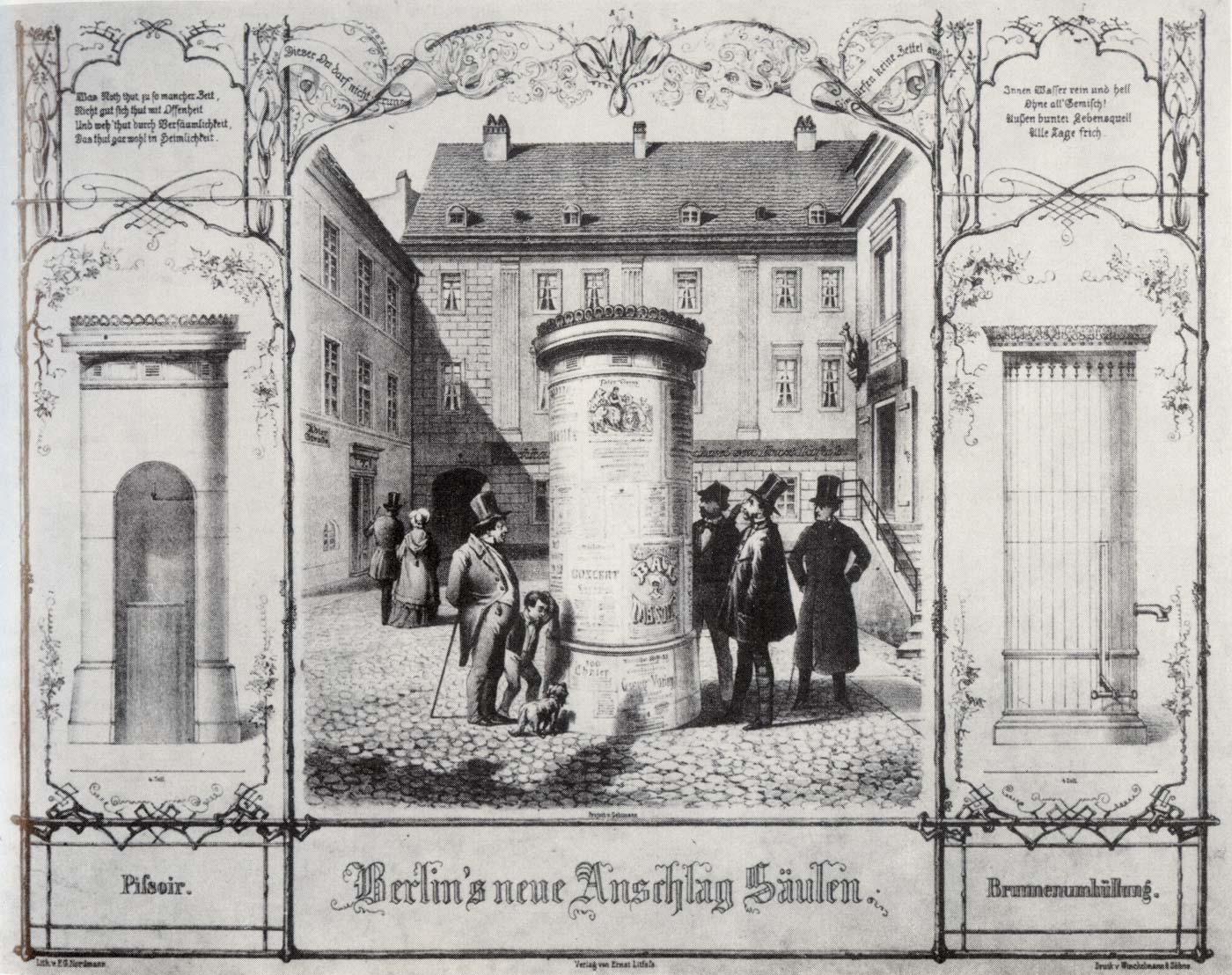
Two Amsterdam poster crews went to war over walls neither of them owned. And then, one of them got a licence from the authorities.

Guerrilla marketing was named in 1984. Amsterdam archives show us the trade is a century older. From an 1875 complaint to a wall for rent in 1915.
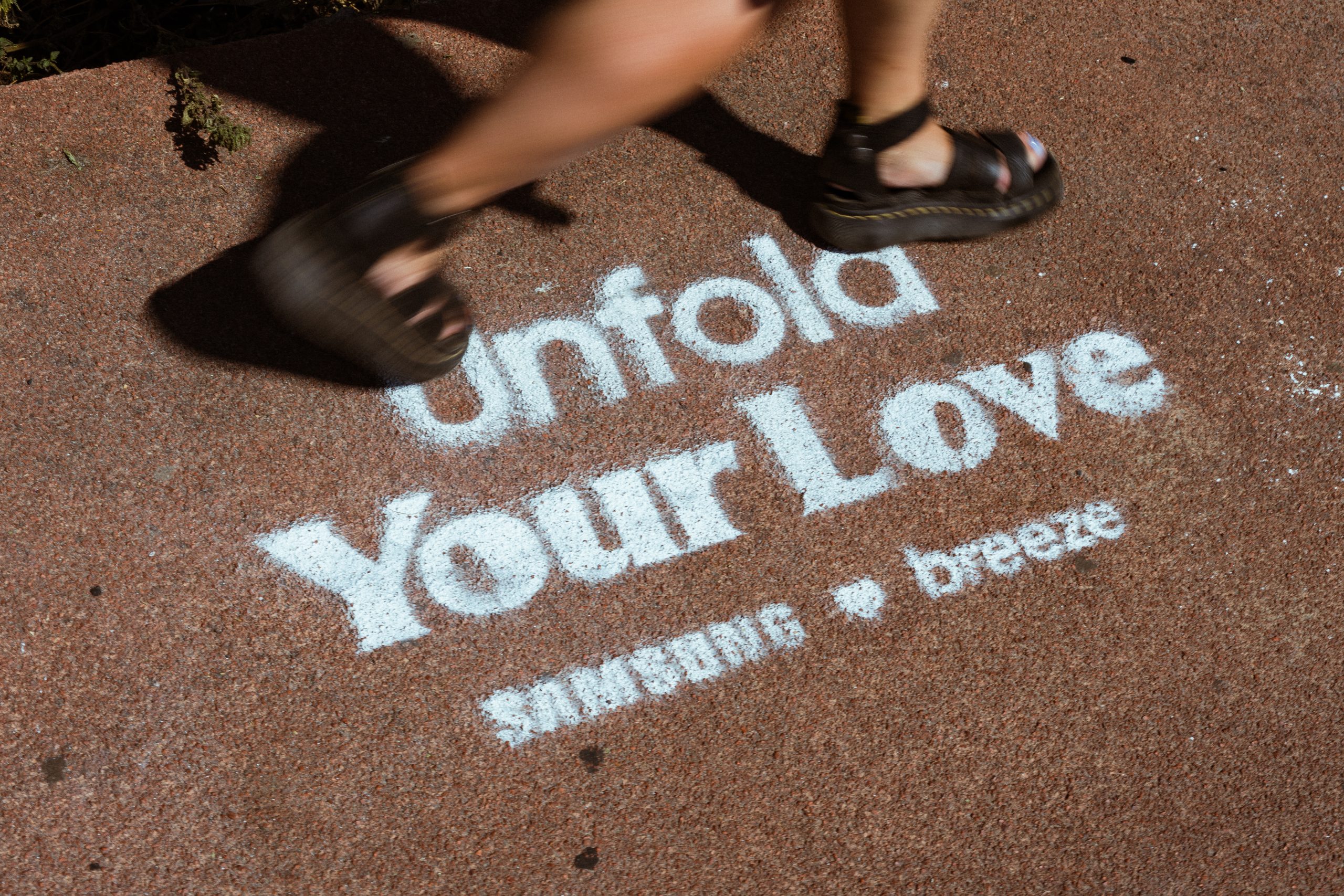
Reverse graffiti, green graffiti, chalk stencils: clients mix them up all the time. Here is what each technique is, how long it lasts, and how to brief correctly.
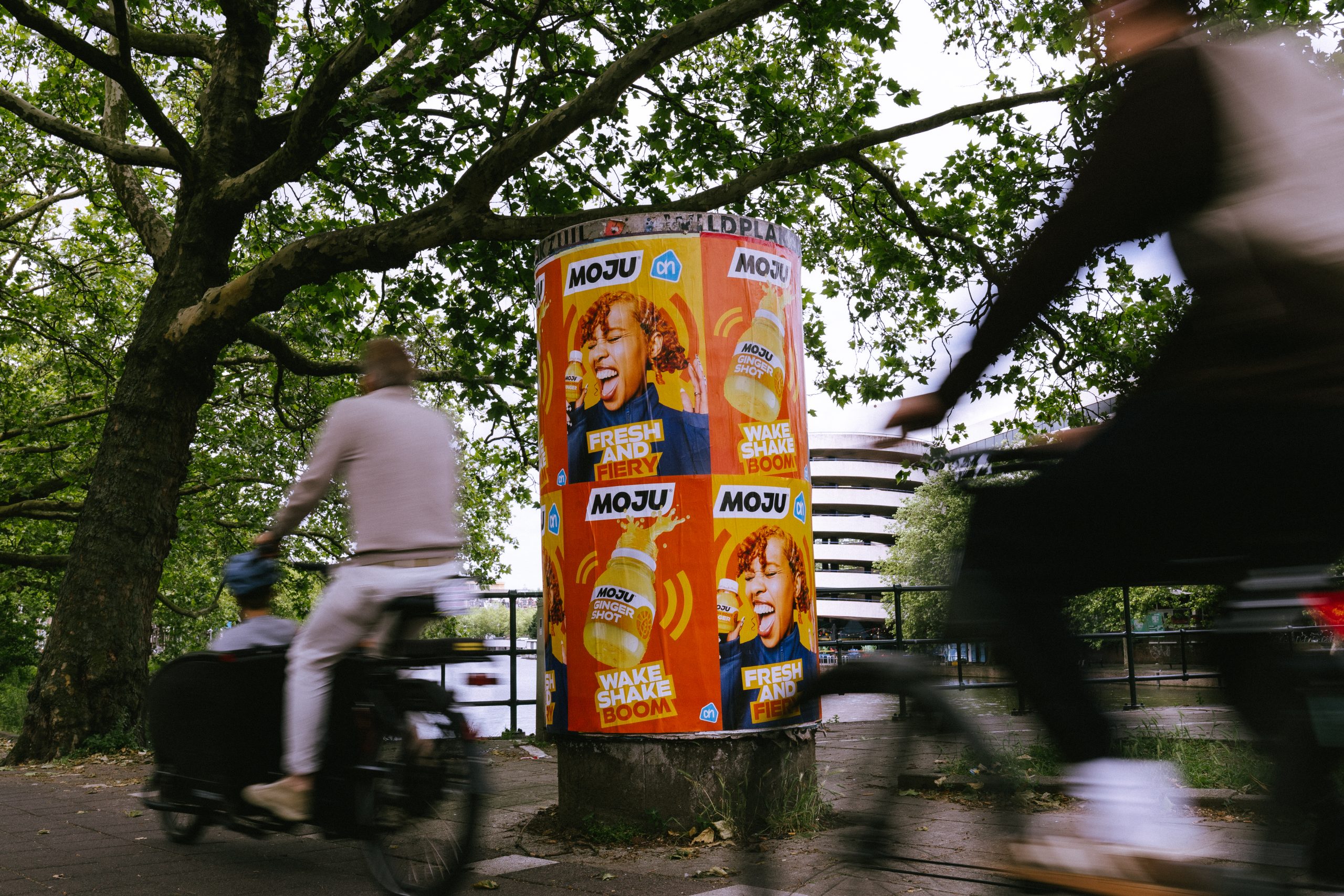
MOJU, Le Smash and JUNI all prove the same thing: the right streets make a small brand impossible to miss. Here's how each one did it.