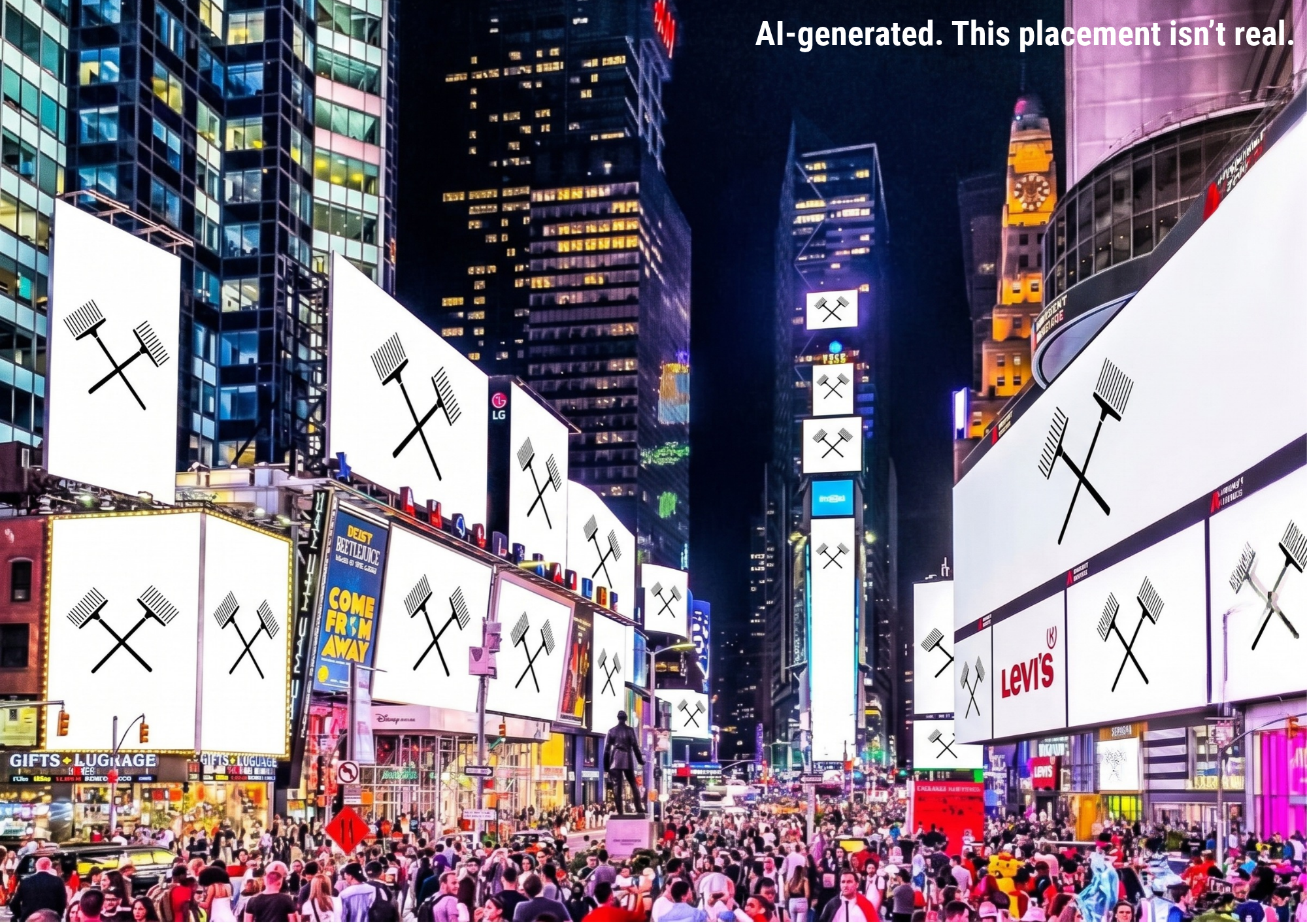
Faux OOH just got a rulebook. Now what?
CGI ads that never existed, built on people not being sure. Now the law says you have to tell them. Real for proof, fake for reach.
Every advertising surface on a European street was obtained one of five ways, and only four of them involved somebody agreeing. No city offers all five. France is the one place that writes down who pays when nobody did.
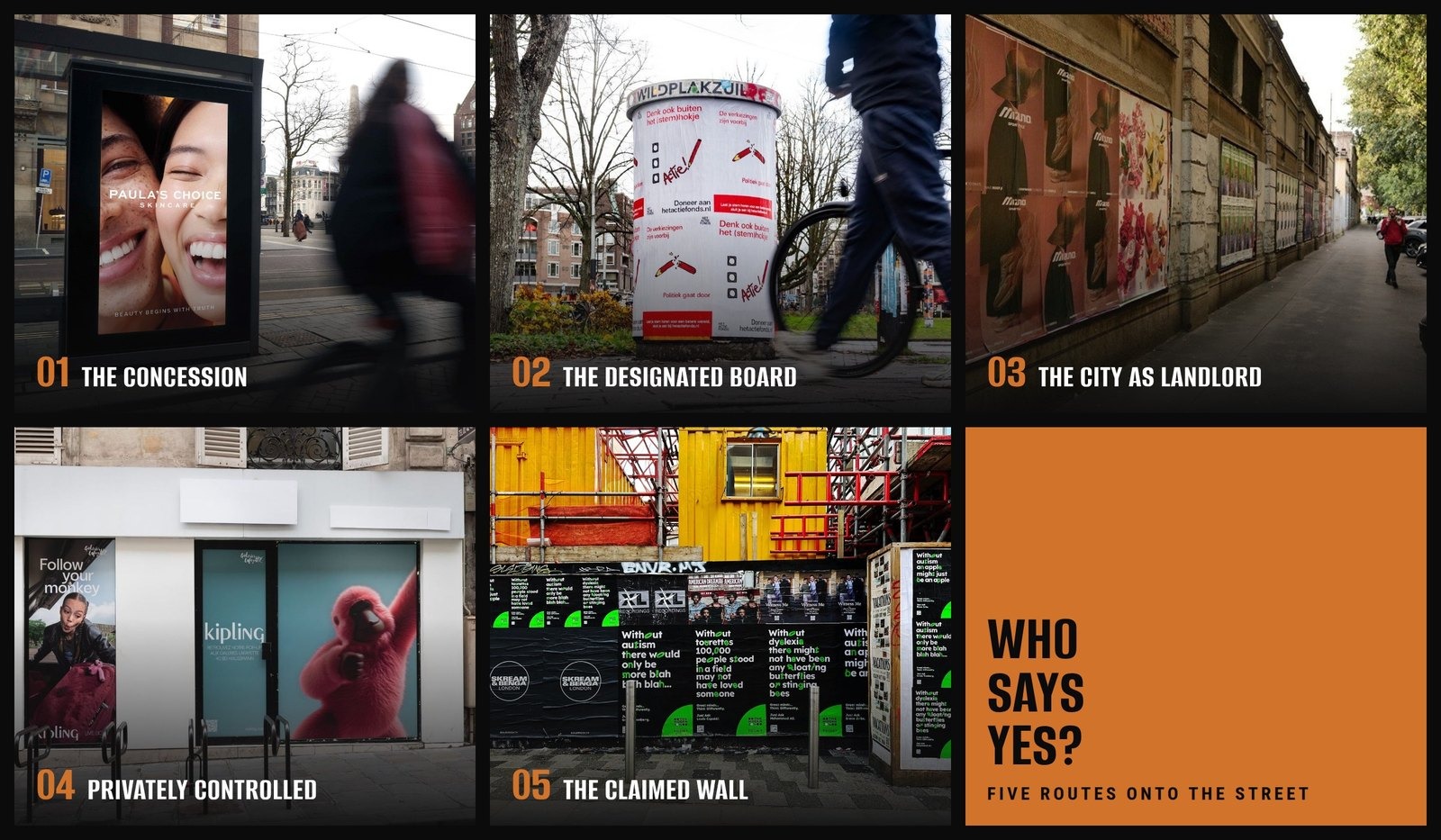
Walk a few hundred metres of any shopping street and you pass a dozen advertising surfaces. A lit panel at the tram stop. A free posting column. A wall of bills along the side of a municipal building. Vinyl across a shopfront. A grid of the same poster repeated over the boards of an empty unit.
They read as one medium. Underneath, each one was obtained in a different way, and there are five ways in all. Four of them involve an owner who agreed. One does not, and that is the one this whole series is about.
Nobody on that pavement can tell the difference, and there is no reason they should. That is the normal condition of a street. It is also why campaigns get planned as though the street were a single thing you could buy.
One thing to say before the list, because it is the part that catches people out. No city offers all five. The Italian arrangement in route 03 does not exist in the Netherlands. The French mechanism underneath it does not exist in Italy. Which routes are open to you is a question about where you are standing, which is why a plan that worked in one city stalls in the next. The photographs below come from four countries for that reason.
Part one traced how the street became an advertising medium. Part two followed the cycle every city runs around wild posting. Both of them said a line exists between the authorised route and the unauthorised one, and that the line moves. This is where the line actually sits.
A city sells the exclusive right to sell advertising on its street furniture, usually for years at a time and usually for very large sums. The operator’s name is printed on the housing. You buy from the operator, the city has already been paid, and everything about it is settled in advance: the sites, the sizes, the dates, the price. Long lead times and no ambiguity.

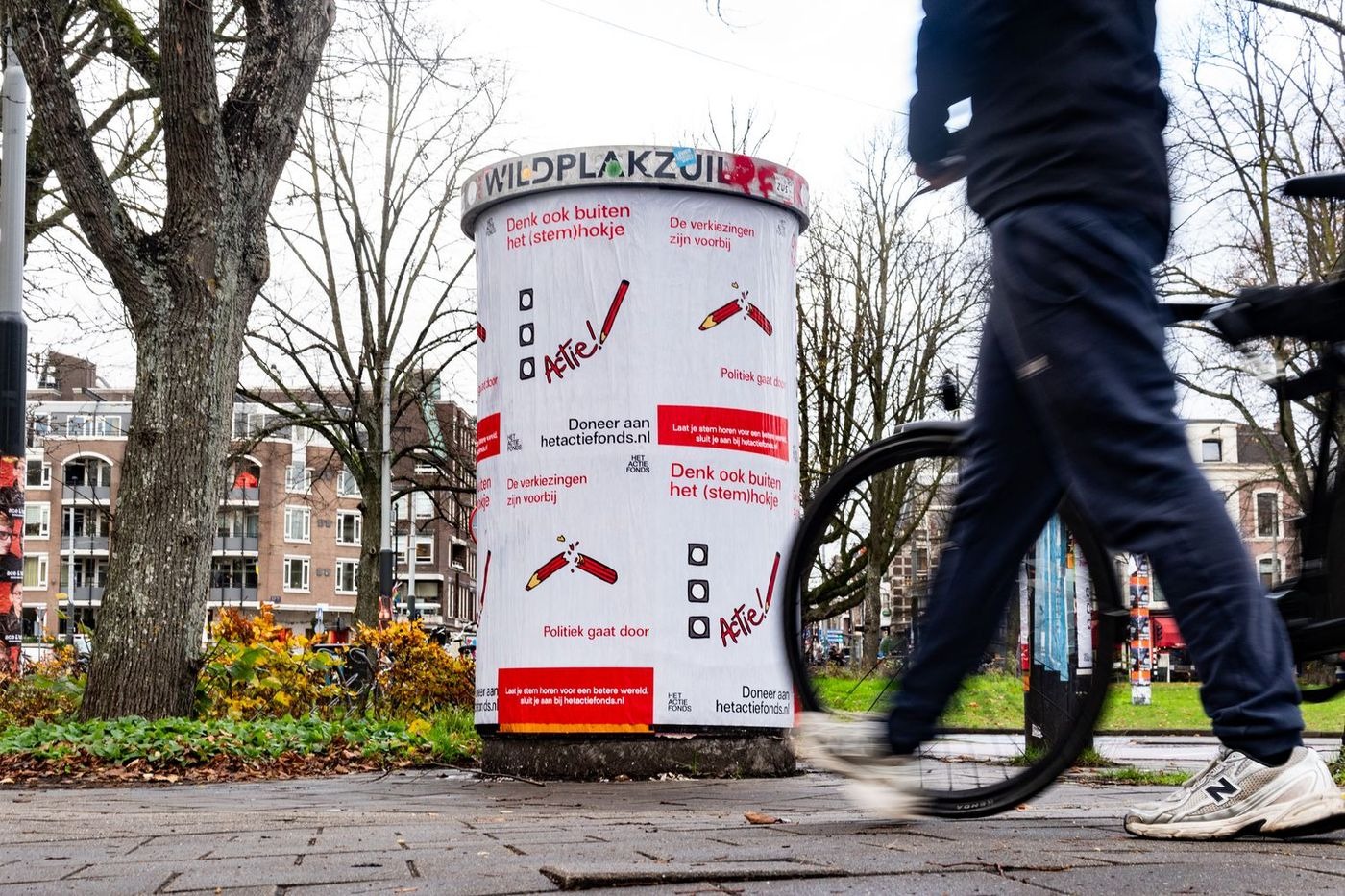
Most cities keep some free posting places, so that notices and public expression have somewhere to go. What is allowed on them is decided by the city, and a commercial campaign is usually not what they were put there for. It is a route that exists. It is rarely a route a brand can use.
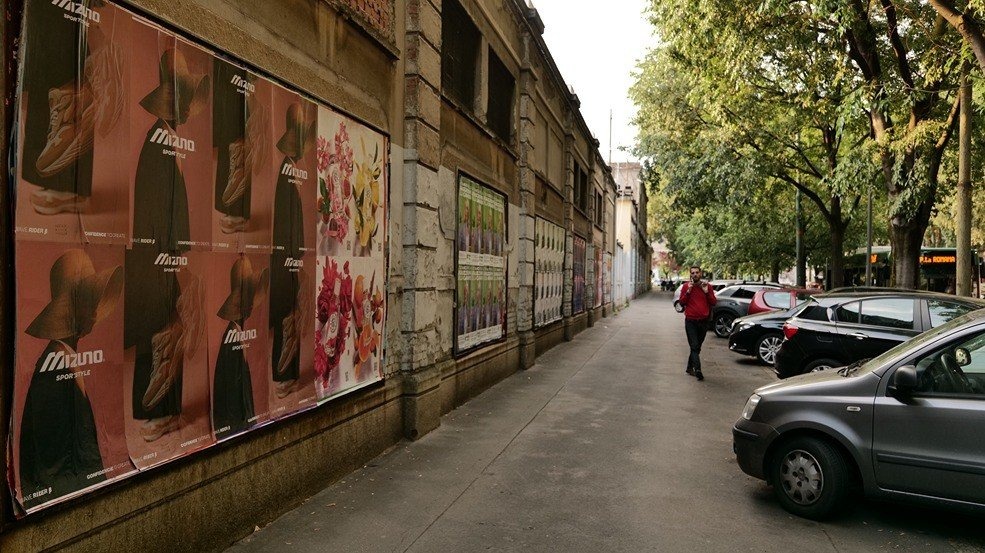
This one surprises people. Separately from whatever a city forbids, it also owns property, and it can let the surfaces on that property like any other landlord. Those are commercial agreements rather than public permissions, and they run on a different track from the rules the same city writes for everybody else. One institution can be the regulator on one side of a street and the lessor on the other.
Italy is the clearest case. In a number of Italian cities the poster wall belongs to the commune outright. The city owns the surface, runs the posting service, sets the tariff and sends its own crews out with the paste. You book the space and you pay the city. What is allowed there is decided city by city: Florence keeps its own service for institutional, social, cultural, sporting and philanthropic notices with no commercial value in them. Other cities sell to brands. We buy on that route in Milan.
France does a grander version of the same idea. Under article L. 621-29-8 of the Code du patrimoine, the owner of a listed monument can sell advertising on the sheeting around the scaffolding while the facade is being restored, and the revenue has to go into the restoration itself. Where the monument belongs to the city, the city is landlord, beneficiary and regulator at the same address. Those enormous wraps on churches and civic buildings are a funding mechanism with a picture on it.
What the two have in common is the counterparty. No operator sits in the middle taking the booking. You are asking the owner, and the owner is the city.
Buildings, shopfronts, vacant units, scaffolding, hoardings around a site. Every one of them has somebody entitled to say yes, and finding out who that is can take longer than the campaign runs. A hoarding belongs to whoever holds the site, for exactly as long as they hold it. A shopfront belongs to the tenant, or the landlord, or both, depending on the lease.
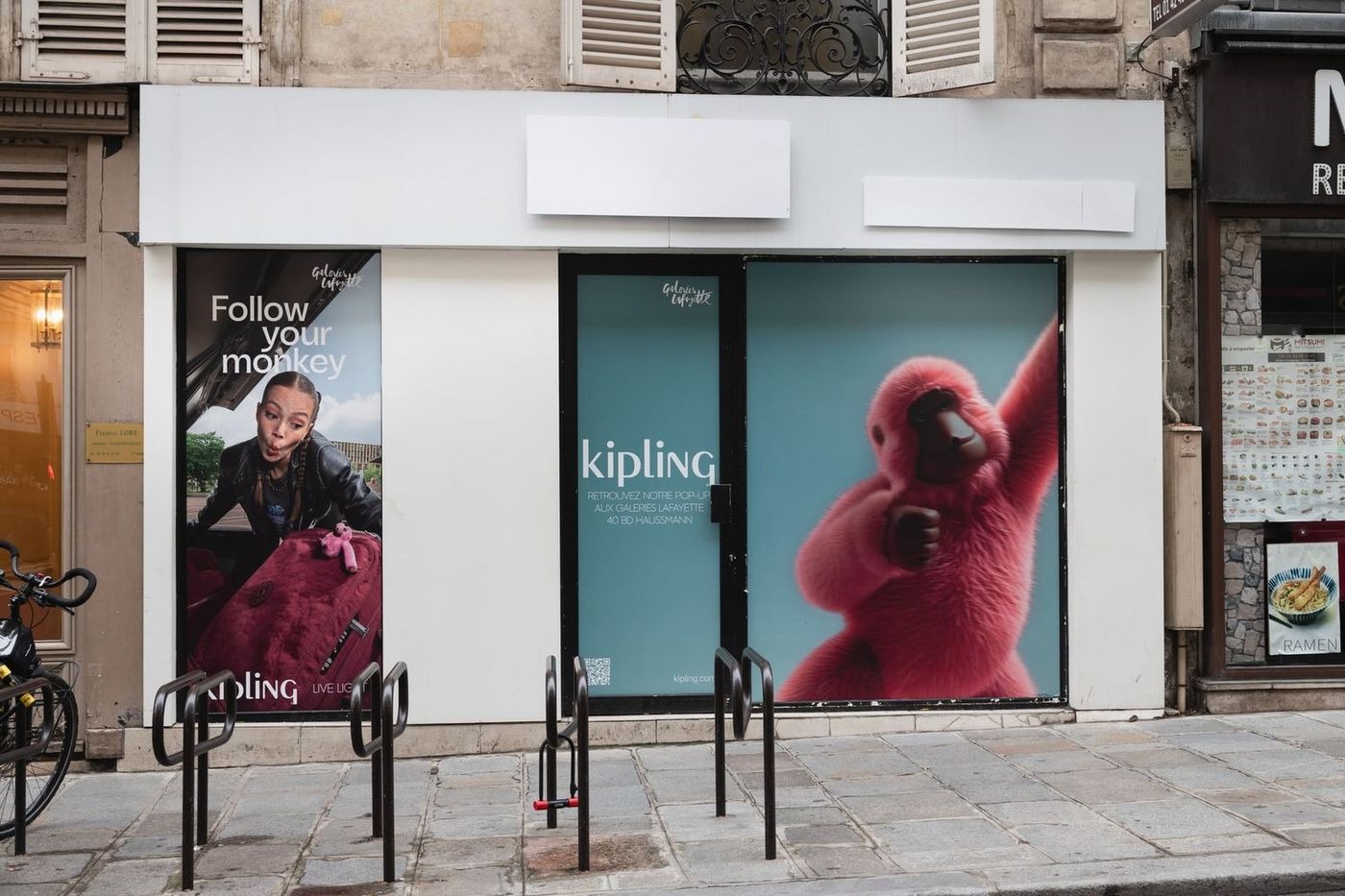
Nobody says yes. The surface is taken rather than granted, and that single difference separates this route from the four above it. No contract, no lead time, no counterparty.
The last one is what matters. Every route above has somebody on the other side of the transaction, which means somebody who can be asked, held to something, or blamed. This route has nobody. So the consequences land on whoever is left standing: the crew that pasted it, and the brand on the poster.
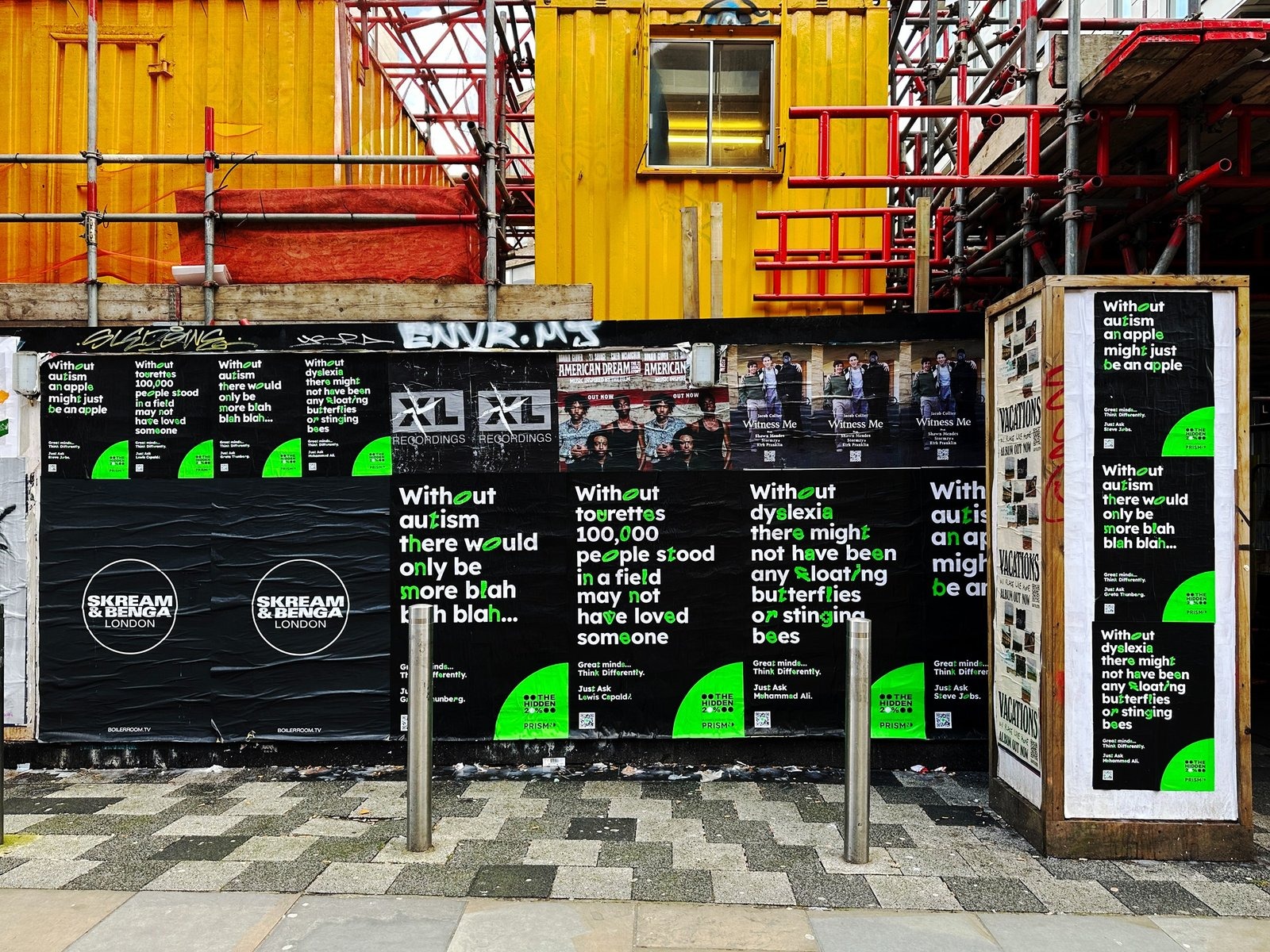
Part two followed what cities do about this, decade after decade.
The law along a street is the same from one end of it to the other. The ownership changes every few metres. That is why the answer to whether you can run here changes with it.
Route 05 is where this stops being an ownership question. Every route in this article carries risk, and what separates them is who the risk lands on. France has made that unusually explicit.
Under the Code de l’environnement, liability for unauthorised posting runs in an order. First the crew that pasted it. Then the party for whose benefit the advertising was made. When the crew cannot be identified, the invoice goes to the brand on the poster.
France wrote that order into its environmental code, which makes it the clearest place to read what an advertiser is actually exposed to.
Paris has been using it. Since 1 January 2024 the city has held the power to issue administrative fines for affichage sauvage, at 1,500 euros per poster. By the end of August 2025 it had issued around 4.5 million euros of them, against 122 advertisers and companies. Audemars Piguet, Burberry, Nike, Sony and Warner have all been named in the French press.
In August 2024 it went further than fines. A Paris court convicted a posting company over around twenty operations carried out between 2017 and 2021, fined the company and its director, and ordered the judgment published on the company’s own website and in Le Parisien. The City of Paris joined the case.
For a brand planning a campaign, the order matters more than the numbers do. In the French framework the advertiser sits second in line by design, written into the code.
Five ways onto a street, four owners, and one that never asked.
Most campaigns are already a mix of these routes. Very few are planned that way. The work is deciding, surface by surface, which route each part of a campaign should run on, and knowing who to ask in a city where the ownership changes every few metres.
In Paris we have built the authorised route out as a product, with permitted wallscapes negotiated building by building. Elsewhere, the mix is the conversation we have with clients before anything goes up.
Next: the deal behind the billboard. Then why we photograph every campaign, and what each format is actually for. We’ll keep you posted 😉
The liability hierarchy under the Code de l’environnement: Le Club des Juristes.
Paris fines, the 1,500 euro rate, the transfer of the fining power on 1 January 2024 and the 122 advertisers and companies penalised: CB News, 29-08-2025, CNews, 29-08-2025 and Stratégies, all reporting City of Paris figures.
The August 2024 conviction: Résistance à l’Agression Publicitaire.
The Italian pubbliche affissioni service, where the comune owns the surfaces and carries out the posting against a tariff paid to the city, and the content limits one city sets on its own: Comune di Firenze.
Advertising on scaffolding sheeting around listed monuments, article L. 621-29-8 Code du patrimoine: Ministère de la Culture.
Images. All photographs Paper Trails. Campaign creative belongs to the brands shown.
CGI ads that never existed, built on people not being sure. Now the law says you have to tell them. Real for proof, fake for reach.
A bus shelter arrives in a city and the city pays nothing for it. Who owns the furniture, what each route costs, and why almost no city will tell you what it earns.
Two Amsterdam poster crews went to war over walls neither of them owned. And then, one of them got a licence from the authorities.

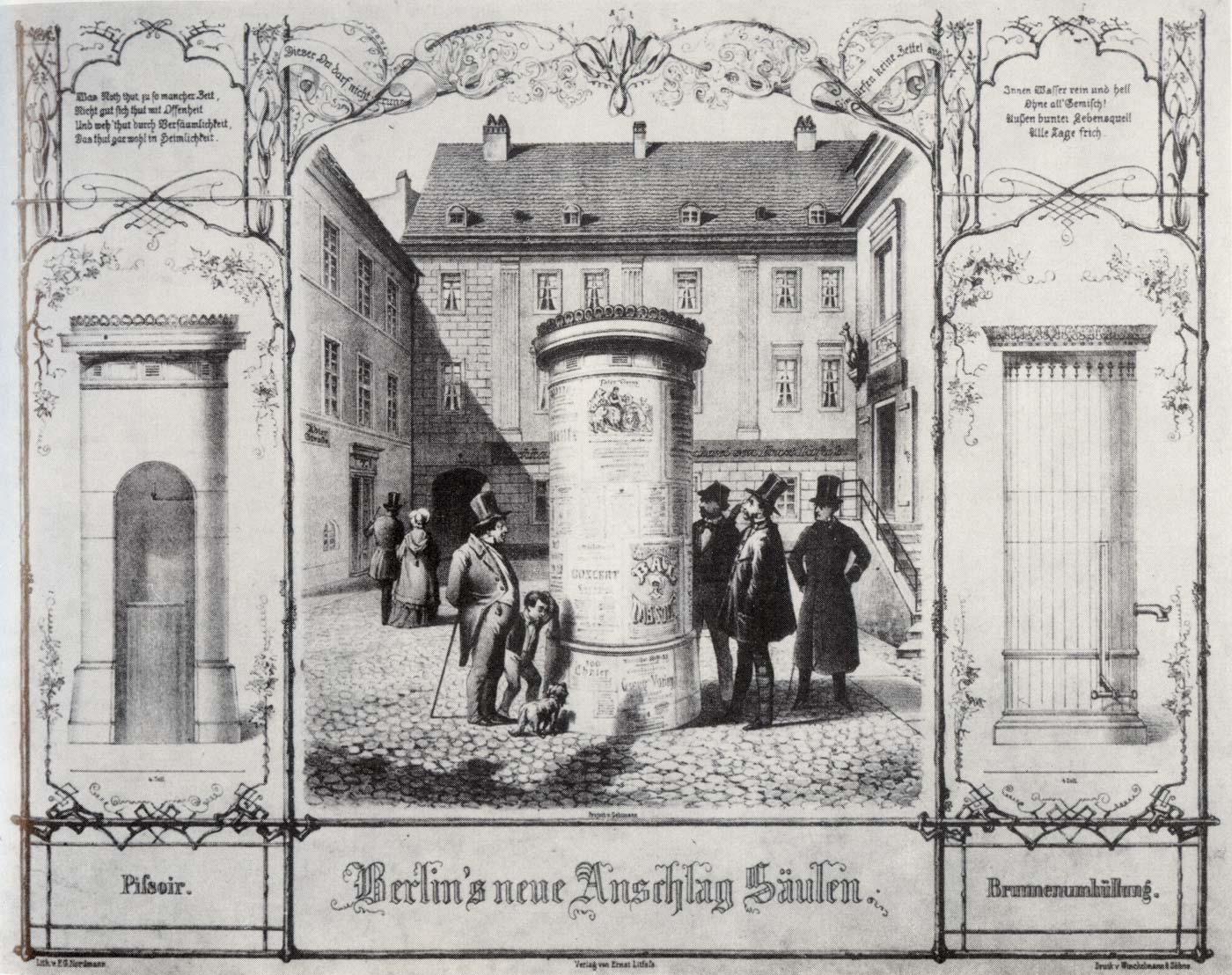
Guerrilla marketing was named in 1984. Amsterdam archives show us the trade is a century older. From an 1875 complaint to a wall for rent in 1915.
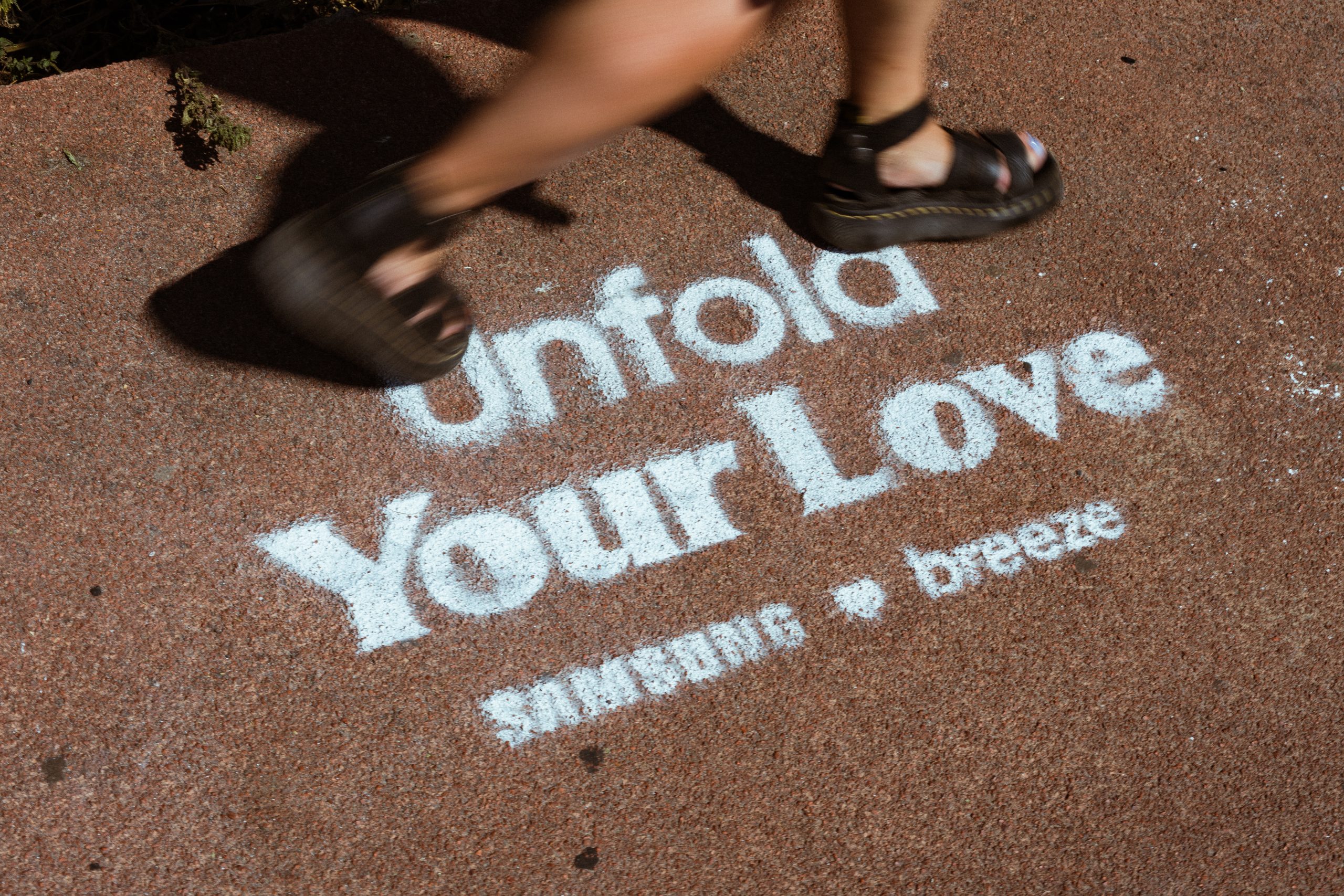
Reverse graffiti, green graffiti, chalk stencils: clients mix them up all the time. Here is what each technique is, how long it lasts, and how to brief correctly.
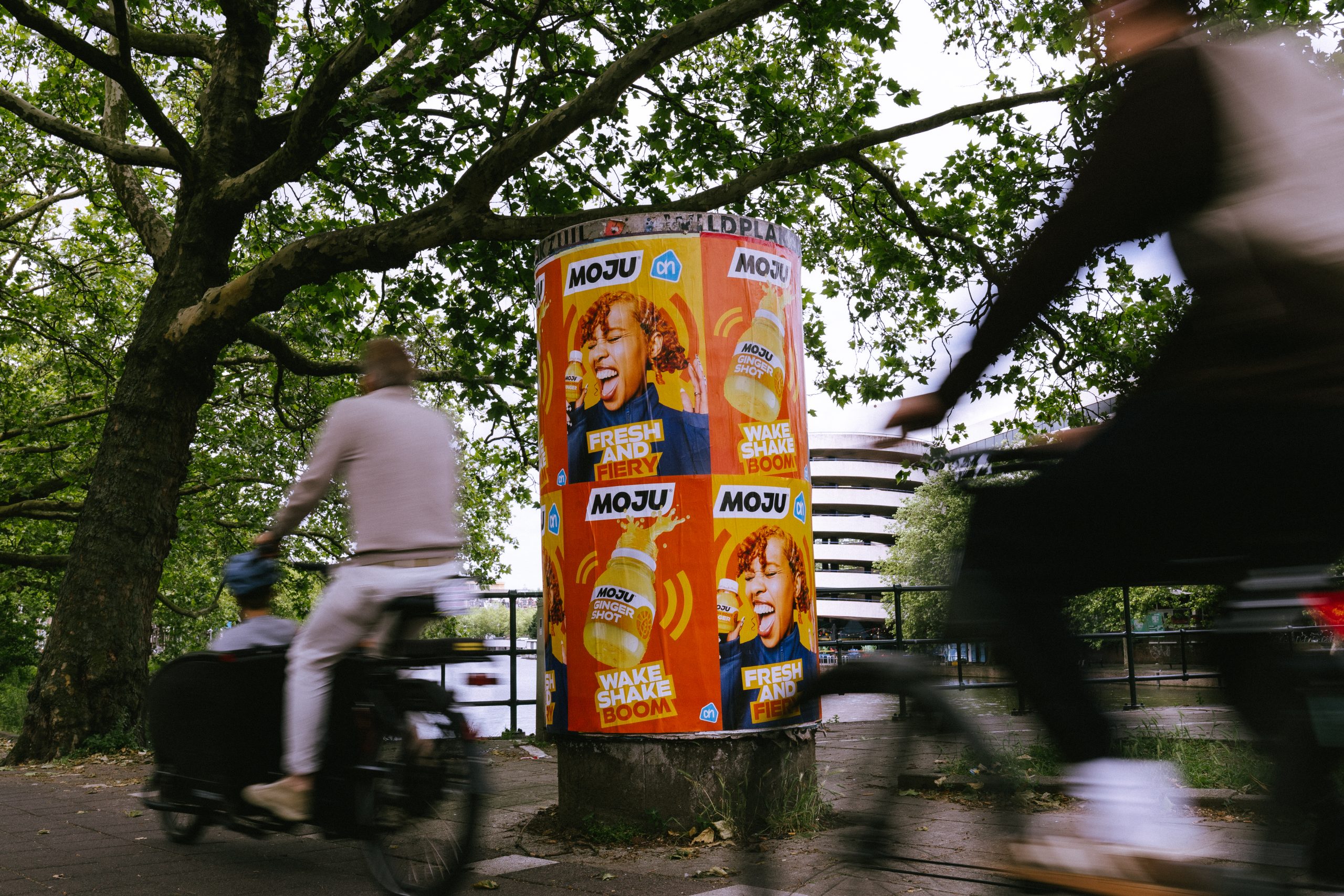
MOJU, Le Smash and JUNI all prove the same thing: the right streets make a small brand impossible to miss. Here's how each one did it.
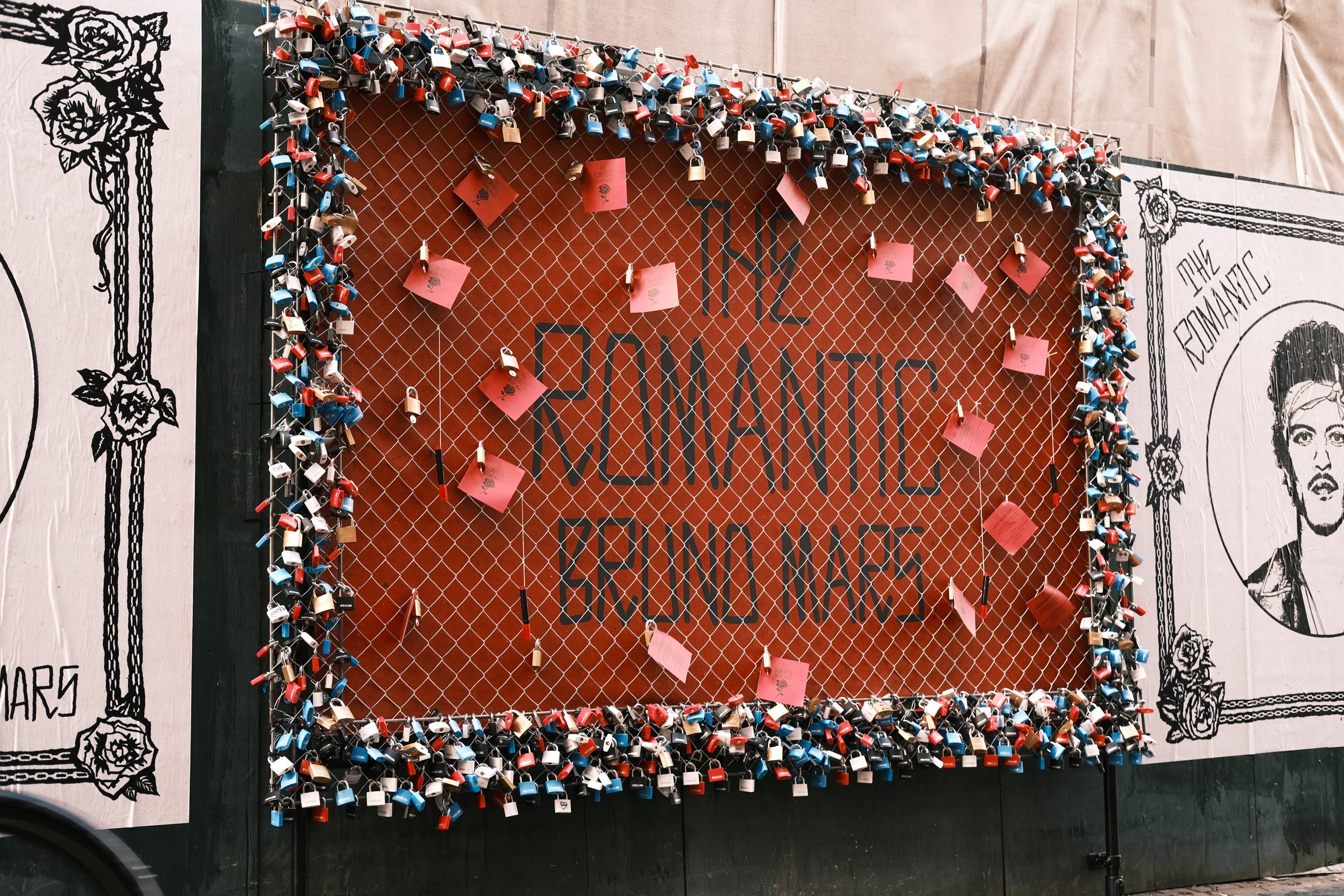
Three brands, three special builds, one same result: people stopped, looked twice, and remembered it. Here's what makes a special build worth stopping for.
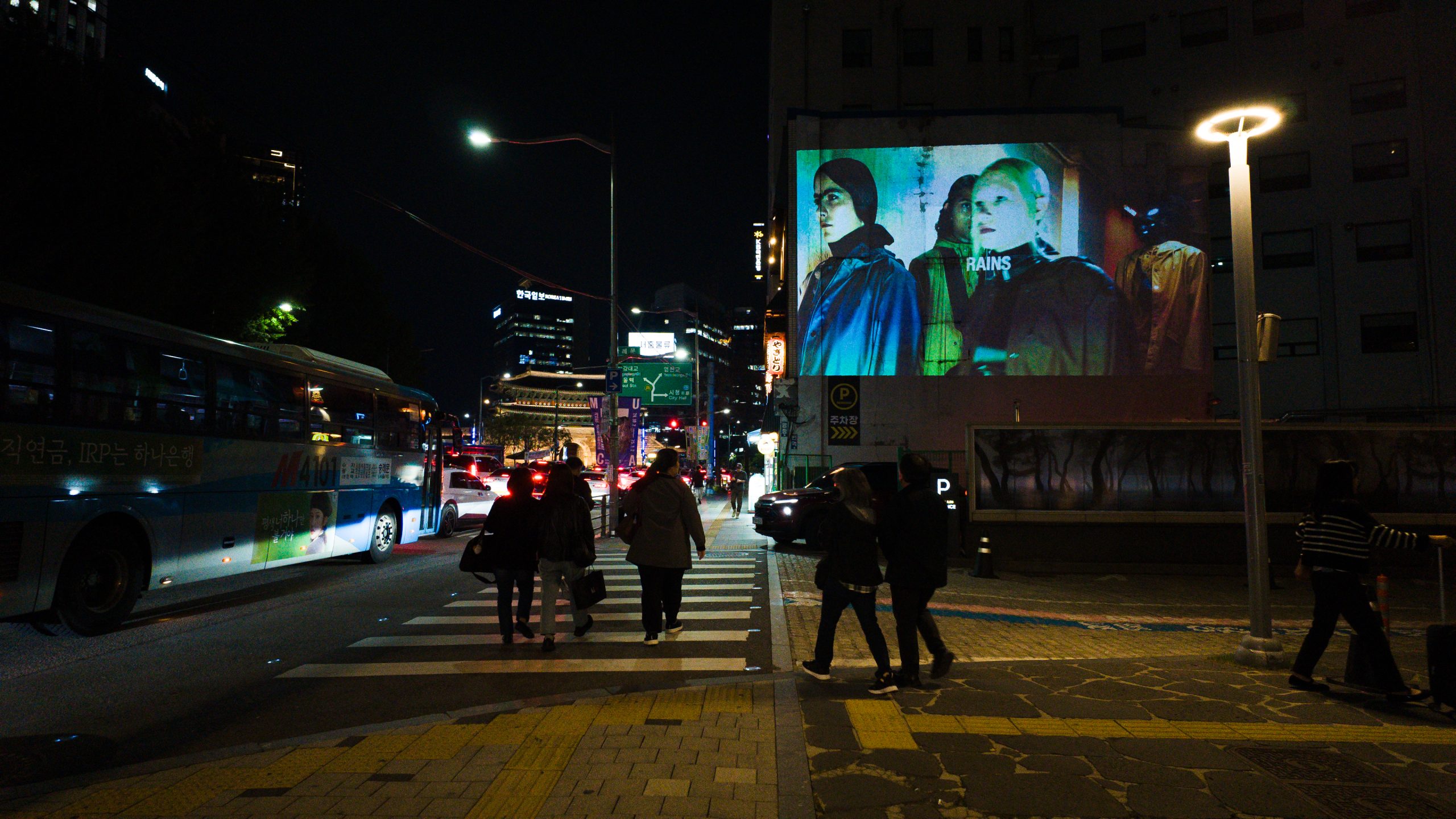
Every new market comes with its own rules, its own risks, its own learning curve. Here's what it actually takes to make it work, city by city.