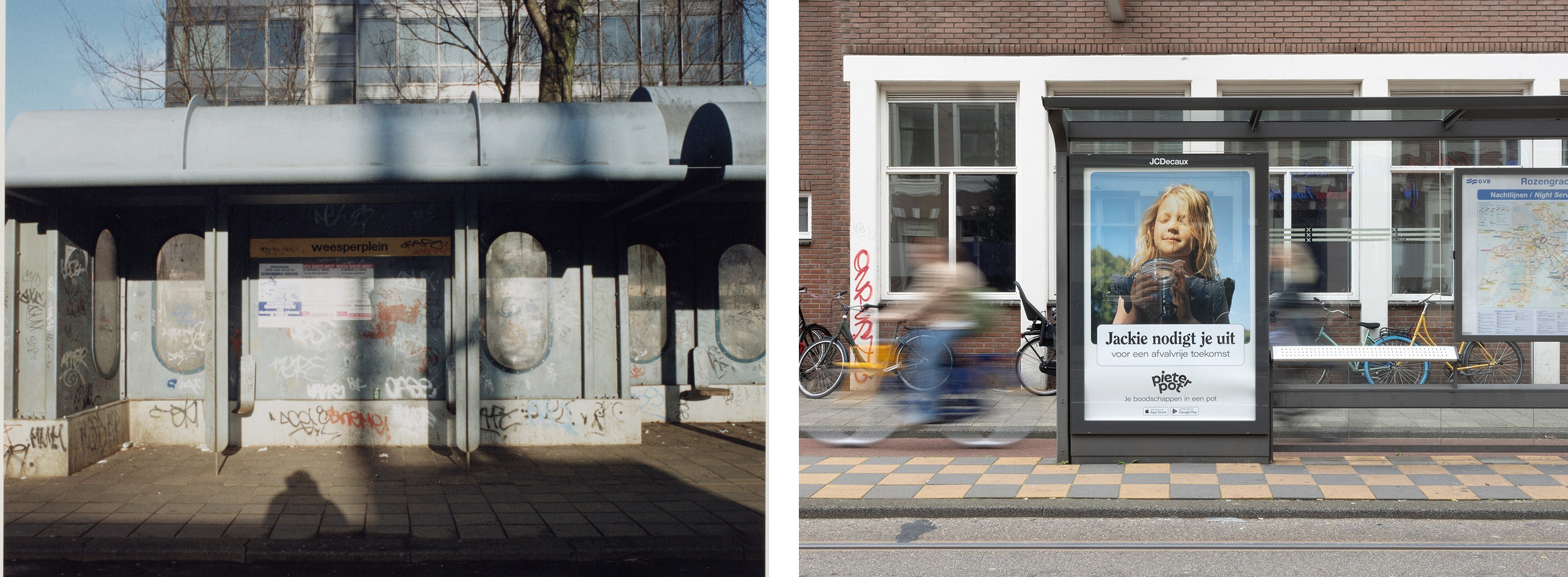
The deal behind the billboard
A bus shelter arrives in a city and the city pays nothing for it. Who owns the furniture, what each route costs, and why almost no city will tell you what it earns.
In the mid-eighties a poster crew would finish a night’s work in central Amsterdam, come back two days later, and find every one of their posters buried under someone else’s. Days of work gone. Clients ringing up to ask why they had walked past the Rokin and seen nothing.
Nobody could complain to anybody. The walls were not rented, the poles were not leased, and no contract existed anywhere in the city that said whose paper belonged on them. Two businesses were fighting over territory that neither of them owned, and both of them knew it.
Part 1 traced how the street became an advertising medium, and how the authorised route turned into something slow and expensive that only large companies could afford. This is what happened underneath it.
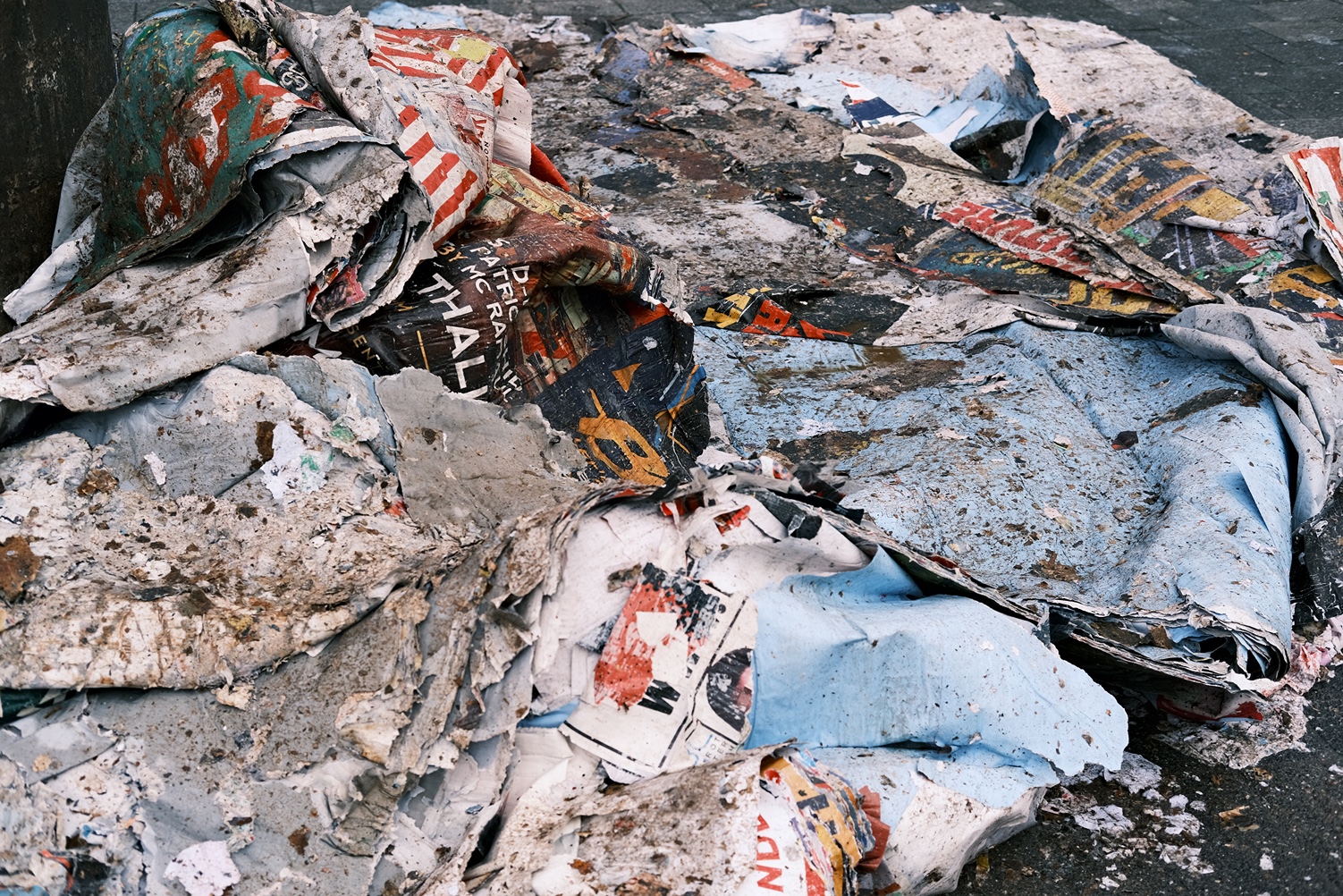
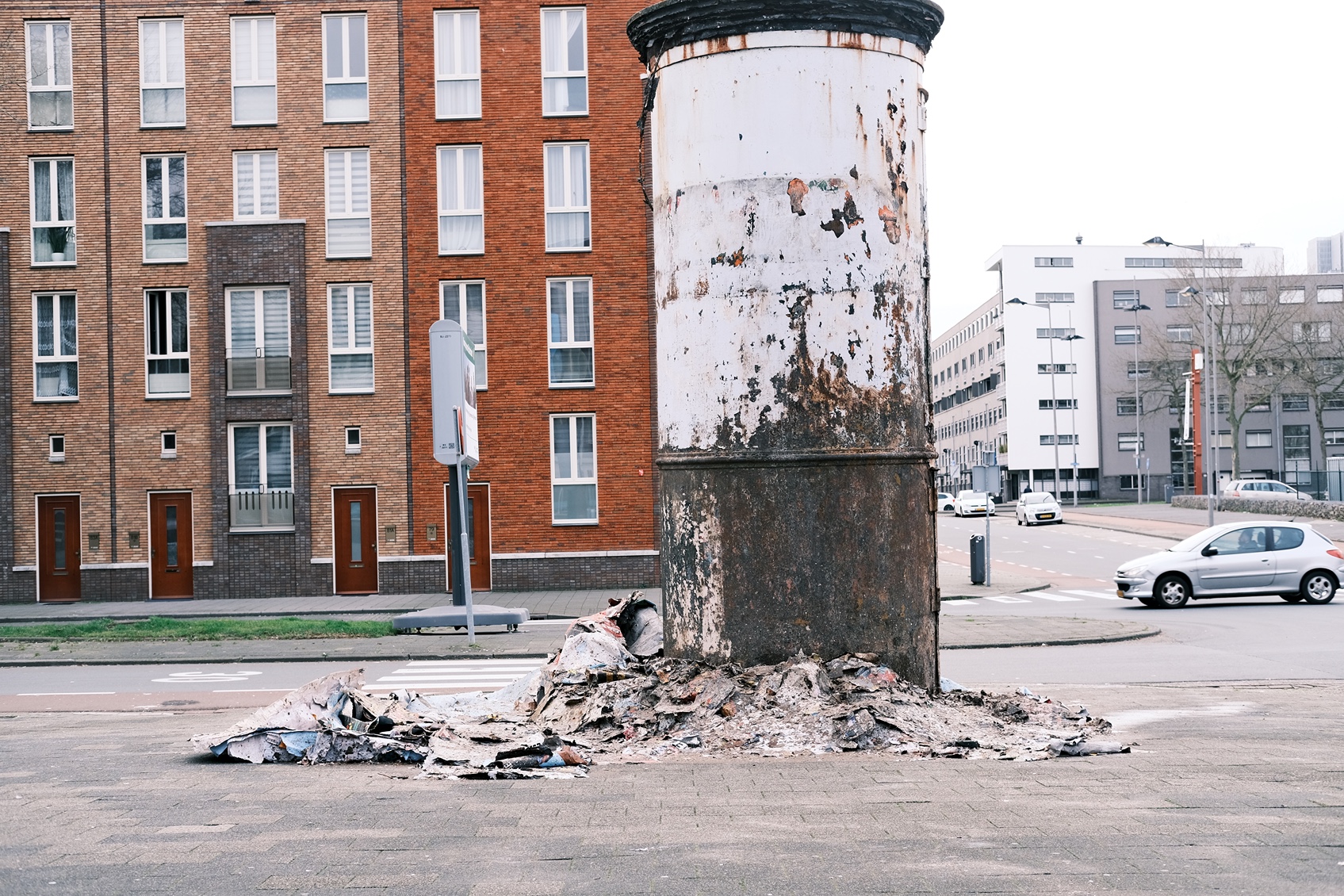
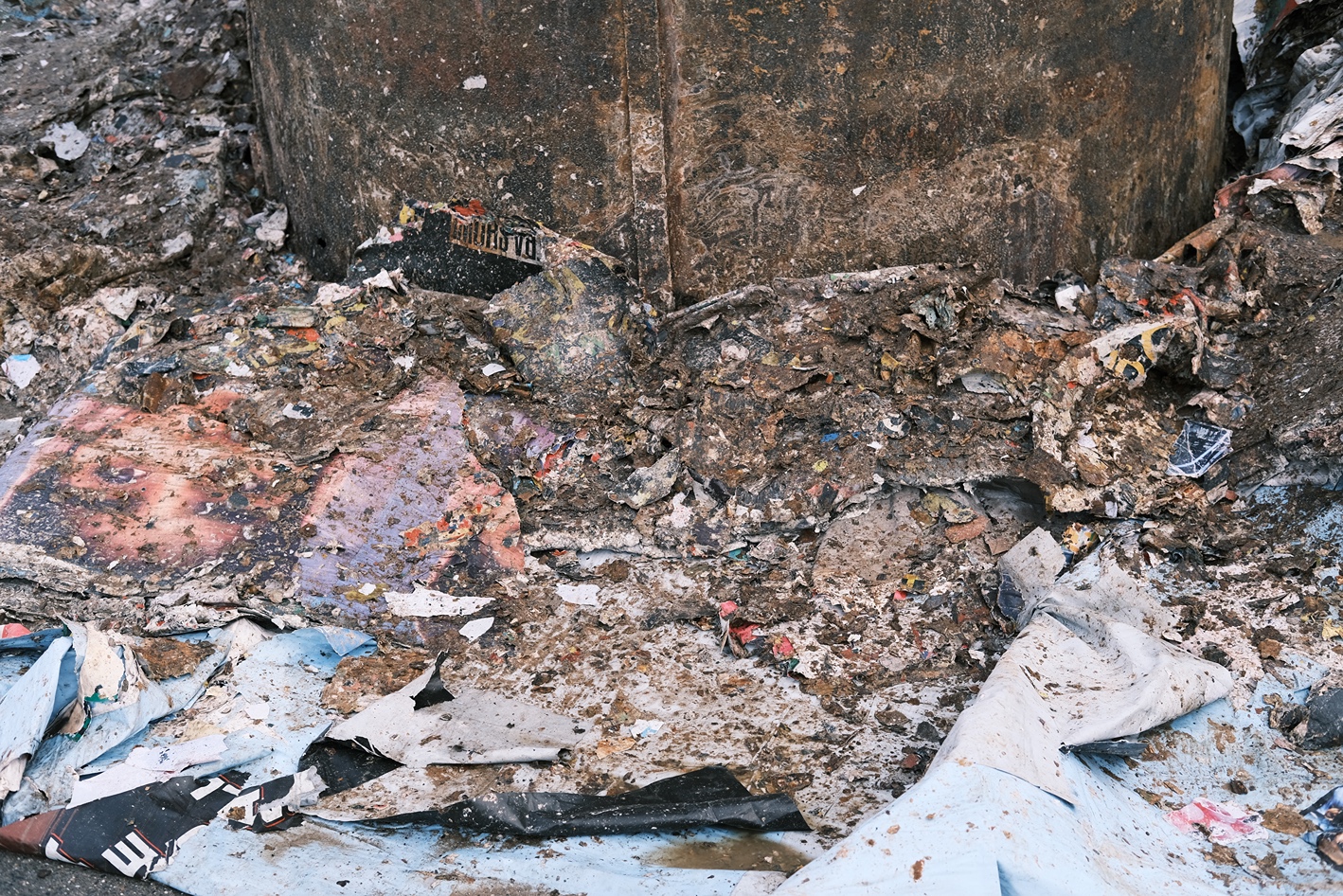
For most of the twentieth century, the people pasting Amsterdam’s walls illegally were doing it for something they believed in. In 1983 the journalist H.J.A. Hofland published a book of hundreds of posters spread by action groups between 1963 and 1983, arguing about the position of women, apartheid in South Africa, the neutron bomb. That kind of book stopped being possible. By the mid-nineties, outside election season, a political poster on an Amsterdam street had become a rare thing.
Serge Markx, who pasted through the eighties and later wrote a first-hand account of the trade, put the change plainly in 1996. “The luxury of idealism is over,” he wrote. “Er wordt geplakt om te overleven.” People paste to survive.
What replaced the idealism was a business, and it arrived around 1970. De Bizonkids, founded in 1972, grew into a professionally run company with twelve pasters on the road. Its clients were the places that made Amsterdam worth visiting and could not afford to advertise like a bank: De Melkweg, Paradiso, the theatres in de Nes, clubs including Mazzo, Roxy and Arena. Around thirty cultural institutions, each putting up roughly three hundred posters per event, plus film companies, record labels and publishers ordering three thousand at a time across several cities at once.
The economics were brutal and simple. For a film distributor, a few thousand guilders filled the three biggest cities in the Netherlands. Markx and the crew he worked with pasted Amsterdam, Den Haag and Rotterdam and earned a few hundred guilders a day doing it. “We knew every fence, wall and lamppost there,” he wrote. “We did not leave a city until it was papered again.”
Two operations, one city, no property rights. The result was what everyone involved called the plakoorlog, the poster war.
One crew pasted a wall. The other crew pasted straight over it. The first crew came back and returned the favour. Markx described what it did to the work: “Days of work were undone, and the clients did not see their orders hanging.”
Settling it the usual way was impossible. Markx again: “Omdat het om niet-gepachte plekken ging kon ook niemand er echt aanspraak op maken.” Because the spots were not leased, nobody could make a real claim on them. There was no lease to point at, no permit to wave, no small print. A trade that existed outside the rules had also placed itself outside every mechanism for resolving a dispute, and the only leverage anyone had was a bucket of glue and a willingness to keep coming back.
So they invented property rights from scratch.
The negotiation produced something called a plakvrede, a poster peace. The rival operations merged, posters were distributed centrally instead of raced for, and the city was carved into twelve plakwijken, poster districts, each belonging to a specific crew. De Pijp. Leidseplein. Rembrandtplein. The Rokin and the Dam.
A private map of Amsterdam, agreed between competitors, carrying no legal weight whatsoever, deciding who was allowed to put paper on which lamppost. Nothing about it was written down. The whole arrangement ran on verbal agreement and mutual trust.
And people took their patch seriously. Markx spent four years on one district in the middle of town, putting up at least two hundred and fifty posters each run, around five hundred a week. “Keeping our district looking good was a point of honour,” he wrote. When the poles along the Rokin from de Munt to the Dam were properly done, he described the result as a pleasure to look at: an endless row of tightly pasted poles.
These were people doing a job well, on infrastructure nobody had given them, under rules they had written themselves.
It lasted until 1988, then broke the way an agreement with nothing underneath it breaks. Everyone was dismissed, Markx included. No contract existed to enforce, because there had never been one.
In 1989 the company went legitimate and became Bizon. It got there by the front door. Its far larger neighbour Publex, the authorised outdoor giant, took over the posting rights for switch boxes, transformer columns and the glass and paper containers, and Bizon came along into the legal circuit with it. A wild posting operation had become a licensed one by attaching itself to the incumbent.
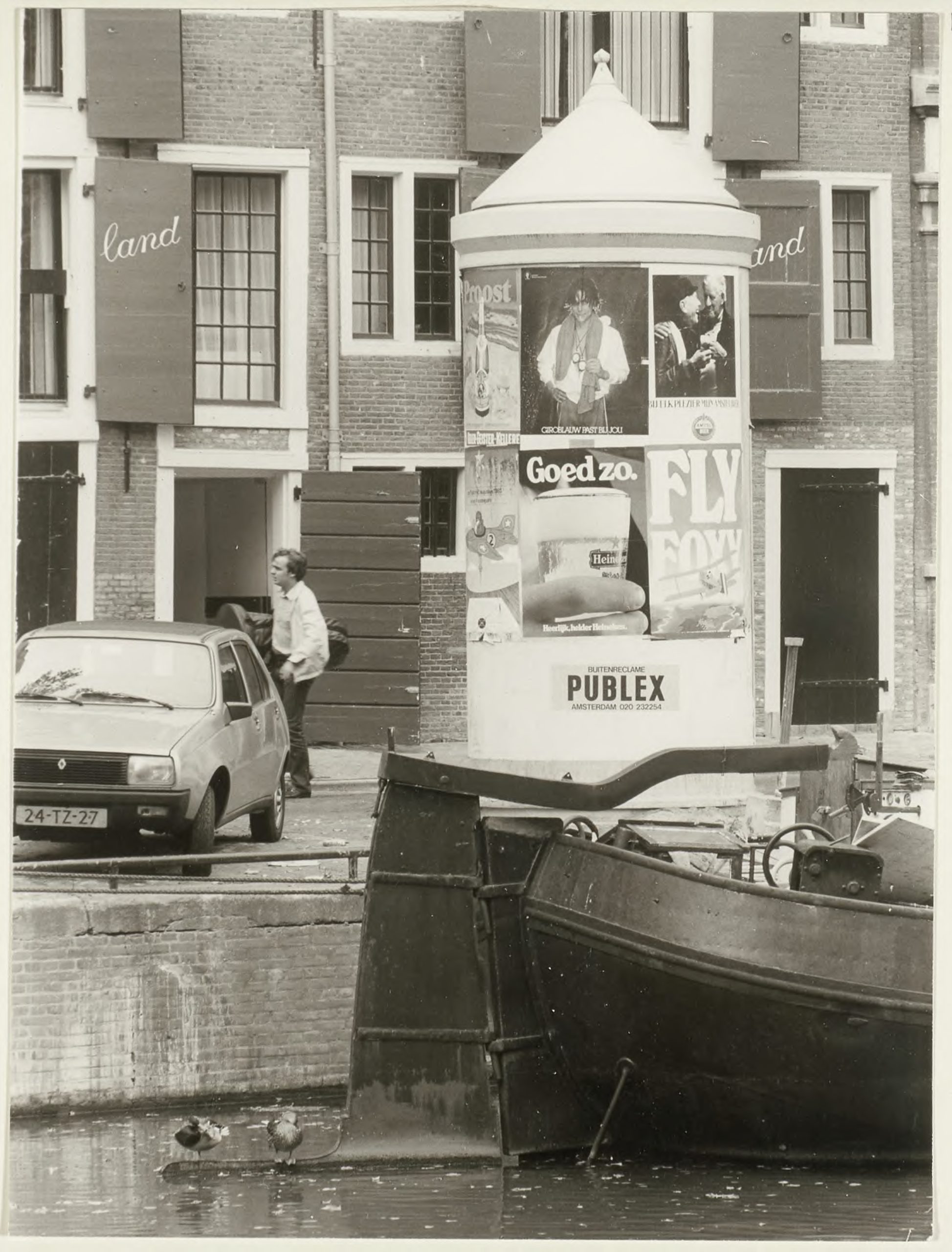
A Publex advertising column on the Keizersgracht, 1981. The peperbus started life as a transformer housing for the municipal power company and had been carrying advertising since 1903. Publex held the rights to it and printed its phone number at the base. This is what the licensed street looked like: neat panels, national brands, one operator. The trade in this article worked on everything else.
It kept working the illegal side anyway, because that is where the volume was, and subcontracted the wild work to a newcomer called Plakker & Co. Within five years that newcomer was pasting around three hundred thousand posters a year in Amsterdam for theatre festivals, book markets, house parties, pop concerts, records and, latterly, new books.
Then the whole thing happened again. Plakker & Co decided it could do what Bizon did, and the second poster war was uglier than the first. Plakker & Co pasted over Bizon’s work for long stretches. In the summer of 1995 every Plakker & Co poster in the city was stripped by people connected to Bizon. Plakker & Co answered by going round a circus campaign in Utrecht and adding a single word to every poster: afgelast. Cancelled.
By the mid-nineties the municipality had decided the whole thing was finished. In January 1996 the city executive adopted a two-year plan called Graffiti Fini, with a budget of two and a half million, to clean the inner city and keep it clean. Graffiti and wild posting were treated as a single problem. Asked by Theo van Gogh what the council’s good intentions for 1996 were, mayor Schelto Patijn answered: “We gaan de stad schoonmaken.” We are going to clean up the city.
Enforcement had teeth. Fines went up to three hundred guilders per offence, Plakker & Co watched its posters permanently hosed off, and the city took it to court.
The official running the policy, Ton Mascini, was thirty five and confident. “Two years ago I said that wild posting in Amsterdam is going to disappear,” he said. “We are really going to keep the place clean, so it is over. You can see it on the cleaning route already. They simply do not come there any more.”
Then, within a year, the city licensed it.
The biggest wild posting company was granted a permit. From the beginning of 1997 it leased half the official poster spots in Amsterdam, with the other half going to the rival it had spent years at war with. The three owners went into business with a poster designer and called the new company Publi-City. No more poles and walls. From then on the work went onto transformer columns, switch boxes and the glass and paper containers.
A spokesman for the alderman said there had never been any intention of breaking the company, and that there were now “alleen maar winnaars”, only winners. The director of the municipal advertising bureau was drier about it. The company had grown too big to go around, he said, and then added the real reason: “It is of course pleasant that we no longer have to chase them 24 hours a day.”
There was a harder reason underneath the pleasantry. While the city was winning the fight on the street, it was losing it in court. A ruling in 1996 set article 8.3 of the bylaw aside as conflicting with freedom of expression, which left the enforcement campaign standing on very little. The licence was the only instrument the city had left.
Mascini, the man who had promised to end the practice, had already said the thing that made the outcome inevitable. There is always a segment of cultural events without the budget to advertise legally. Whatever solution you invent, that stays. “Er zal altijd een markt voor wildplakken blijven.” There will always be a market for wild posting.
That sequence is general. Unregulated demand, a nuisance complaint, an enforcement push, then designated space and a licensed operator.
Berlin ran the whole cycle a hundred and forty years earlier, and the German word for the problem was Wildplakatierung. Before 1854 the complaint there was the one Amsterdam would make in 1875: posters going up on anything with a surface, old bills coming loose and blowing around town. On 5 December 1854 the city’s police chief granted a printer named Ernst Litfaß an exclusive permit for advertising columns. The first hundred went up in 1855 and fifty more followed.
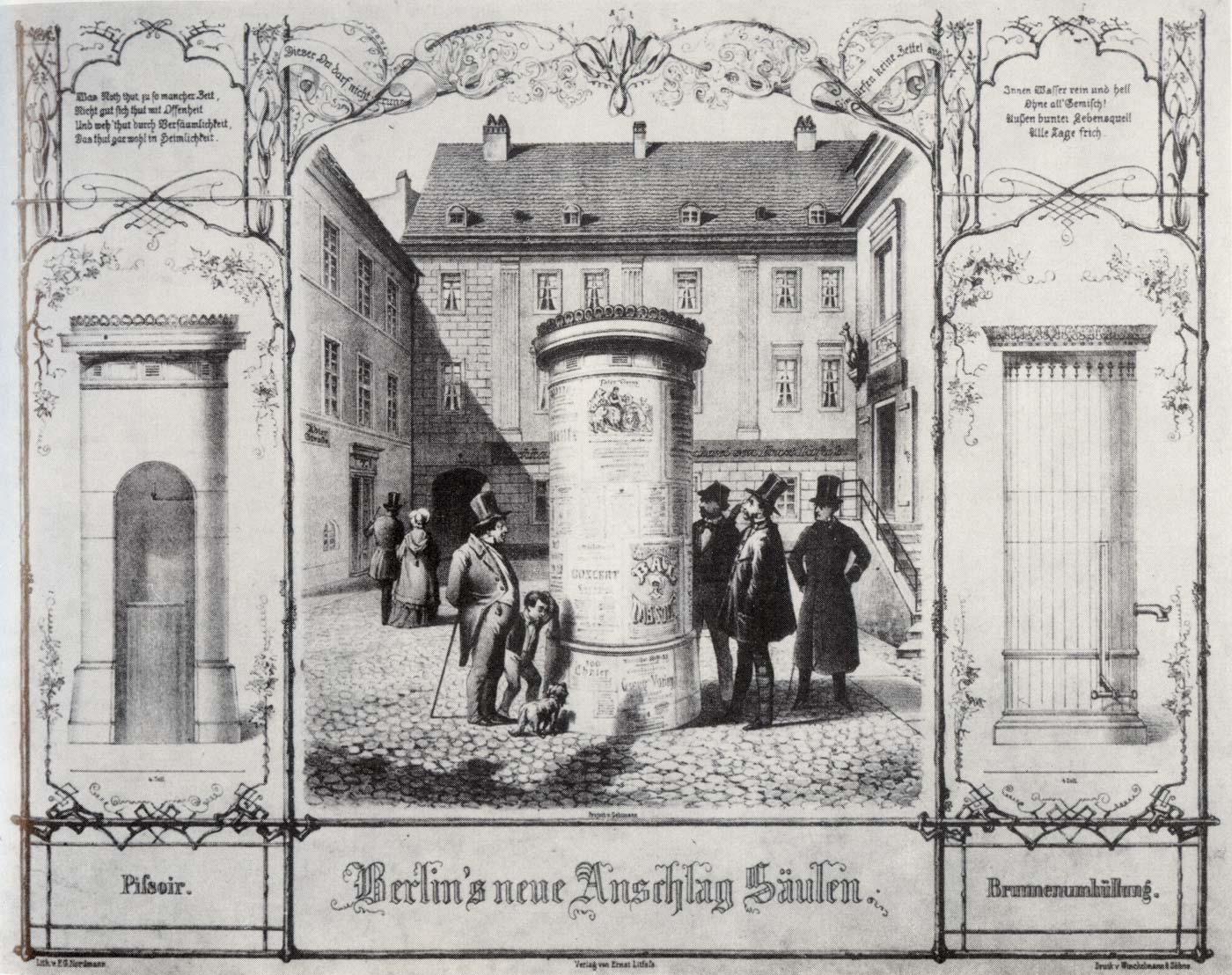
Berlin’s new advertising columns, in a print published by Litfaß himself once the permit was his. The column stands between a pissoir on the left and a fountain housing on the right, because it arrived as one of three pieces of new municipal street furniture rather than as an advertising idea on its own.
The permit came with a condition attached. Alongside the advertising, Litfaß had to carry the latest news, and during the war of 1870 the columns ran the dispatches from the front. So a city facing illegal posters licensed a single operator and took a public service in exchange for the monopoly.
The object outlived the deal. Litfaßsäulen still stand in German cities, and the hollow ones ended up housing telephone cable and transformer gear. Amsterdam reached the same object from the opposite direction, since its peperbus was a transformer housing that started carrying posters in 1903.
Wallscapes are authorised campaigns in the storefronts of Paris, moving beyond its wild posting ban. Since January 2024 the city has been able to fine illegal posting at 1,500 euros a sheet.
Paris is somewhere else in the cycle right now, and any brand buying street media in France should know where. Since 1 January 2024 the city has been able to issue administrative fines for affichage sauvage at €1,500 per poster. Amsterdam’s fines in 1996, at the sharpest point of its campaign, were three hundred guilders. Paris issued roughly €2.4 million in fines in 2024 and roughly €4.5 million in 2025. Audemars Piguet, Burberry, Nike, Sony and Warner have all been penalised.
Liability runs in an order. Under the French environmental code it falls first on whoever pasted the poster, then on the party for whose benefit the advertising was made. When the crew cannot be identified, the bill goes to the brand on the poster.
Which is why this history matters outside Amsterdam. Every city has an authorised route and an unauthorised one, the line between them moves, and the cost of being on the wrong side of it lands on the advertiser rather than the person with the bucket.
Markx finished his book in August 1996, before the permit was signed, and ended on a prediction. Once the permit was real, organised wild posting in Amsterdam would be over after twenty five years. The city would be clean.
“Tenzij er nieuwe plakkers opstaan.” Unless new plakkers stand up.
Thirty years on the job still starts the same way it did in the eighties, in Amsterdam and in every other city we work in. Know every wall on your patch, and get there first. What changed is that knowing which walls you may use is now the larger half of the craft.
Which wall is which, and who actually has the authority to say yes, is part three. After that: guerrilla against traditional out of home, why we photograph every campaign, and what each format is actually for. We’ll keep you posted 😉
Serge Markx, Verboden aan te plakken. Over legale en illegale affichage. Amsterdam, Kans katernen, 1996. ISBN 9789075795028, out of print. The end of idealism and the founding of De Bizonkids, p. 9. Clients and volumes, p. 14. The poster war, the plakvrede and the twelve districts, pp. 12 to 13. The plakwijk and the point of honour, pp. 15 to 16. Graffiti Fini, the mayor and Ton Mascini, pp. 15, 50 and 56. The permit, Publi-City and the closing line, p. 72.
Hub Hubben, “Boek doet verslag van vetes tussen illegale verspreiders van affiches”, de Volkskrant, 10 October 1996. The 1989 rename to Bizon and the route into the legal circuit via Publex, the growth of Plakker & Co, the second poster war and the afgelast retaliation, the three hundred guilder fines, and the court ruling on article 8.3.
Ernst Litfaß and the Berlin advertising column: Stadtmuseum Berlin and the German Wikipedia entry on the Litfaßsäule. The two sources differ on the length of the permit and the phasing of the columns, so this article states only what both support.
Paris fines and enforcement figures: The Media Leader FR. The liability hierarchy under the Code de l’environnement: Le Club des Juristes.
Images, in the order they appear.
With thanks to the Stadsarchief Amsterdam.
A bus shelter arrives in a city and the city pays nothing for it. Who owns the furniture, what each route costs, and why almost no city will tell you what it earns.
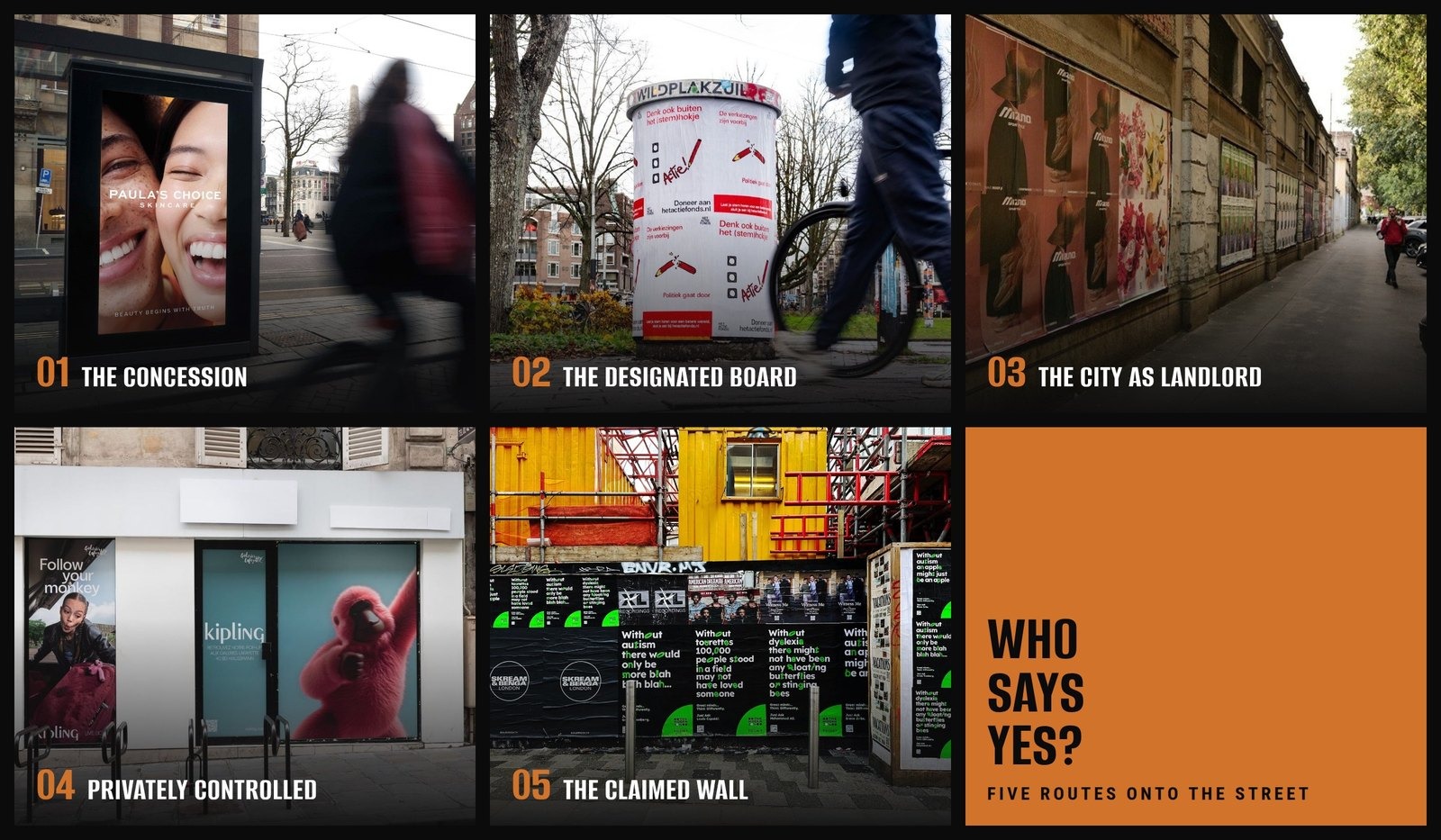
Five ways onto a street, and only four involve somebody saying yes. Who owns the surface, who to ask, and who pays when nobody did.

Guerrilla marketing was named in 1984. Amsterdam archives show us the trade is a century older. From an 1875 complaint to a wall for rent in 1915.
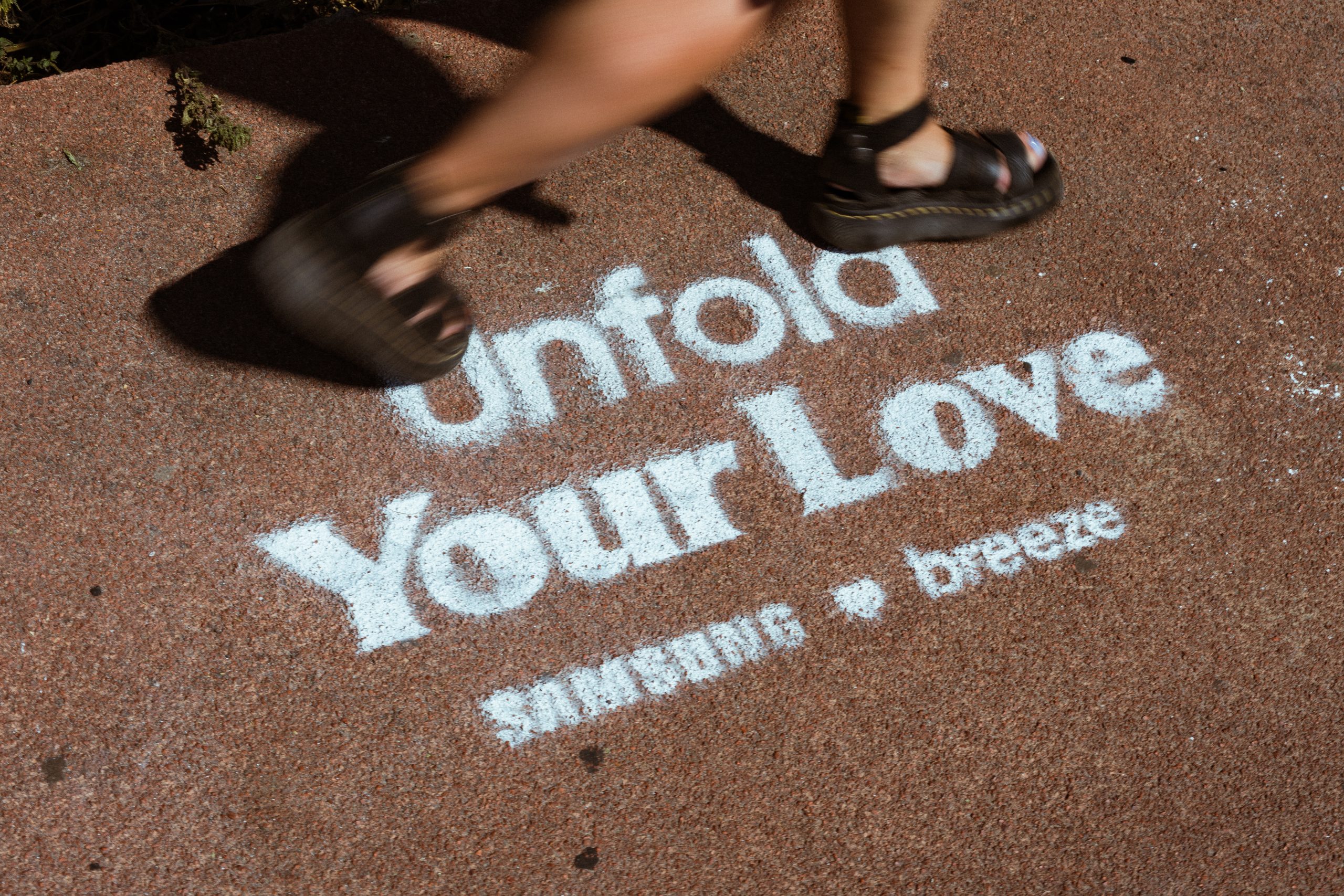
Reverse graffiti, green graffiti, chalk stencils: clients mix them up all the time. Here is what each technique is, how long it lasts, and how to brief correctly.
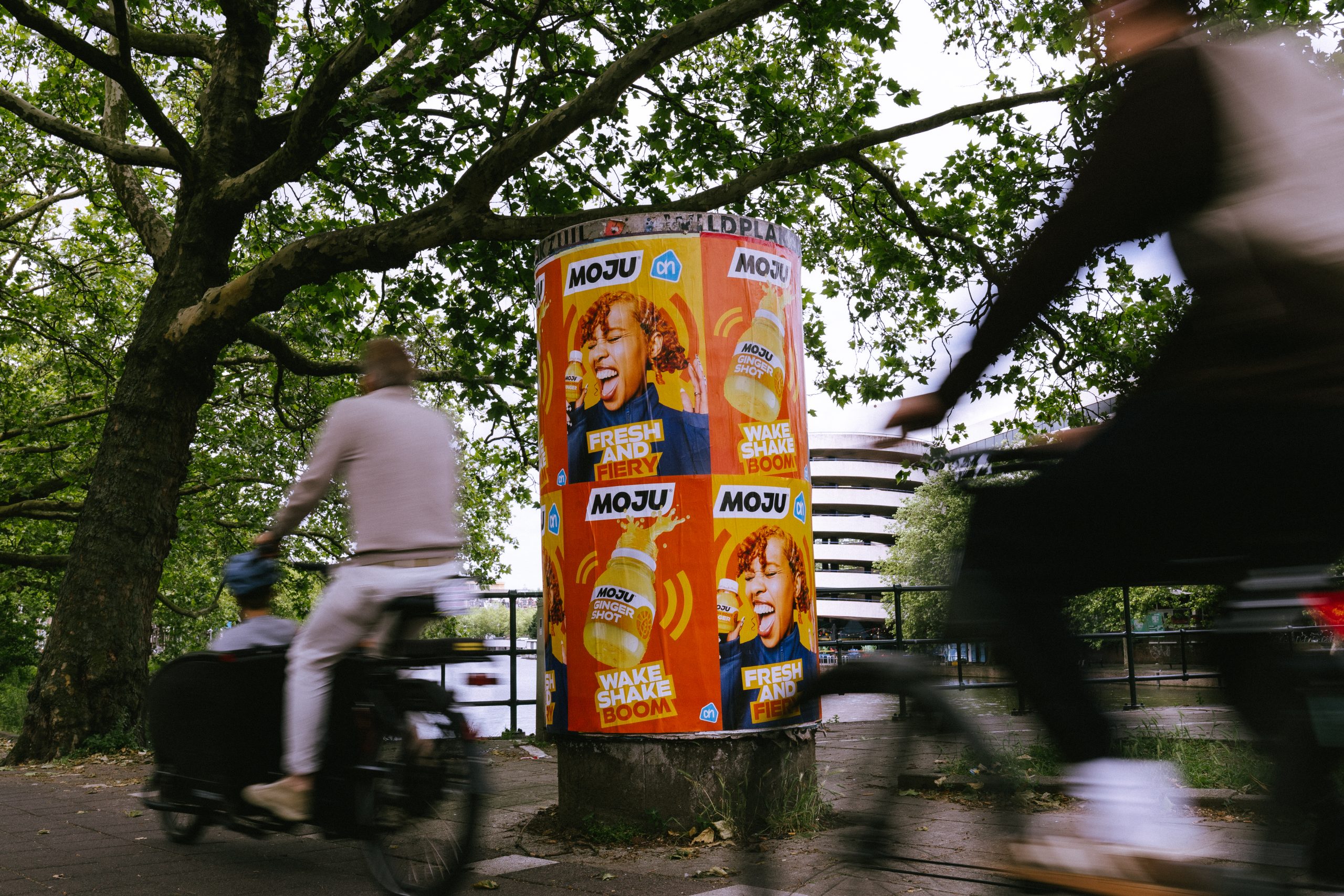
MOJU, Le Smash and JUNI all prove the same thing: the right streets make a small brand impossible to miss. Here's how each one did it.
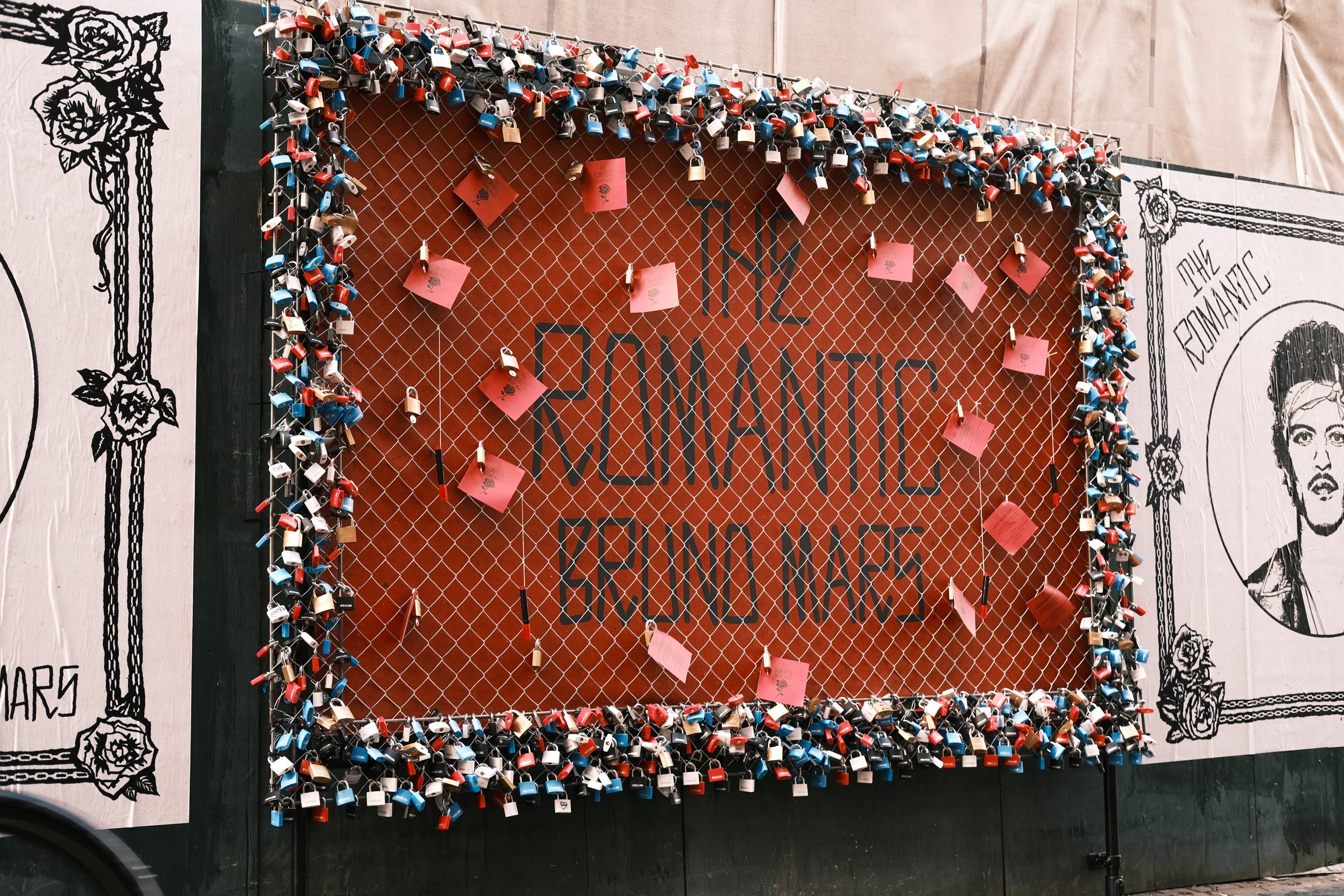
Three brands, three special builds, one same result: people stopped, looked twice, and remembered it. Here's what makes a special build worth stopping for.
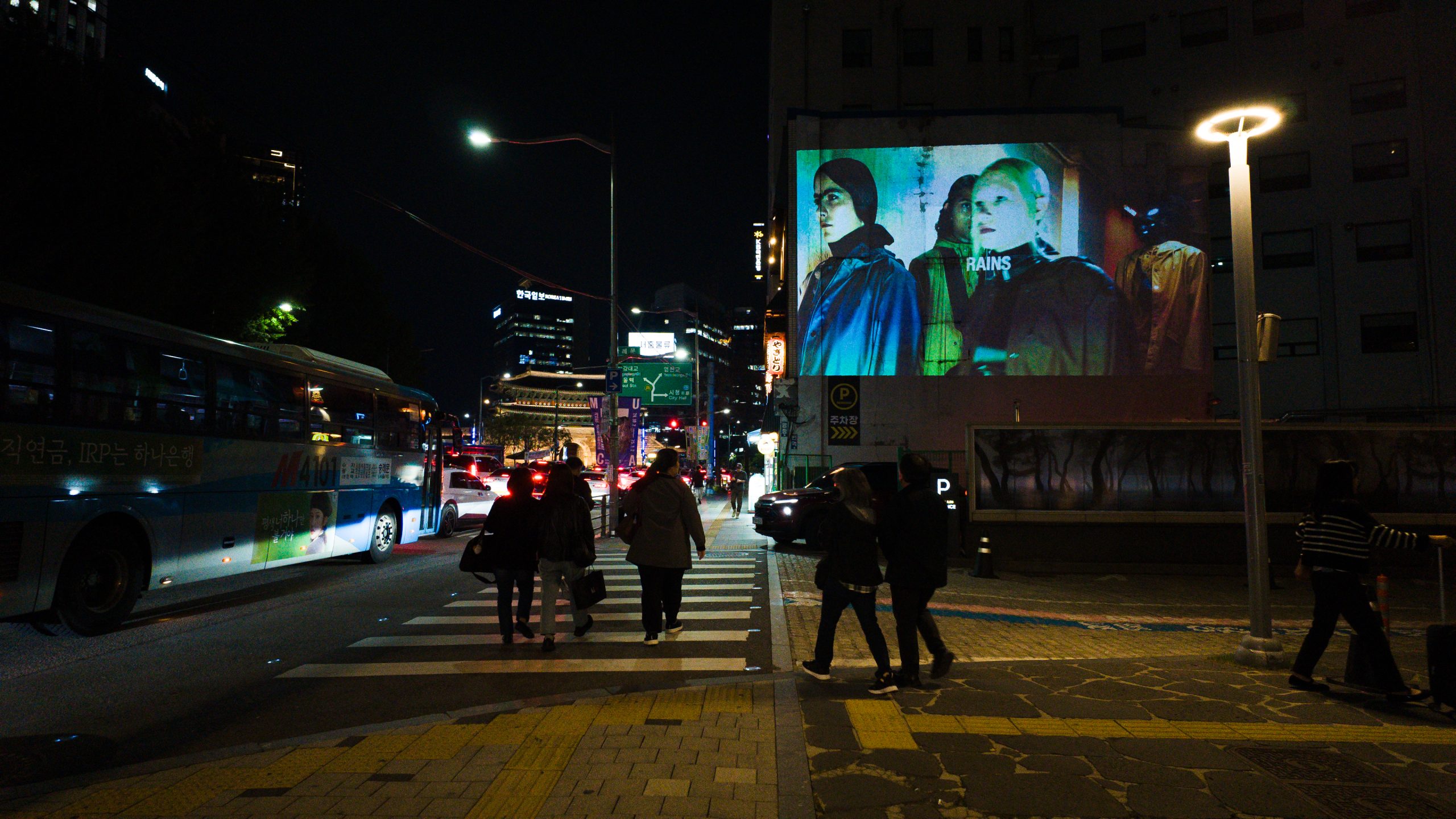
Every new market comes with its own rules, its own risks, its own learning curve. Here's what it actually takes to make it work, city by city.
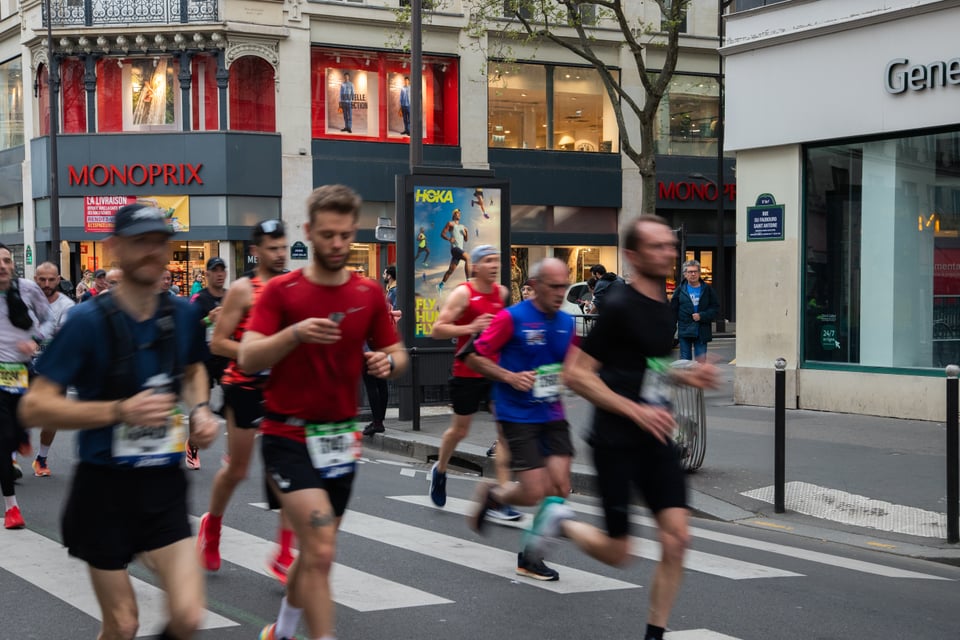
You don't need a sponsorship to win a marathon weekend. Here's how street marketing puts your brand where the crowd actually is.