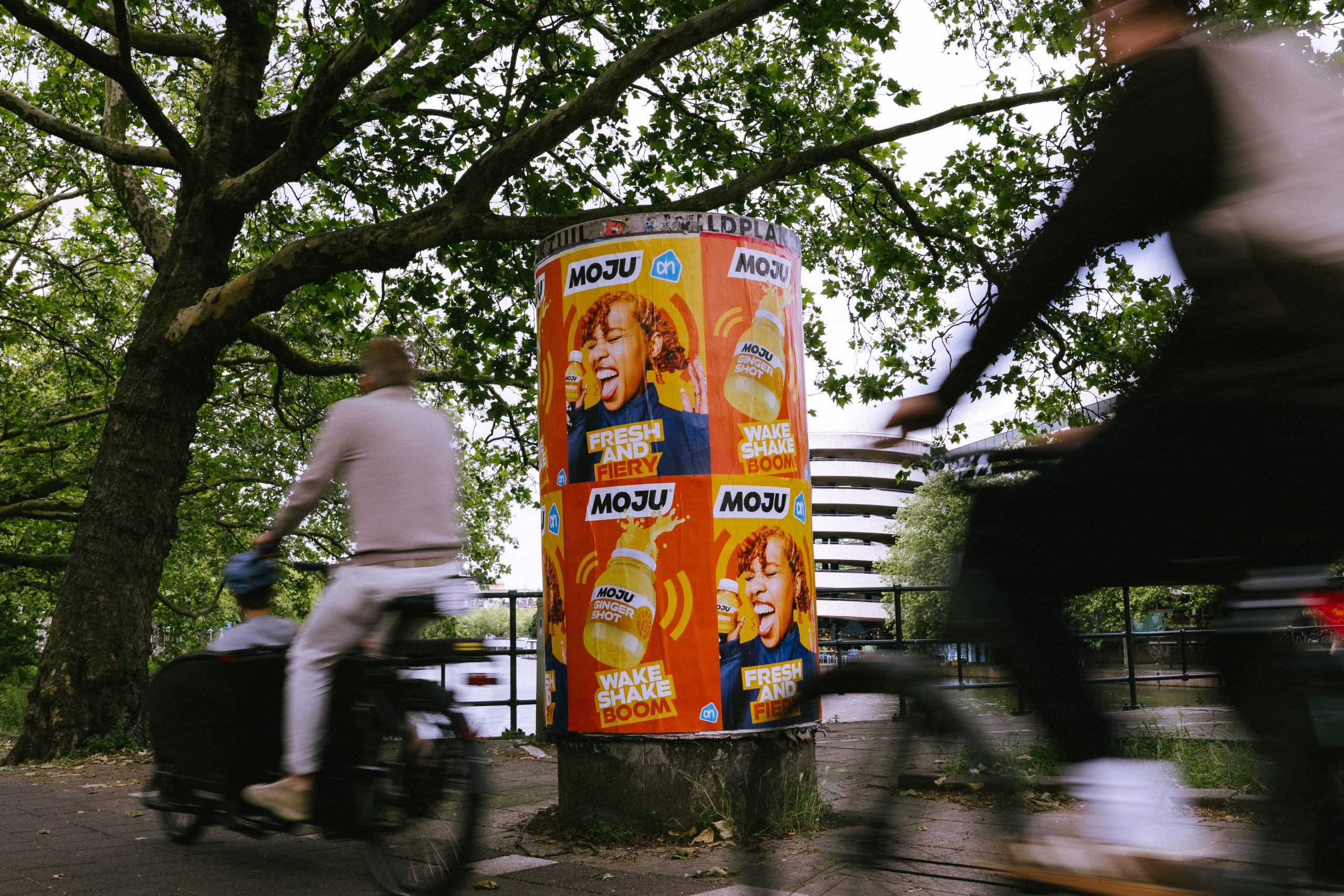
OOH marketing for startups: how to create street-level buzz without a huge media budget
MOJU, Le Smash and JUNI all prove the same thing: the right streets make a small brand impossible to miss. Here's how each one did it.
Race day changes a city before the gun even goes off. Barriers go up along the route. Side streets fill with people finding a good spot to watch. Cafes near the finish line run out of tables by nine in the morning. For one day, marathon marketing turns an ordinary Sunday into one of the busiest, most attention-heavy days on the calendar.
Most brands watch this from the sidelines, assuming the only way in is an official sponsorship. That’s not quite right. Sponsorship gets you onto the course itself. It doesn’t get you the city around it, and that’s where most of the opportunity actually sits.
On race day, the marathon route is closed off and tightly controlled. Only official partners get placement directly on the course, HBO did exactly that with a Last of Us placement on the Rotterdam marathon route, and that kind of access comes at a real cost. Nike took a different route entirely, turning up around the Amsterdam marathon with a guerrilla activation instead of an official one.
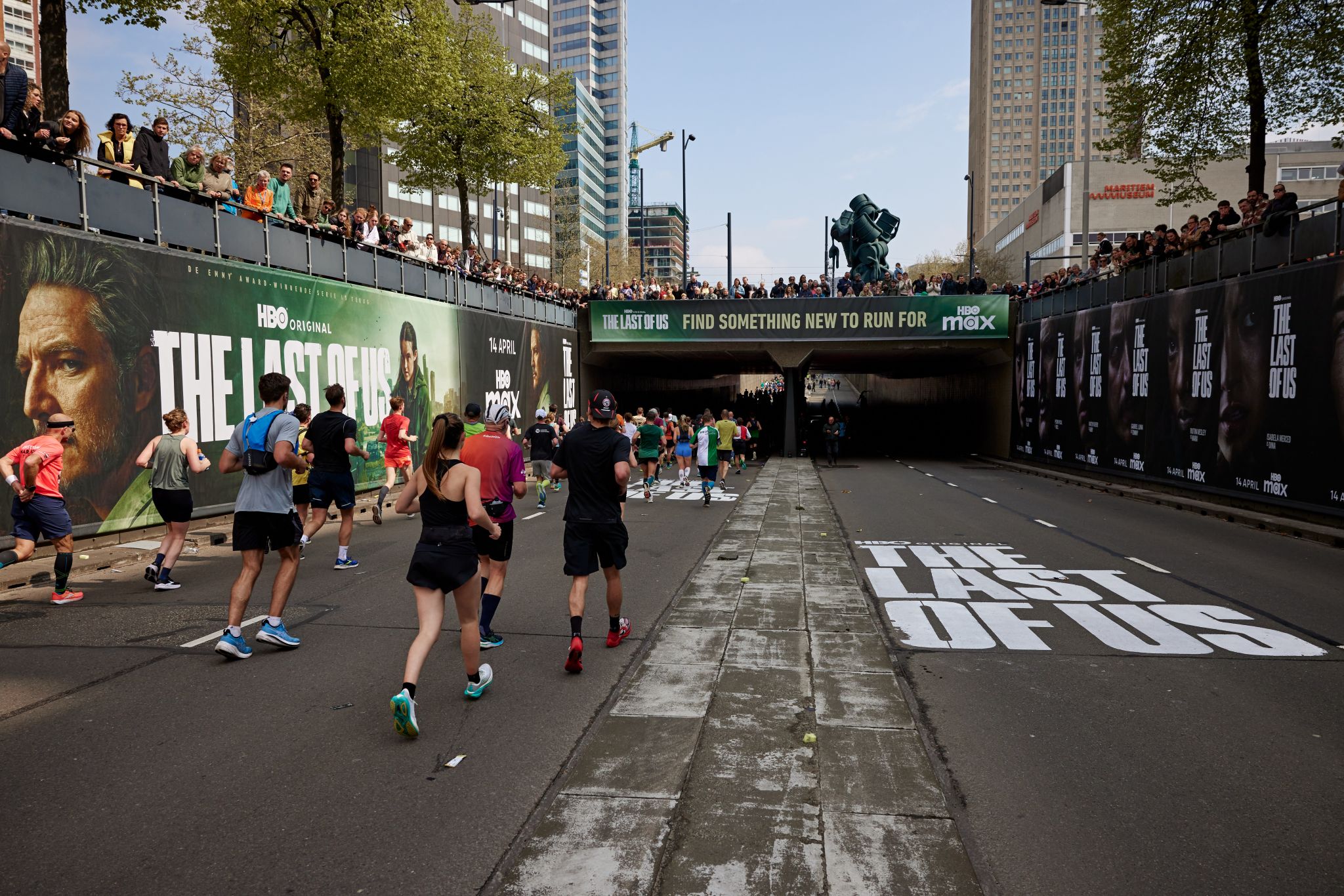
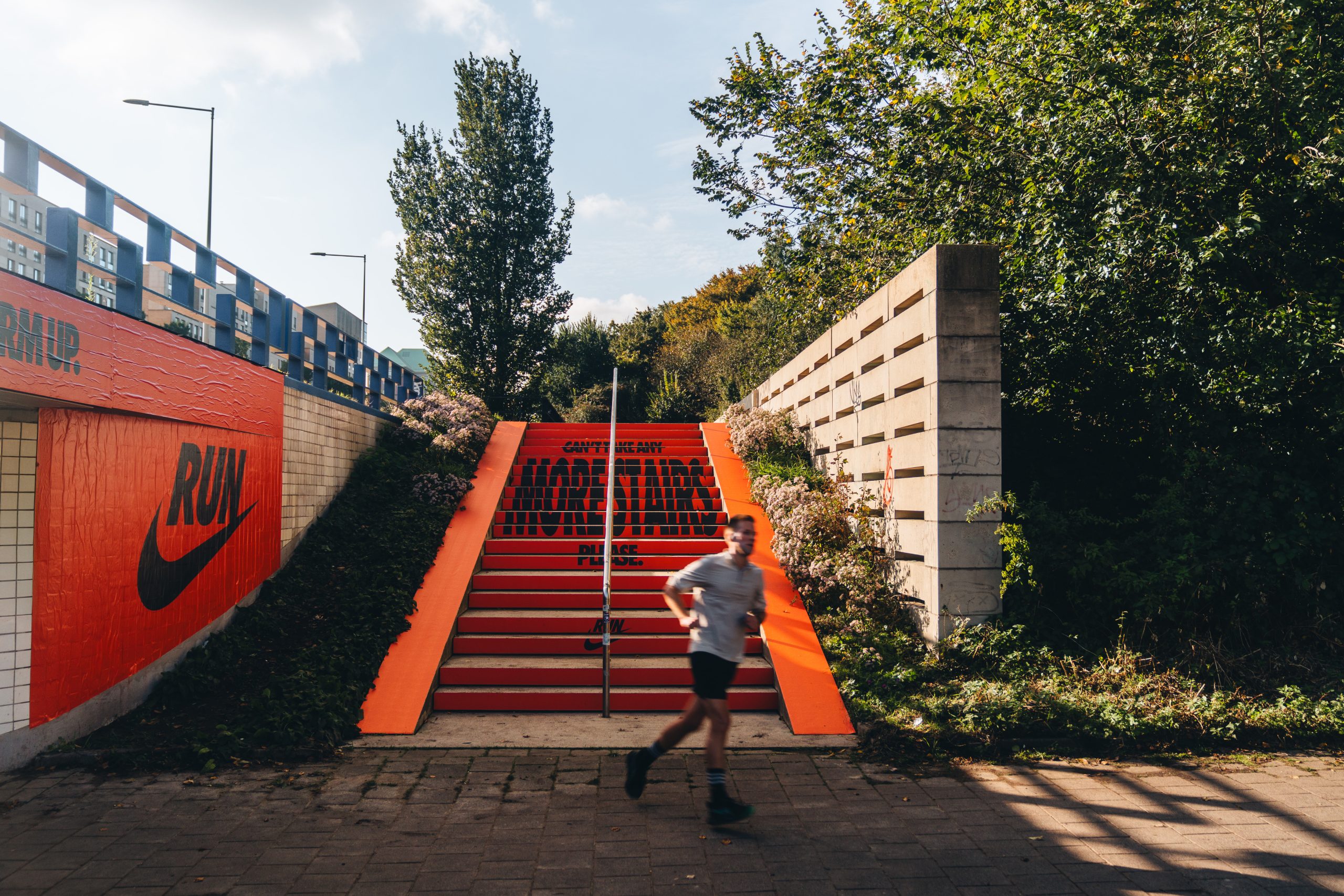
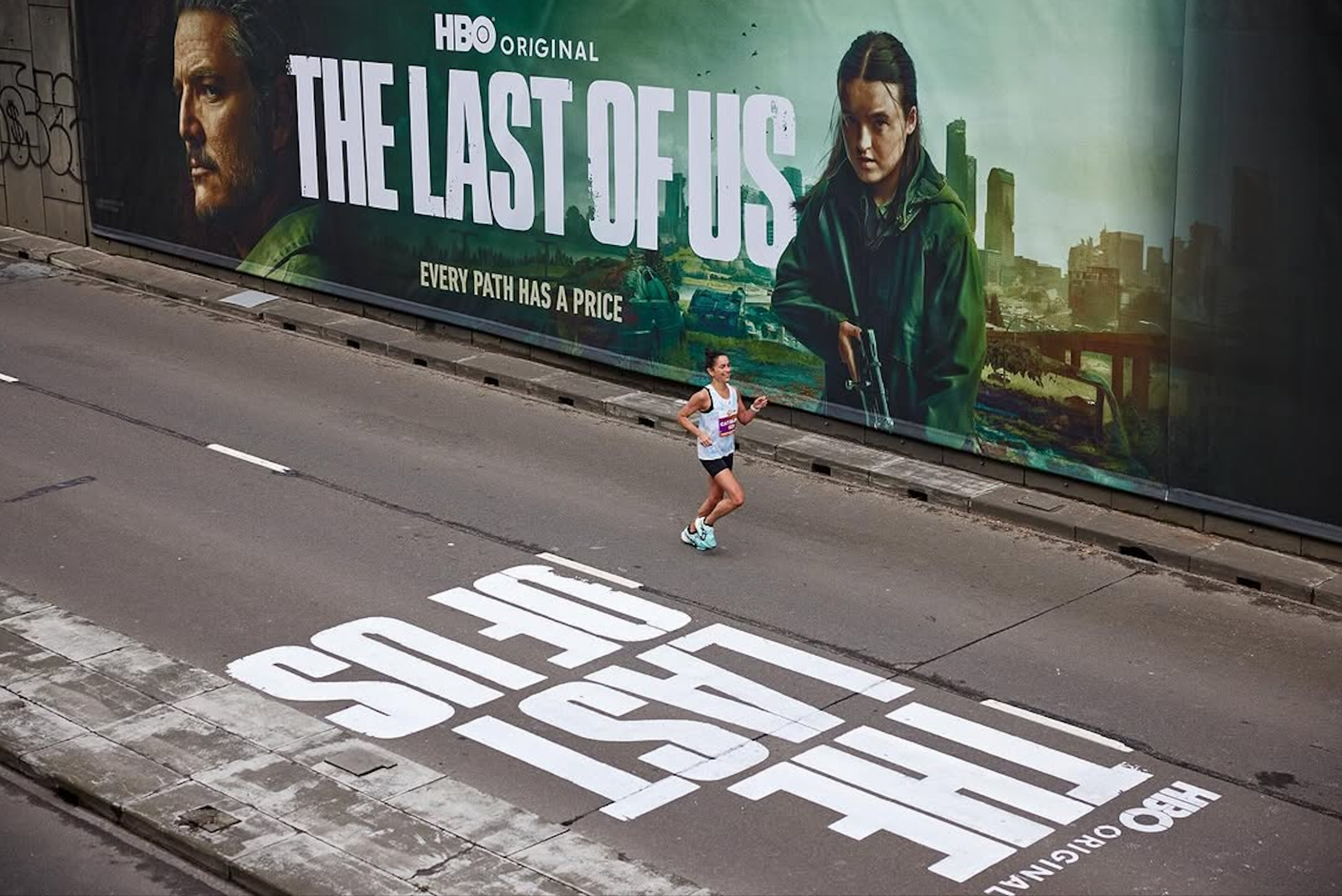
That’s not the only spot that matters. Runners warm up somewhere. Spectators gather somewhere. The whole city shifts around the race for a full day, and almost none of that shift happens on the route itself.
We’ve placed Hoka near the Berlin marathon route both in 2023 and in 2024, using authorised sites since the route itself is off-limits on race day. Same approach in Paris. In both cities the route was off-limits, so the campaigns lived in the streets and the crowd actually moved through before and after the race, which is where most of the day happens anyway.
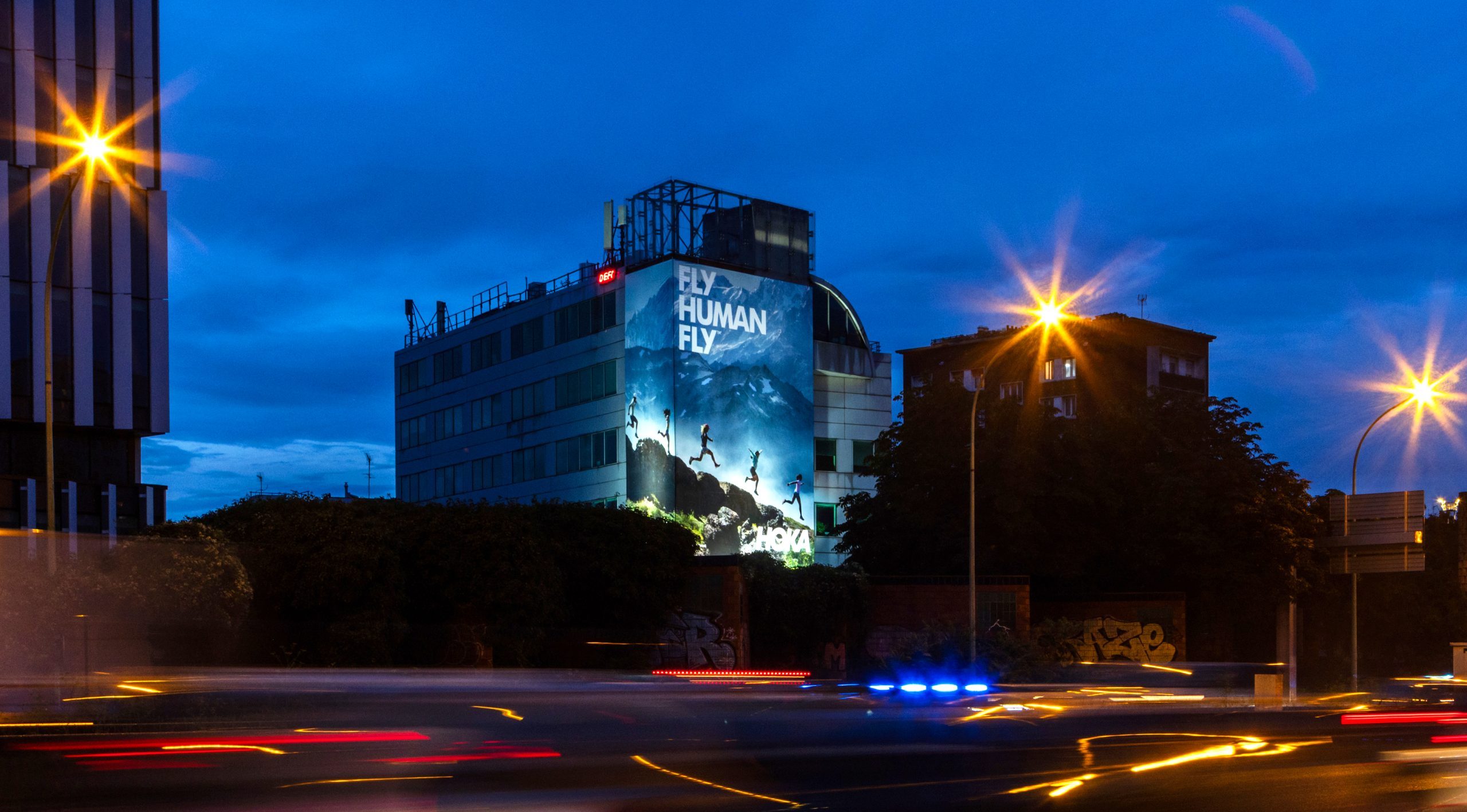
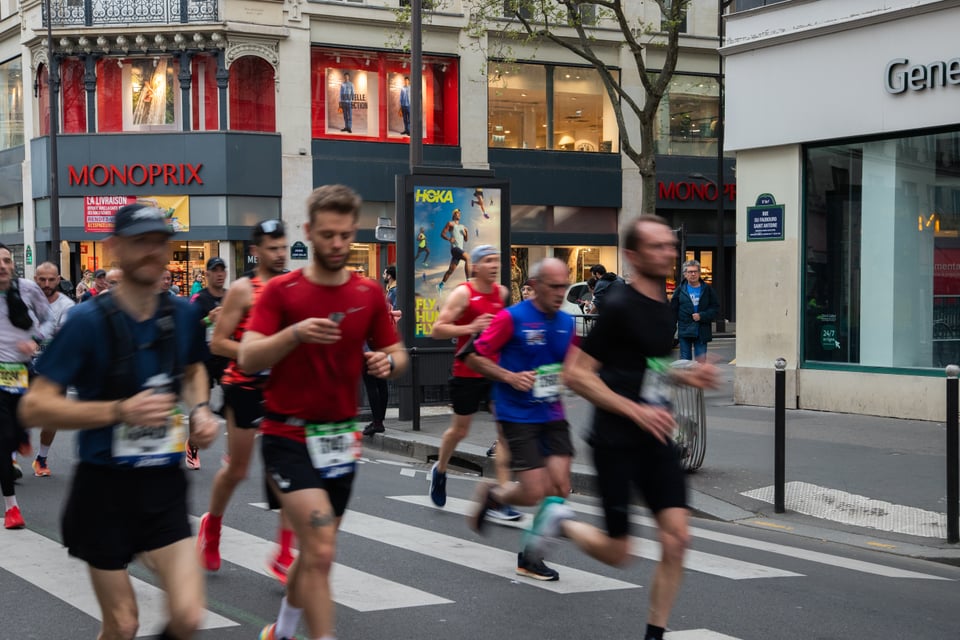
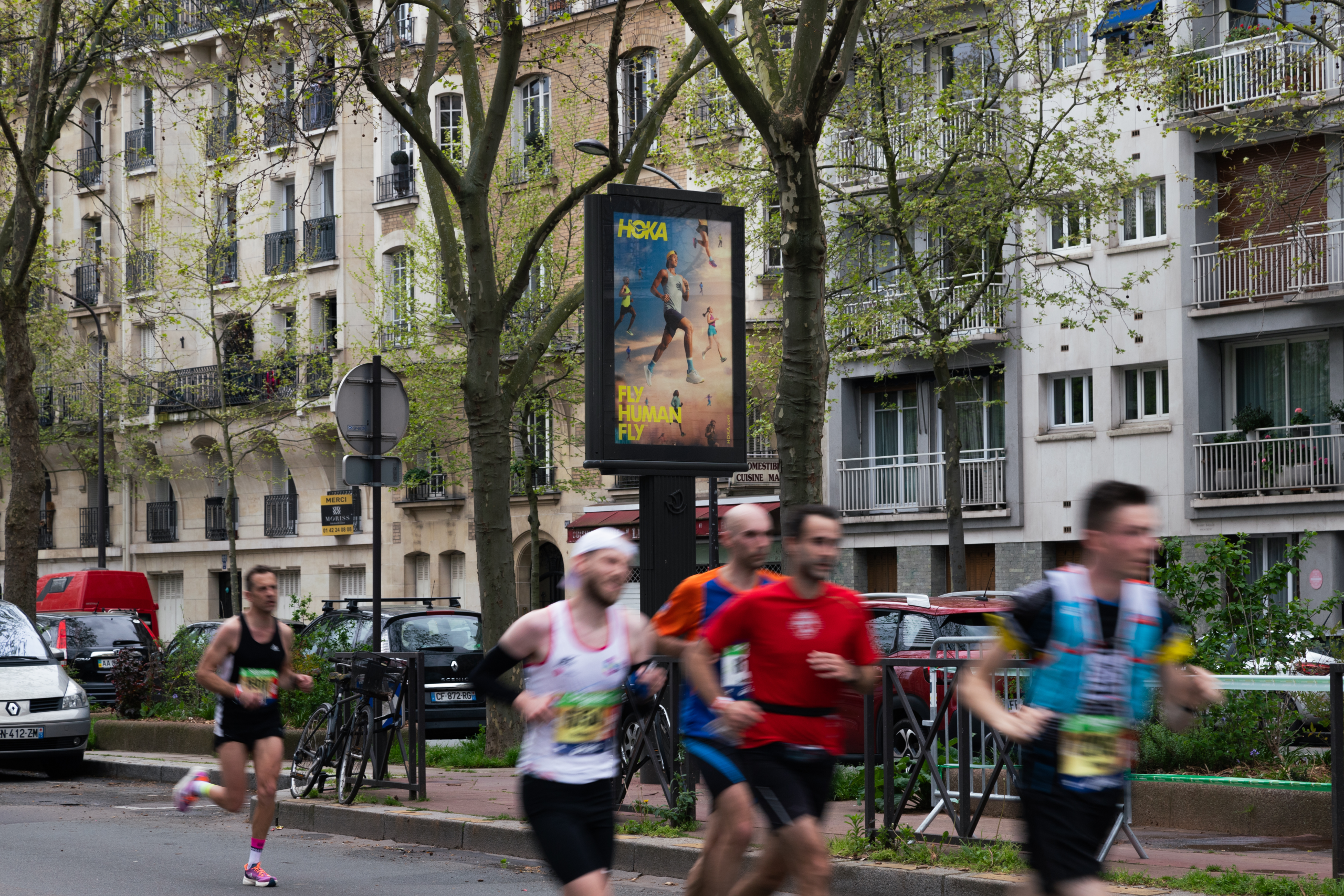
This is the part brands underestimate. A marathon weekend brings tens of thousands of runners and even more spectators into one city, all outdoors, all stationary or slow-moving for hours at a time. That’s rare. Most street marketing has to work hard to hold someone’s attention for even a few seconds. Marathon weekend hands you a crowd that’s already standing still.
There’s a temptation to get precise about who to target during a marathon: where runners are from, where a brand’s media buyer happens to sit, which neighbourhood looks the wealthiest on a map. We don’t do that. There’s no reliable data behind that kind of precision, and it distracts from what actually works, which is broad, consistent visibility across the city during the race window.
Berlin, Amsterdam and Paris are where we’ve done the work so far, but they’re not the only marathons worth watching. London’s Hackney Half has become one of the most popular half marathons on the calendar, and it’s exactly the kind of race weekend where authorised placements near the route would work just as well, even without a campaign behind it yet.
Owning a marathon weekend isn’t about the finish line. It’s about knowing where a city’s attention goes for a day, and showing up there without needing anyone’s permission to do it.
If you want to know what a marathon activation could look like for your brand, let’s talk.
MOJU, Le Smash and JUNI all prove the same thing: the right streets make a small brand impossible to miss. Here's how each one did it.
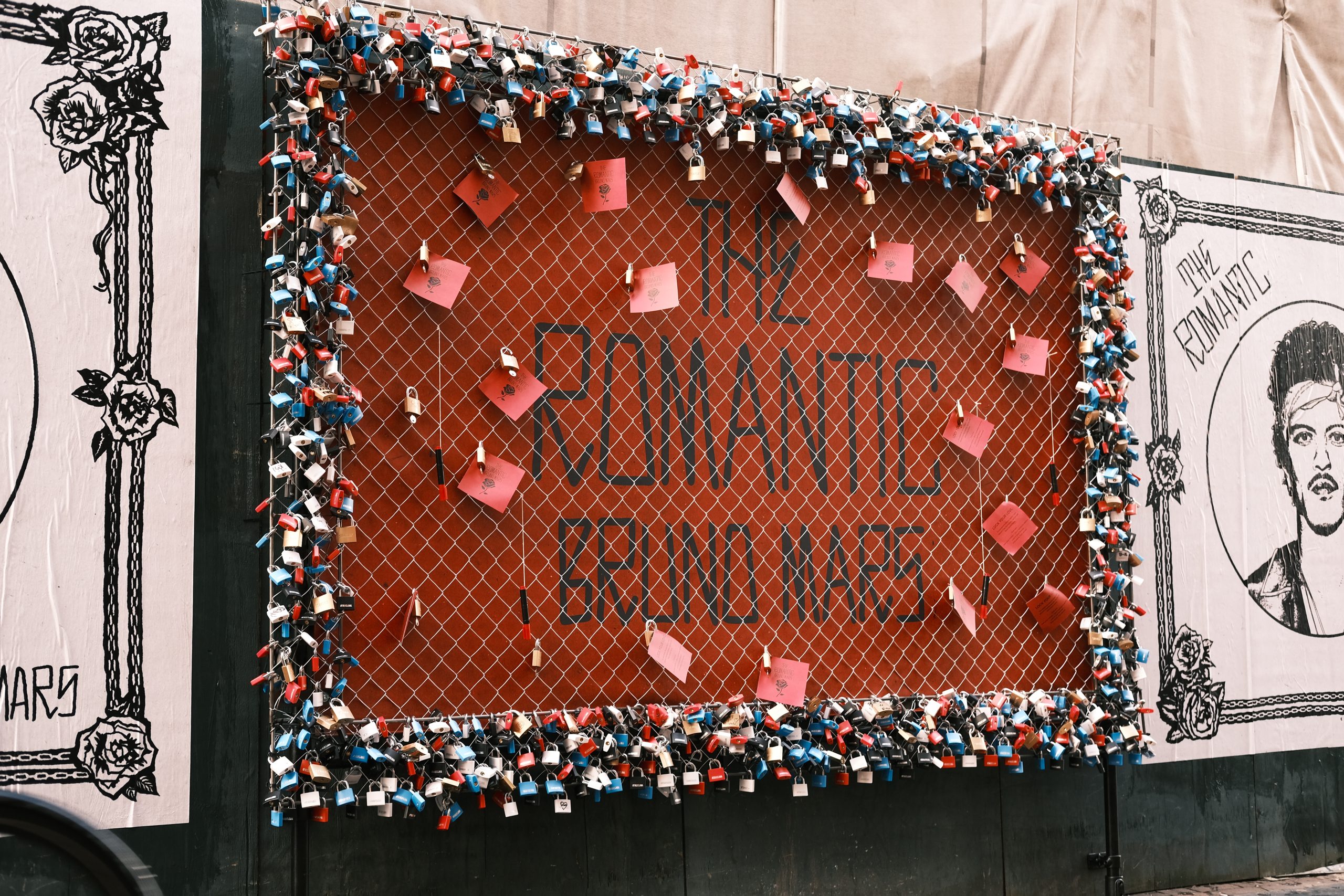
Three brands, three special builds, one same result: people stopped, looked twice, and remembered it. Here's what makes a special build worth stopping for.
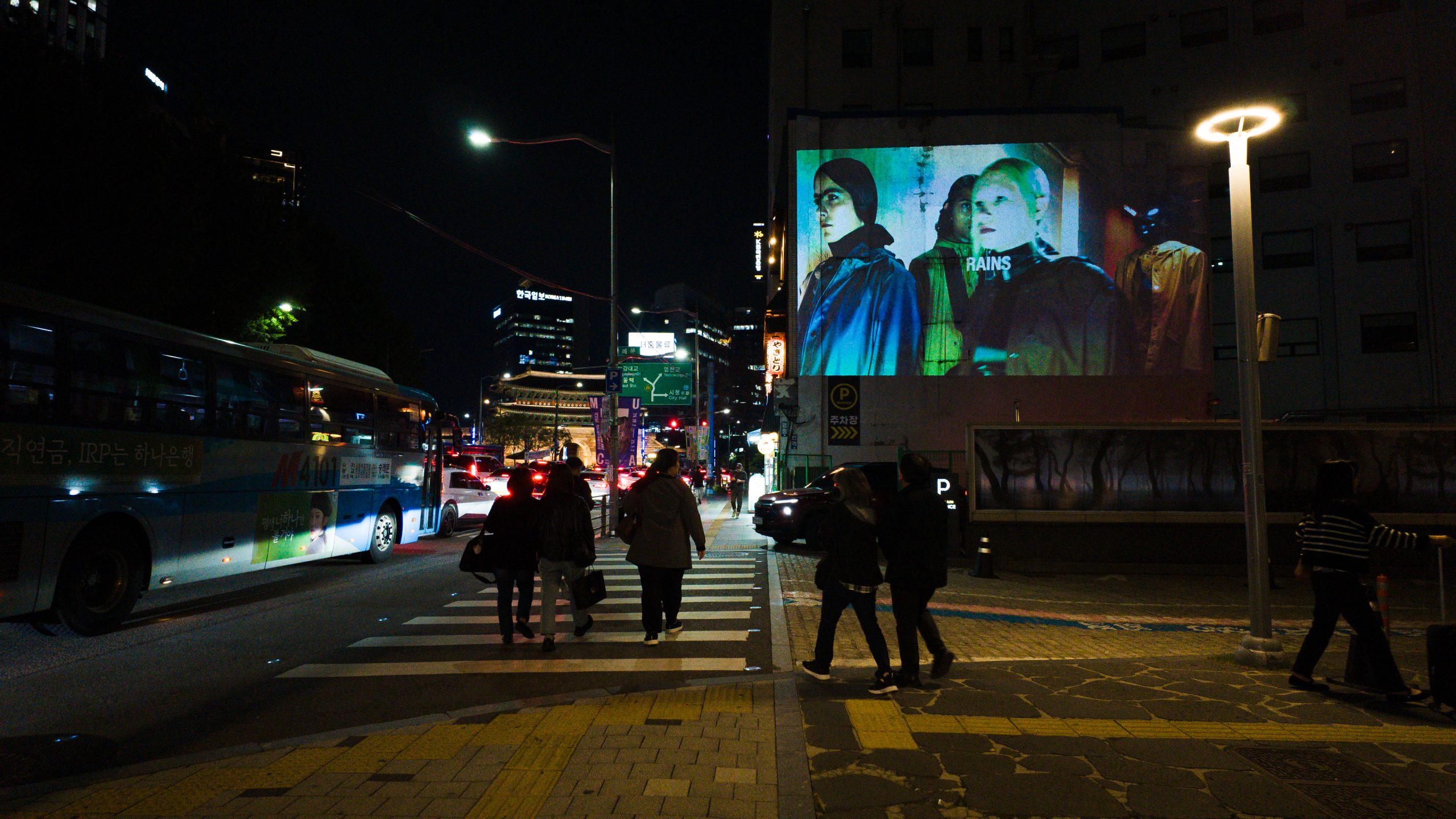
Every new market comes with its own rules, its own risks, its own learning curve. Here's what it actually takes to make it work, city by city.
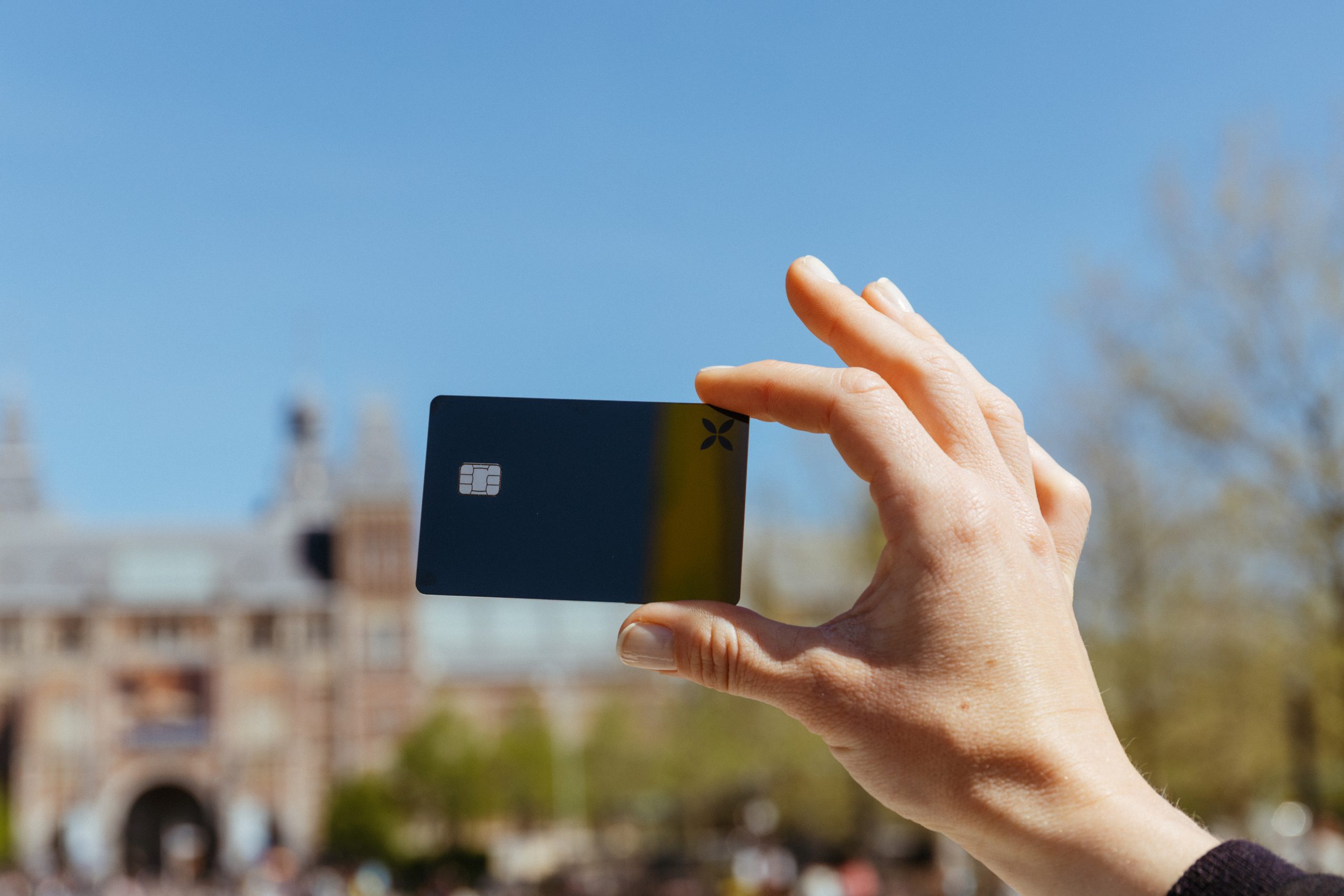
Physical presence builds the trust that fintech and crypto brands need. See how brand activations can do that in person.
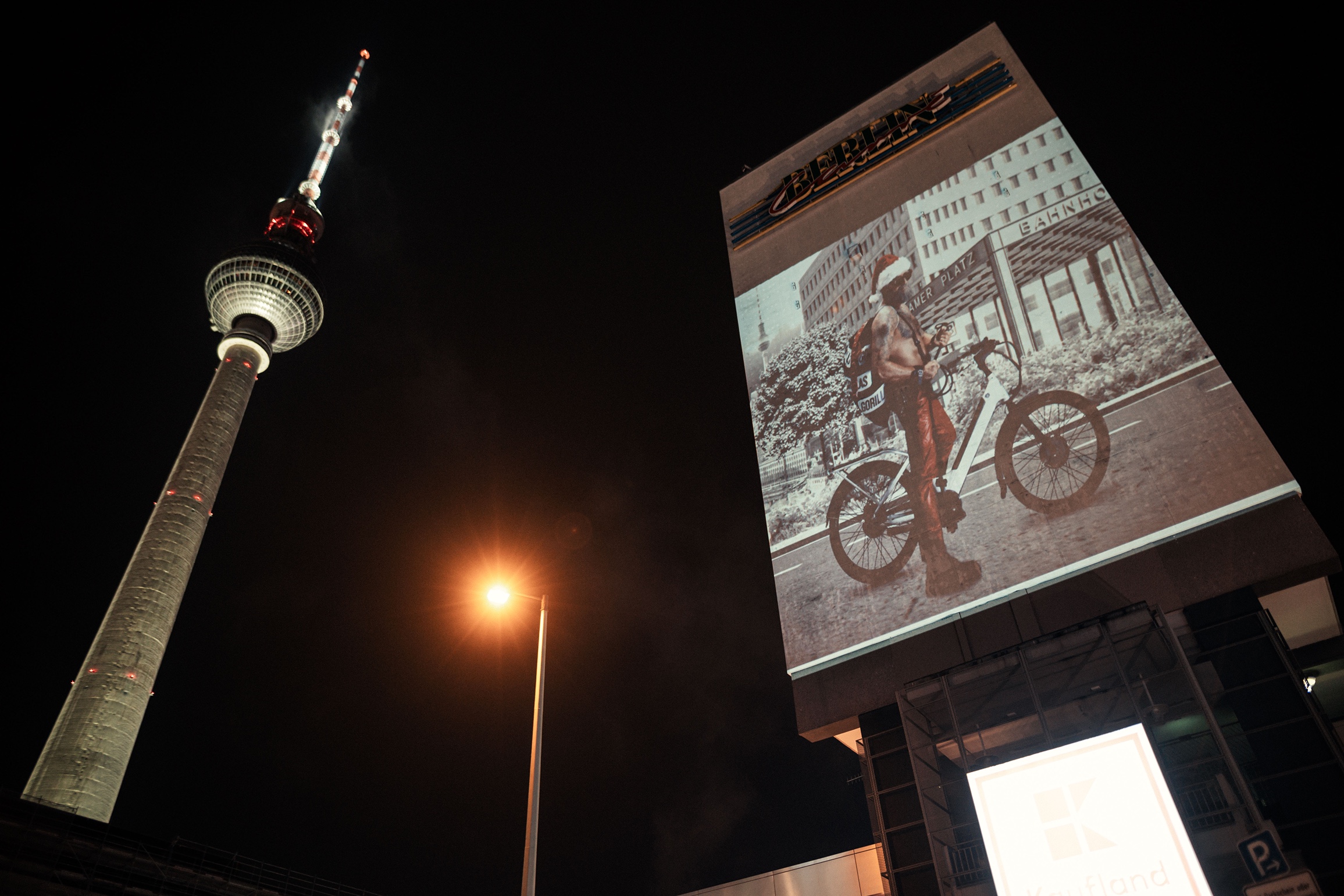
The best projection campaigns aren't just about the light. They're about how you play with the spot you choose. Here's why location should shape your creative.
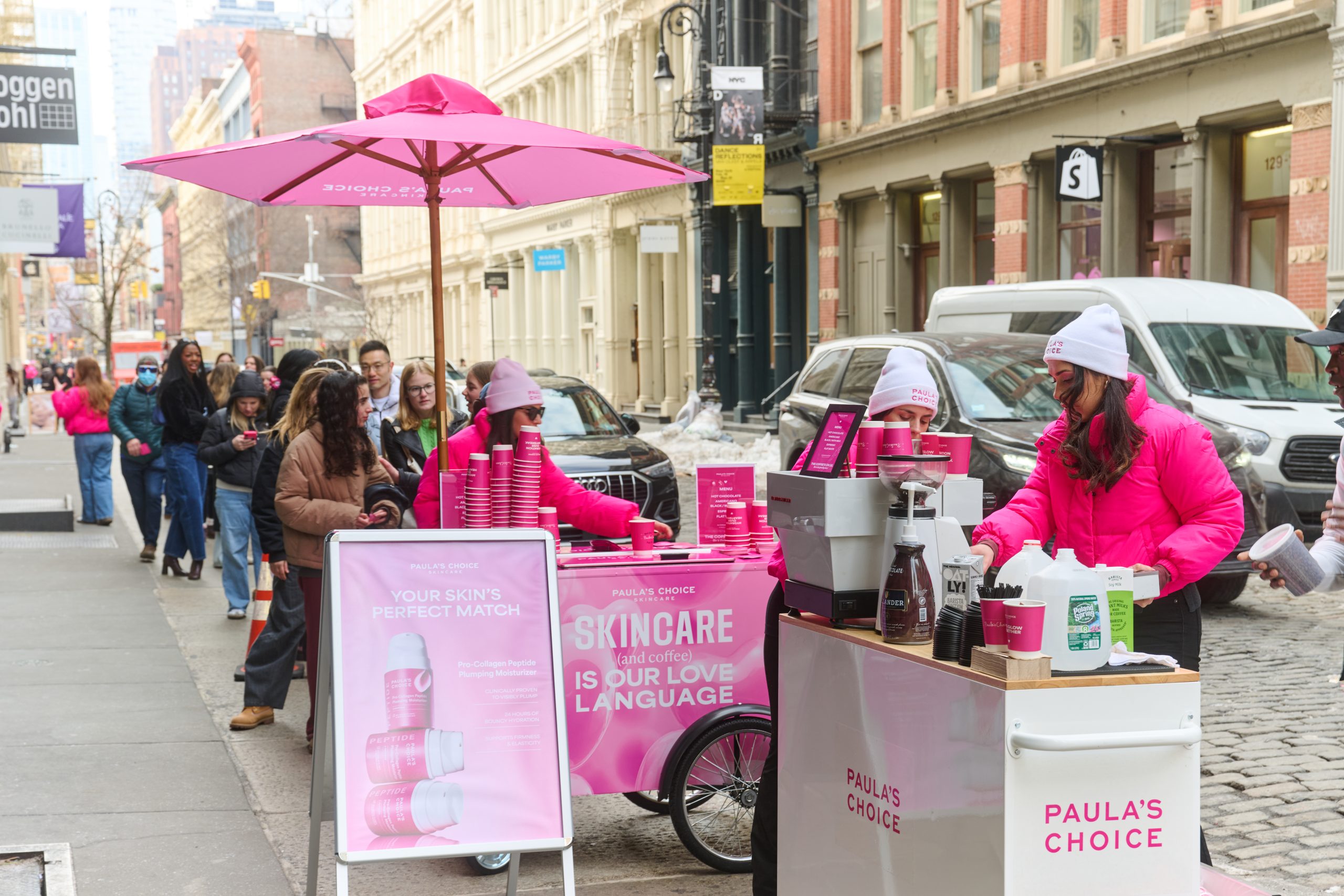
You don't need a runway show to own fashion week. Here's how brands show up on the streets.
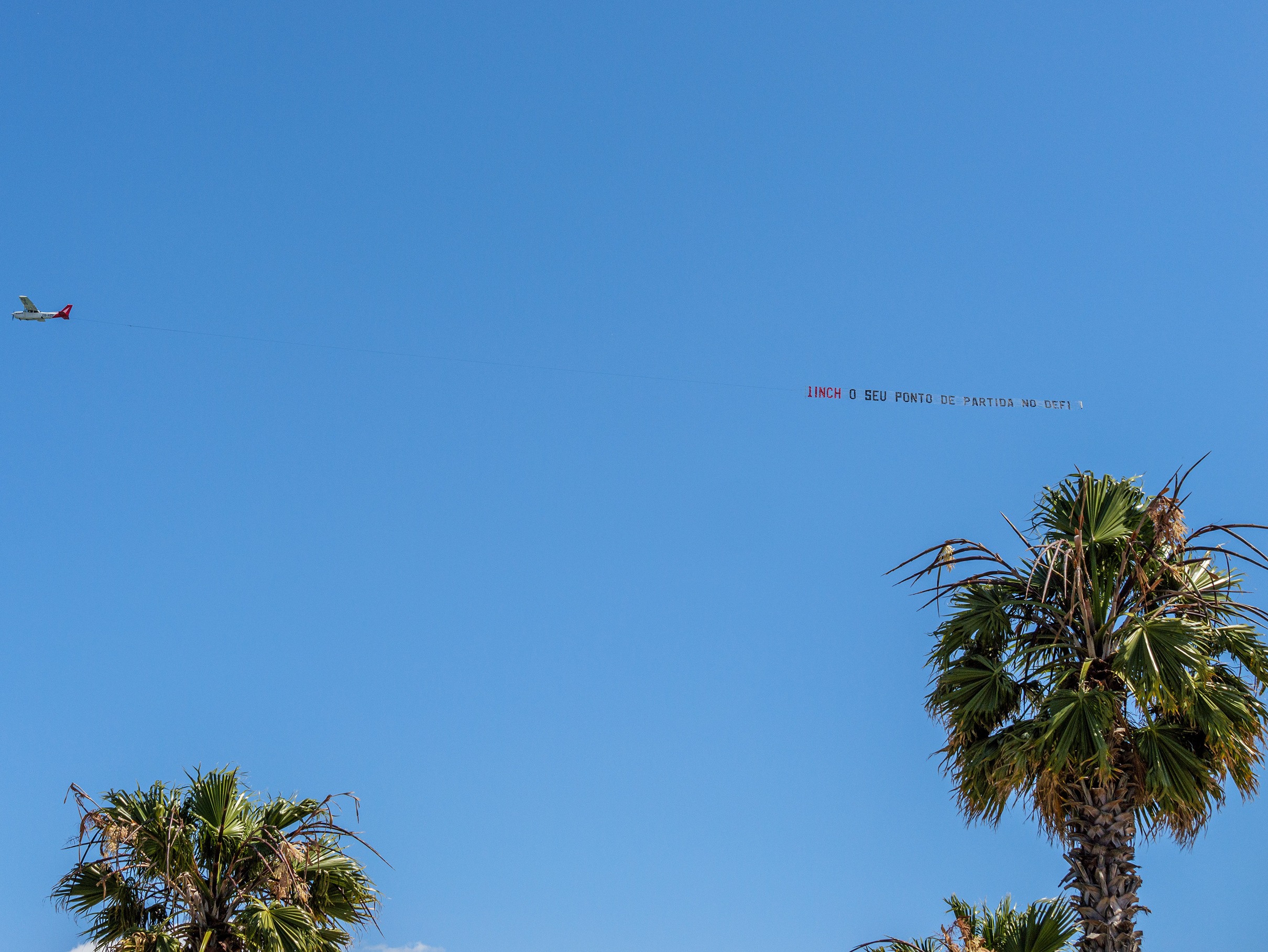
Your audience doesn't stay home all summer. Here's how brands follow them to where they actually are.
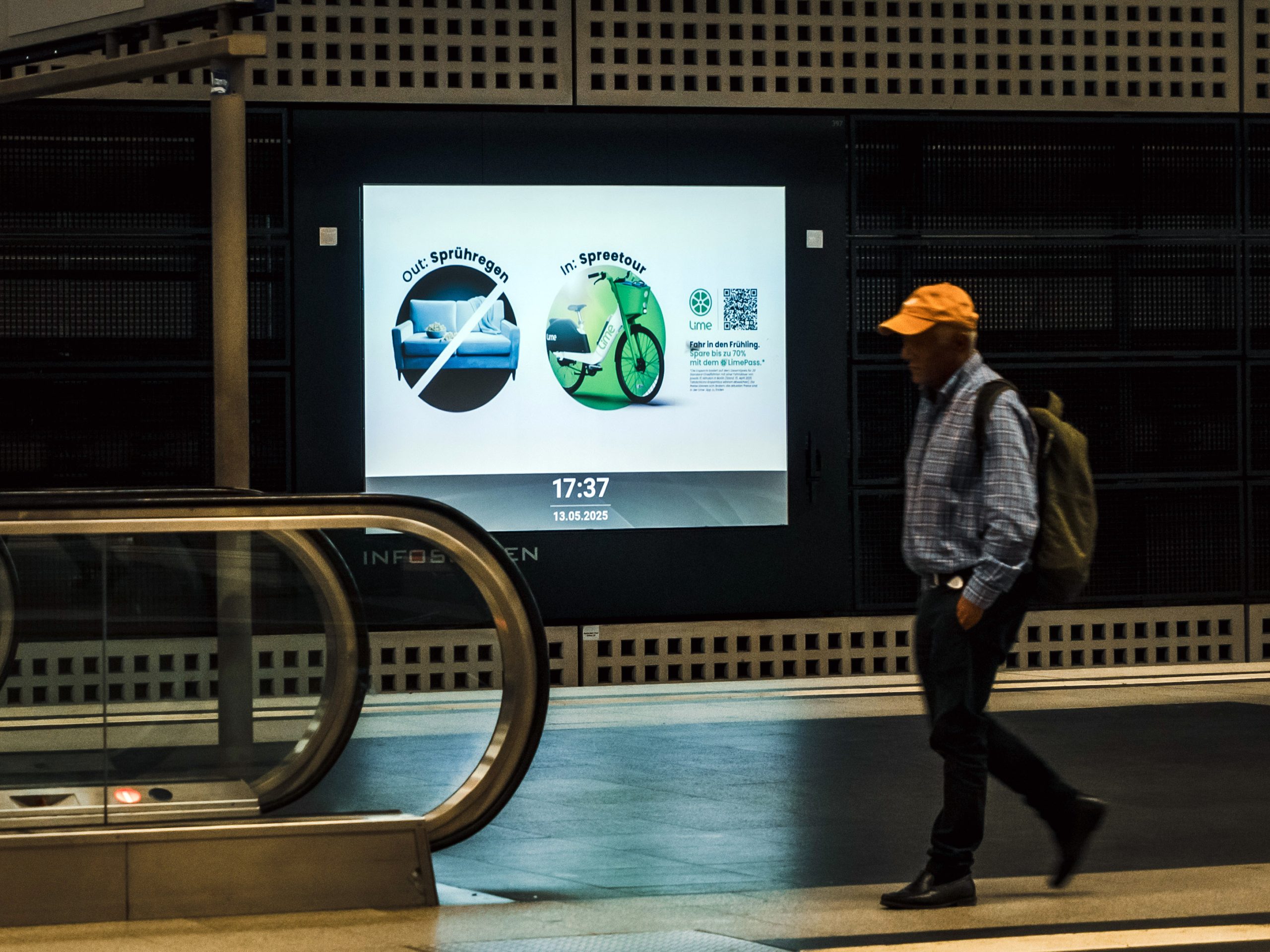
Most brands treat programmatic DOOH as screen buying. But it can do much more, such as location-specific creative, time triggers, and weather activation.