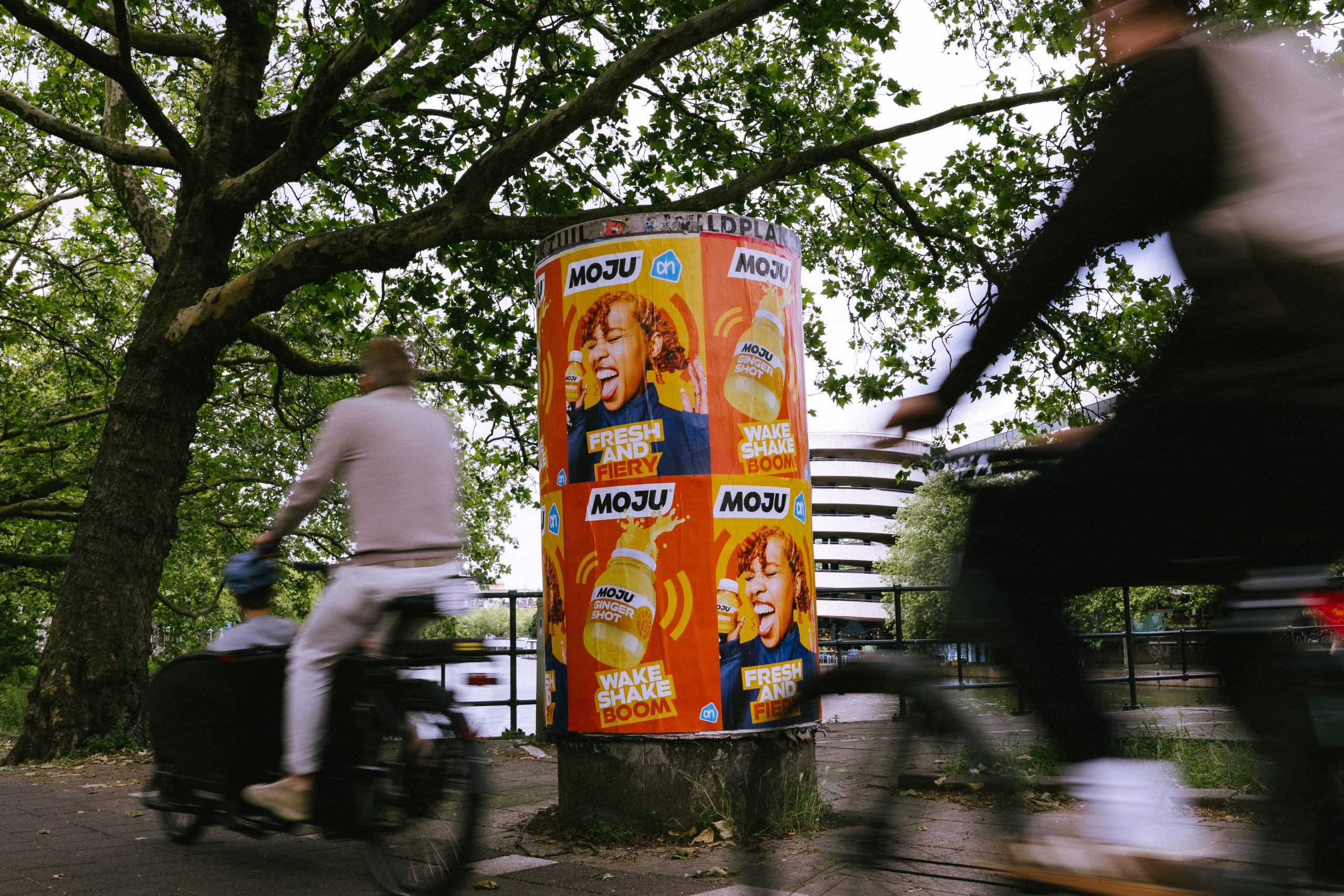
OOH marketing for startups: how to create street-level buzz without a huge media budget
MOJU, Le Smash and JUNI all prove the same thing: the right streets make a small brand impossible to miss. Here's how each one did it.
Ask most brands what makes a projection campaign work and they’ll talk about the visual. The animation, the brightness, the size of the wall.
They’re not wrong. The light matters. A projection lives or dies on execution.
But the brands that get real cut-through do something more. They let the location shape the creative before a single frame gets designed. Not instead of the visual. Alongside it.
There’s a misconception that location-driven projections mean projecting on the famous building. The cathedral, the tower, the monument.
You don’t need to be on the landmark. You need a frame that tells people exactly where they are.
Projecting adjacent to a protected landmark isn’t a compromise. It’s often the sharper creative decision. The landmark does its job just by being in the shot. Your message does its job by responding to it. And you skip the legal problems that come with lighting up protected heritage, which in most European cities is a real constraint worth respecting.
The skill isn’t access. The skill is reading what a location says and writing something that answers it, then executing that with the same craft you’d bring to any projection.
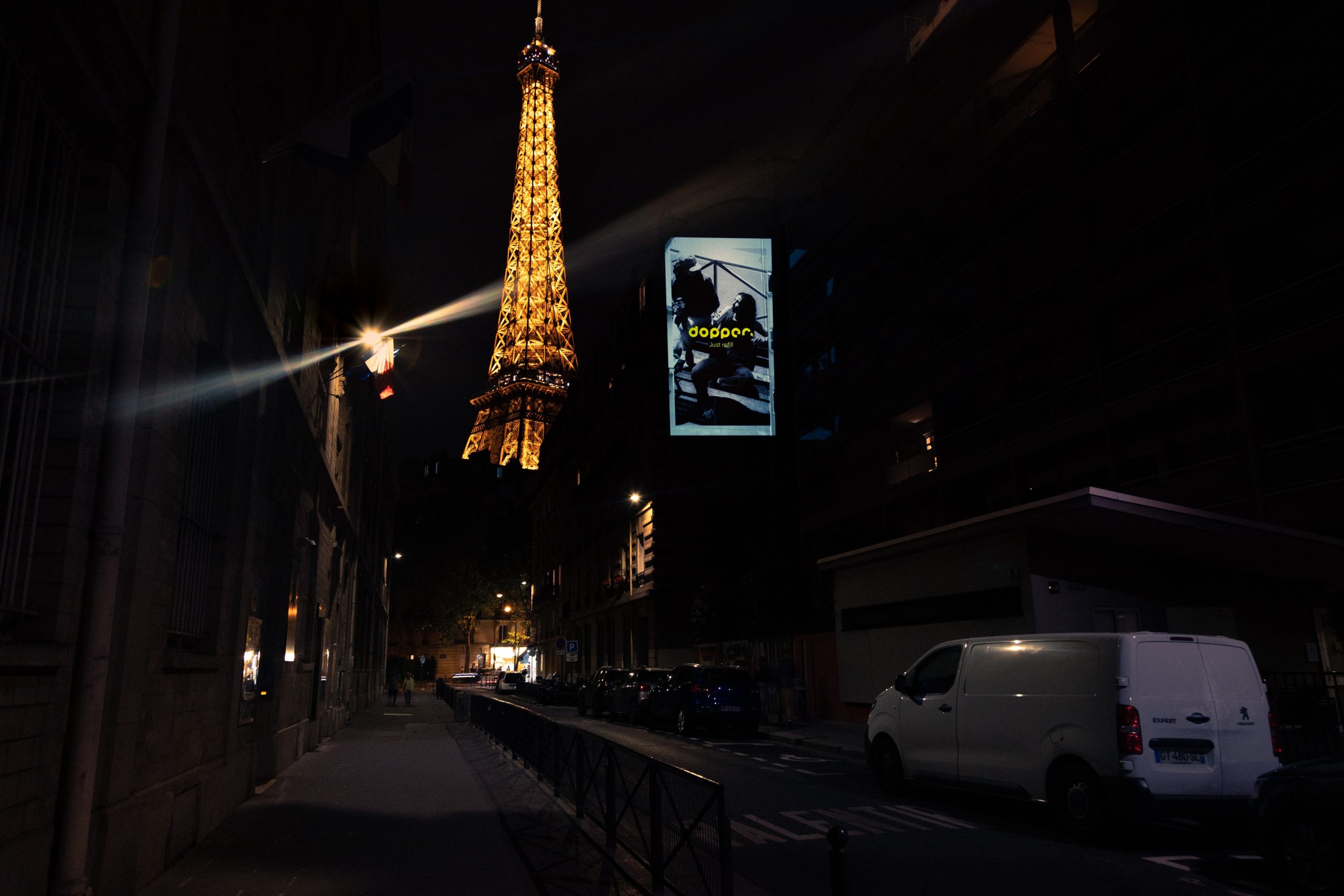
Location logic isn’t only about landmarks and geography. Sometimes it’s about reading the character of a street.
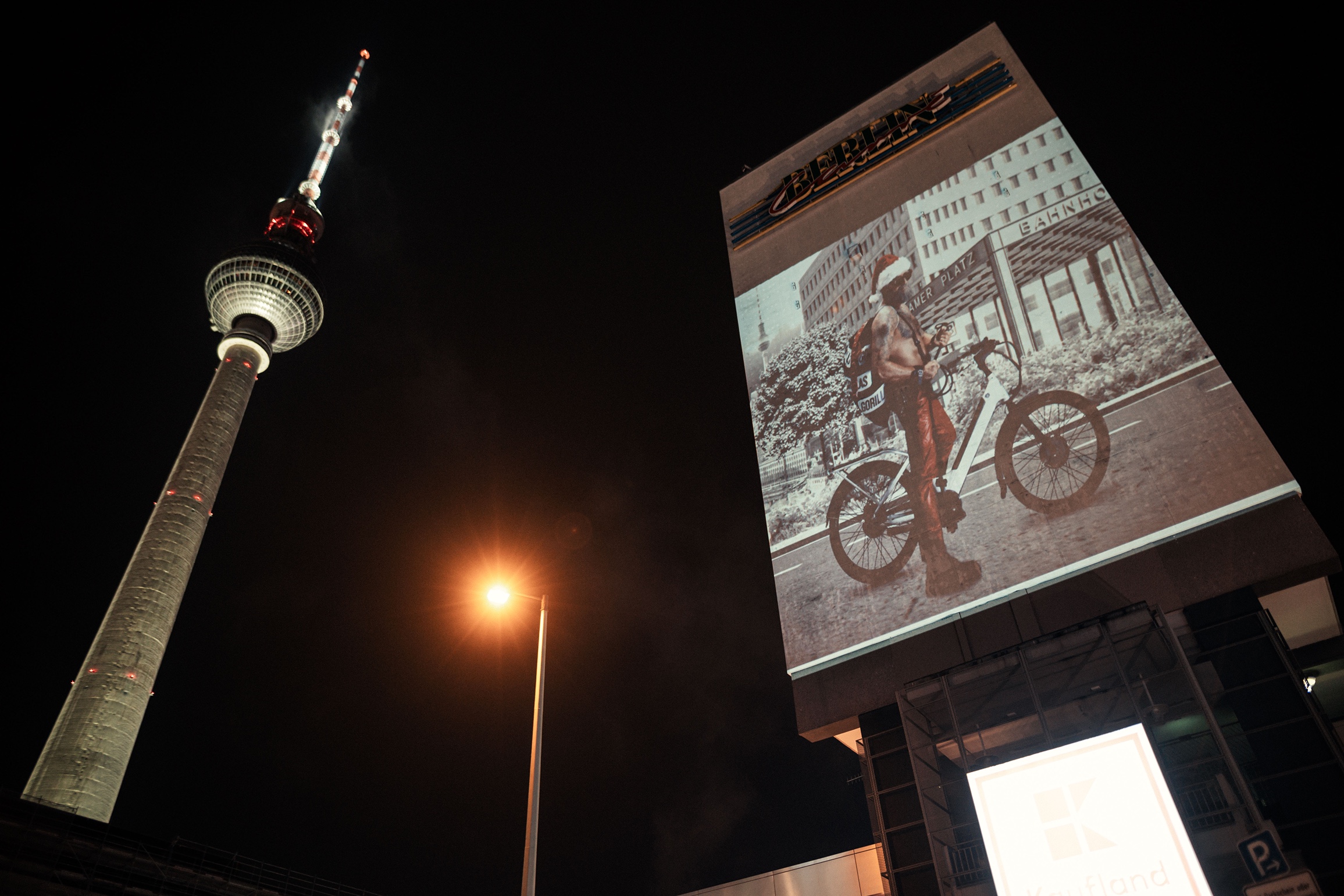
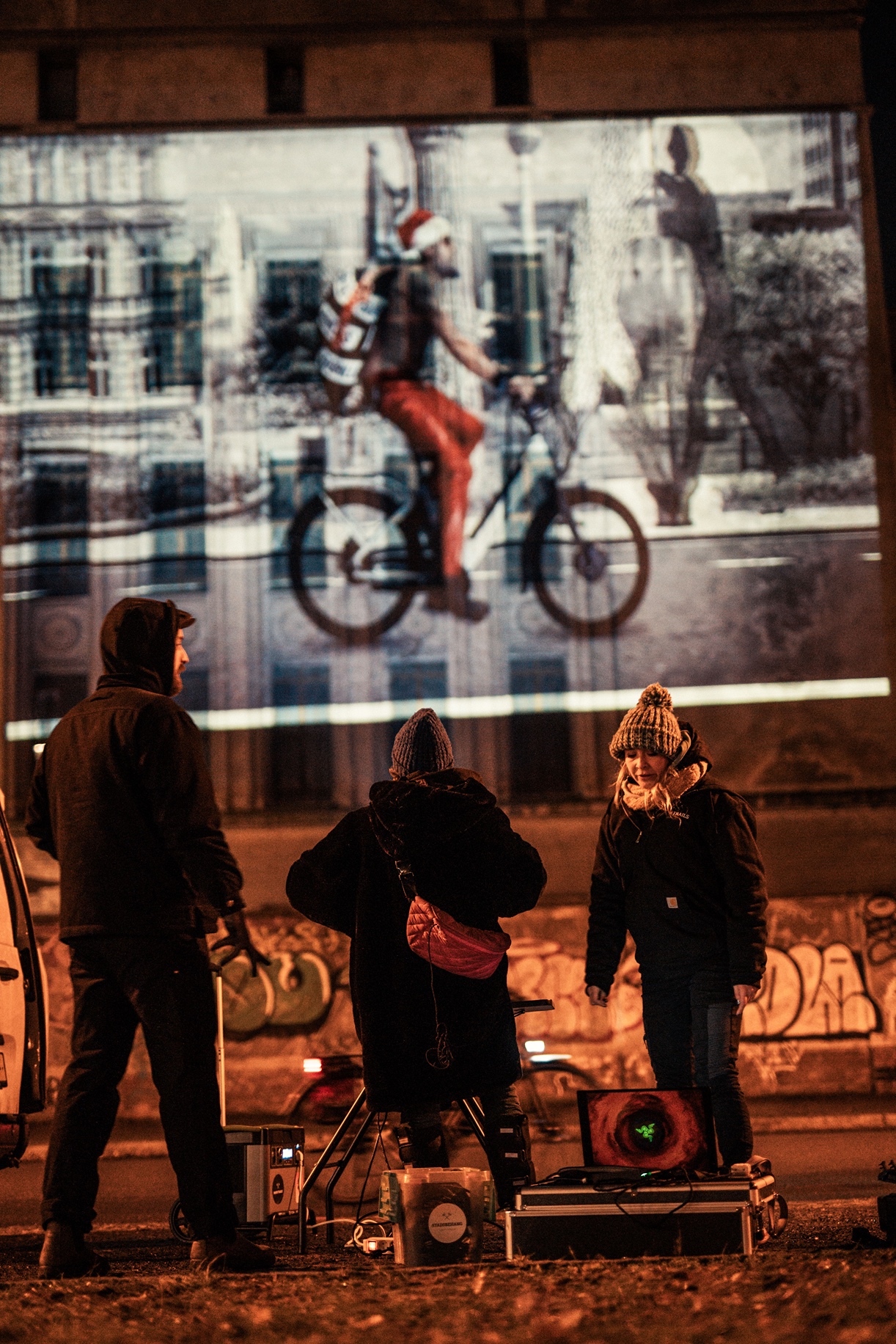
For Gorillas in Berlin, we placed a Kinky Santa campaign right where it belonged: around the city’s kinky clubs. The same creative anywhere else in Berlin would have been a mildly edgy holiday ad. In that specific environment, it was an inside joke with the neighborhood. The execution didn’t change. What changed was the read, because the place gave the joke its punchline.
That’s the move. Not just choosing a city, but choosing the streets where your message stops being an ad and starts being a wink.
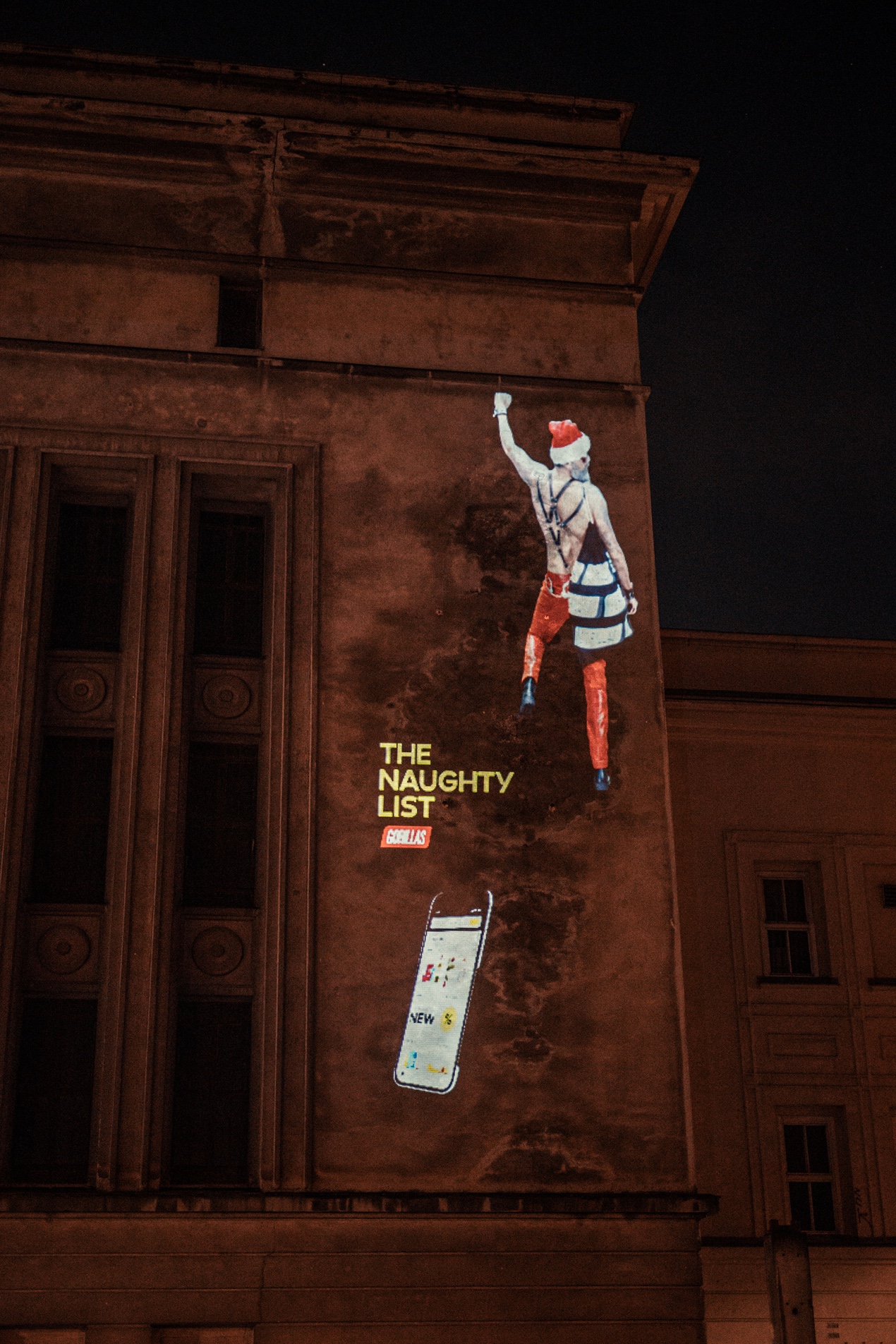
When your message is written for one specific place, it doesn’t just look better. It becomes something else. Something people photograph. Something people explain to their friends. Something that feels like it belongs exactly where it is.
A brilliant projection on a random wall is still just a brilliant projection. But that same execution, informed by the street it’s on, becomes memorable in a way great light alone can’t manage.
We ran a multi-city projection campaign for a Dutch telecom provider built on exactly this idea. One concept, rolled out across five Dutch cities, with a different line in each one. Every line was a piece of wordplay rooted in the geography of that specific city: The Euromast in Rotterdam became the 1-Euromast, referring to the price of the product, while we reframed the Domtoren in Utrecht as a smart tower for just one night.
The visual craft was consistent across all five. What changed was the message underneath it, and that’s what made each one land differently in each city.
Some of the best location logic is almost embarrassingly simple.
For Veronica, we projected along a stretch of Dutch highway where the speed limit had just been reduced to 80 km/h. The line: “80 was nog nooit zo lekker.” One number, two meanings. The new speed limit, and Veronica’s 80s music format. Drivers passing at exactly that speed got a joke that only existed because of where they were and what station they were probably already listening to.
Nobody plans a campaign around a speed limit change until someone does, and then it’s obvious. That’s what a location insight looks like. It’s rarely spectacular on paper. It’s spectacular in place, and it still needed a well-executed projection to land it.
Here’s the part brands underestimate: location-specific work multiplies its own reach.
Nobody sees the Beter Bed “light on, light off” window gag by accident. It’s two bedroom windows that play with lighting, and in real life you’d have to be standing there at the right moment to catch it. But that was never the point. It exists to be filmed and explained. The location logic is exactly what makes it worth filming: the joke only works because of where it physically is.
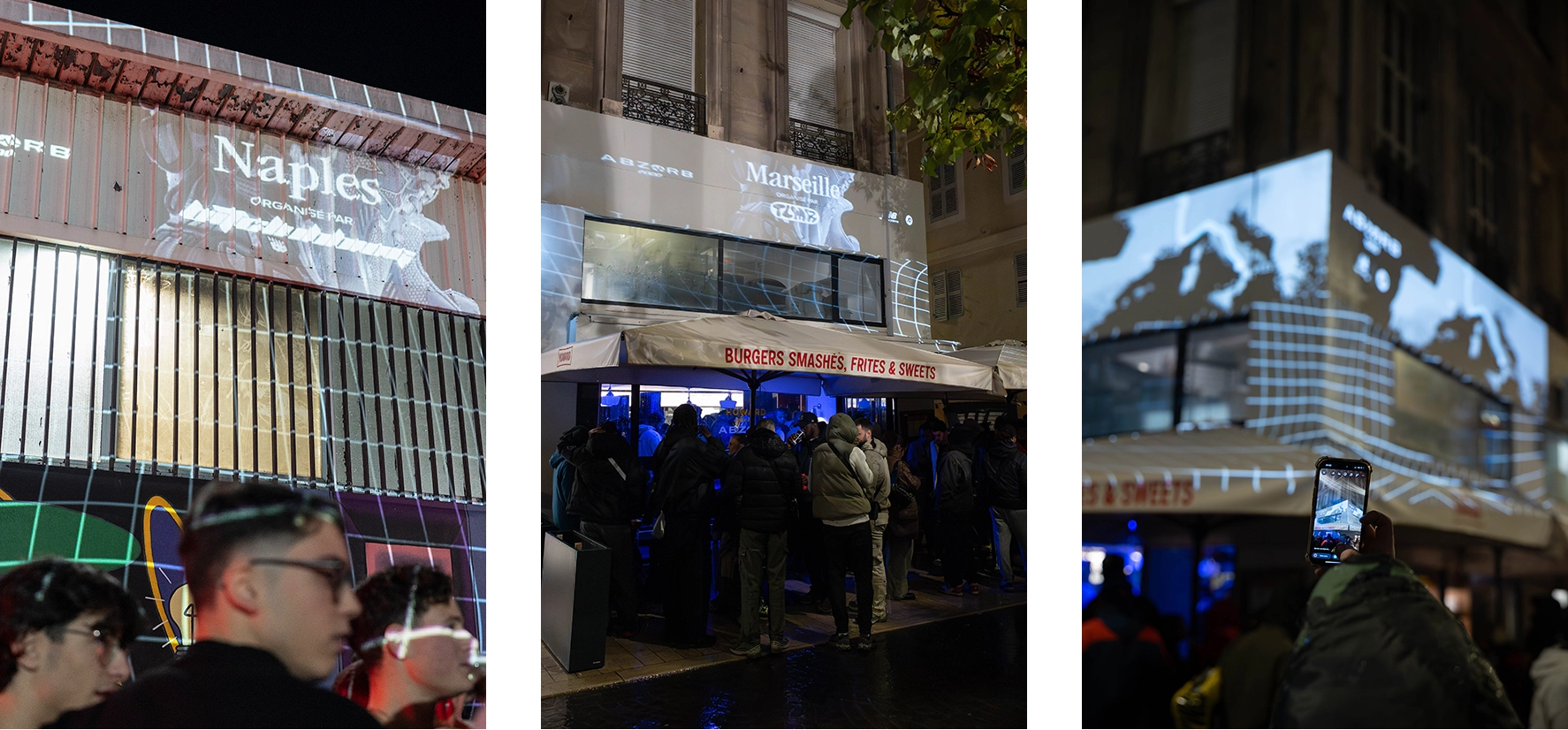
When JD Sports and New Balance launched their ABZORB collection, we ran location-based projections in Marseille and Naples, with creative that named both cities and a connected party to anchor each one. The projections weren’t just seen by the people walking past. They were filmed, posted, and shared by people who wanted to show where this was happening. The specificity is what made it shareable. “Look at this ad” is not a message anyone sends. “Look at what’s on the wall in Marseille right now” is.
Location-specific work gives people a reason to explain it. And explanation is distribution
So what does this mean for your next campaign?
The projection still has to look good. That part doesn’t change.
But before you get to the light, ask what this location already means to the people who live near it, walk past it, or drive through it every day. Let that shape the message. The execution will follow, and it’ll land harder because of it.
Got a location in mind? Let’s figure out what it’s saying.
MOJU, Le Smash and JUNI all prove the same thing: the right streets make a small brand impossible to miss. Here's how each one did it.
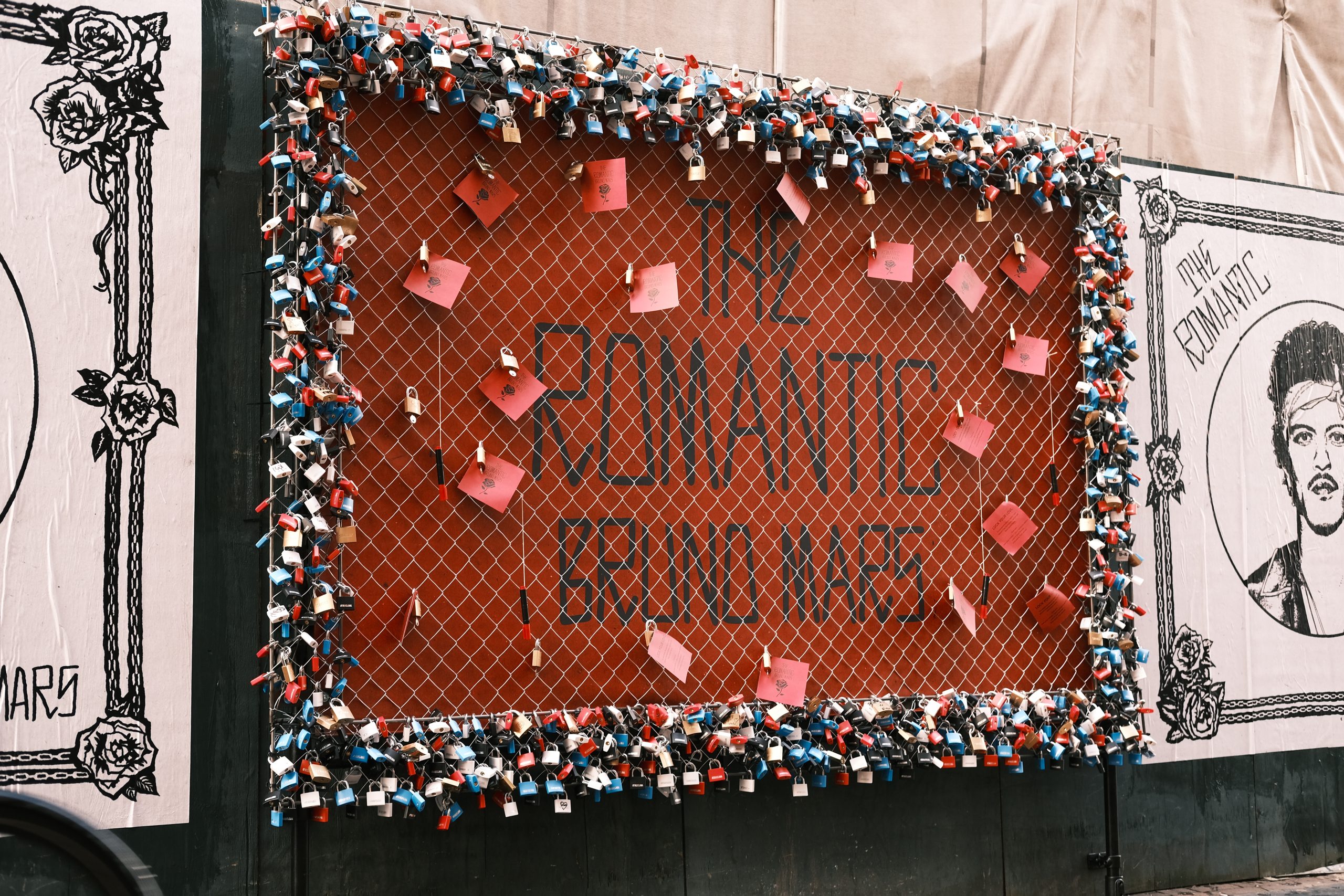
Three brands, three special builds, one same result: people stopped, looked twice, and remembered it. Here's what makes a special build worth stopping for.
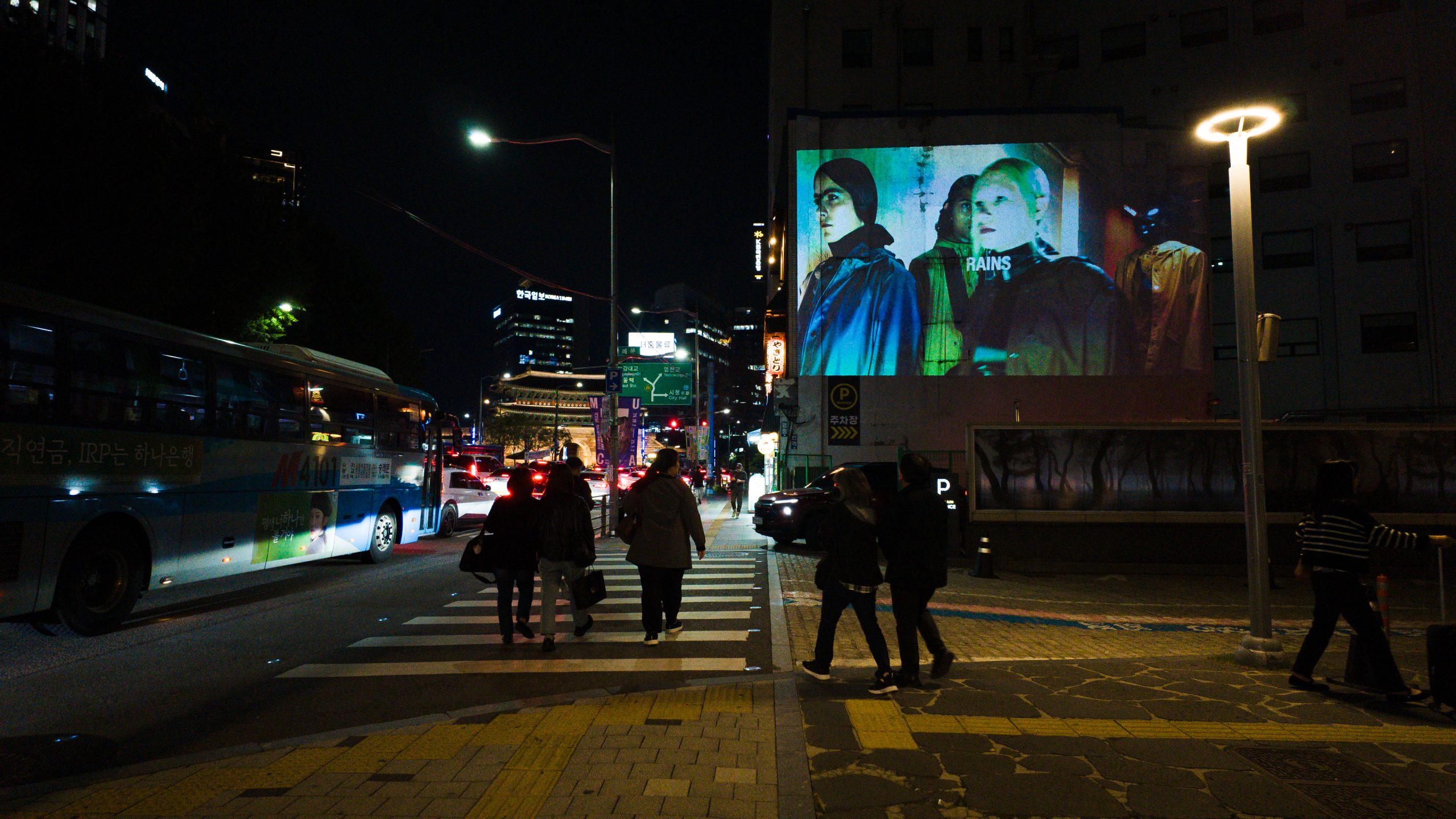
Every new market comes with its own rules, its own risks, its own learning curve. Here's what it actually takes to make it work, city by city.
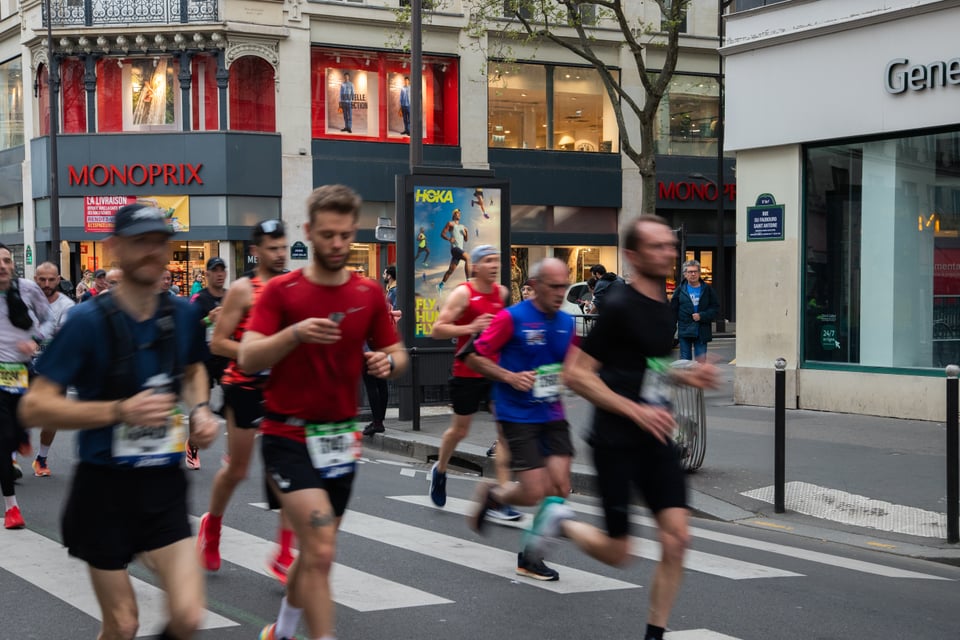
You don't need a sponsorship to win a marathon weekend. Here's how street marketing puts your brand where the crowd actually is.
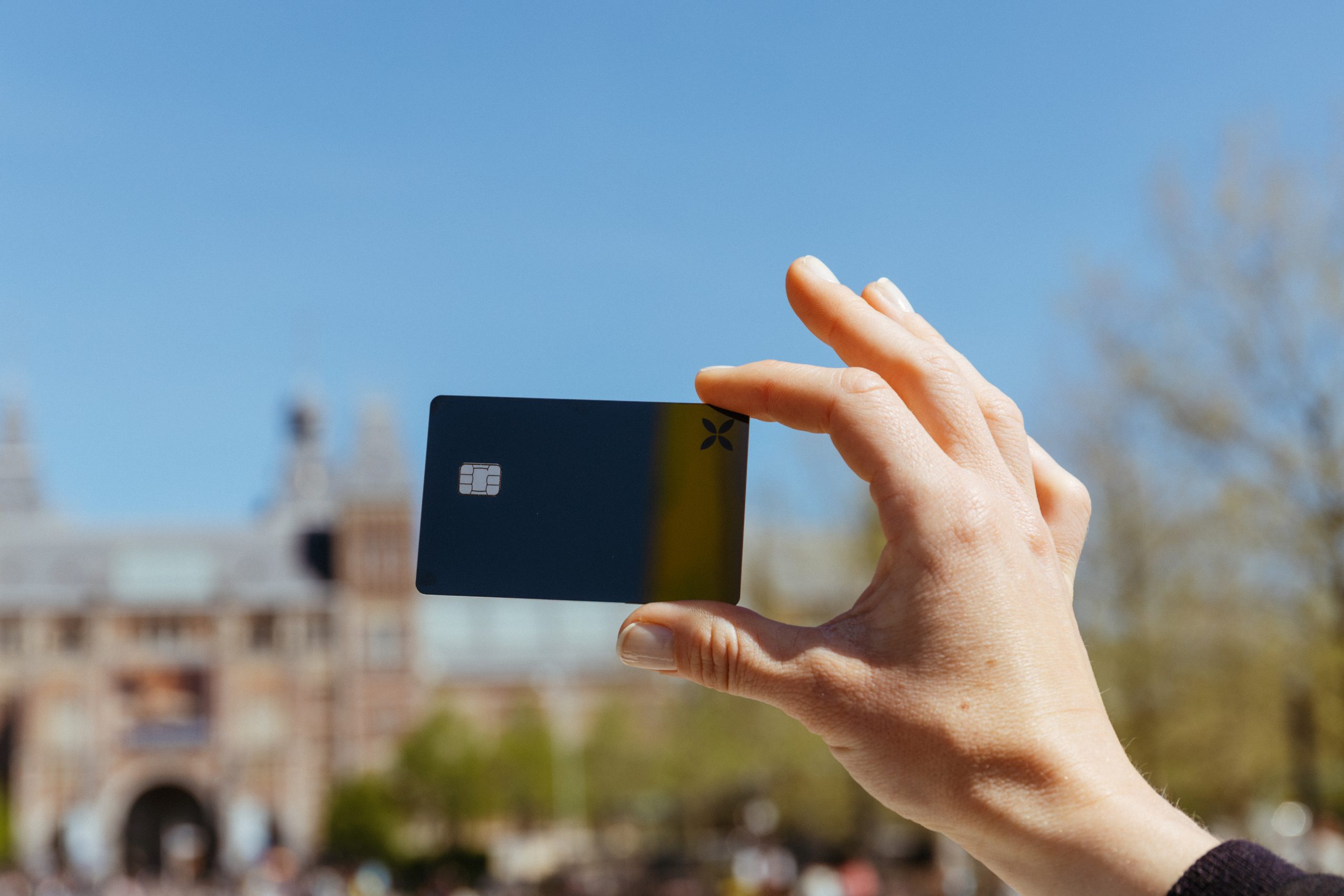
Physical presence builds the trust that fintech and crypto brands need. See how brand activations can do that in person.
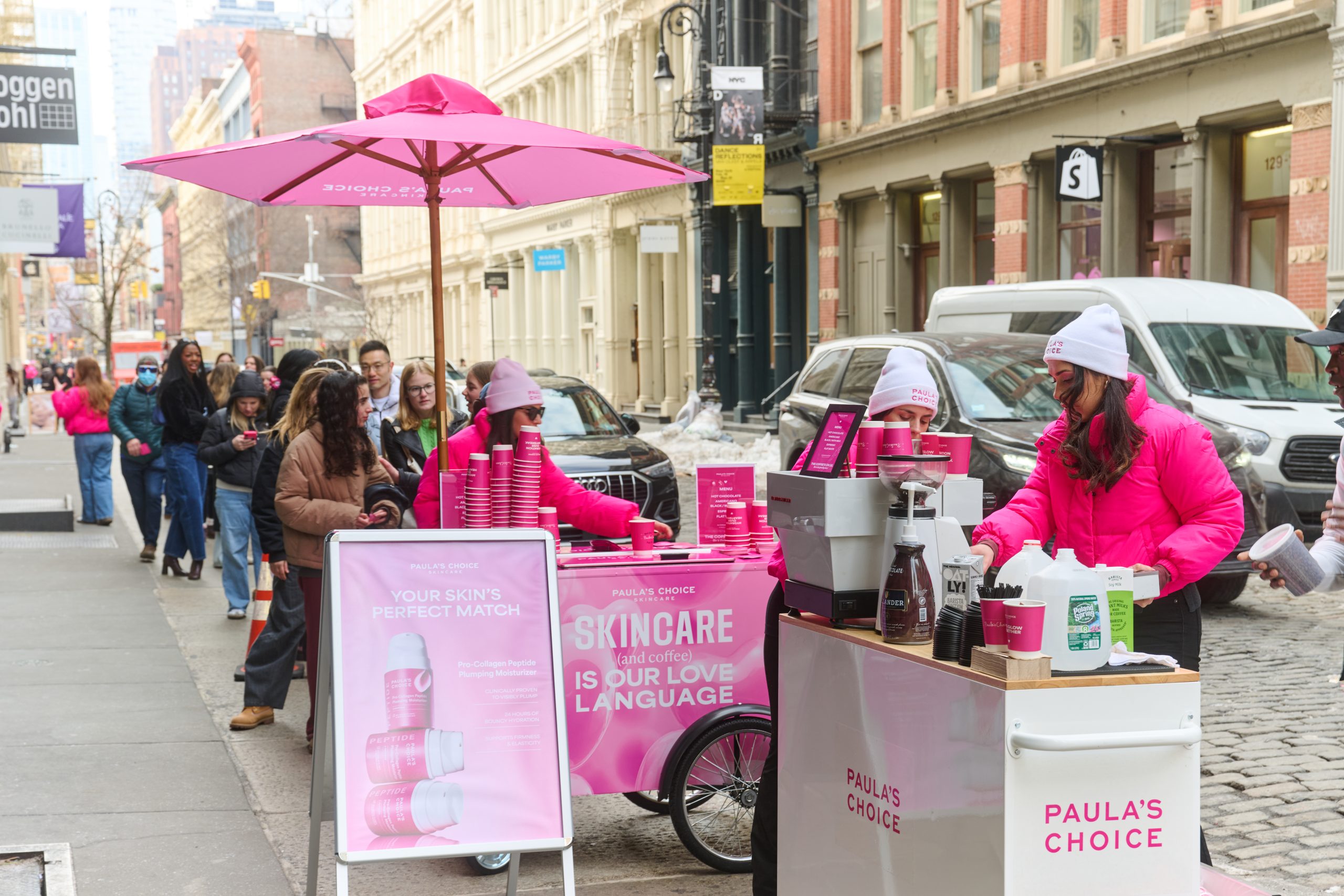
You don't need a runway show to own fashion week. Here's how brands show up on the streets.
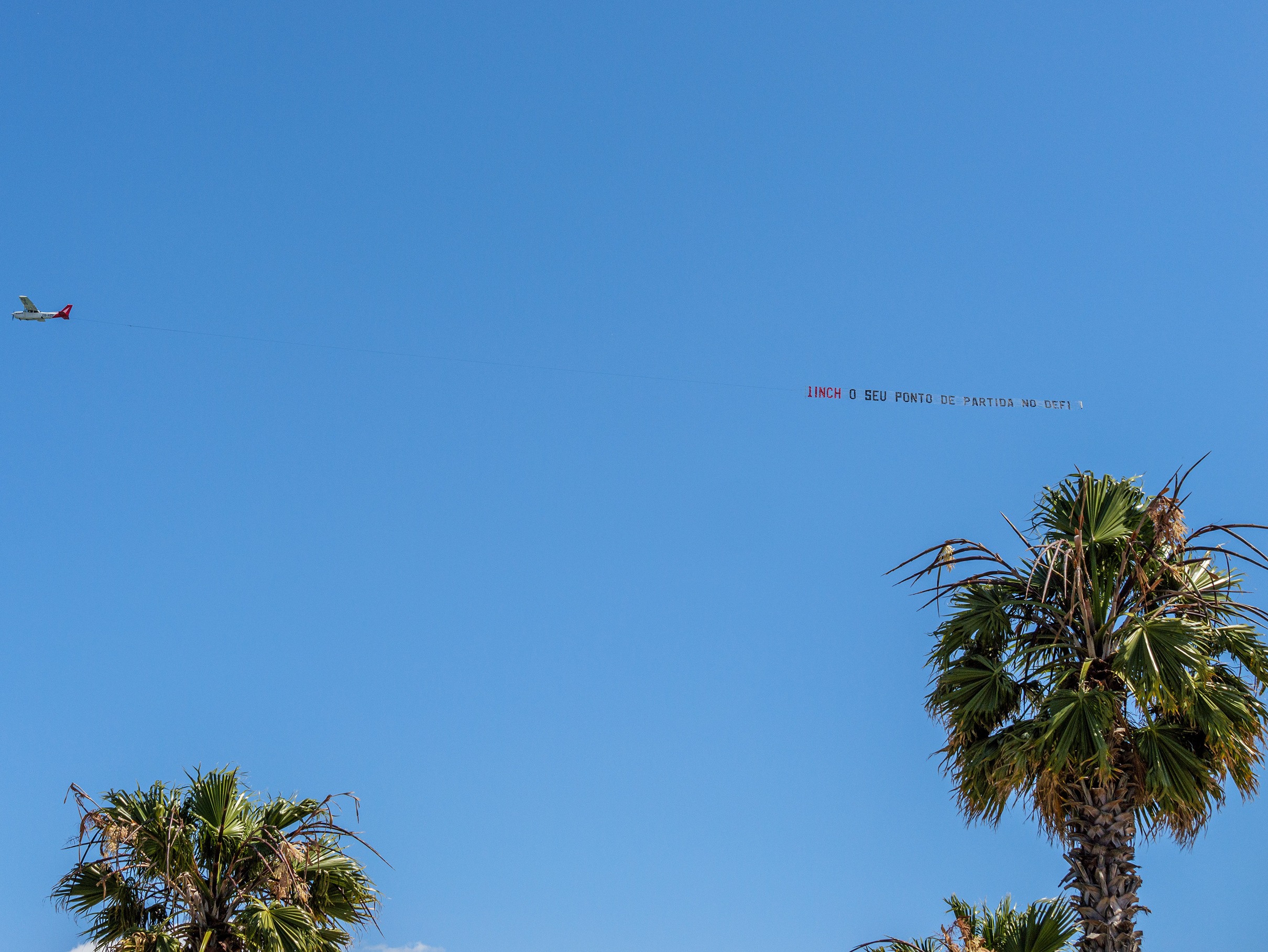
Your audience doesn't stay home all summer. Here's how brands follow them to where they actually are.
Most brands treat programmatic DOOH as screen buying. But it can do much more, such as location-specific creative, time triggers, and weather activation.