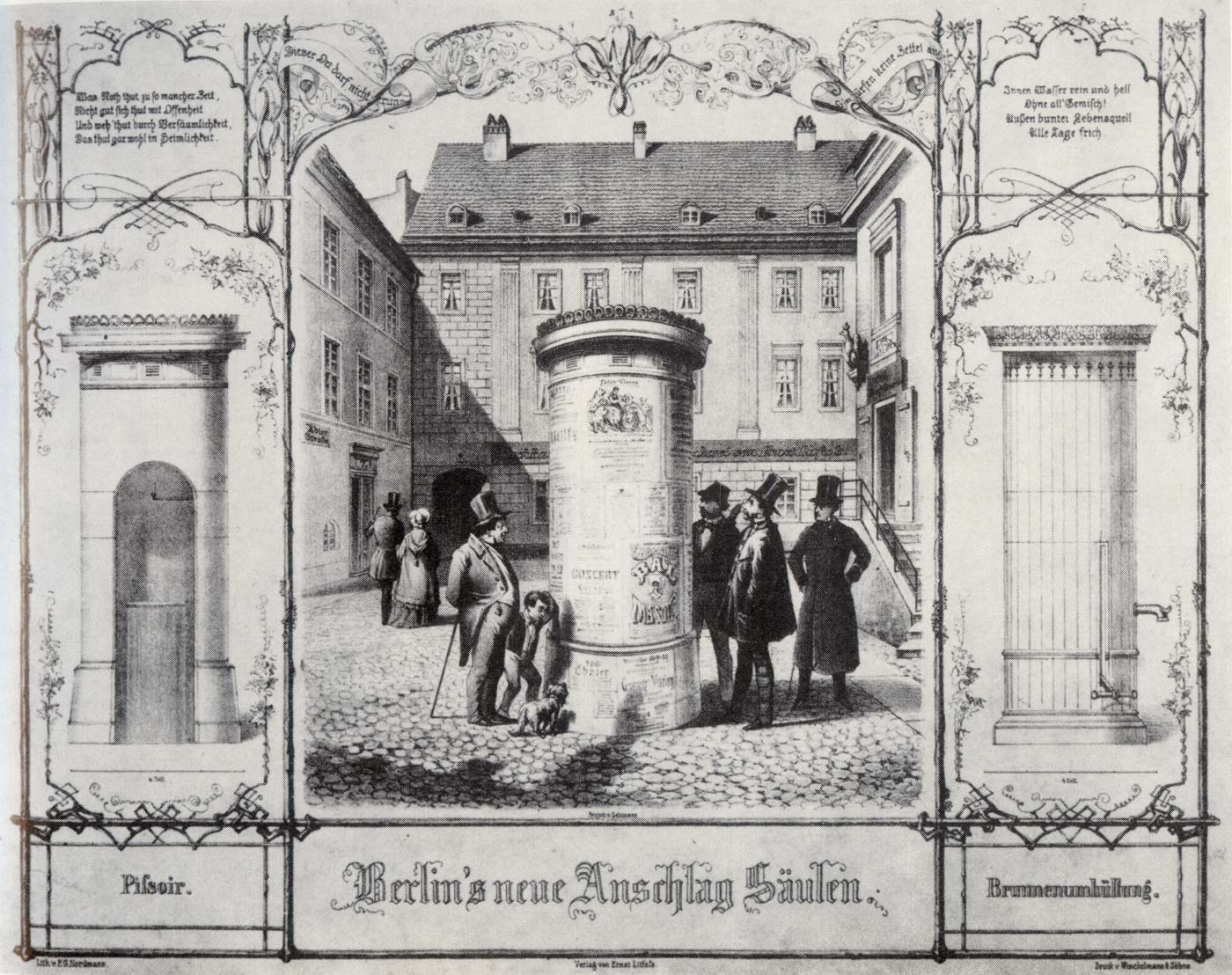
The poster war: how Amsterdam’s wild posters carved up a city they did not own
Two Amsterdam poster crews went to war over walls neither of them owned. And then, one of them got a licence from the authorities.
Half the briefs we receive for graffiti cause confusion. That’s because different words are used. Now, sorting the word from the work is our job. But when a brand asks for green graffiti and pictures chalk, or books reverse graffiti expecting it to hold for a month, the gap between the term and the technique costs everyone time.
So here is the street-level glossary, straight from the people who clean it, cut it and spray it. Three names, and the first thing to know is that one of them is really a marketing label for another.
Reverse graffiti does not add anything to the environment. It takes away. A stencil goes onto a dirty surface, a pressure washer strips the grime inside the cut lines, and your logo appears clean against dirt. No paint. No ink.
The clean surface underneath was there the whole time. You just uncovered it. Your message sits on the pavement, and it fades on its own as the street gets dirty again. Temporary by design.
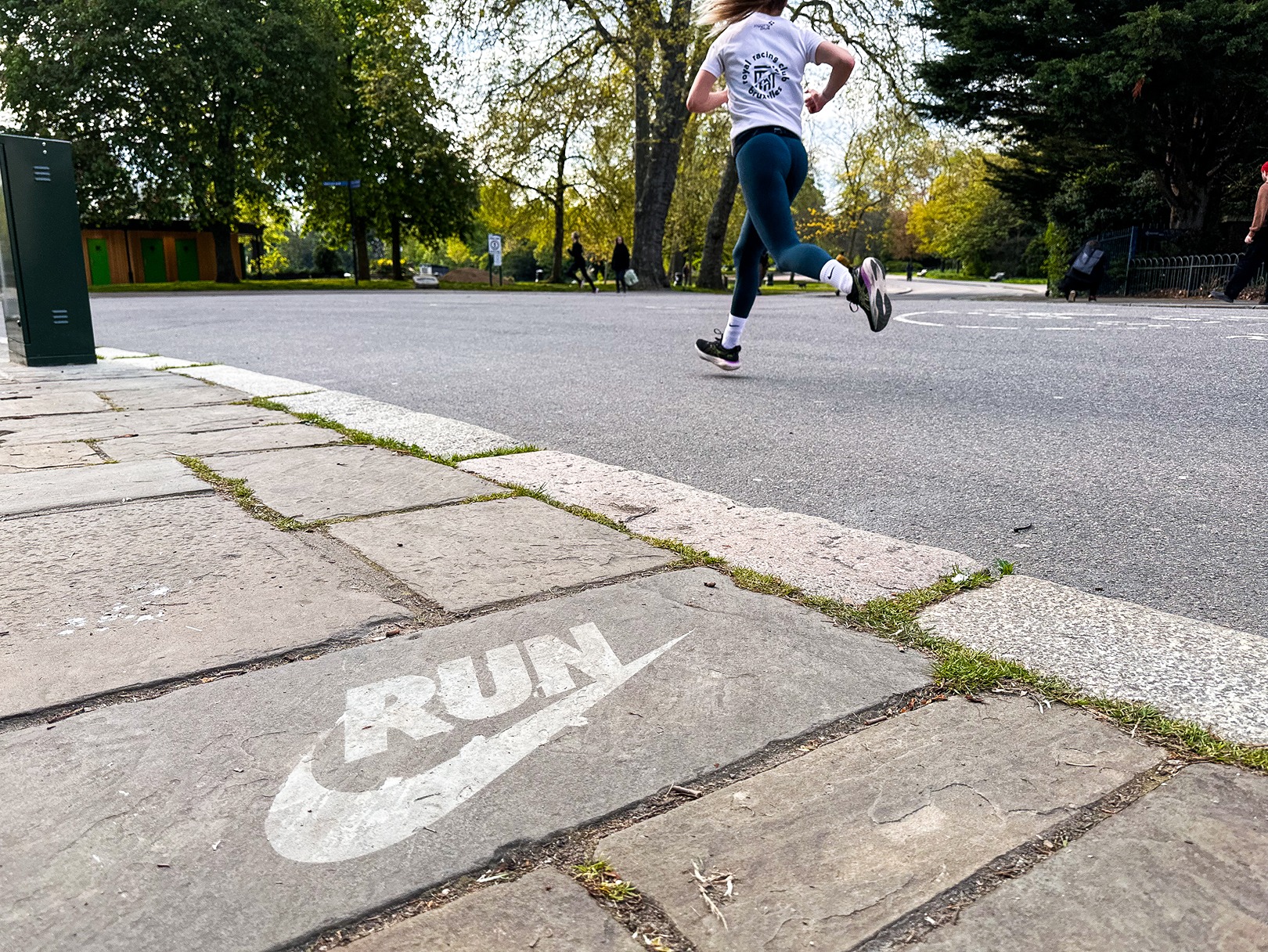
Now, the word green graffiti. Fair warning: the industry throws it around loosely. To some it means the eco-marketed version of reverse graffiti. To others it is an applied natural paste pushed through a stencil and rinsed off with water. To others still it is a catch-all for anything eco on a wall, moss art included. So here is what we mean by it, no ambiguity: when Paper Trails says green graffiti, we mean reverse graffiti or chalk stencils told through its eco story. When the point is the method, we call it reverse or chalk. When the point is the footprint, we call it green. Same wall, different pitch.
This is where people get tangled, because chalk graffiti is not reverse graffiti. Here you do add something.
The stencil is the cut template itself, made so a design reproduces cleanly and repeatedly on the street. For chalk work, that stencil sits on the ground and washable chalk paint or chalk spray goes through it. Lift it, and the mark is there: sharp, on-brand, ready to repeat down the block.
Then it washes away. Rain, footfall and time take it within roughly a week. That is a feature, not a flaw. Short, loud, gone before anyone thinks to complain.
Chalk also gives you room the clean-wall method cannot. Colour. Detail. Bigger, bolder designs. You can run a scatter of small tags or scale the same idea into a full floor takeover.
Need it to stay longer? We swap the chalk for clay paint. Same stencil, same technique, tougher finish. We reach for clay when a tag has to survive weeks, or heavy footfall, like a marathon route where thousands of feet hit the same patch of tarmac in a single morning.
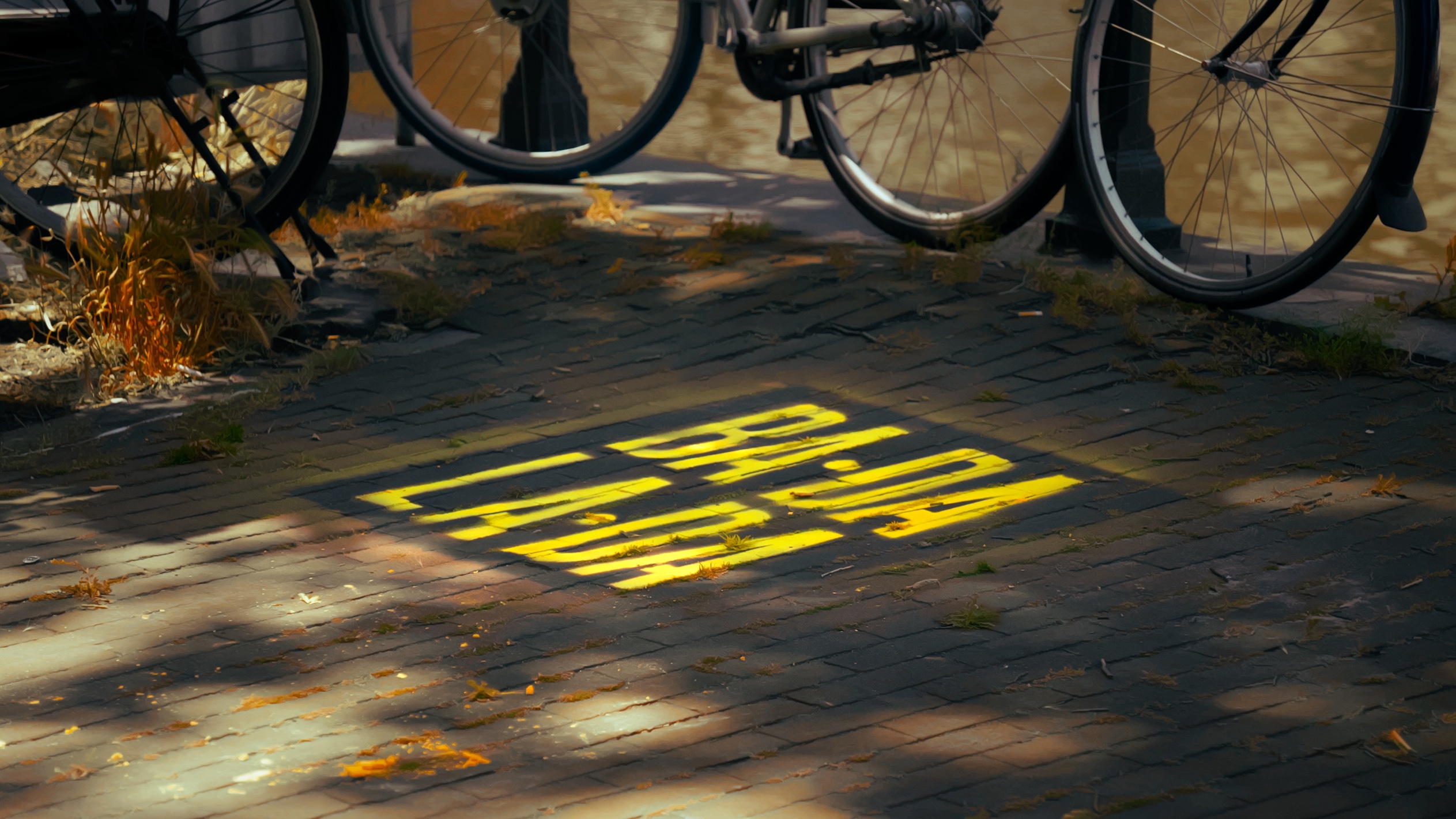
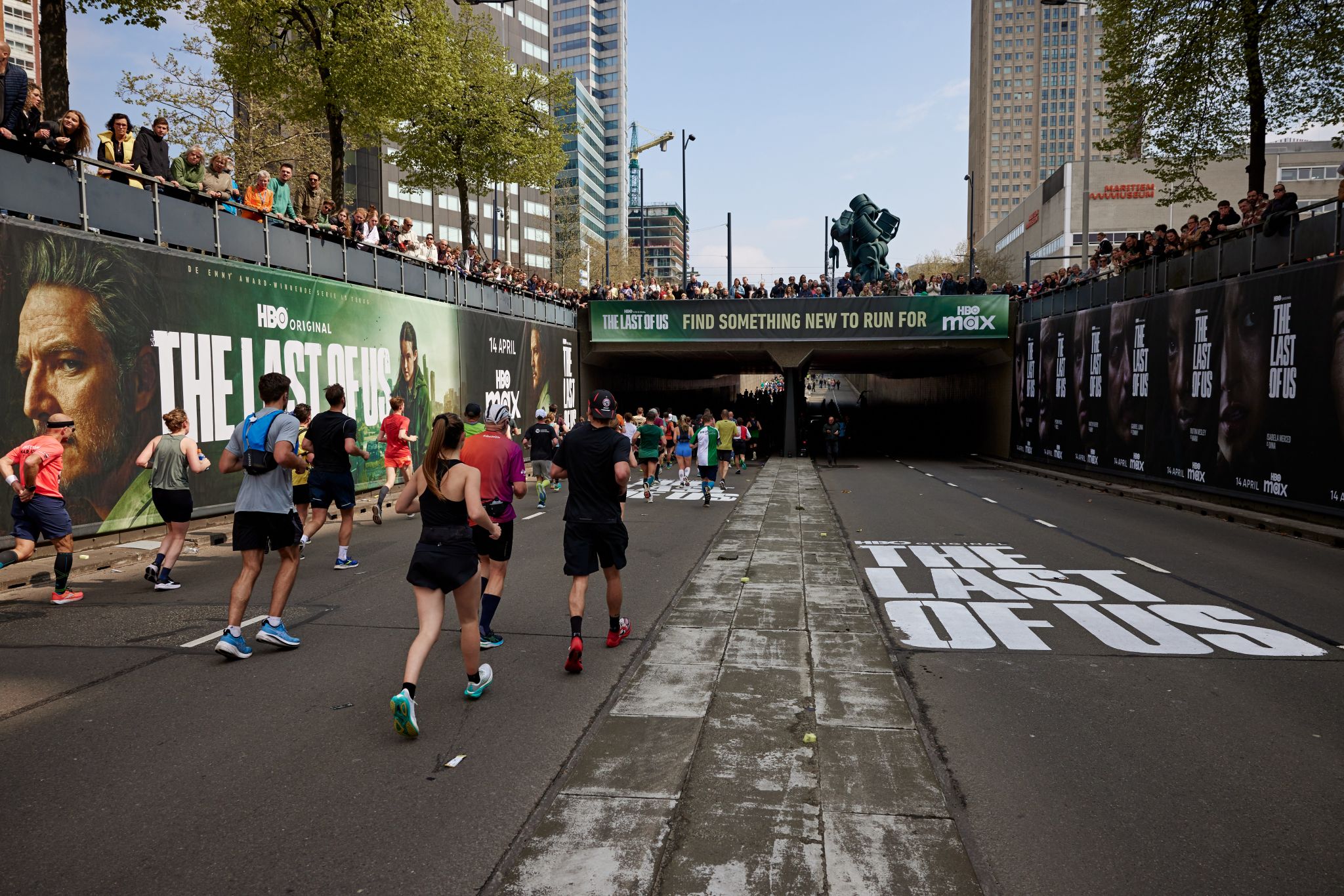
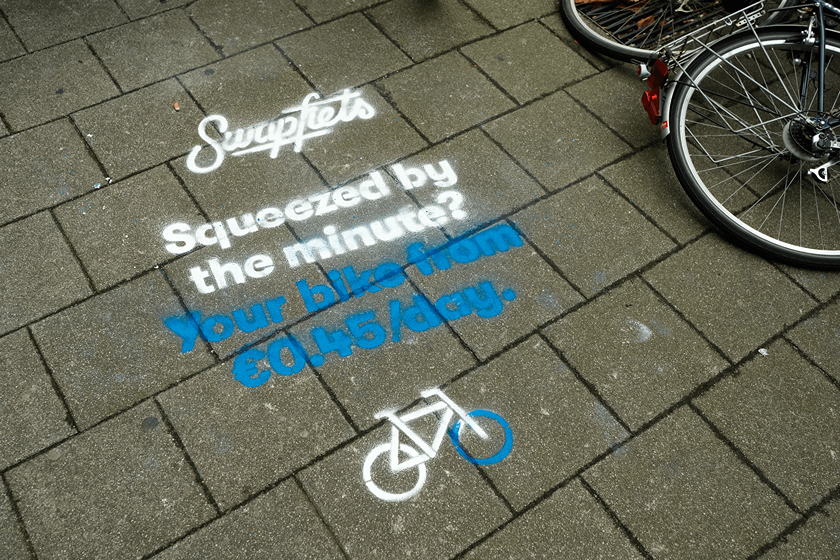
Knowing the technique is half of it. The other half is how you put it out there. Every one of these products can run three ways.
The route: a trail of placements down a street or across a district, walking your audience from one point to the next.
The scatter: the same mark dropped at spots across the city, catching people where they least expect it.
The takeover: one large execution in one place. Impossible to walk past, impossible to forget.
Chalk in particular scales the whole way, from a handful of tags to a takeover-size piece with room for real design.
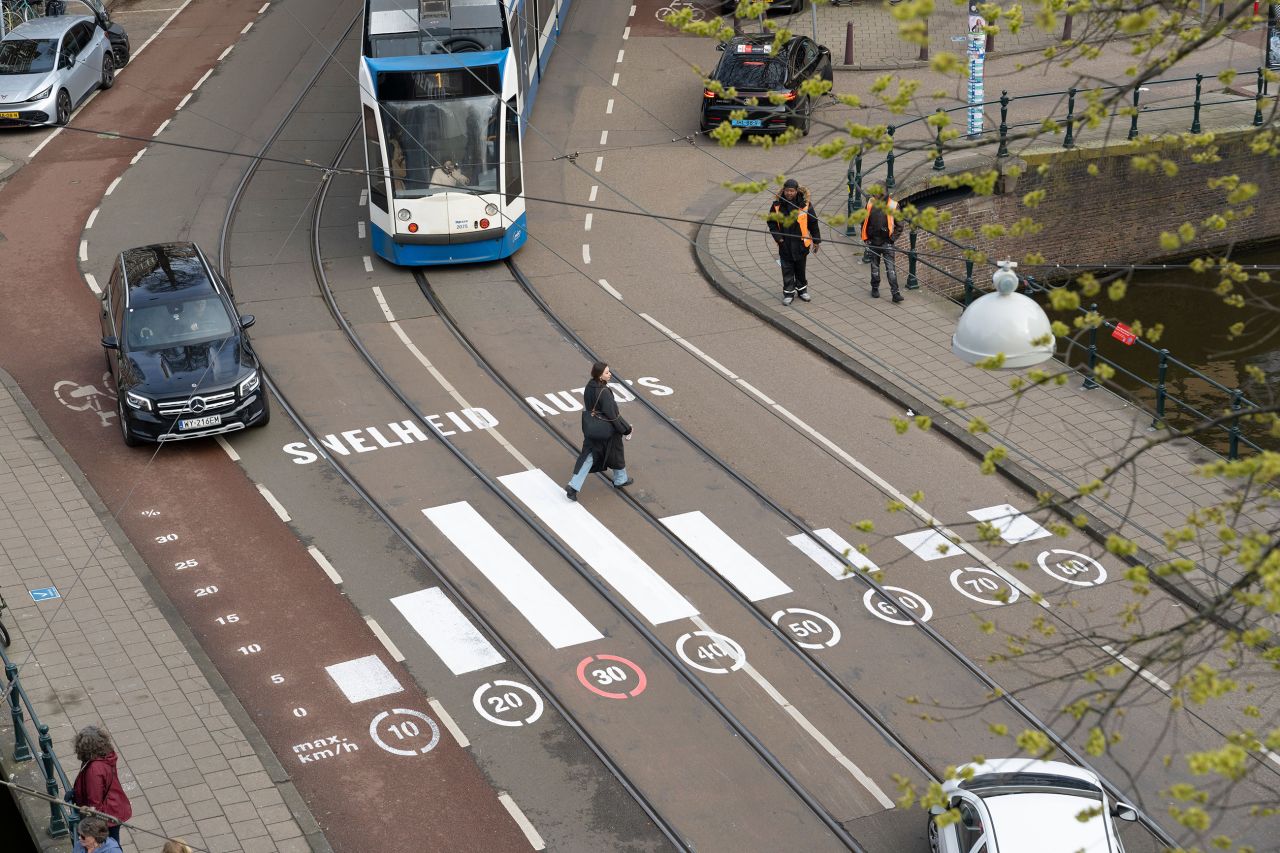
Understanding your options starts with understanding the words for them. Now you have them.
Reverse: cleaning, no paint, often legal, eco, temporary. Chalk: stencil and paint, colour and scale, gone in about a week, or clay paint when it needs to hold. Green: we only offer green options, as all will eventually fade away without harm to the environment.
Brief the right product and the campaign starts on the right foot. Not sure which one fits your idea? That is our favourite conversation. Tell us what you want the street to say.
The streets are yours.
Two Amsterdam poster crews went to war over walls neither of them owned. And then, one of them got a licence from the authorities.

Guerrilla marketing was named in 1984. Amsterdam archives show us the trade is a century older. From an 1875 complaint to a wall for rent in 1915.
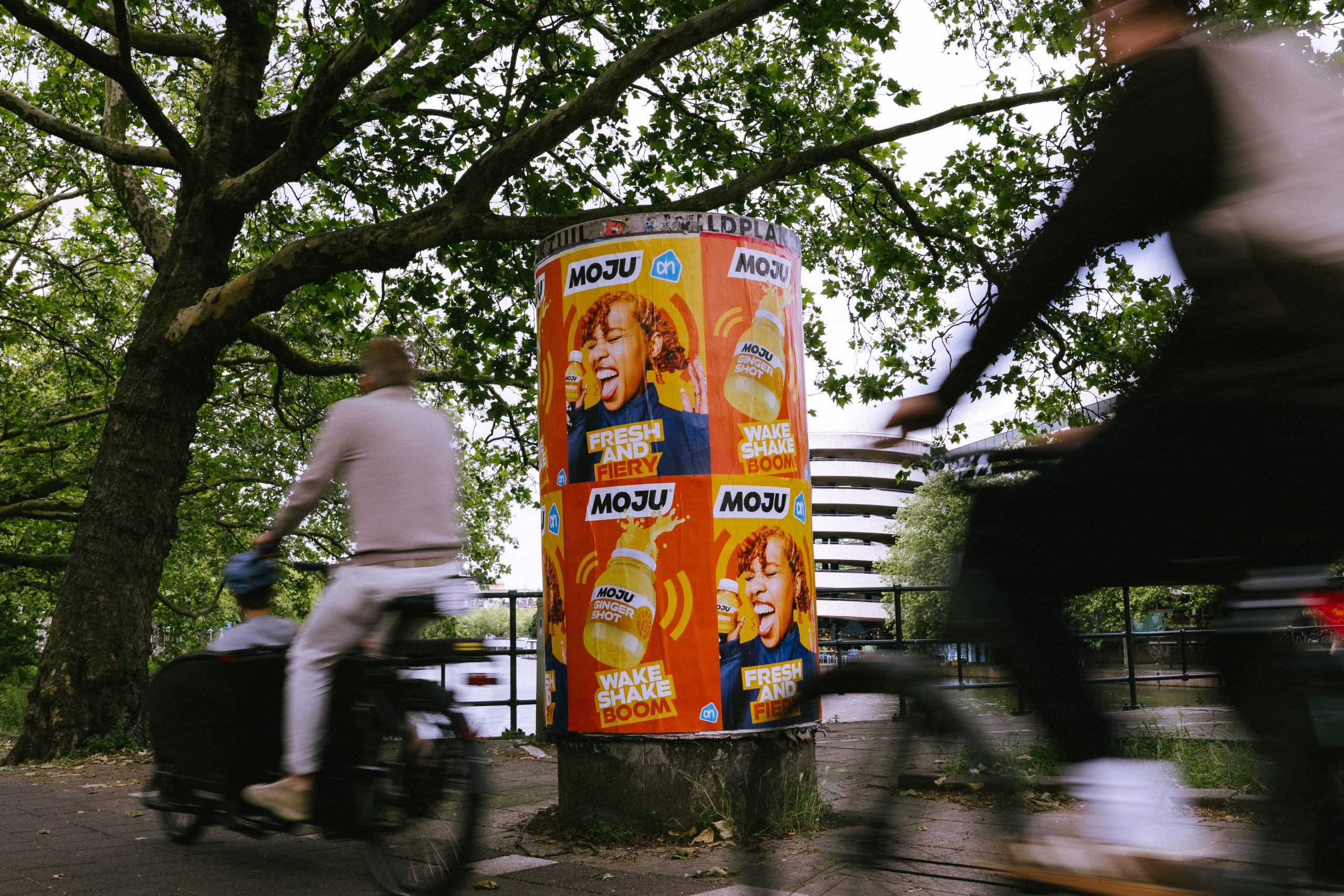
MOJU, Le Smash and JUNI all prove the same thing: the right streets make a small brand impossible to miss. Here's how each one did it.
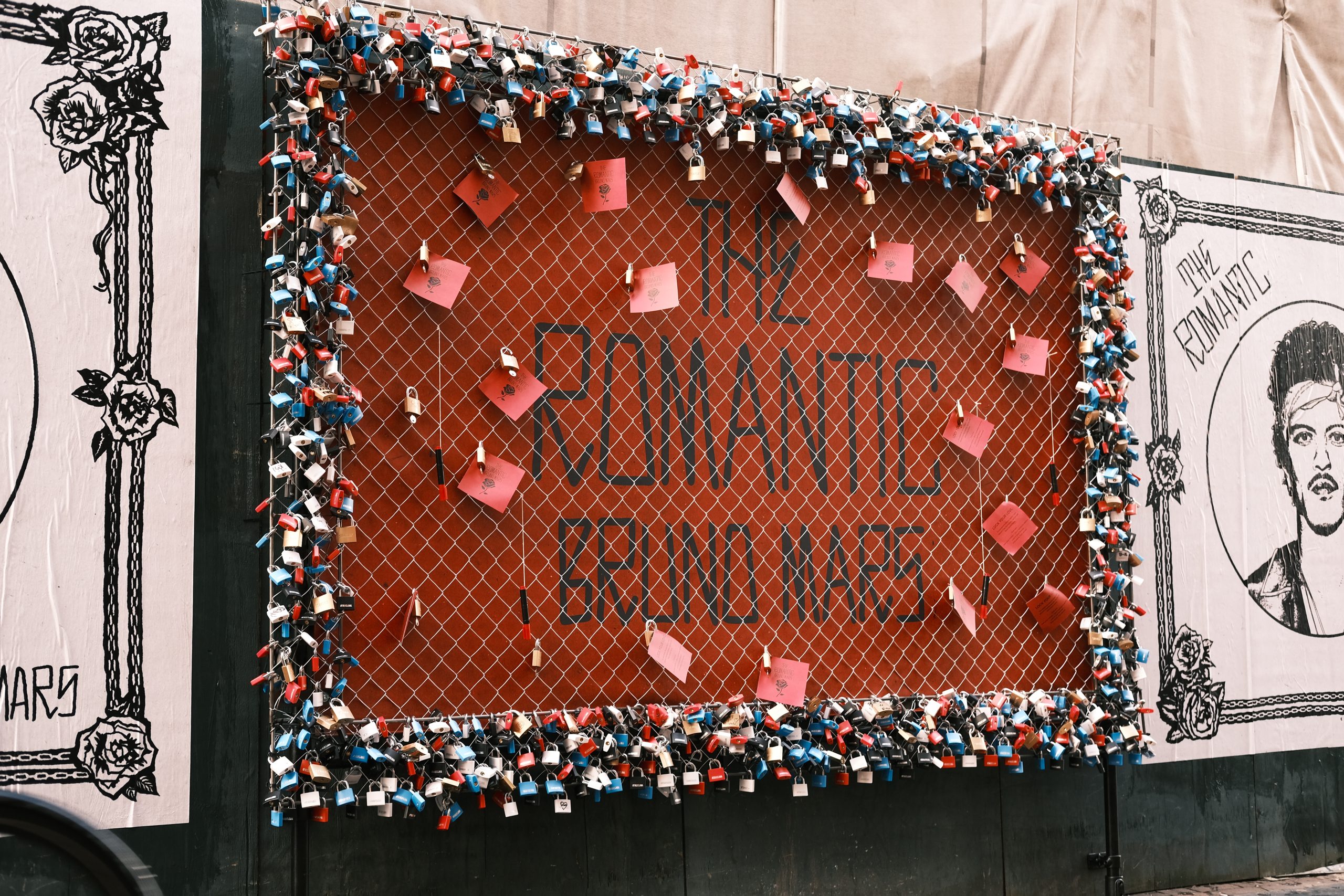
Three brands, three special builds, one same result: people stopped, looked twice, and remembered it. Here's what makes a special build worth stopping for.
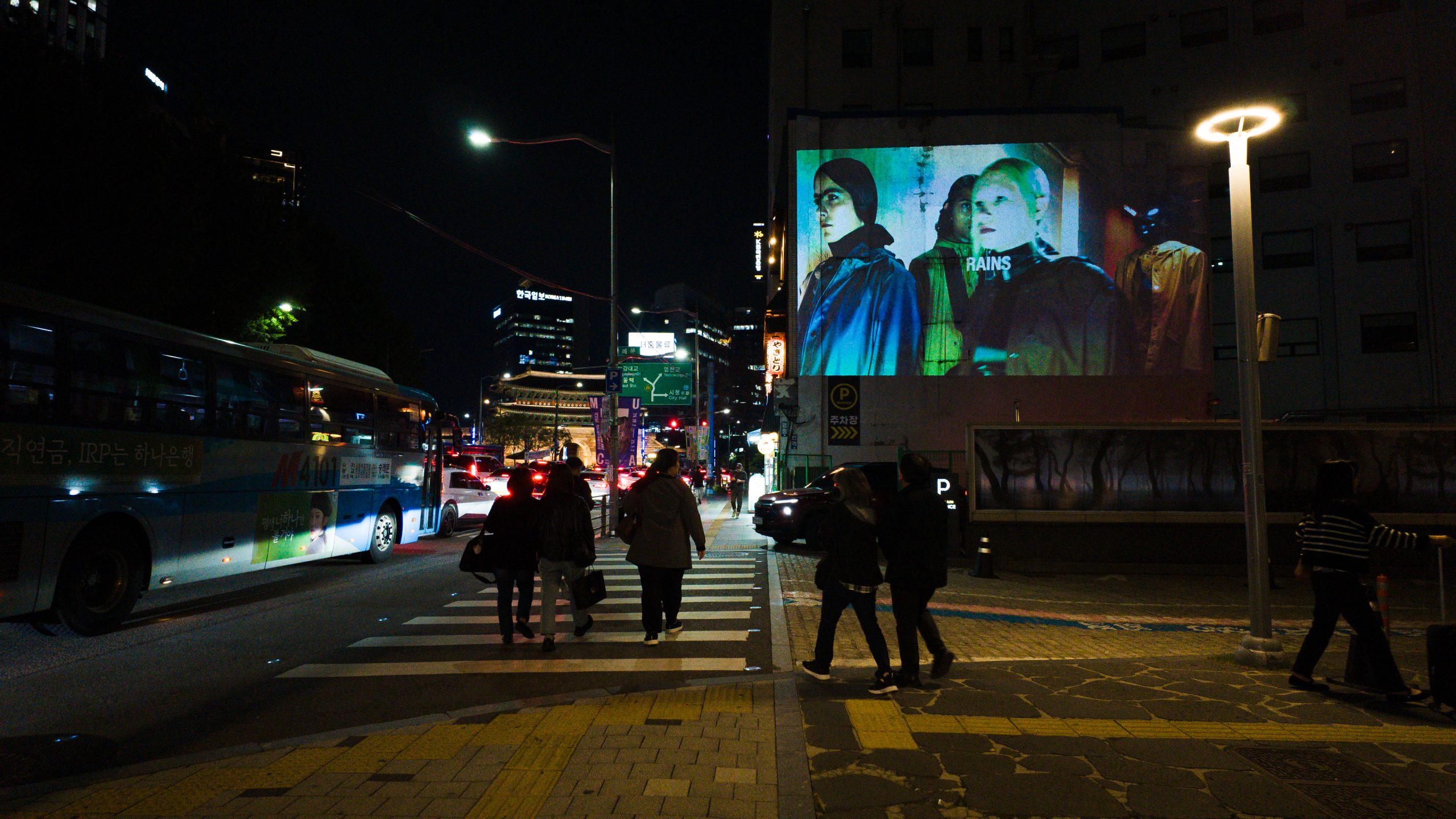
Every new market comes with its own rules, its own risks, its own learning curve. Here's what it actually takes to make it work, city by city.
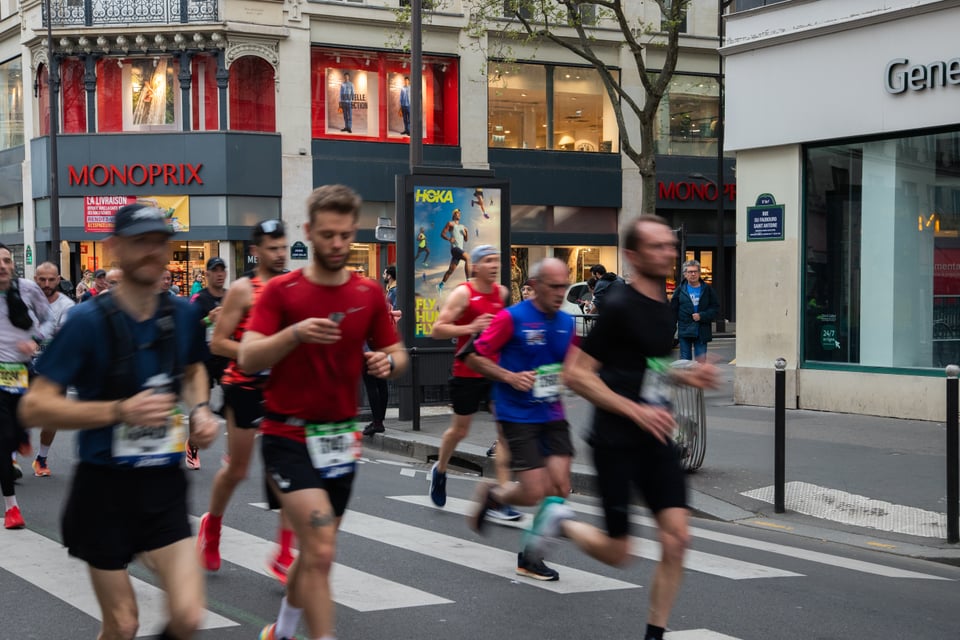
You don't need a sponsorship to win a marathon weekend. Here's how street marketing puts your brand where the crowd actually is.
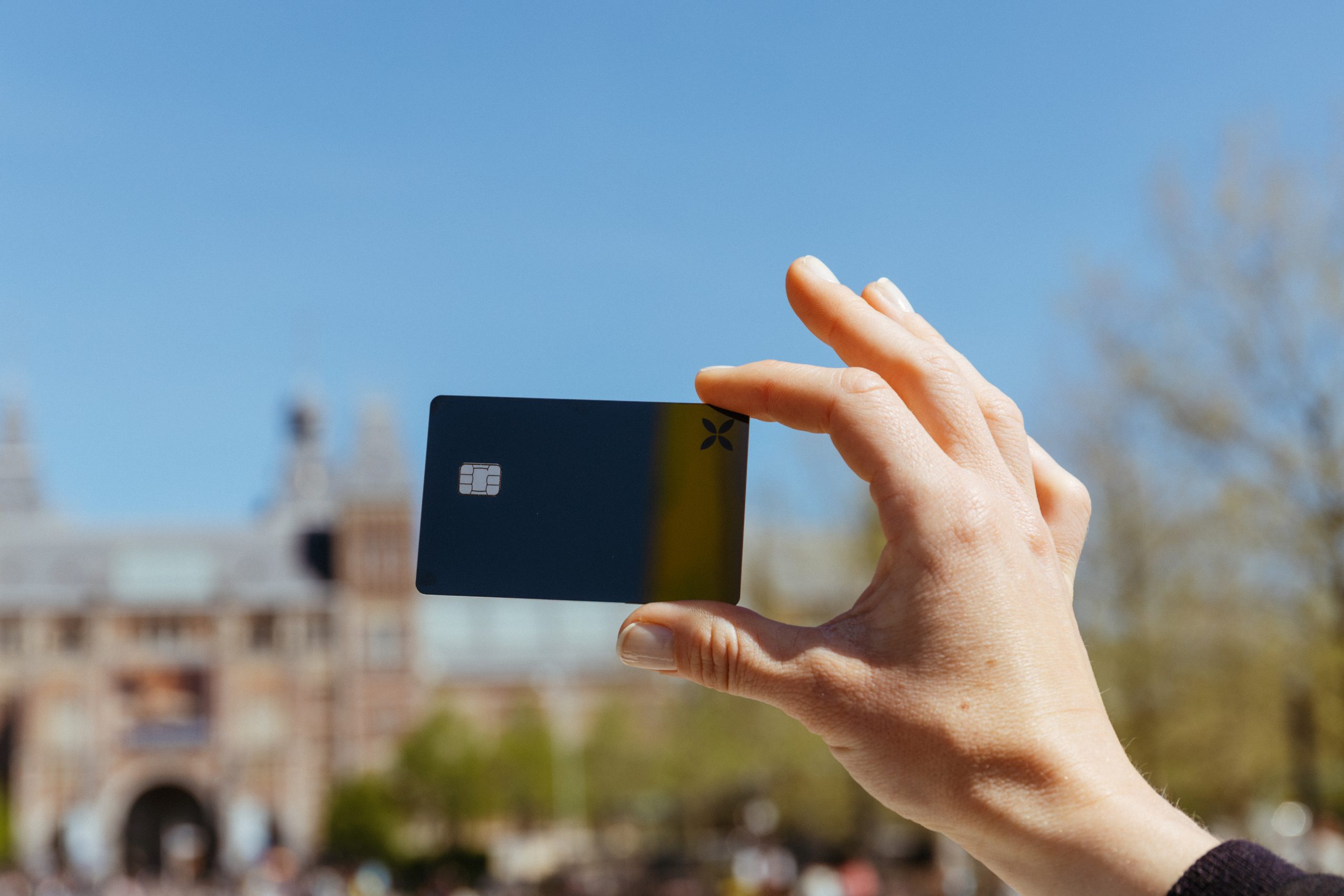
Physical presence builds the trust that fintech and crypto brands need. See how brand activations can do that in person.
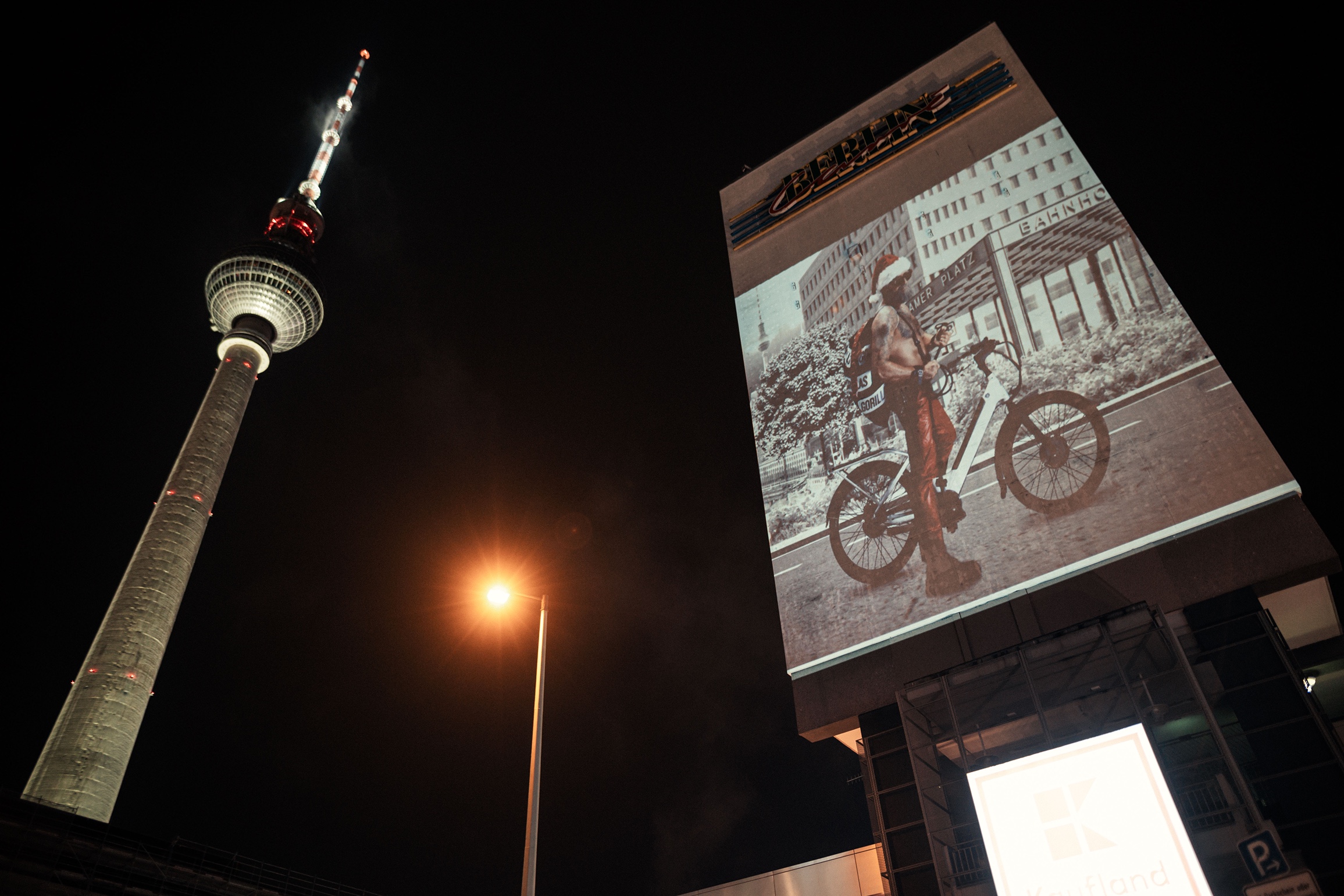
The best projection campaigns aren't just about the light. They're about how you play with the spot you choose. Here's why location should shape your creative.