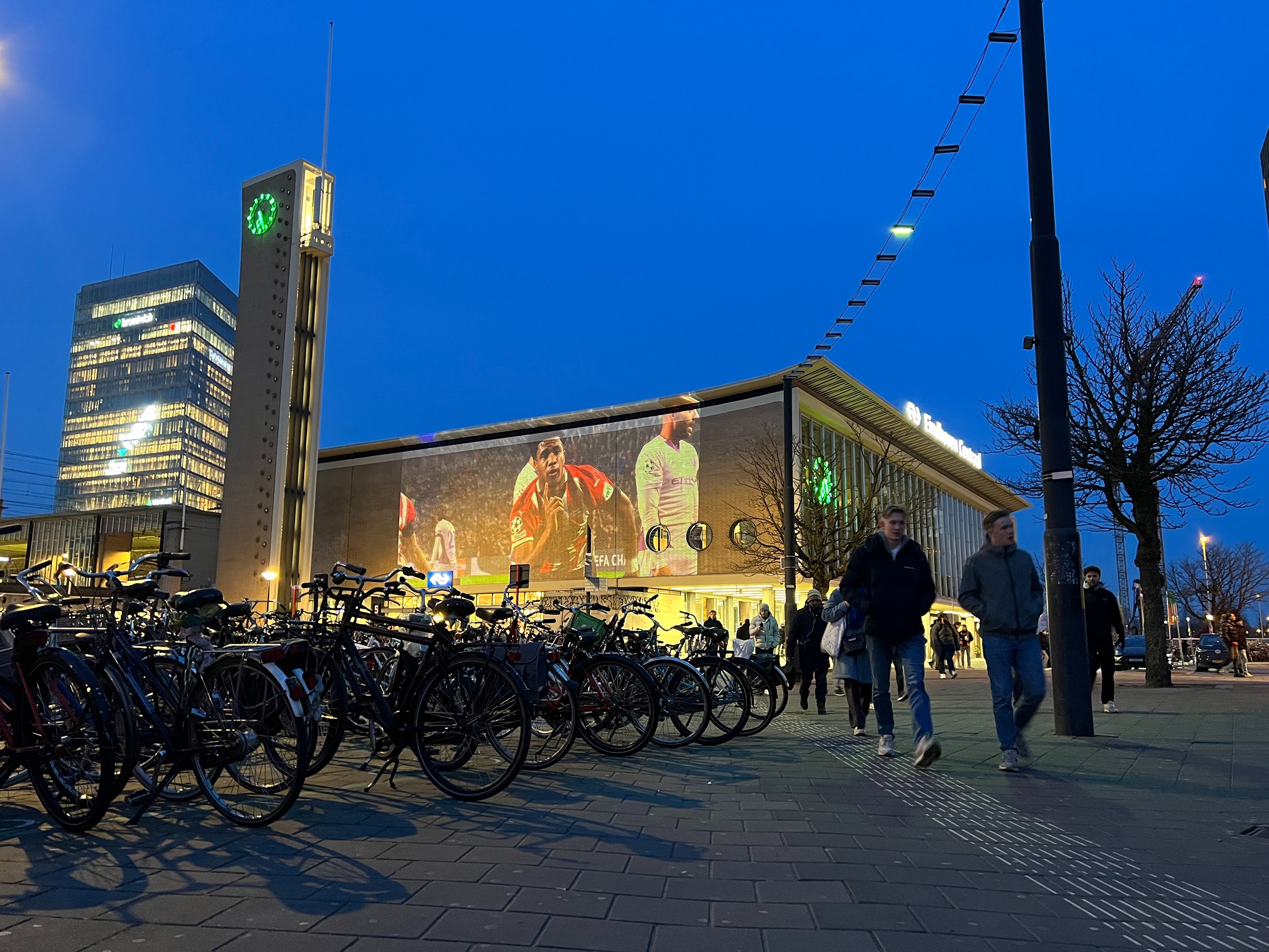
World Cup 2026 brand activation: The street opportunity not to be missed
When the World Cup kicks off, cities transform. Here's why the street is the smartest World Cup activation, and how mobile projection lets you follow the crowd.
A well-placed poster grabs attention for a few seconds. A good one earns a photo. A great one comes home with someone.
That last part is the bit most brands miss. Wild posting isn’t just paper on a wall, it’s an invitation. And when you design that invitation right, your audience stops being passive and starts becoming part of the campaign itself. They engage. They take. They share. We’ve seen it happen enough times now to know it isn’t an accident, it’s a strategy.
We call it interactive wild posting. Here’s how it works, and why it pulls more weight than its print costs.
The campaign for Charli XCX’s Brat album started as a normal wild posting run in Amsterdam. Within a day, half the posters were gone. Not torn off but taken. The artwork was a lime-green slab of pop culture that fans wanted on their bedroom walls. We told the client. They responded by expanding the campaign into seven countries. On a chunk of the placements, we swapped glue for tape, picked the right locations, and let the fans handle distribution. The poster wasn’t the campaign anymore. The act of finding one and walking home with it was.
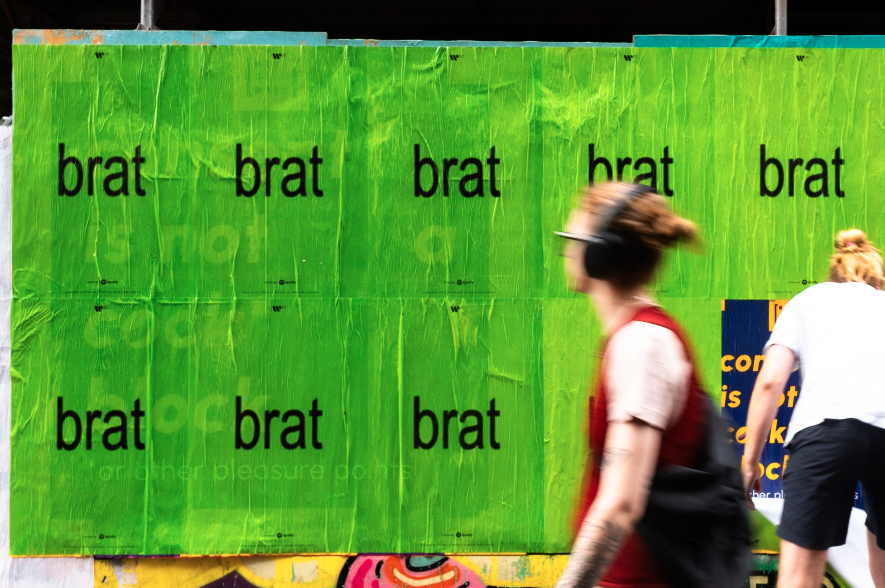
For the right audience, a poster isn’t just media, it’s merch. The street becomes a free, citywide release event. Distribution costs you nothing. And the brand gets the rarest thing in advertising: people actively choosing to take your message home.
It works because of who shows up. Charli XCX’s Brat album poster pulls in the people who already love Charli XCX. A Supreme poster pulls in the people who’d queue three hours for a sticker. A Brat-green wall says “this is for you” and the right person hears it. We just make sure they can find it and when they do, it comes off the wall in one piece.
Not every interactive campaign waits for the audience to take the initiative. The best ones engineer the moment.
For L’Oréal, we built a poster wall with what looks like a sexist message at first sight: “Women who wear short skirts are asking for it…”. Only after physically tearing off a top layer, it revealed the addition underneath “…to stop”. The campaign only worked because it successfully prompted passersby to destroy the enraging first layer. This kind of poster design for engagement transforms a passive impression into active participation.
For Tony’s Chocolonely, we taped chocolate bars straight onto the posters. People walking past would pull a bar off, unwrap it, and eat it on the way. That was the whole campaign. No scan, no app, no follow-up. Just a wall handing out chocolate.
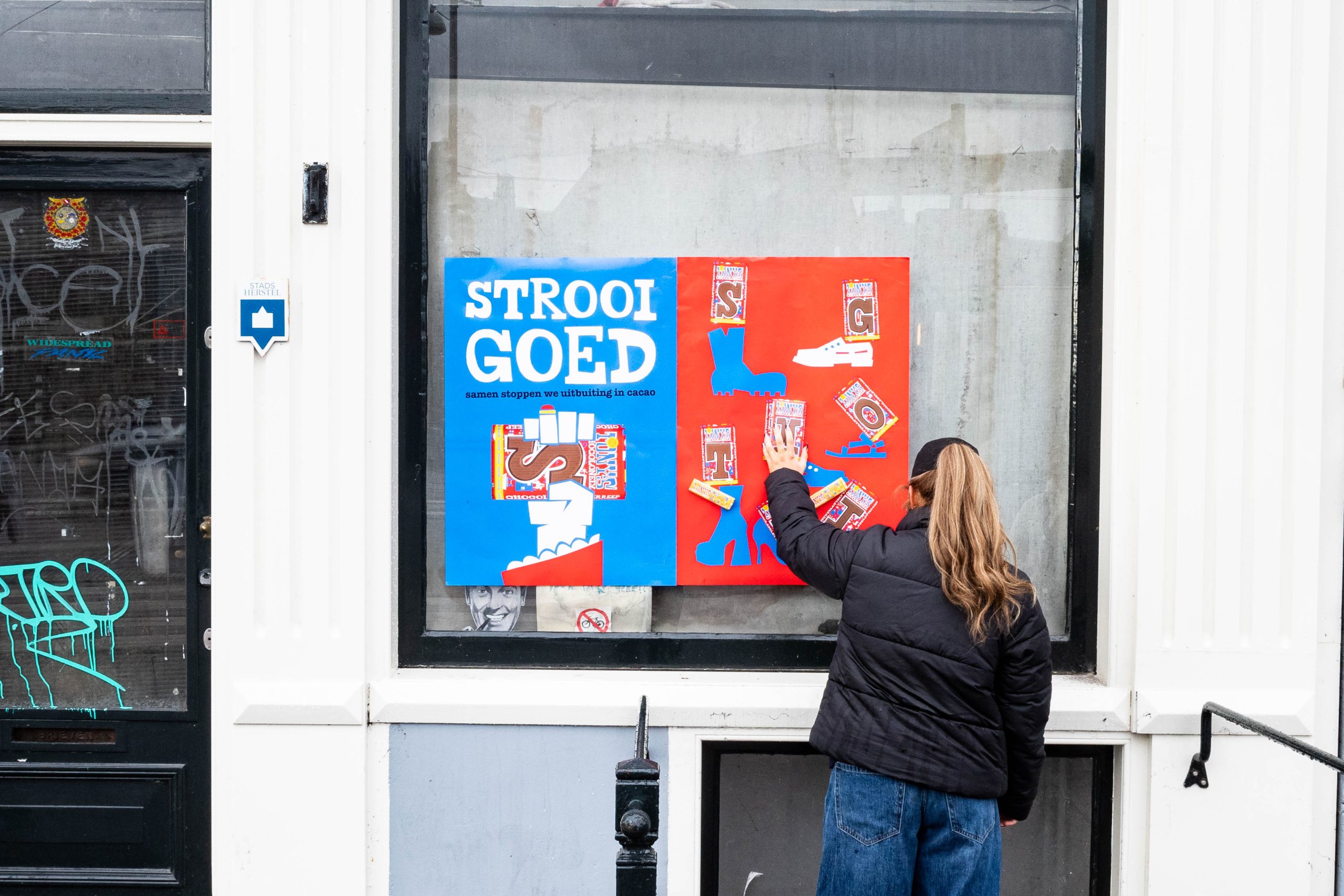
It works with other formats too. Perforated tear-offs. Stickers you can grab as you walk past. Small cards that fit in a pocket. The wall stops being a one-way medium and starts handing something out.
A take-home poster turns one impression into many. The original viewer becomes a distributor. The poster moves from a street to a bedroom to an Instagram story without you lifting a finger.
The audience is self-selecting. The people who take a poster home are the people who already love the brand or are about to. You’re rewarding the fans you already have and recruiting the next ones at the same time. This is why brand activation ideas centered on street art advertising consistently outperform traditional placements.
And it’s incredibly content-rich. A wall stripped bare by 9 a.m. is a campaign result you can’t fake. Photographers love it. Clients love it. Account managers love it.
Interactive wild posting isn’t right for every brand. If you don’t have an audience that wants to own a piece of you, you might just stick on normal wild posting. But for fashion, music, streetwear, beauty, food and drink, or basically anything with a fan base, it’s the cheapest brand-love test you can run. And the most honest one. People only take down the posters they actually want. This is why guerrilla marketing tactics work. You’re not just reaching people. You’re giving them something they want to own and talk about. That’s collectible merchandise marketing at work.
When the World Cup kicks off, cities transform. Here's why the street is the smartest World Cup activation, and how mobile projection lets you follow the crowd.
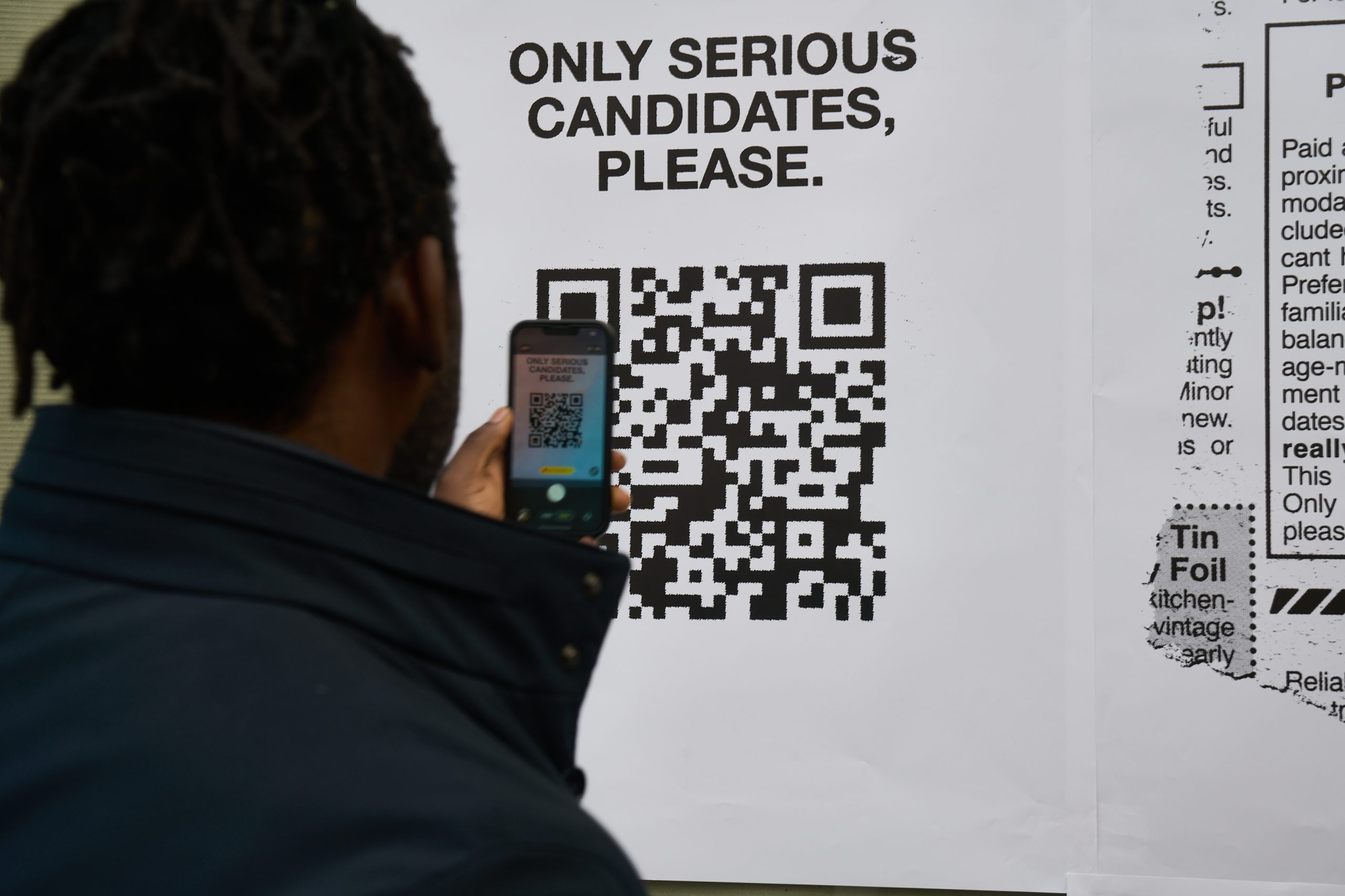
QR codes in OOH often underperform. Here's why we usually advise against them. And why Icelandair's campaign was an exception.
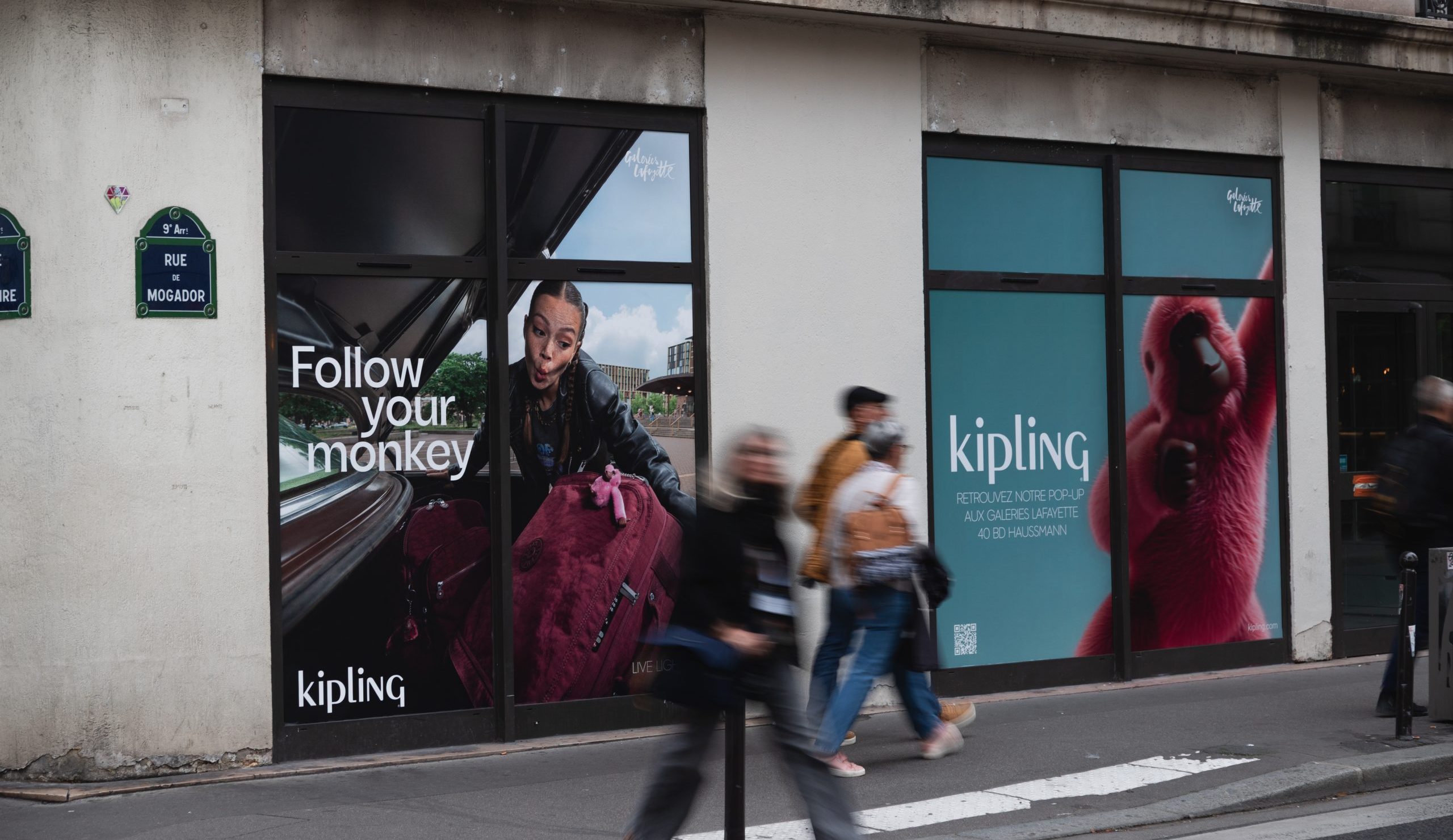
There is a lot of interesting things happening in Paris, so we think it is a perfect opportunity to introduce you to our old & new formats in the city of love!
Did you know that we started out in what was little more than ''broom closet'' in a shared warehouse?
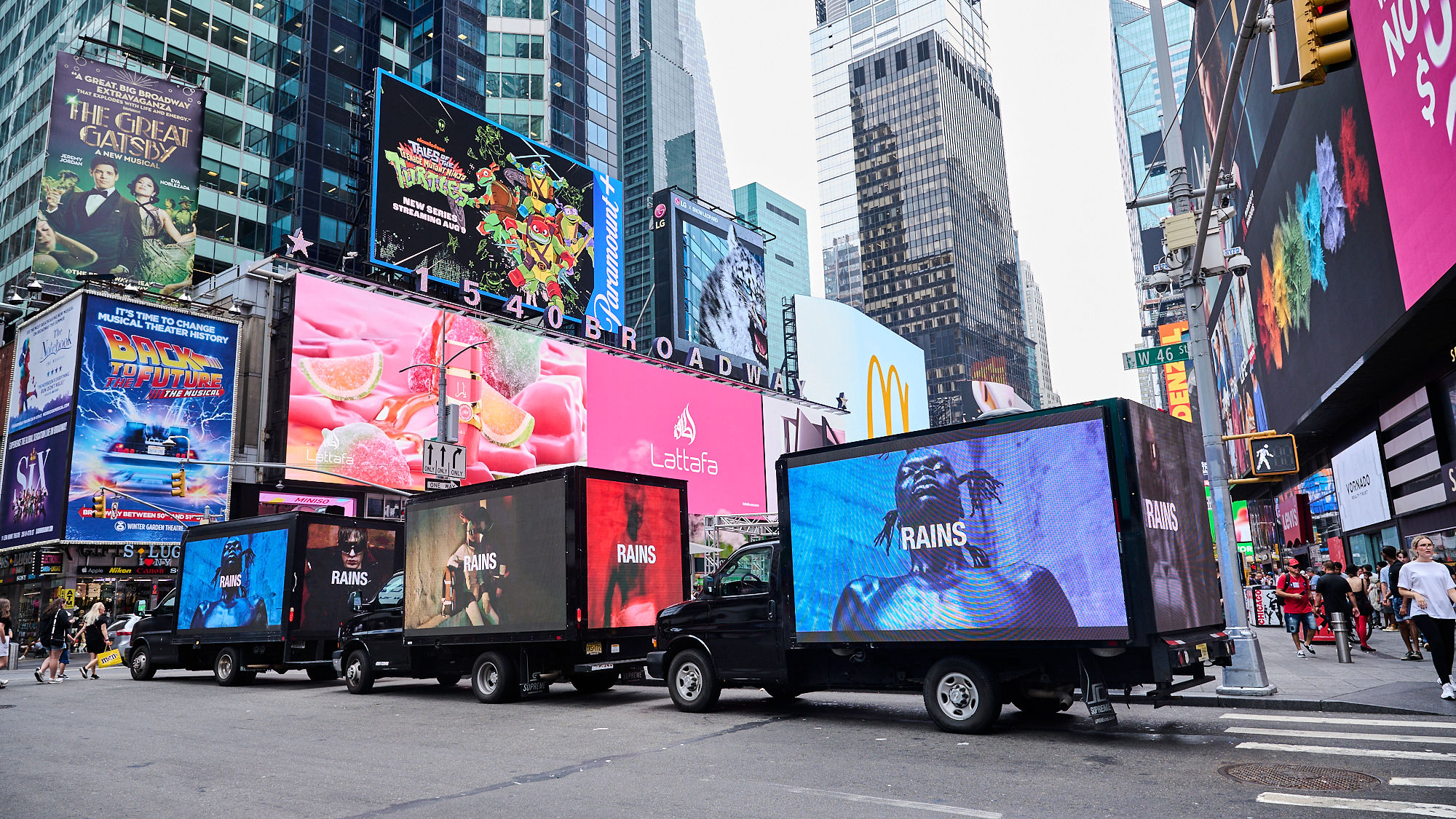
Guerrilla formats but in the digital form have been gaining popularity amongst many brands, LED Trucks, AdWalkers or even AdBikes turn heads...
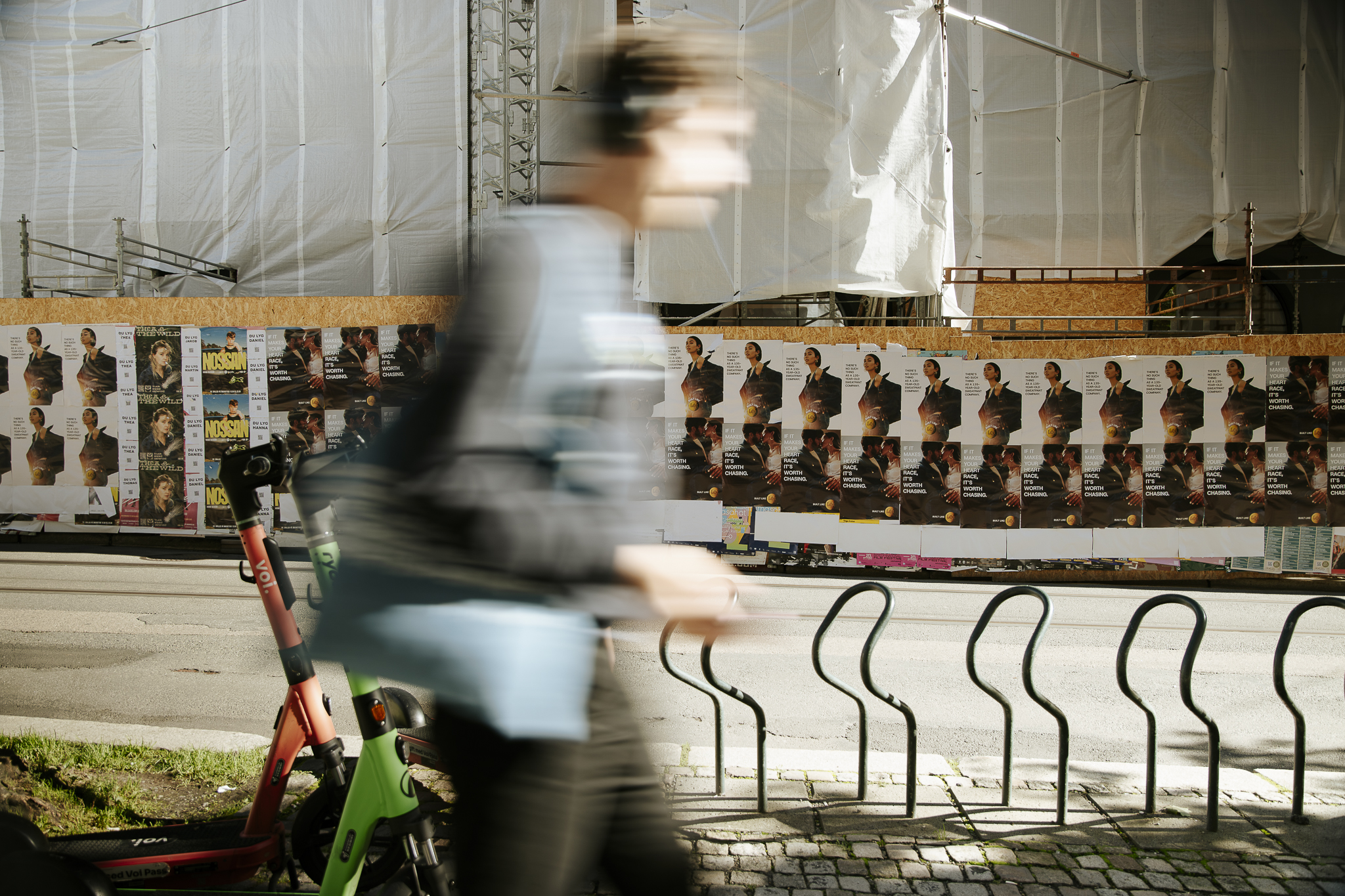
Guerrilla marketing is all about creativity, surprising actions, and strategic execution. By thinking beyond traditional channels, brands can leave a lasting impress
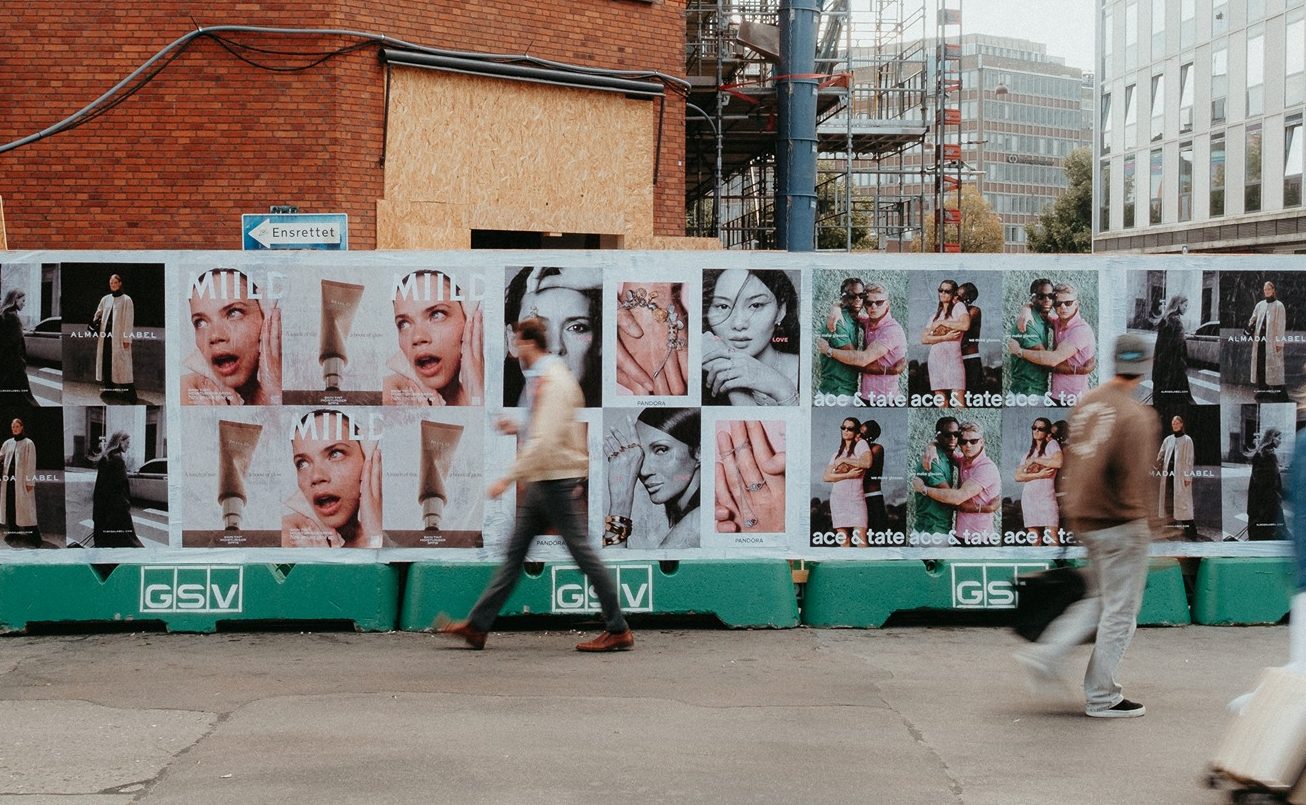
During Copenhagen Fashion Week, we supported Pandora, Miild, Almada Label and Ace & Tate with a strategic Wild Posting campaign all across key neighbourhoods.
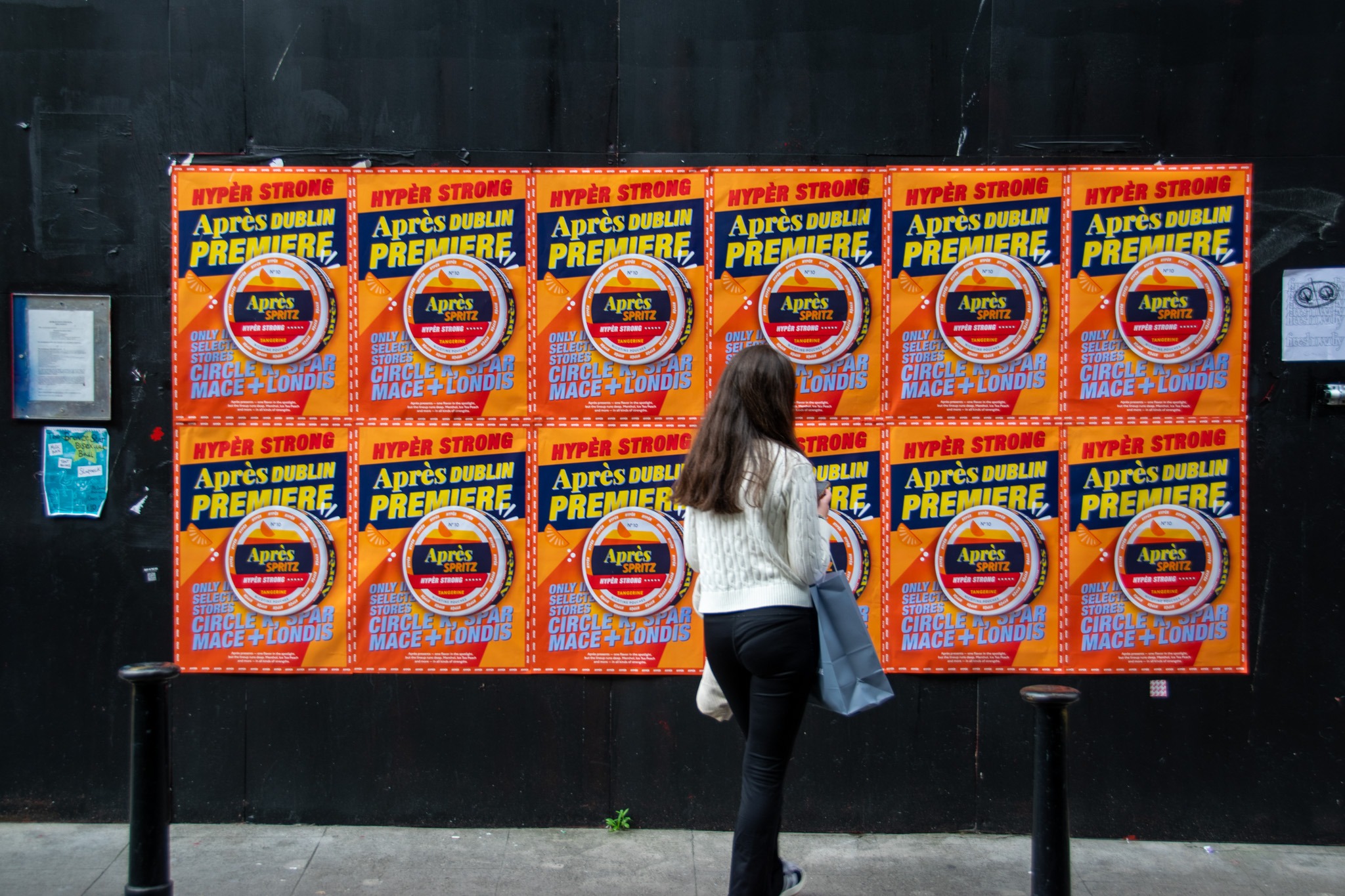
Putting up posters in unexpected city spots and open walls is one of the earliest forms of guerrilla marketing.