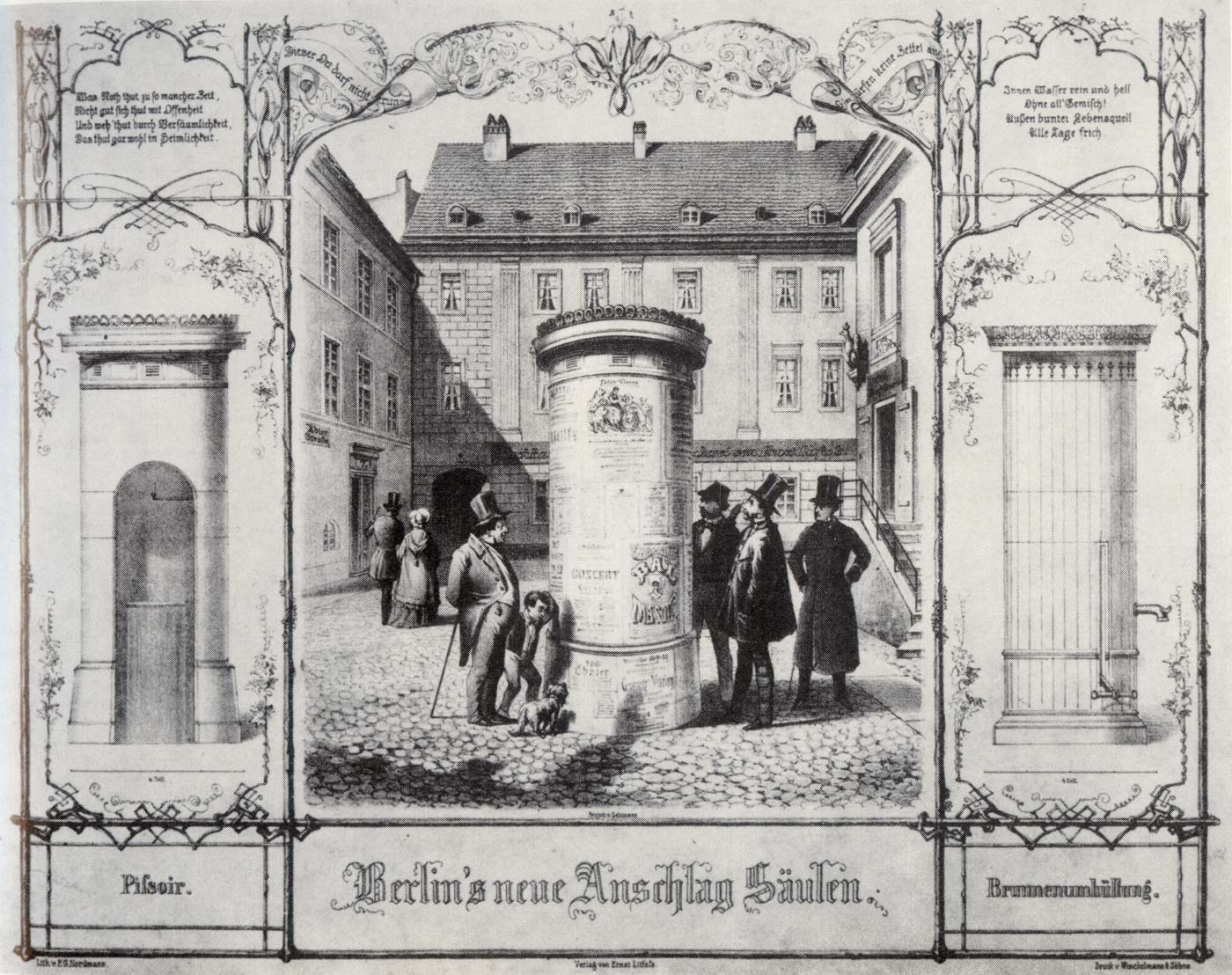
The poster war: how Amsterdam’s wild posters carved up a city they did not own
Two Amsterdam poster crews went to war over walls neither of them owned. And then, one of them got a licence from the authorities.
Financial brands are asking for something bigger than attention. They’re asking people to hand over their money. That’s a harder sell than most products, and it’s not one you win with a banner ad or a scroll-past video.
Trust is built by being real and present. A real person, in front of you, answering a question you actually have, does more for confidence in a bank or a fintech app than any amount of digital reach. This is true whether you’re a fast-growing bank or a crypto platform still working to prove you’re legitimate.
The same logic that applies to marathons and fashion weeks applies here. Being visible in a city during a major fintech or tech event puts a brand in front of a concentrated, high-value audience, often a far better return than steady year-round visibility. A conference like Web Summit puts thousands of founders, investors, and operators, exactly the people fintech and crypto brands need to trust them, in one city for one week. That’s not just a moment for visibility. It’s a concentrated window to build real trust with the people who matter most, in person, while they’re paying attention.
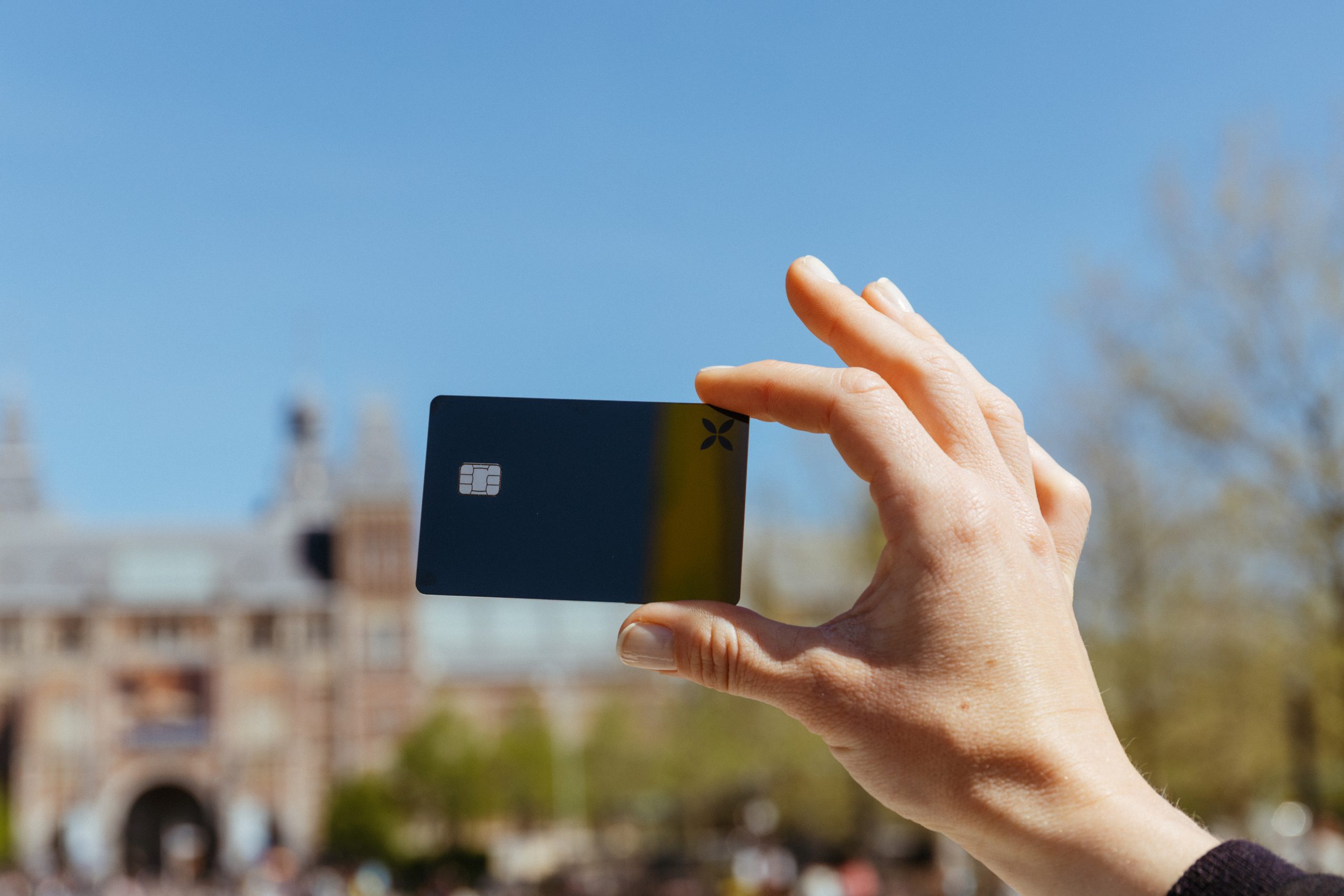
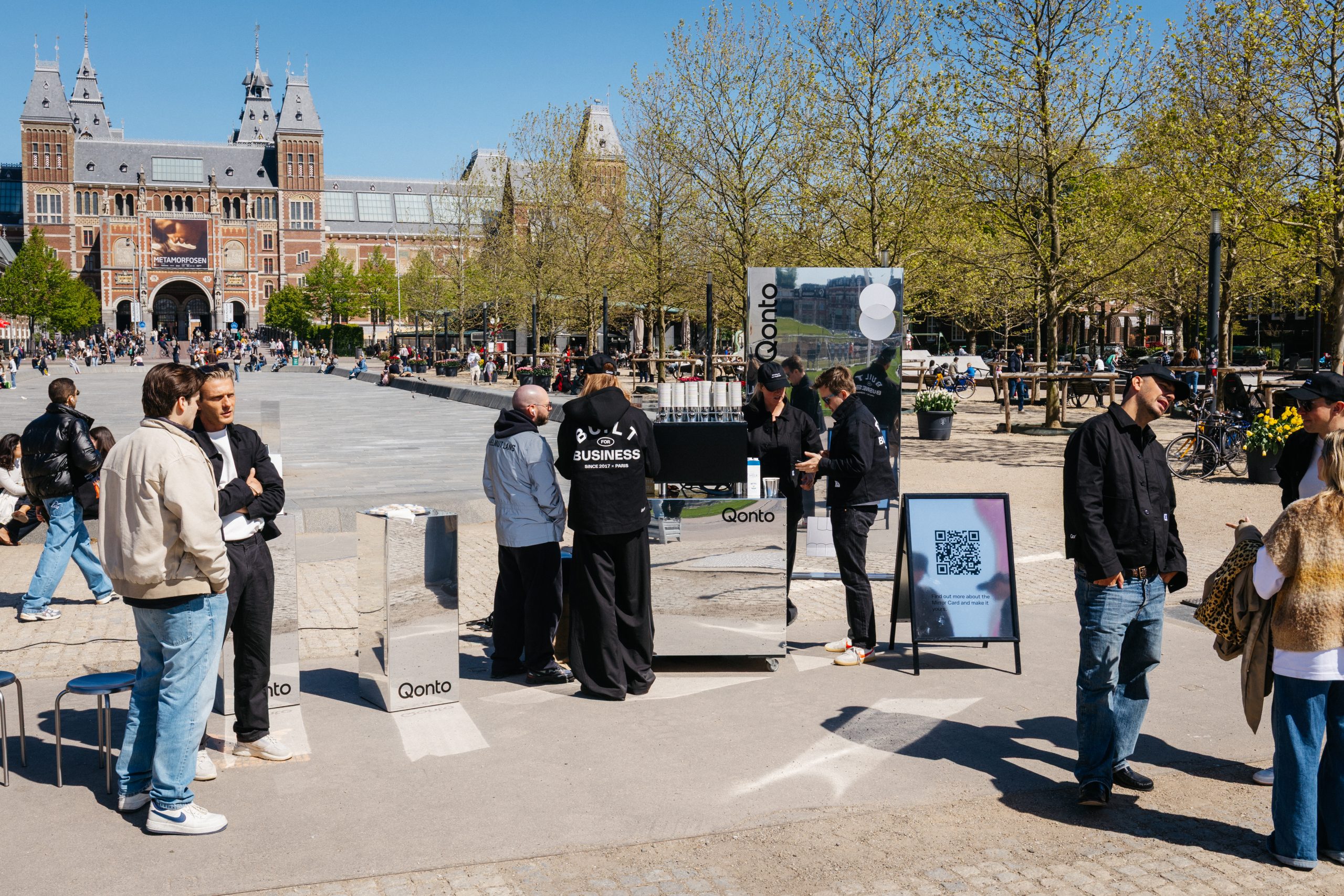
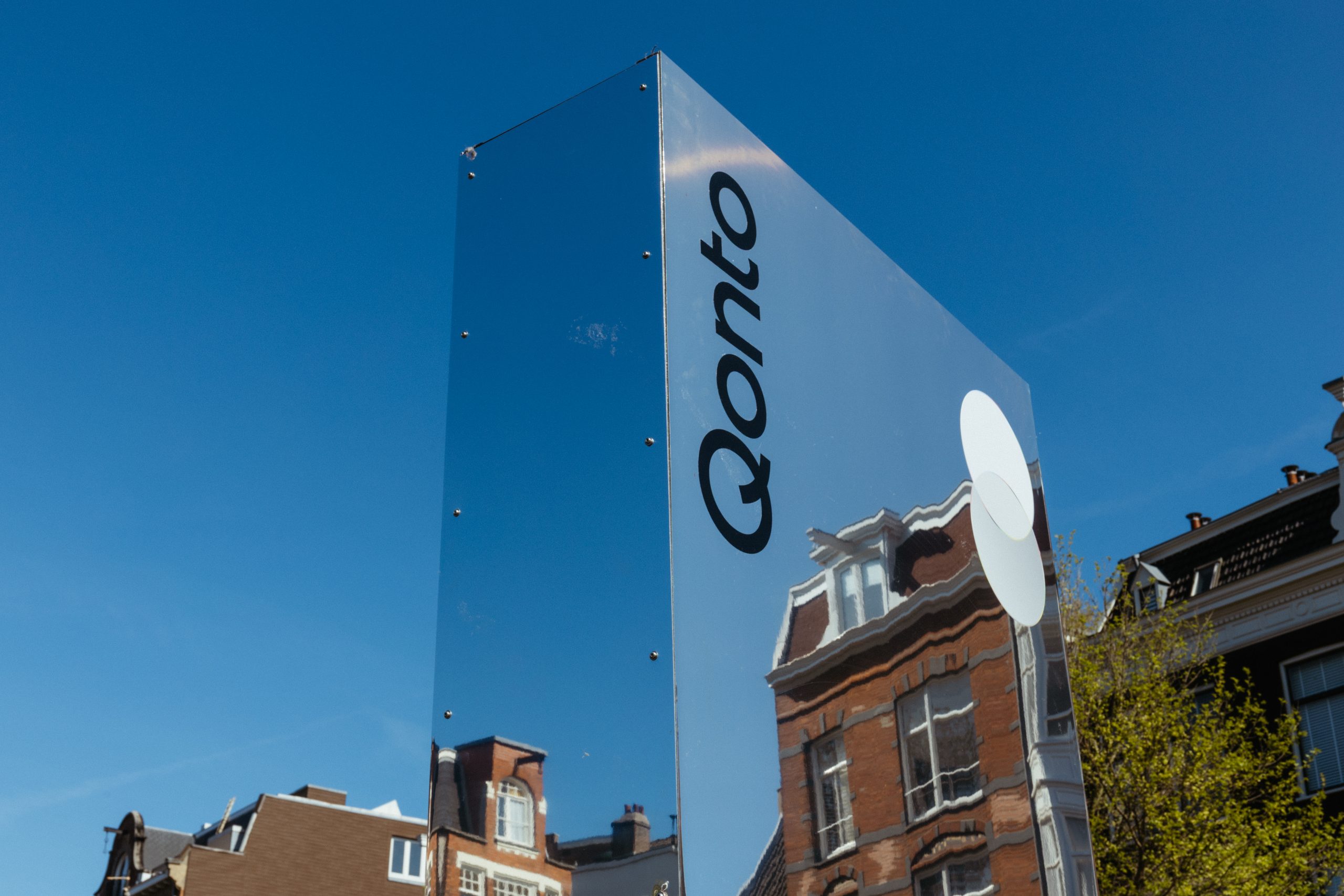
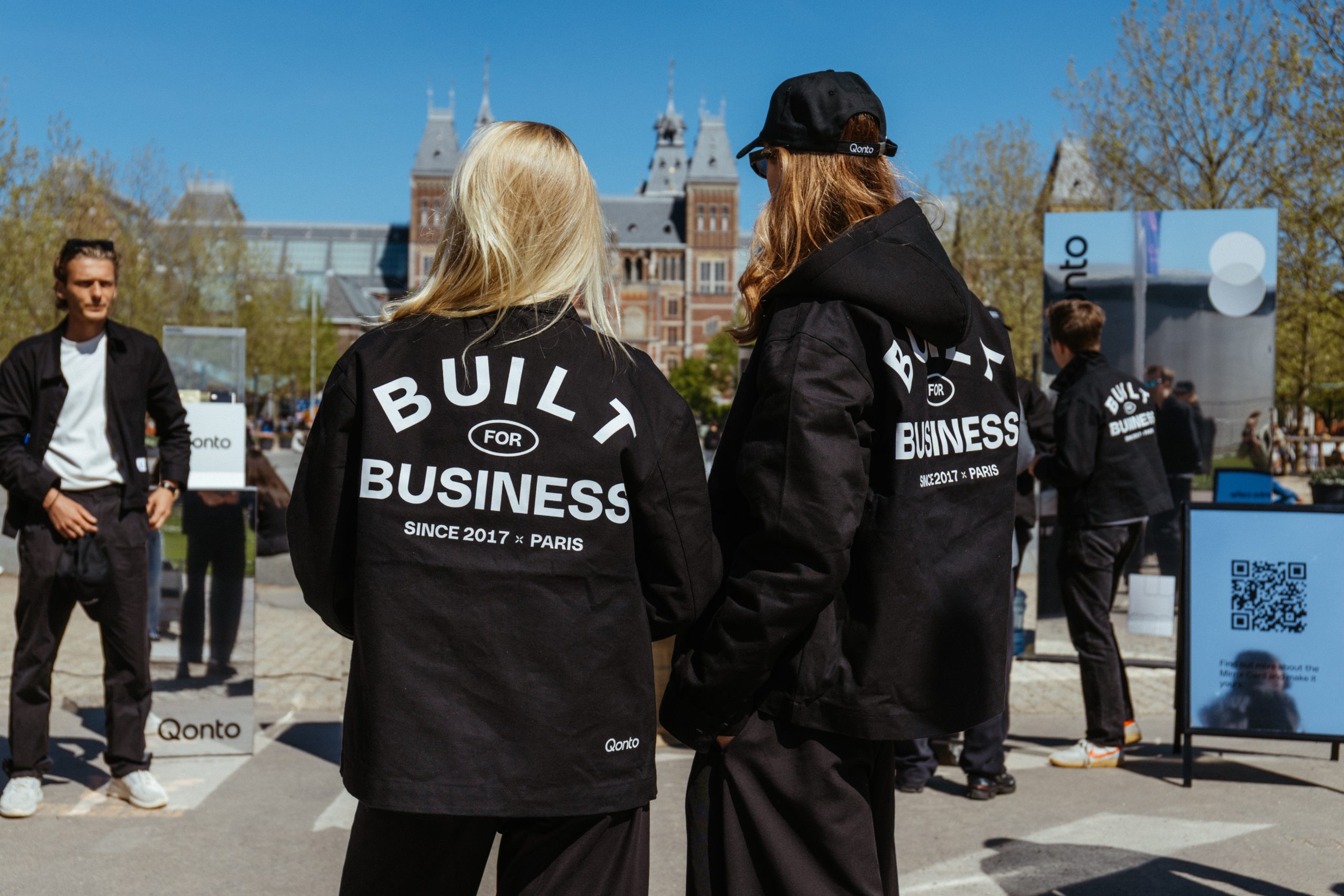
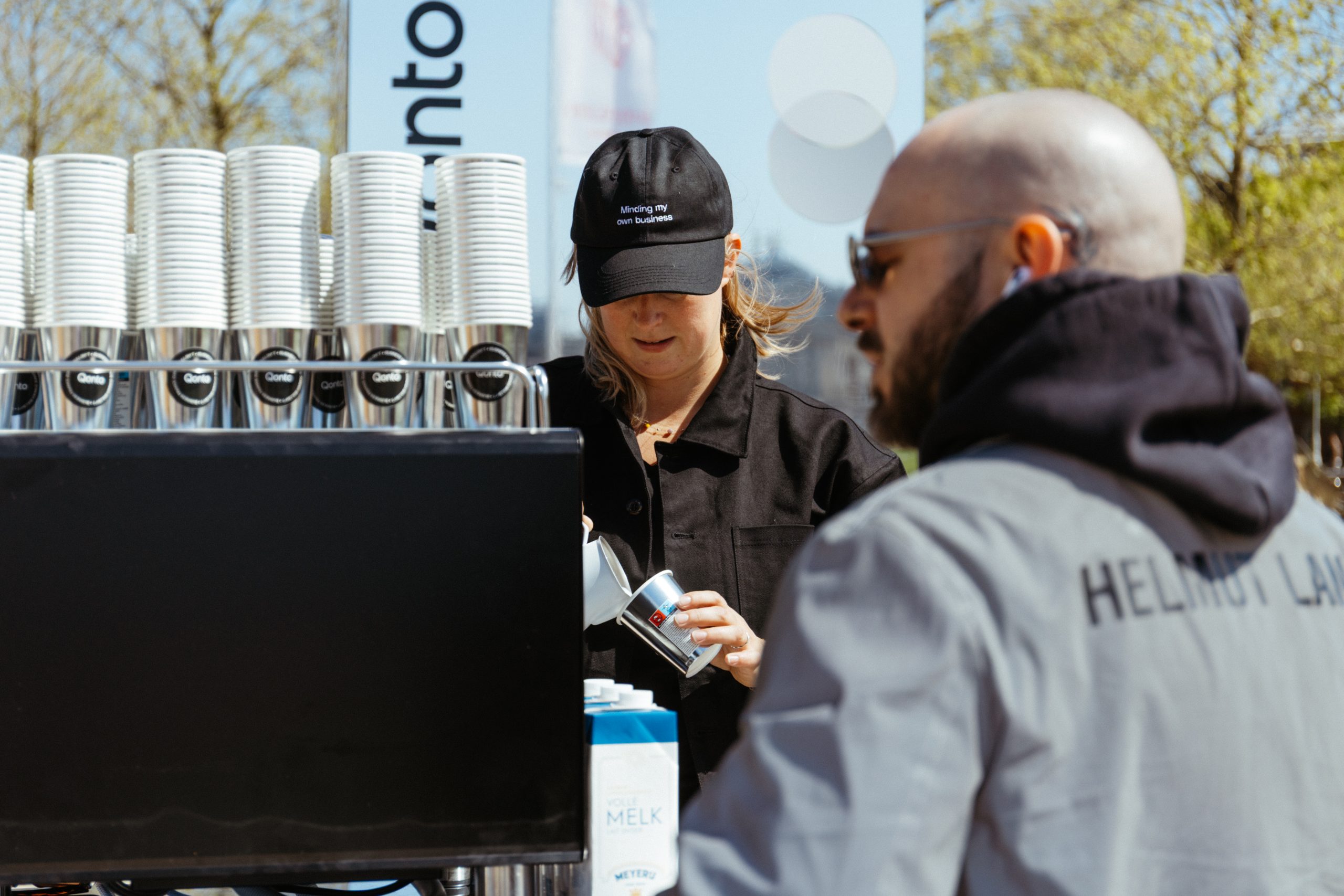
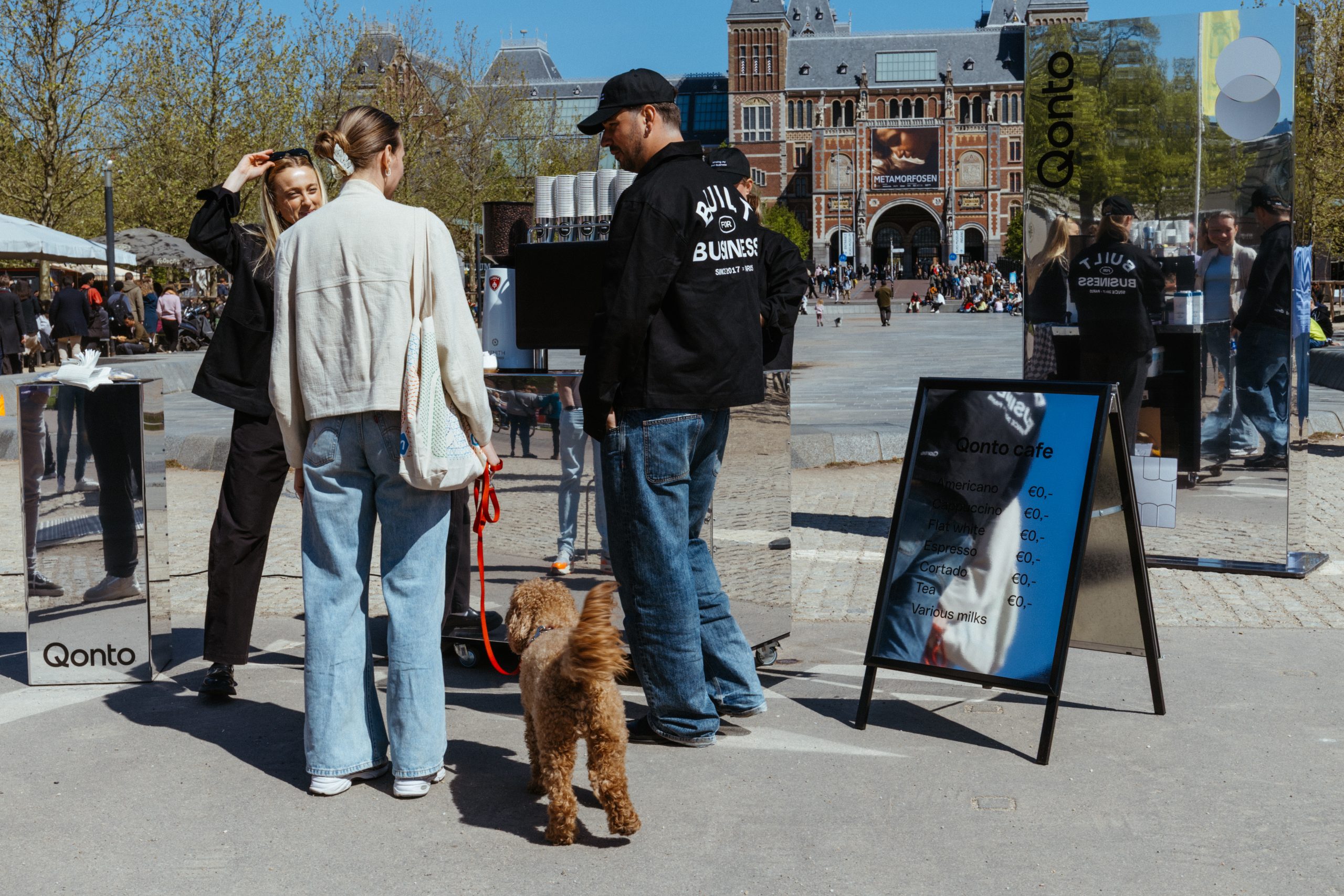
For Qonto in Amsterdam, we ran a coffee cart activation on Museumplein, right in front of the Rijksmuseum, staffed by real people in branded gear, handing out coffee and talking to anyone who stopped. That’s the moment a poster can’t create: a real conversation with someone representing the brand. Alongside it, mirrored monolith installations along the waterfront near Central Station gave Qonto a physical presence people walked past and noticed, reinforcing that this is a real company with a real footprint in the city.
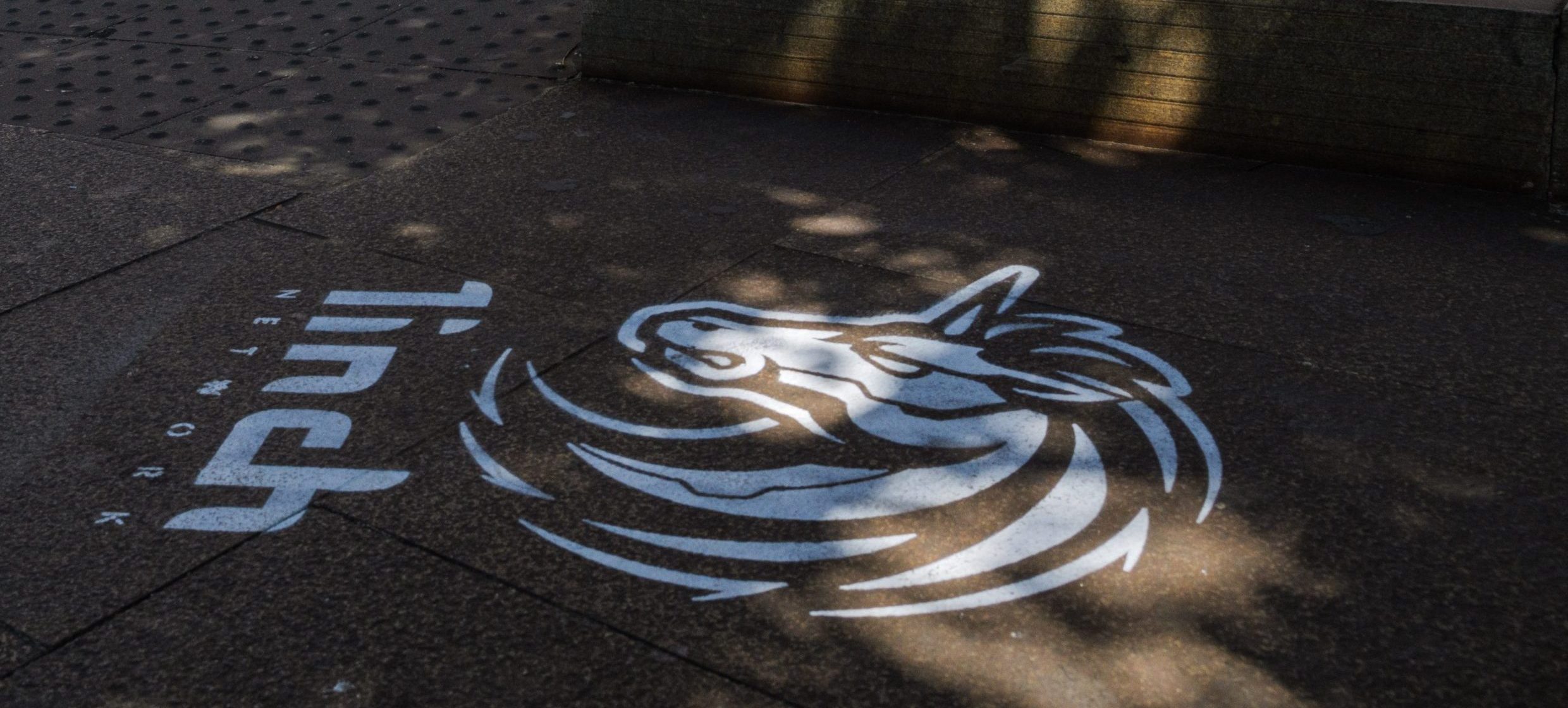
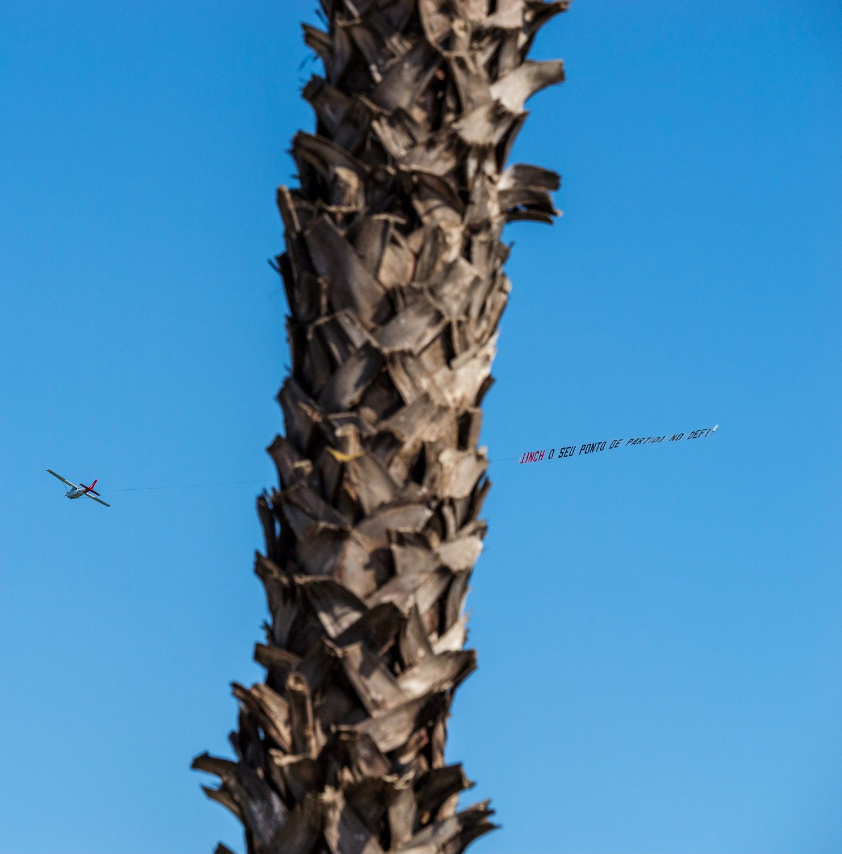
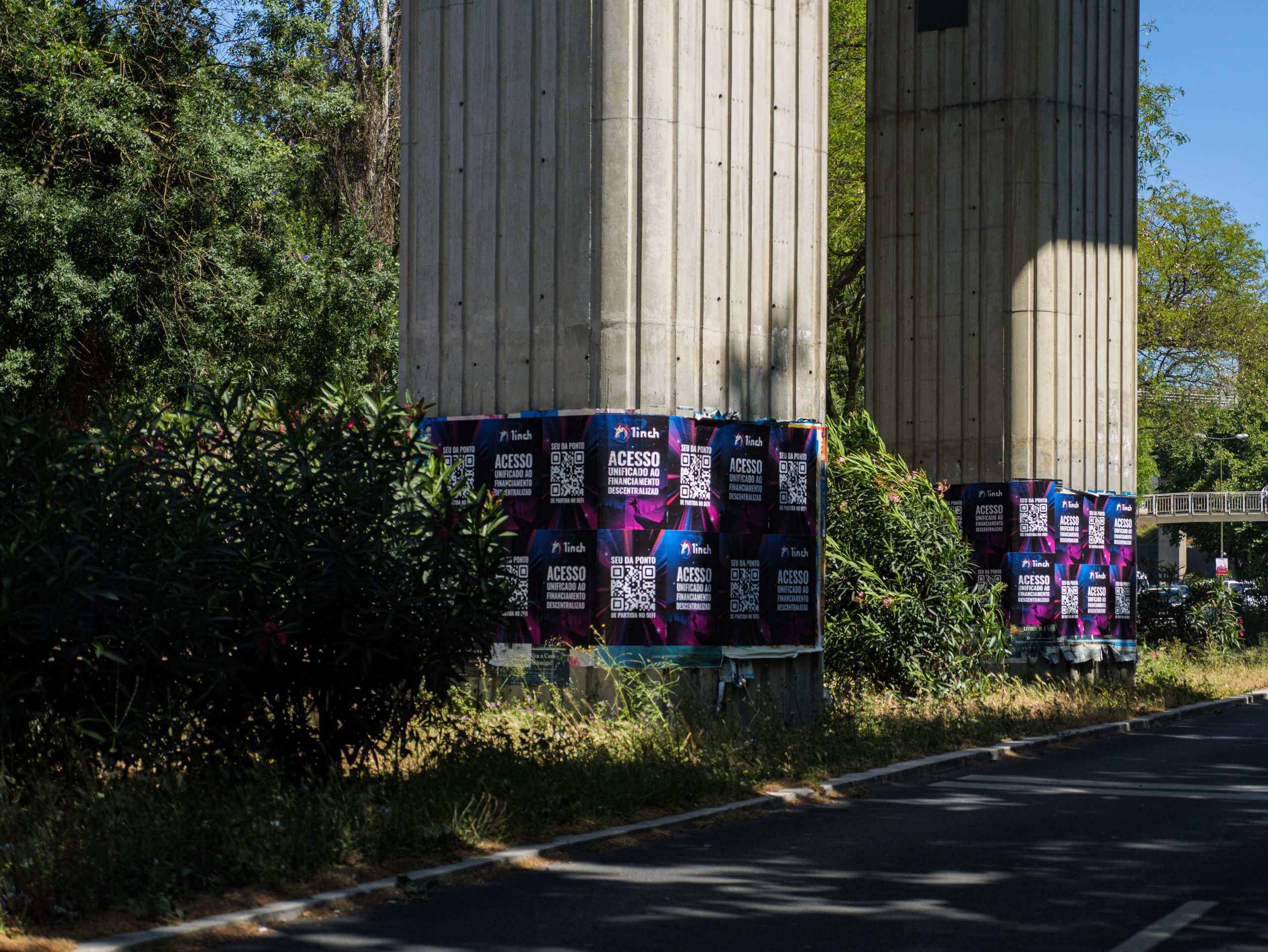
Crypto brands have proven this too. Years earlier with 1inch and other crypto-adjacent clients showed up around Web Summit in Lisbon. Crypto has an even bigger trust gap to close than traditional fintech, and Web Summit puts exactly the right audience, founders, investors, and press, in one place at one time. Projections, wild posting, graffiti, and DOOH around the venue gave those brands a physical, unavoidable presence in front of the people whose trust mattered most that week.
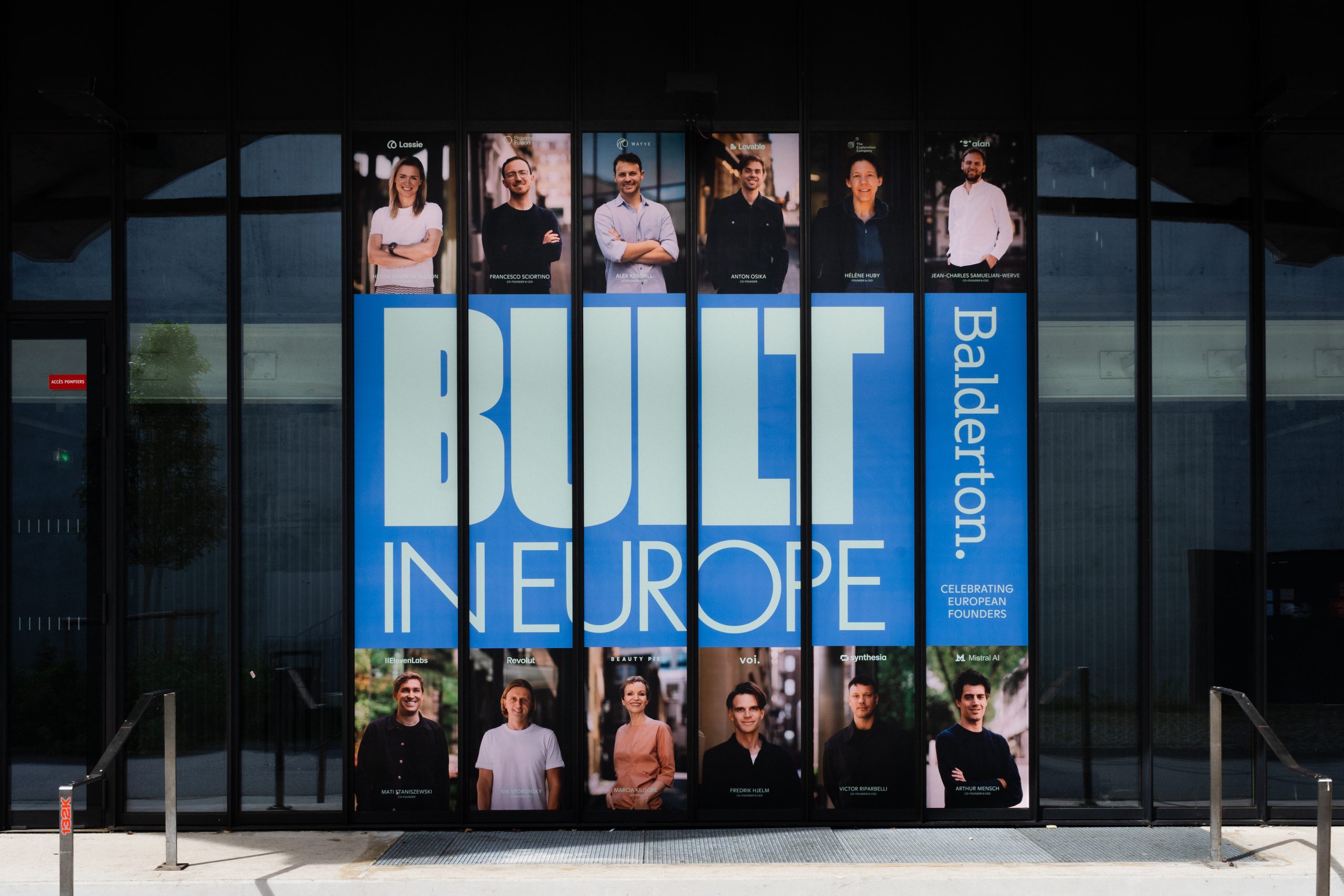
And for Balderton Capital, when the brief came in last-minute across multiple cities, showing up fast and visibly mattered as much as showing up at all. A large-scale wallscape takeover in Paris put the name in front of the right people at the exact moment it counted.
Trust doesn’t build itself overnight, but a major event compresses the opportunity. Founders, investors, and operators don’t cluster like that anywhere else in the calendar. Being physically present in that window, not just visible, but there, in the streets they’re walking, does more for a finance brand’s credibility than the same spend stretched across a full year of generic exposure.
Activations like the Qonto coffee cart create the most direct version of this: a real conversation, a real person, a real answer. Physical installations, like the mirrored monoliths, reinforce that the brand has a genuine footprint, not just a marketing budget. Wild posting and projections build familiarity in the streets around the event itself, so the brand feels present before anyone even talks to a representative. And large-scale takeovers, like Balderton’s wallscape in Paris, signal scale and seriousness in a way that’s hard to fake.
None of these replace digital marketing. But for a category built on trust, they do something digital can’t: put a real person in front of a real customer, at the exact moment and place it matters most.
If your brand is in fintech or crypto, the biggest thing standing between you and a new customer probably isn’t awareness. It’s trust. And trust is still built the same way it always has been: face to face, in person, somewhere real, ideally when the right people are already in town.
Two Amsterdam poster crews went to war over walls neither of them owned. And then, one of them got a licence from the authorities.

Guerrilla marketing was named in 1984. Amsterdam archives show us the trade is a century older. From an 1875 complaint to a wall for rent in 1915.
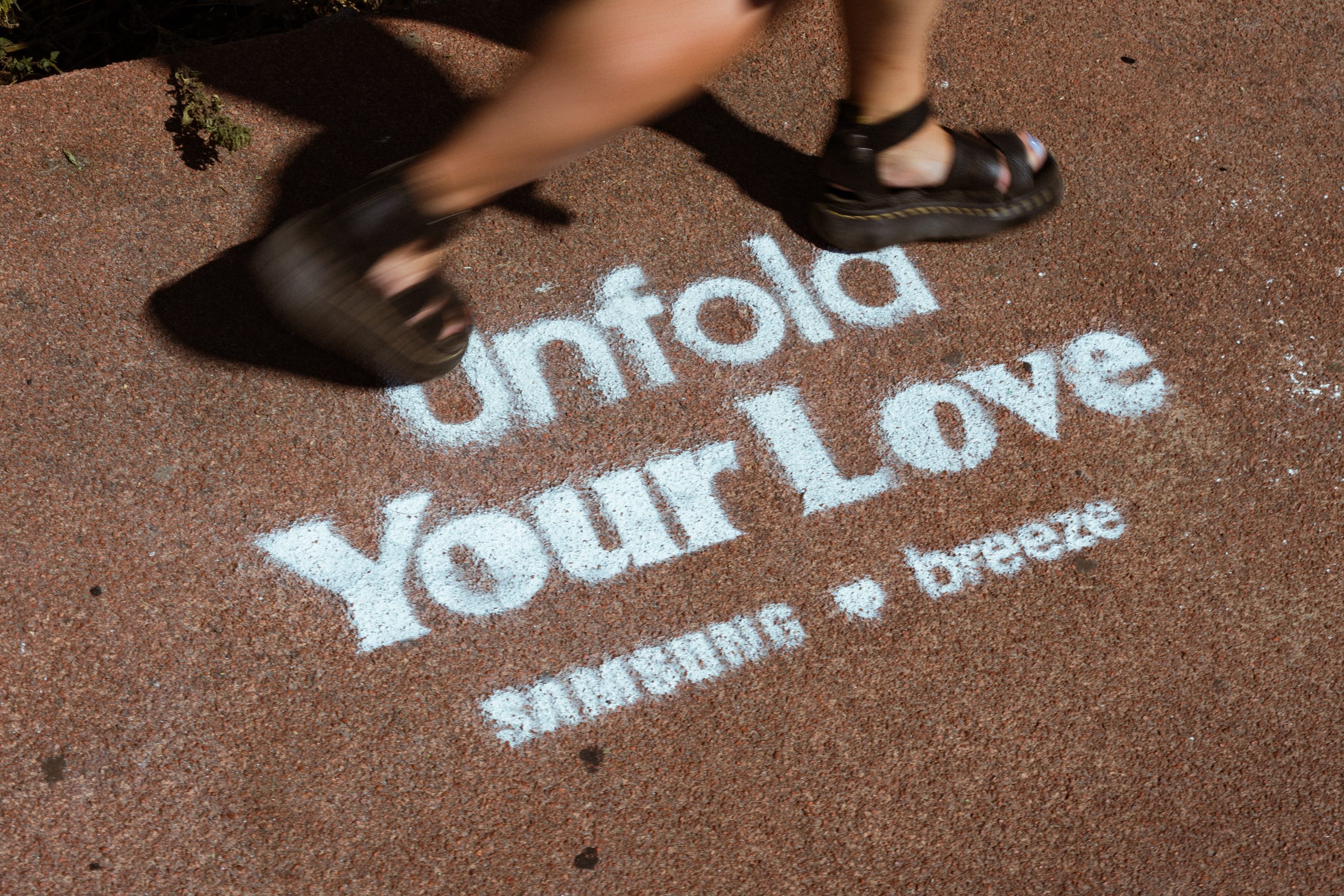
Reverse graffiti, green graffiti, chalk stencils: clients mix them up all the time. Here is what each technique is, how long it lasts, and how to brief correctly.
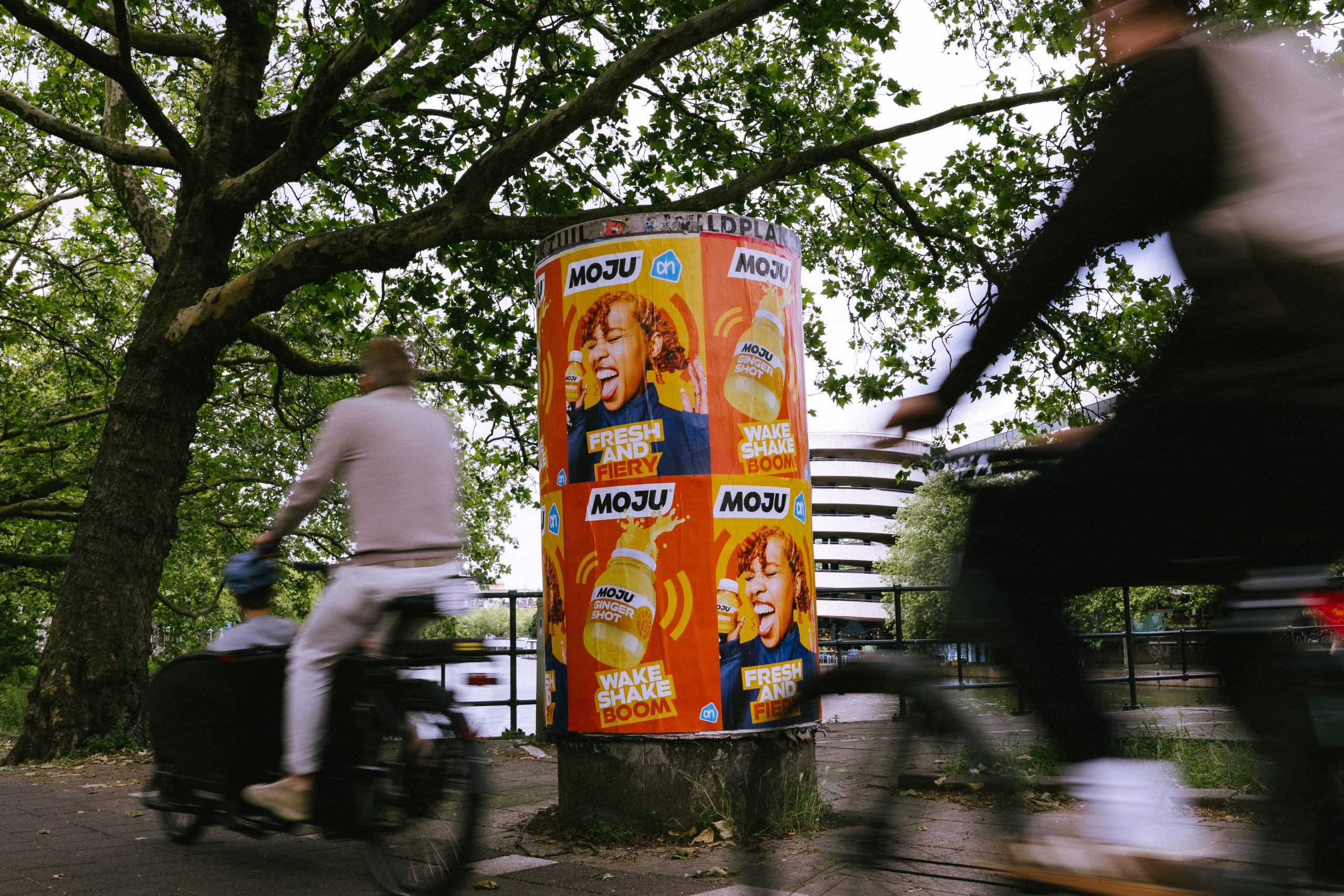
MOJU, Le Smash and JUNI all prove the same thing: the right streets make a small brand impossible to miss. Here's how each one did it.
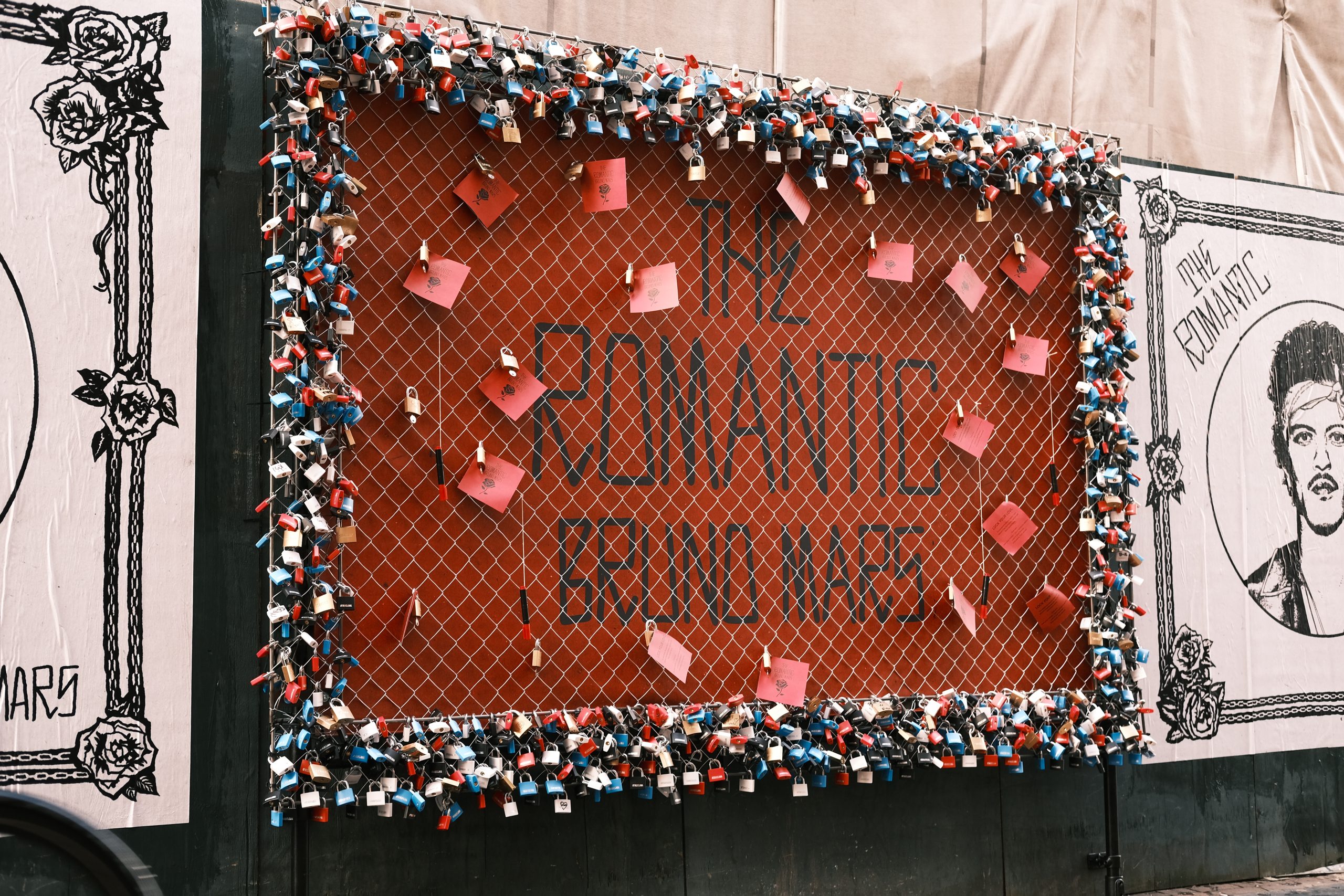
Three brands, three special builds, one same result: people stopped, looked twice, and remembered it. Here's what makes a special build worth stopping for.
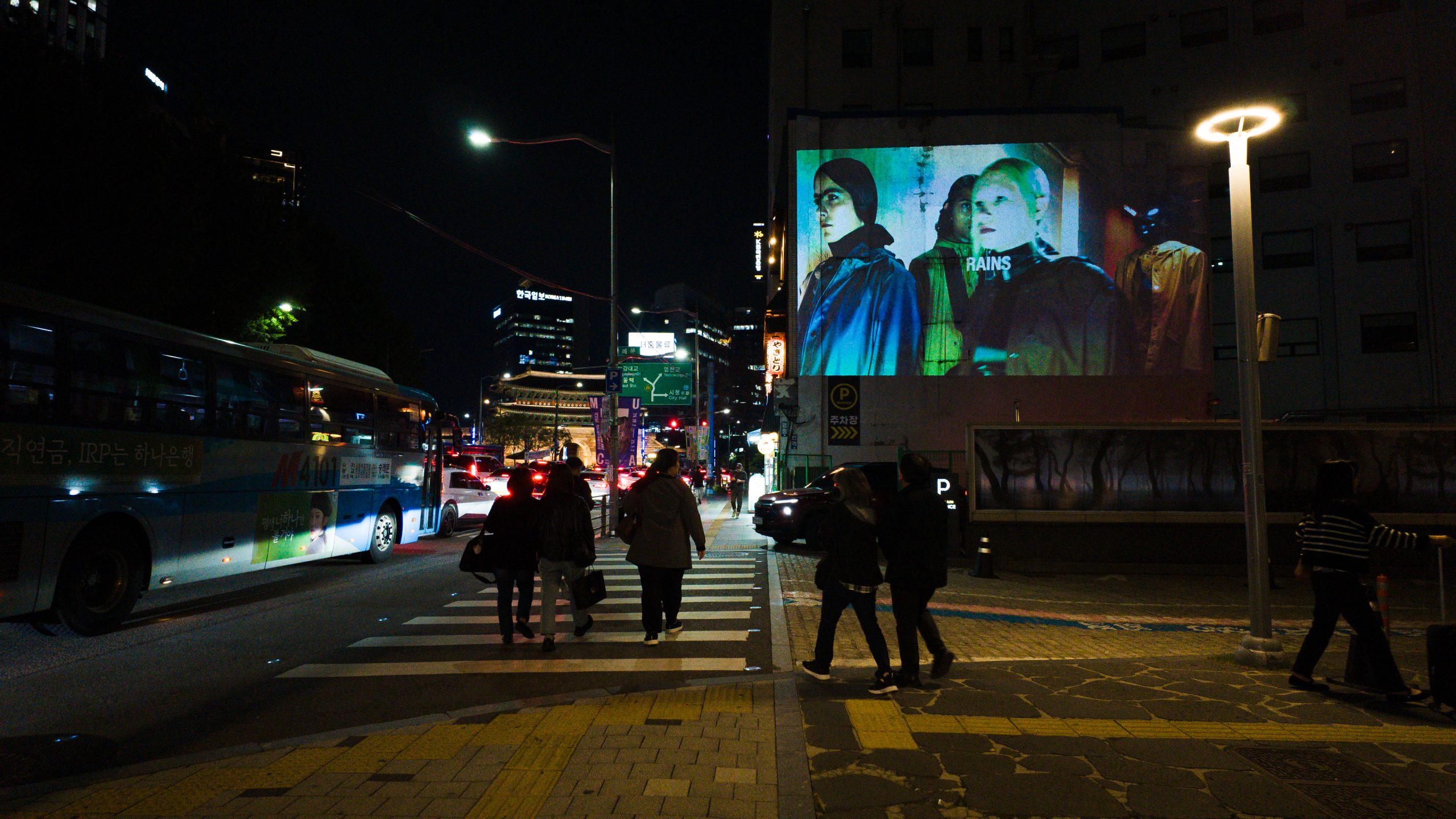
Every new market comes with its own rules, its own risks, its own learning curve. Here's what it actually takes to make it work, city by city.
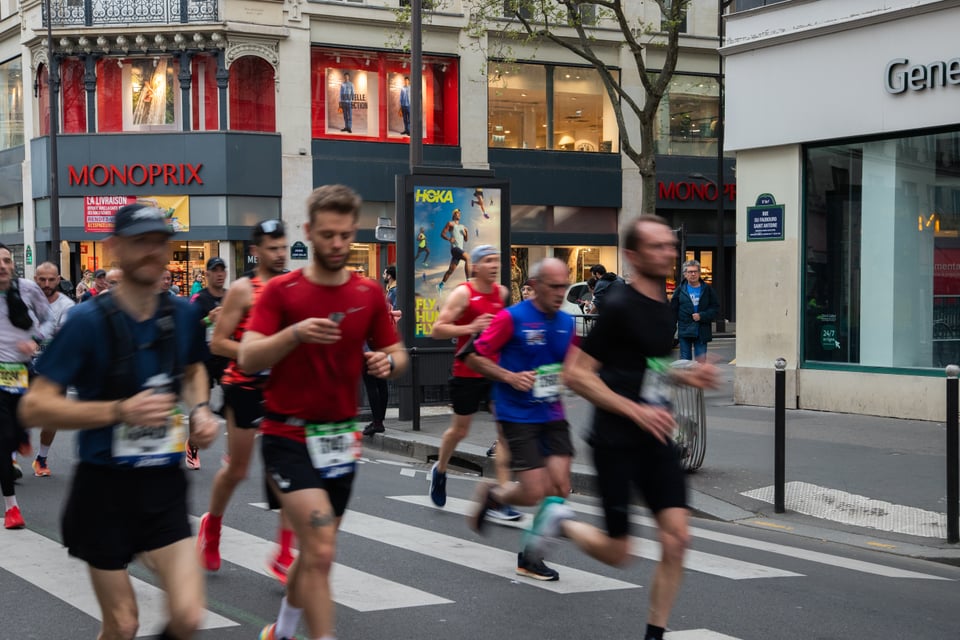
You don't need a sponsorship to win a marathon weekend. Here's how street marketing puts your brand where the crowd actually is.
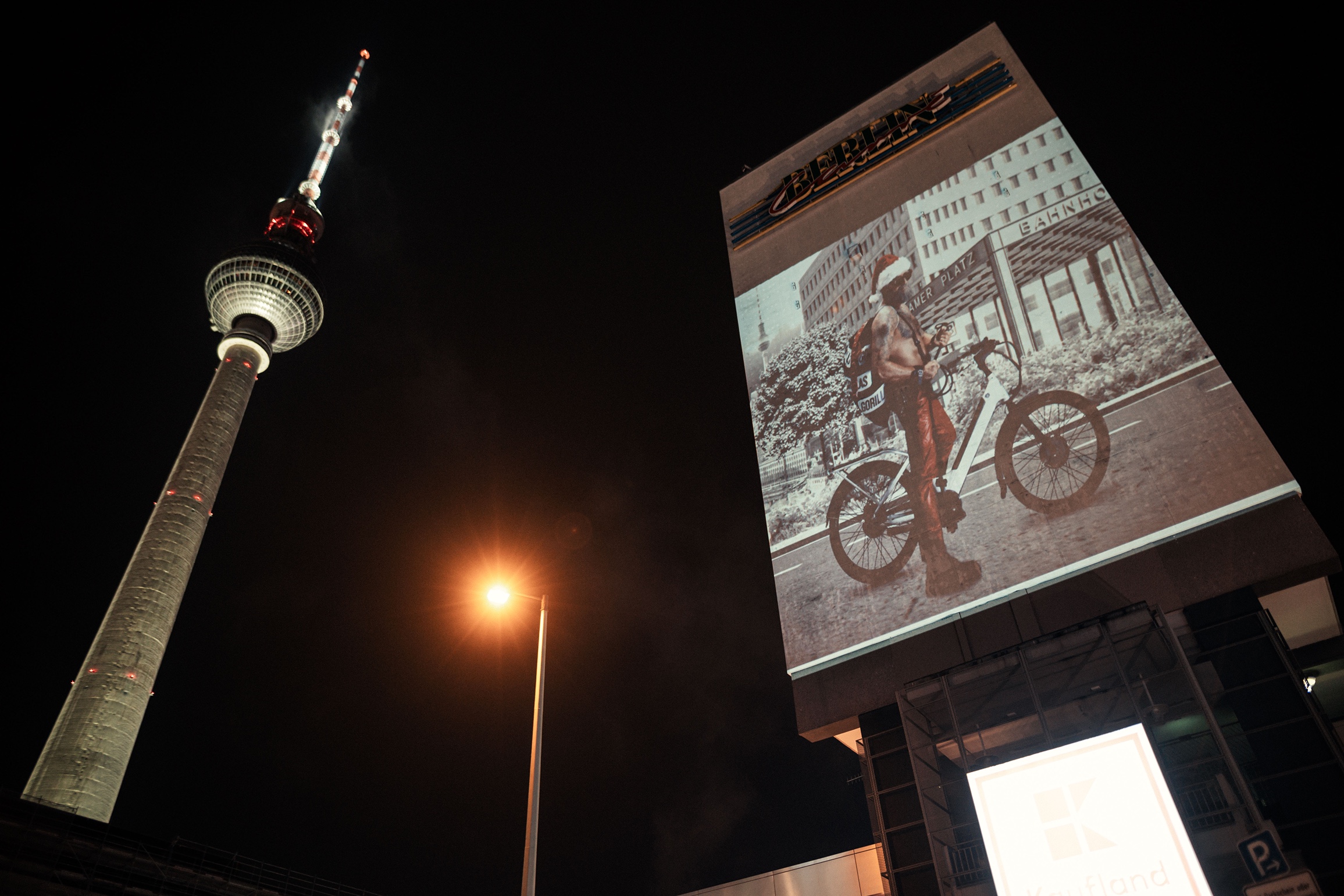
The best projection campaigns aren't just about the light. They're about how you play with the spot you choose. Here's why location should shape your creative.