The poster war: how Amsterdam’s wild posters carved up a city they did not own
Two Amsterdam poster crews went to war over walls neither of them owned. And then, one of them got a licence from the authorities.
Most QR codes in OOH don’t do much.
Not because the technology is broken. Because the idea usually is.
Too often, a QR code gets added because it feels useful. A way to say less on the artwork. A way to push more information onto a landing page. A way to make the campaign feel more digital. In those cases, people keep walking. As they should.
In OOH, attention is brief. You’re asking someone in the street to stop, take out their phone, open their camera, scan the code, wait for the page to load, and then care enough to continue. That’s a lot to ask from a poster.
And then there is the issue of cybersecurity. People are wary of scanning QR-codes if they don’t know where they end up. They could be rickrolled, phished, or worse.
So our default advice to brands is simple: don’t use a QR code unless scanning feels worth the effort and risk, as was the case with this Icelandair campaign.
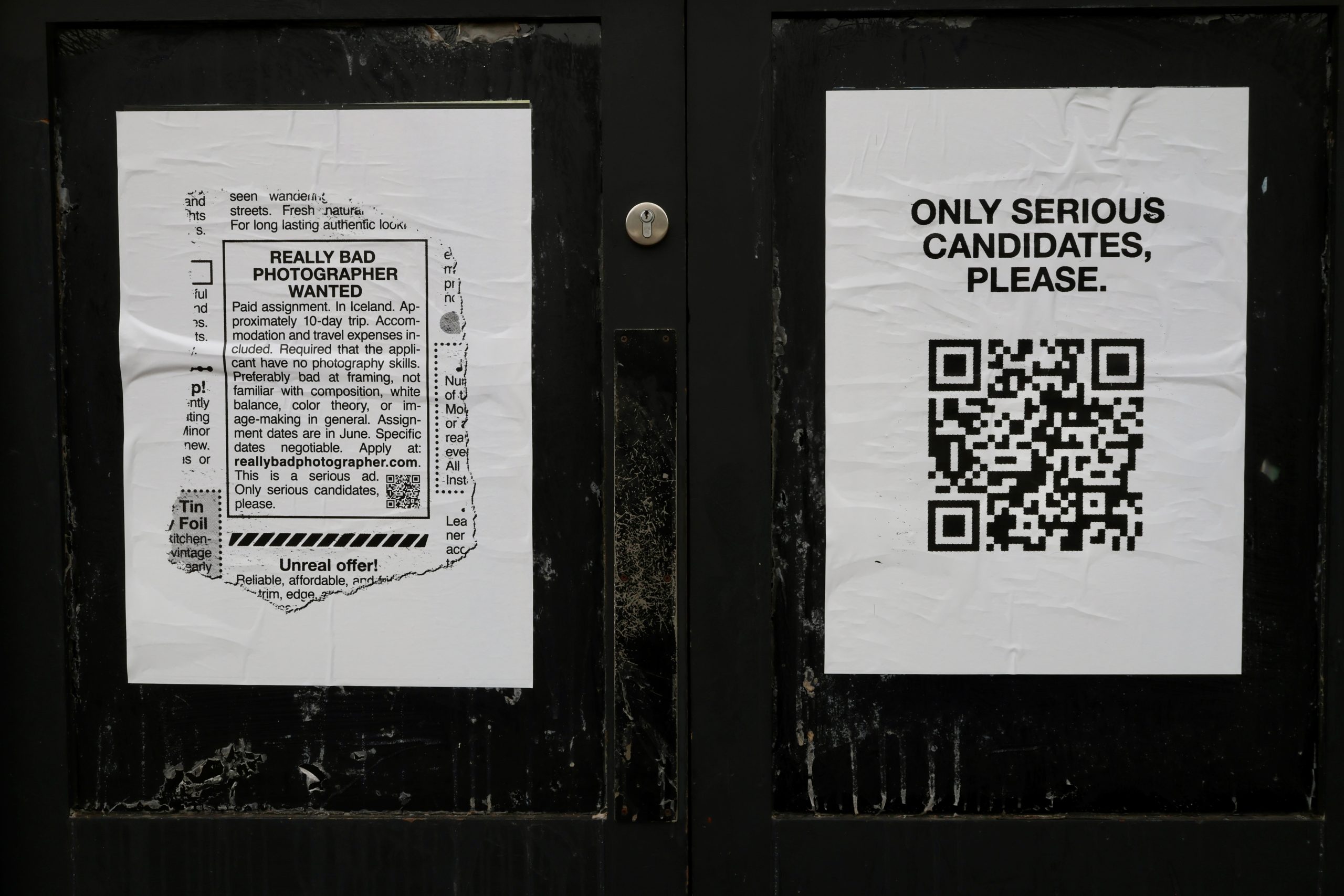
A poster should already do the heavy lifting. It should land the idea fast. It should be legible from a distance. It should reward a glance.
If the QR code is there only to explain the ad, fix weak creative, dump people on a generic landing page, or add a digital layer with no real purpose, then it’s probably better left out.
This is where many QR codes in poster campaigns go wrong. The code is treated as a nice extra, not as a meaningful part of the concept. And if it’s not part of the idea, people won’t bother.
We’re not anti-QR. We’re anti-pointless QR.
A QR code in out-of-home advertising can work when the scan isn’t an afterthought, but a natural next step. It needs to feel earned. It only works if the scan gives them something the poster can’t.
That usually means:
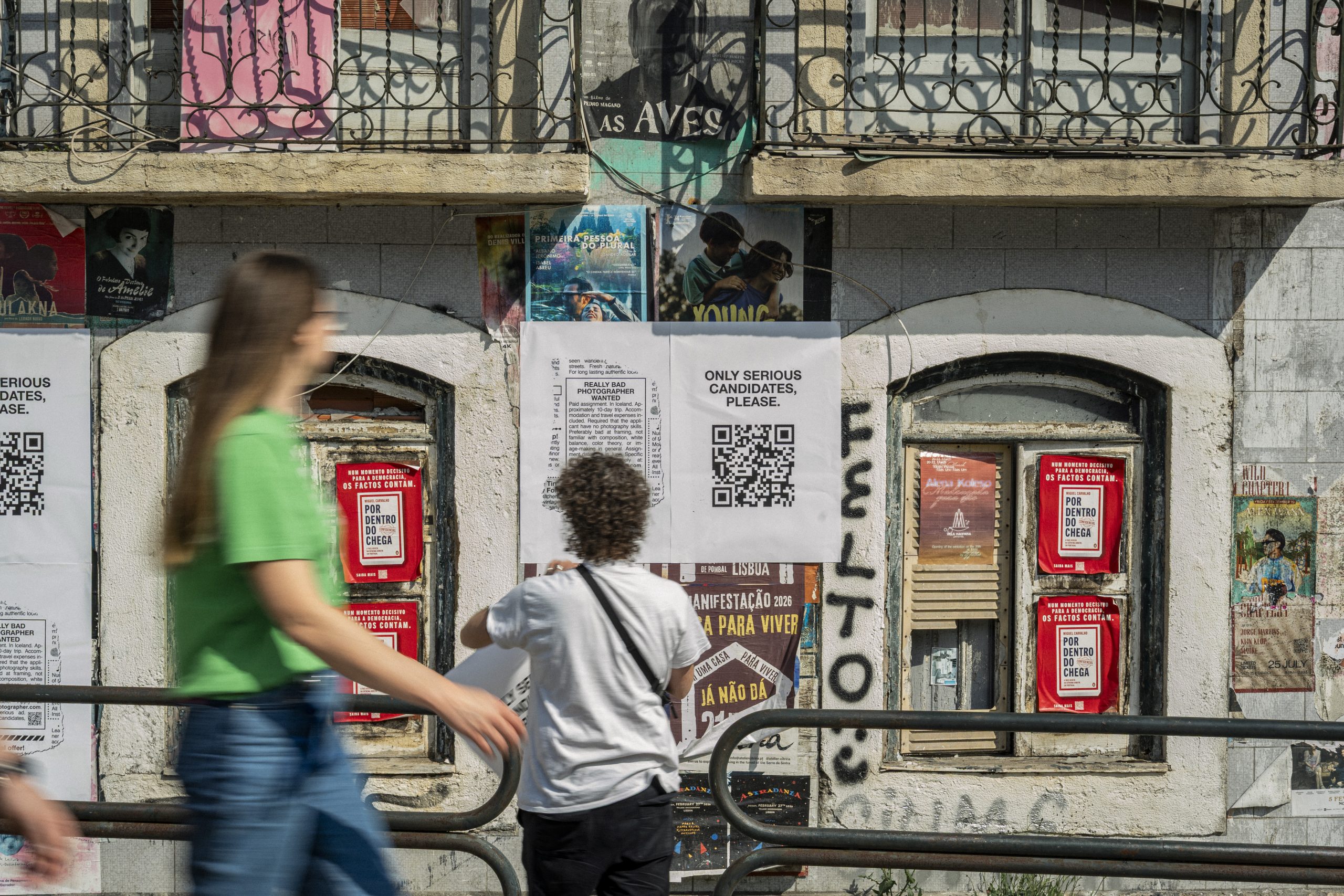
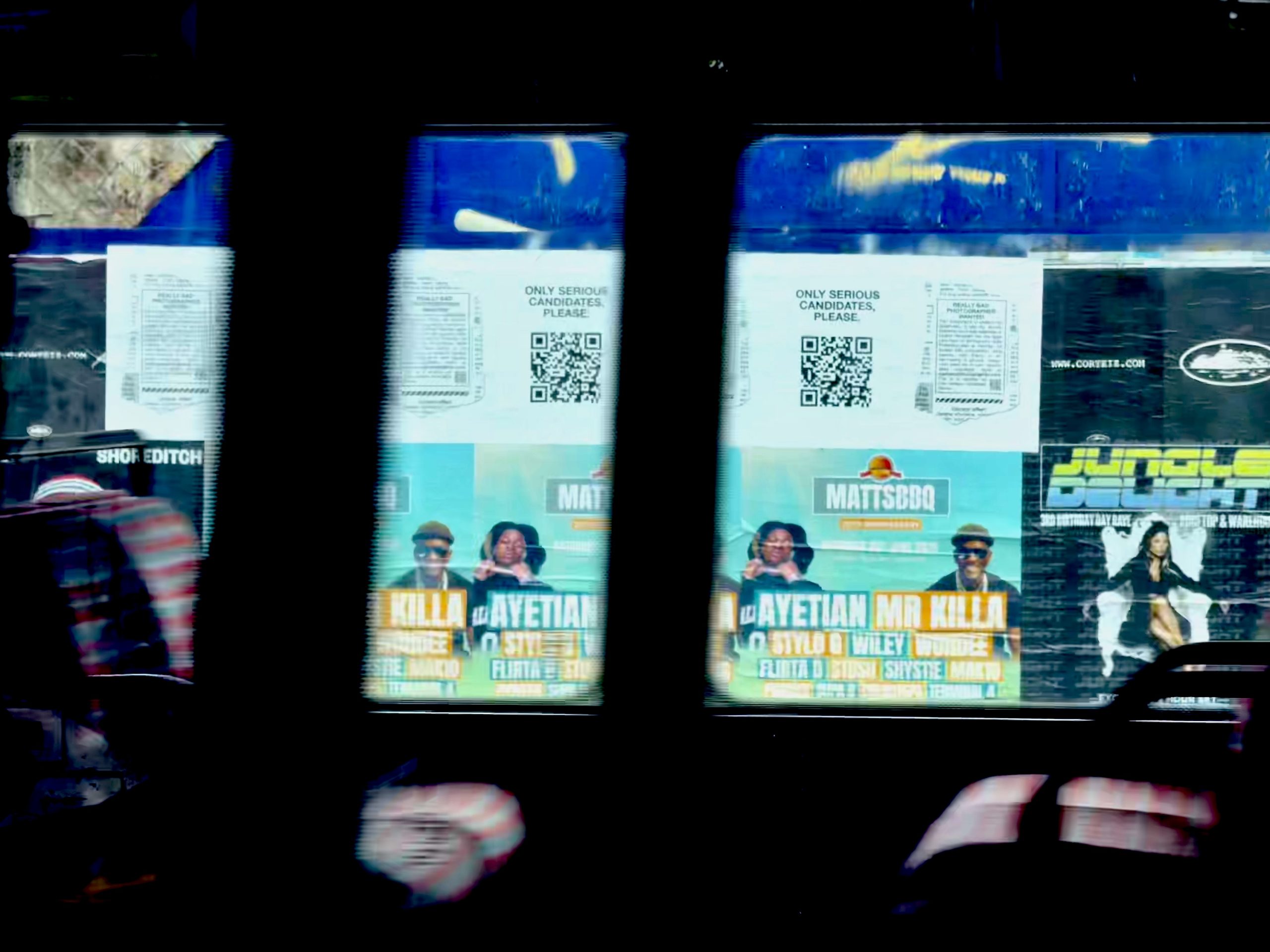
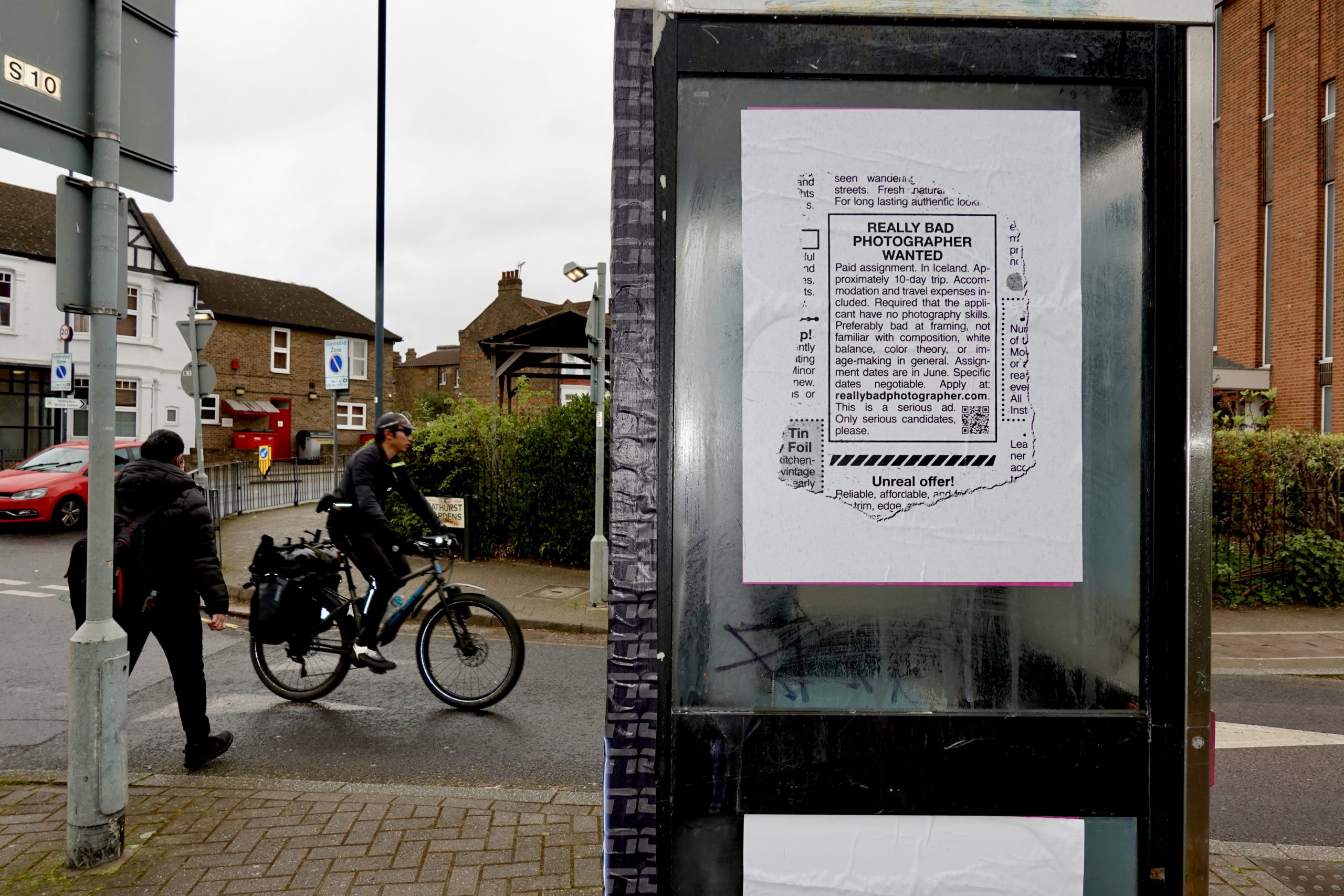
The poster was part of the OOH rollout for a global campaign built around a sharp, unusual idea: Icelandair was looking for a terrible photographer. The premise was simple, funny, and strange enough to stop people in their tracks.
“Terrible photographer wanted” isn’t a standard travel line. It creates instant tension. Is this real? Who’s this for? What’s the catch?
That curiosity gave the QR code a reason to exist.
The poster set the hook, but only after scanning the full reveal happened: a tongue-in-cheek application page that played the joke out further. The code wasn’t doing admin. It was doing storytelling. It wasn’t there to rescue the poster. It was there to complete the idea.
A great idea came first. Without a strong concept, a QR code is just a square on a poster. Here, the campaign already had enough intrigue to earn attention.
The scan unlocked something. People weren’t being sent to a generic page. The scan promised, and delivered, a reveal.
Curiosity was built into the creative. The ad didn’t try to explain everything at once. It gave just enough to make people want the next step.
The QR code felt integrated, not bolted on. That’s often where QR codes in OOH fail. They get added late, as if every campaign needs one. Here, it felt like part of the experience from the start.
This resulted in more than 80,000 scans in The Netherlands alone, and counting. That includes scans from newspaper ads as well as OOH, but the lesson is the same: people scanned because the QR code had a clear role in the idea and held back the reveal until the next step.
When clients ask whether they should use a QR code, our answer is usually: probably not.
Not because QR codes never work. Because they rarely earn their place.
A QR code shouldn’t be there because someone asks, “Should we add one?” It should be there because the idea genuinely continues after the scan.
If the poster already says everything, skip the code. If the landing page is weak, don’t send people there. If the interaction adds nothing, leave it out.
But if the creative builds real curiosity, if the reveal lives behind the scan, and if the next step feels like a reward rather than a task, then a QR code in OOH can absolutely work.
This time, it did. Not because QR codes are suddenly effective in outdoor advertising. But because the idea gave people something worth scanning for.
Two Amsterdam poster crews went to war over walls neither of them owned. And then, one of them got a licence from the authorities.

Guerrilla marketing was named in 1984. Amsterdam archives show us the trade is a century older. From an 1875 complaint to a wall for rent in 1915.
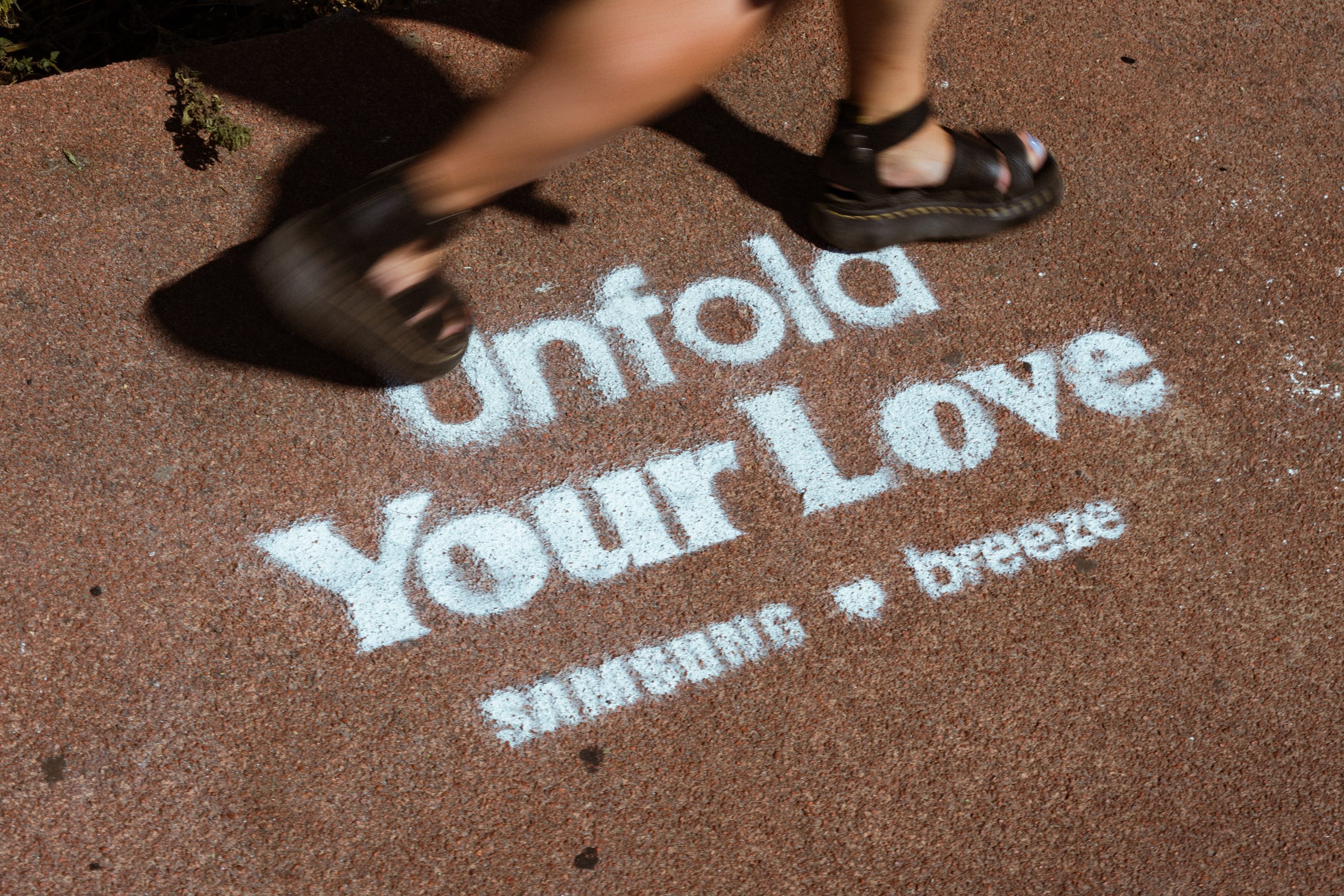
Reverse graffiti, green graffiti, chalk stencils: clients mix them up all the time. Here is what each technique is, how long it lasts, and how to brief correctly.
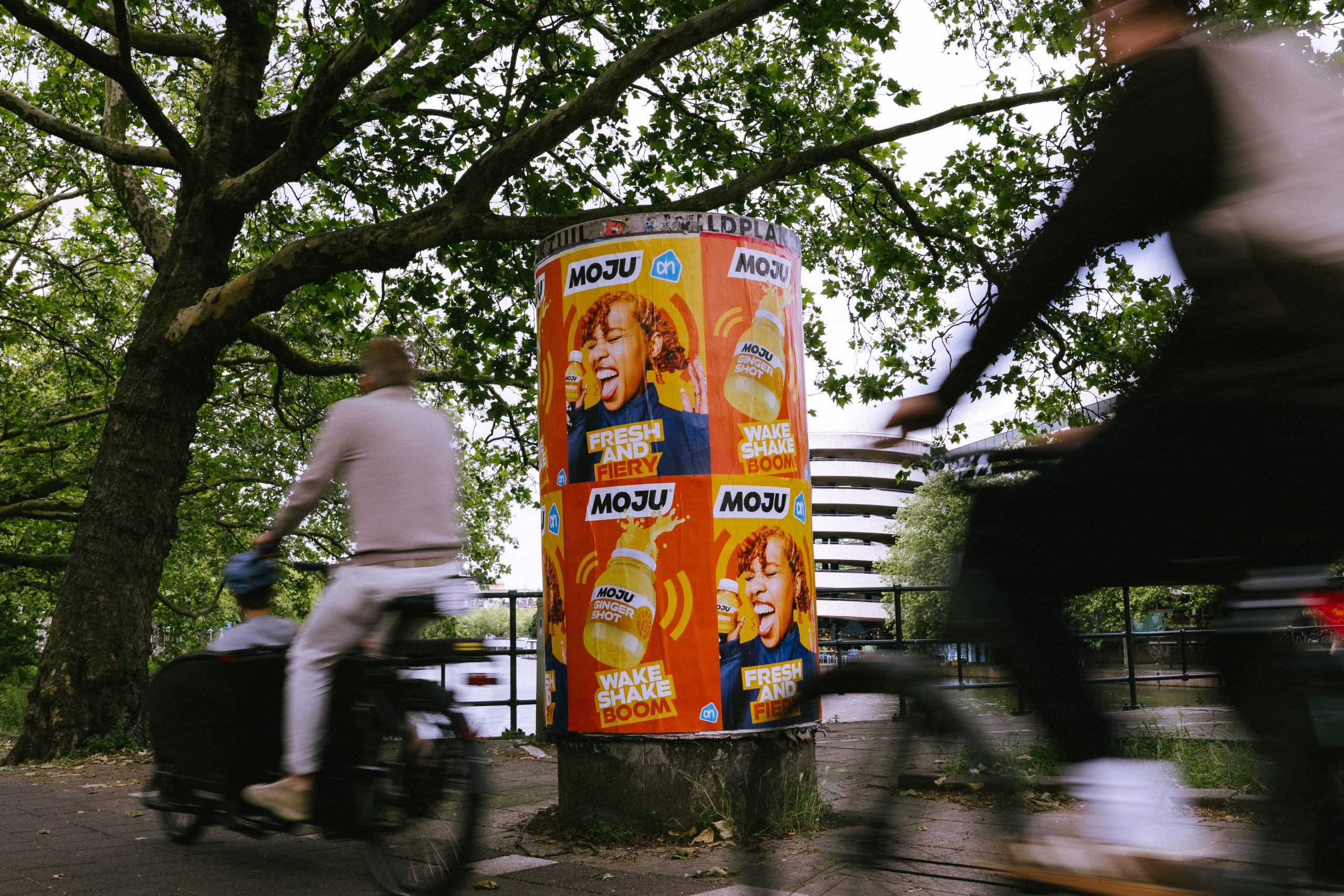
MOJU, Le Smash and JUNI all prove the same thing: the right streets make a small brand impossible to miss. Here's how each one did it.
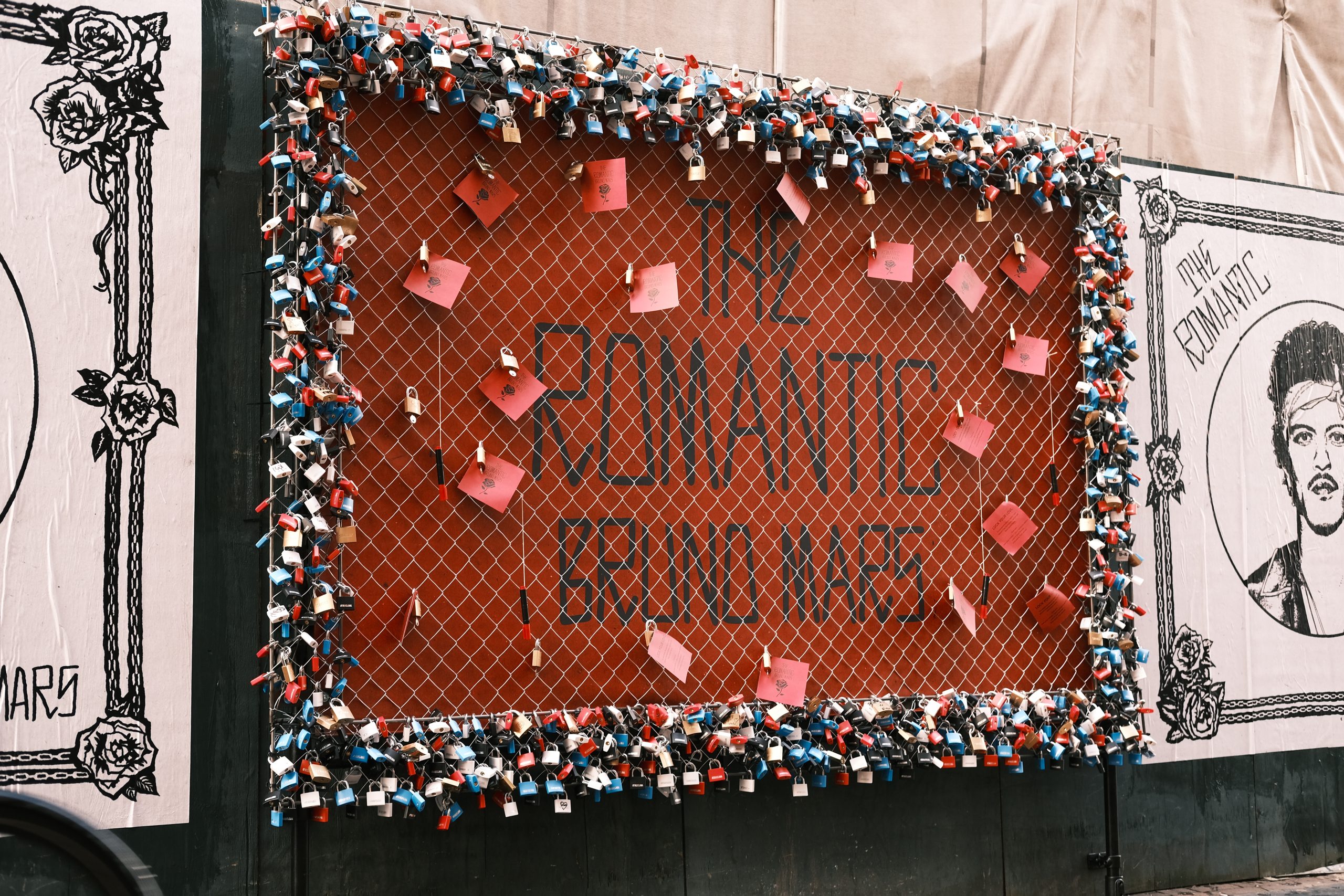
Three brands, three special builds, one same result: people stopped, looked twice, and remembered it. Here's what makes a special build worth stopping for.
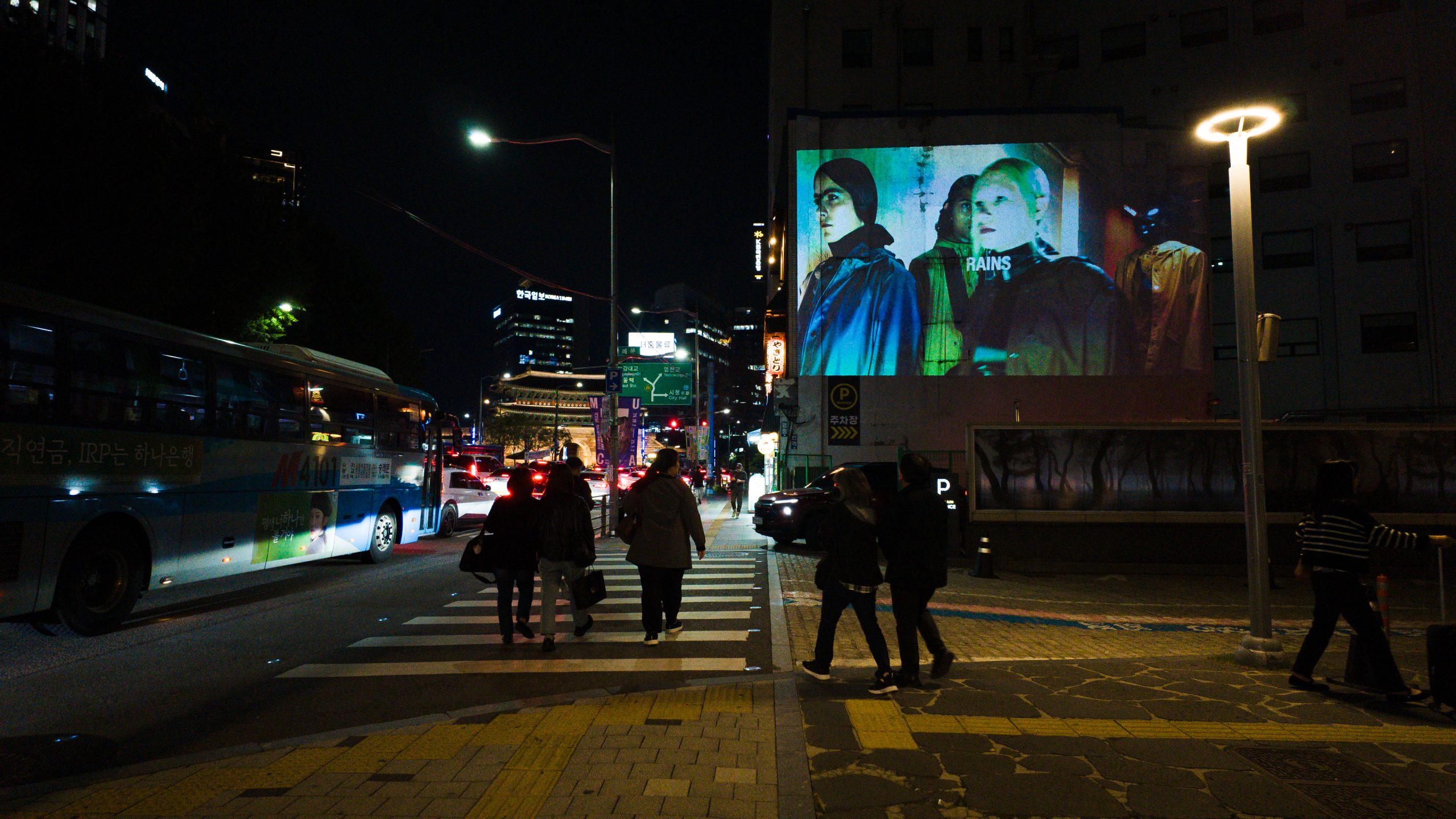
Every new market comes with its own rules, its own risks, its own learning curve. Here's what it actually takes to make it work, city by city.
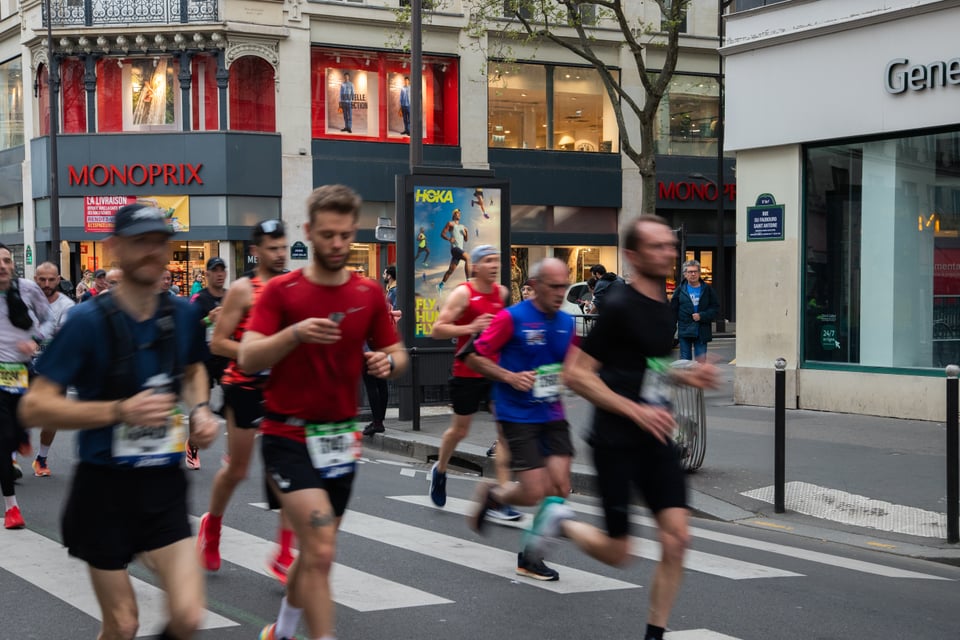
You don't need a sponsorship to win a marathon weekend. Here's how street marketing puts your brand where the crowd actually is.
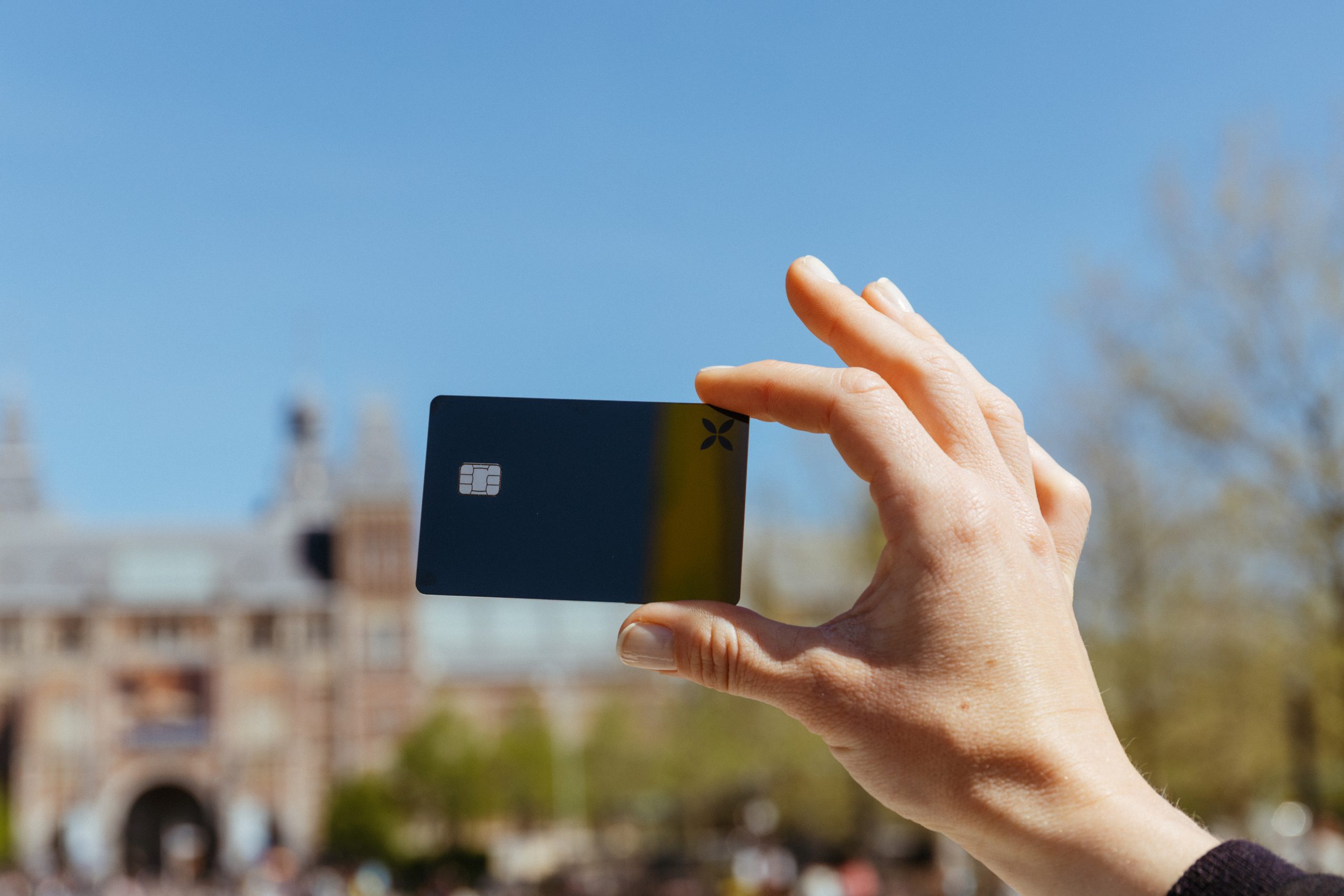
Physical presence builds the trust that fintech and crypto brands need. See how brand activations can do that in person.