The deal behind the billboard
A bus shelter arrives in a city and the city pays nothing for it. Who owns the furniture, what each route costs, and why almost no city will tell you what it earns.
Most brands assume programmatic means automated. And automated means hands-off. Set it, forget it, let the algorithm do its thing.
That’s not wrong. But it’s also not the full picture.
Programmatic digital out-of-home is one of the most flexible tools in outdoor advertising right now. Not just in terms of where your ad runs, but when, why, and what it says depending on who’s walking past. Most brands we talk to have no idea how far you can actually push it. And that’s on us as an industry for not explaining it better.
So let’s fix that.
When brands first encounter programmatic DOOH, the conversation usually goes something like: “Can we get screens in X city for Y dates?” And yes, that’s possible. But that framing is a bit like hiring a chef and asking them to boil water.
The real power is in the conditions you attach to your campaign. You’re not just buying screen time. You’re buying screen time at the right moment, in the right neighborhood, with the right message.
That’s a different thing entirely.
One of the most underused capabilities: running different creative on different screens within the same city. We’ve done this for campaigns where the copy references the specific neighborhood the poster is in.
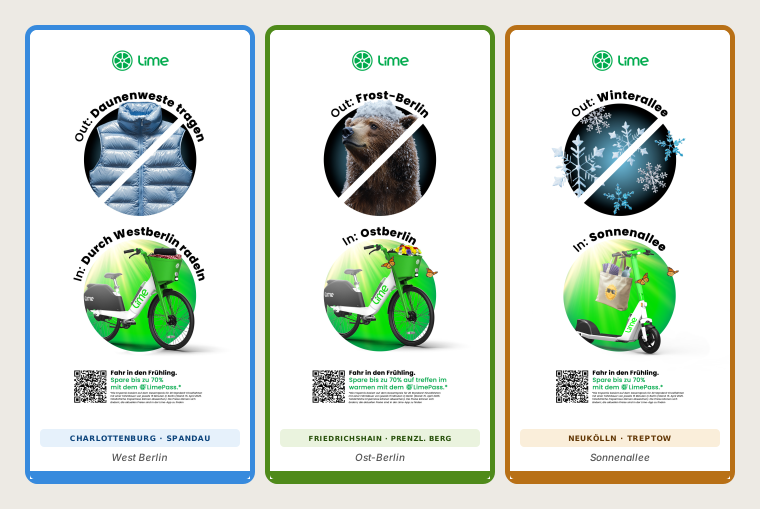
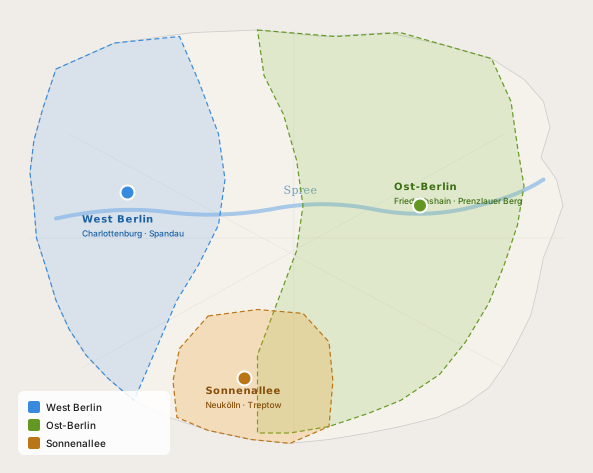
For Lime, the screens in Friedrichshain said something different than one in Neukölln. Not because they’re separate campaigns, but because programmatic lets you target at that level of granularity and serve location-specific creative automatically. For brands with strong local identity or multi-city campaigns, this changes everything. You stop talking to a city and start talking to a street.
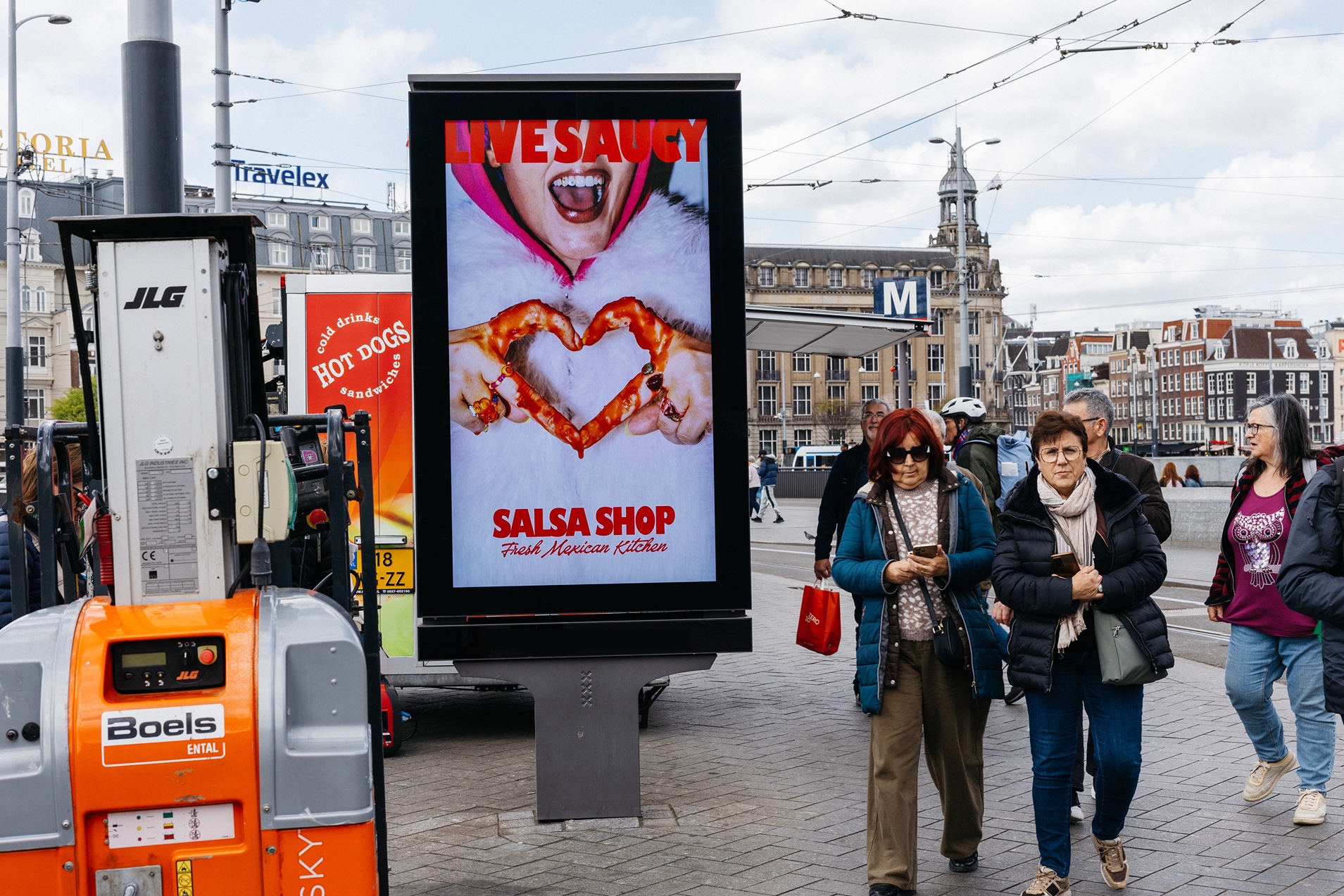
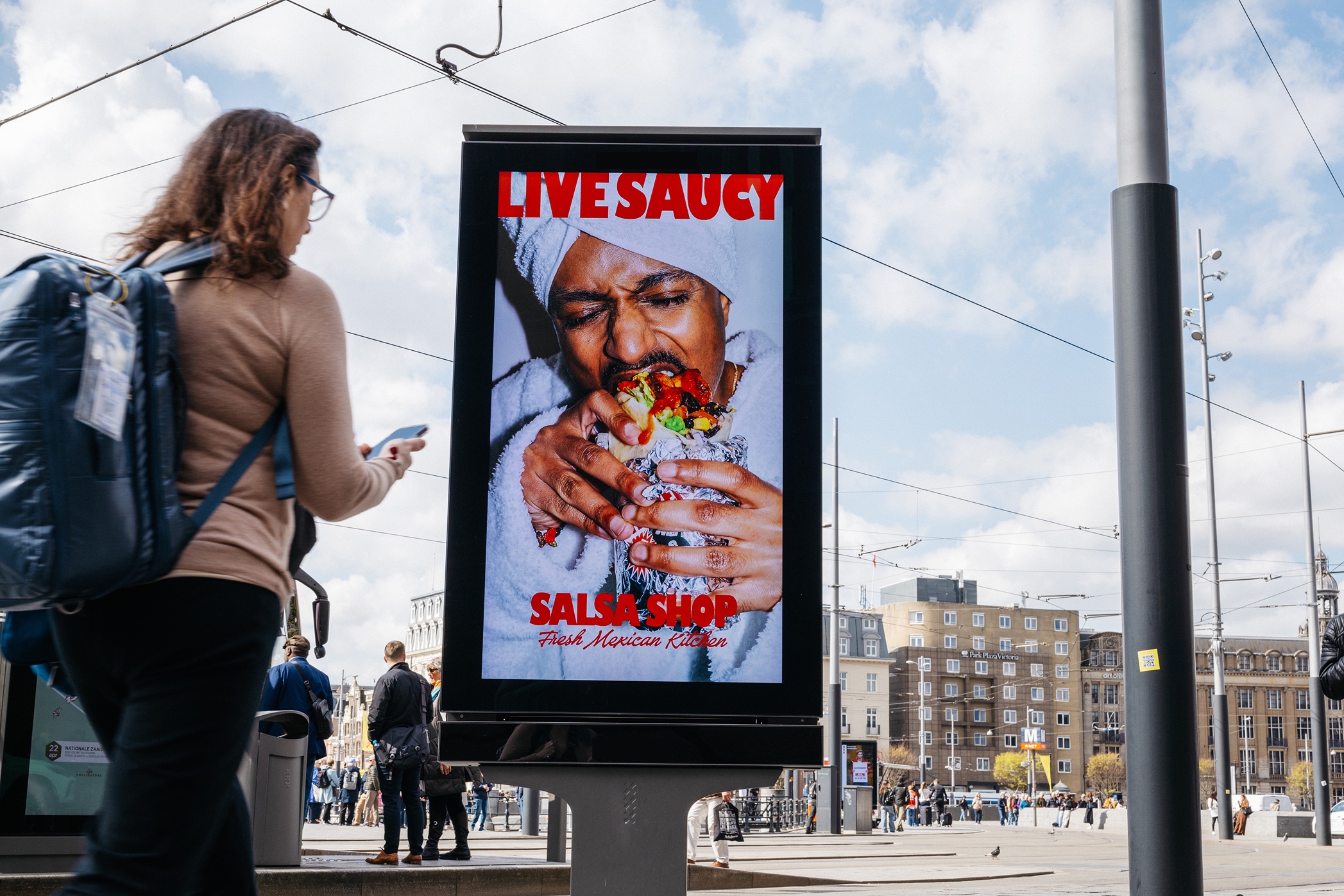
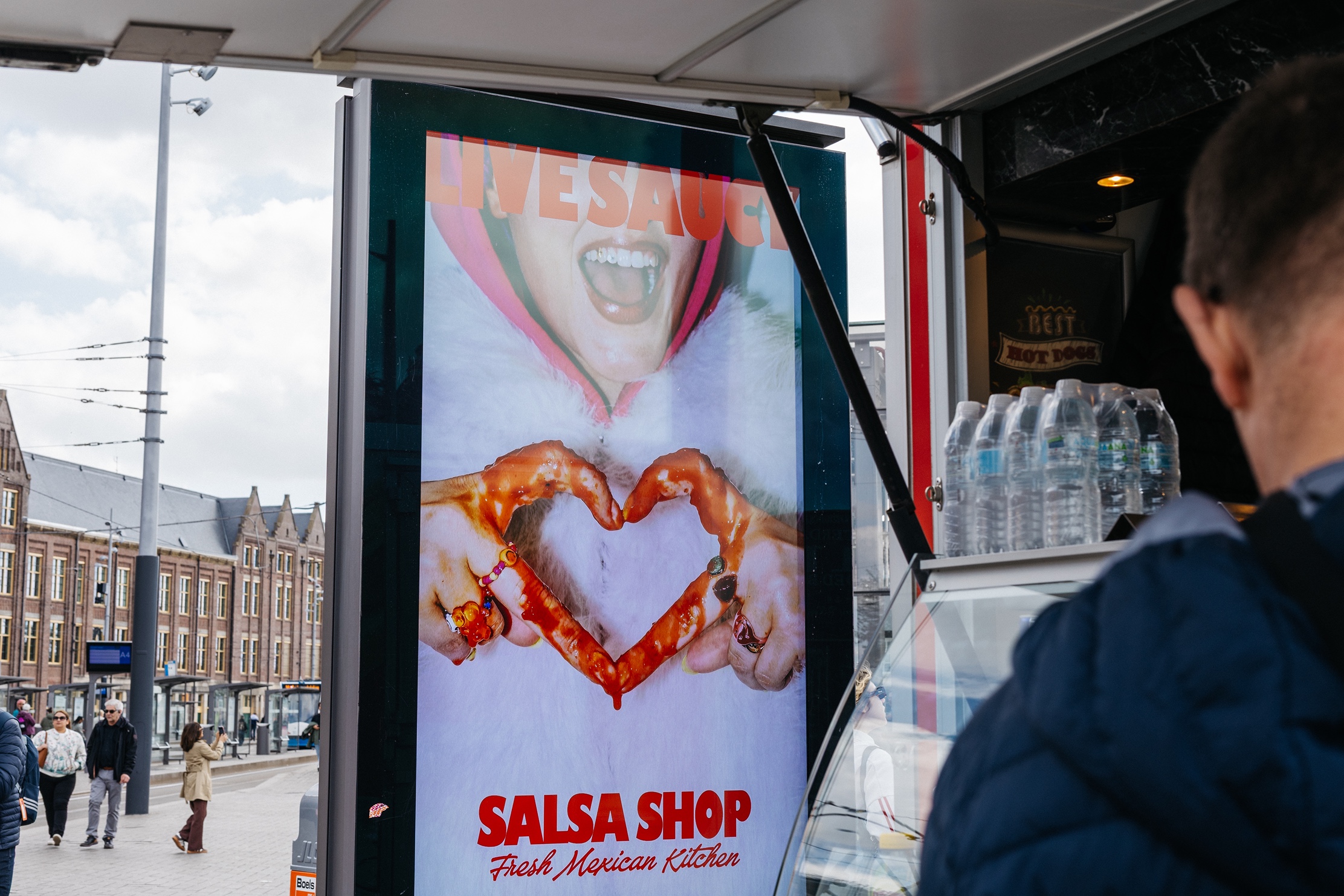
You can schedule programmatic campaigns to activate around specific moments. A store opening. Rush hour. Lunchtime in a business district. The hour before a city marathon kicks off.
We’ve run campaigns timed around exactly these kinds of moments, targeting the routes that matter rather than blasting screens across a whole network. For Salsa Shop, we only bought screens in 100 sqm radius from their restaurants during meal times. It’s a smarter use of budget and the results are more relevant to the people actually seeing the ad.
Think about what that means for a campaign built around a cultural moment or a city event. Instead of buying coverage for a week and hoping the right people see it at the right time, you buy precisely the window that matters.
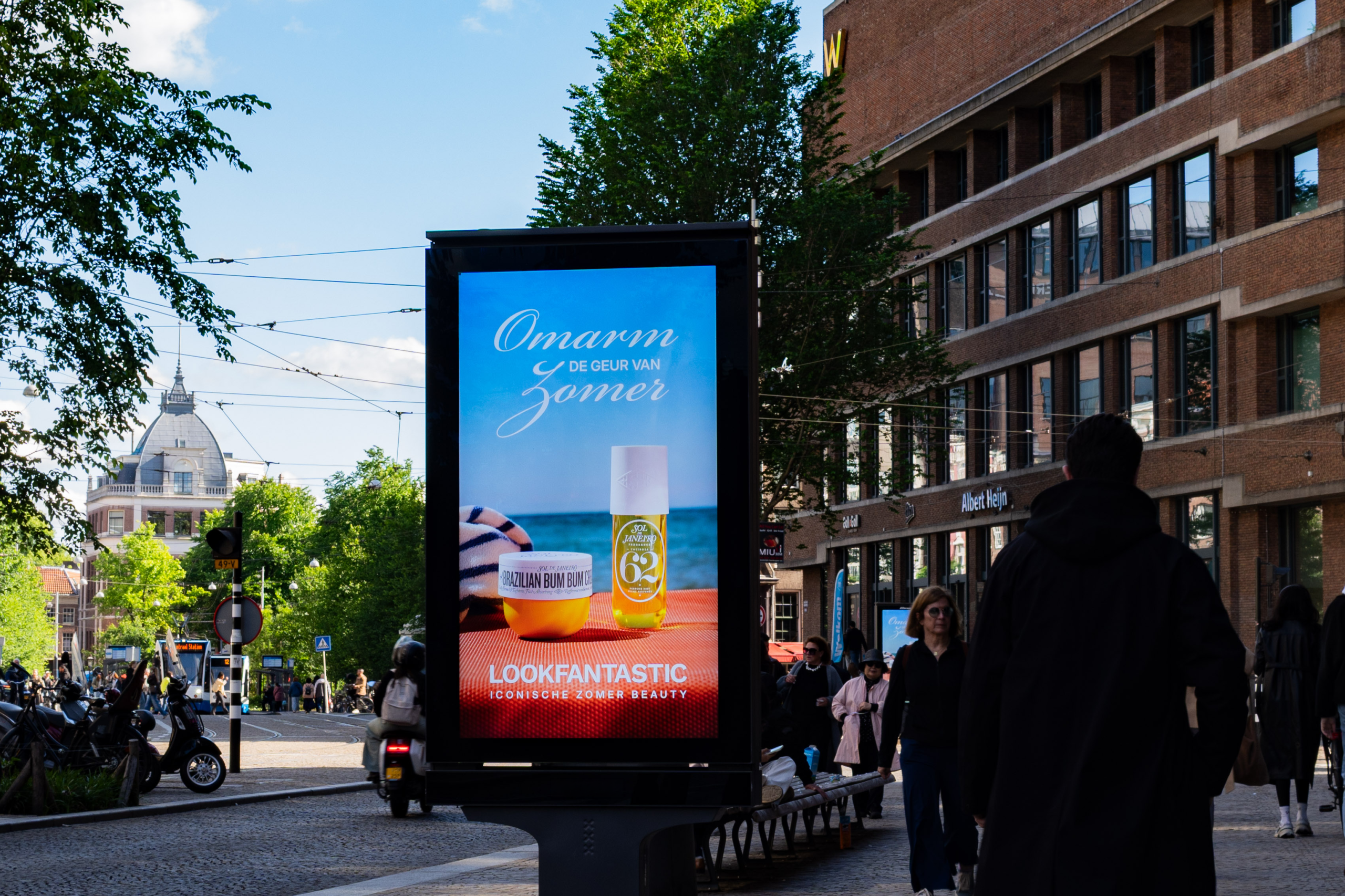
This is where it gets interesting. Programmatic campaigns can be set to activate, pause, or switch creative based on real-world conditions, including weather.
A sunscreen brand that only runs ads when the UV index crosses a certain threshold. A hot drinks campaign that activates when temperatures drop below 10 degrees. A sunglasses campaign that switches off on overcast days and switches back on the moment the sun comes out.
We haven’t run that exact campaign yet. But the capability is there, and it’s a genuinely smart way to match your message to your audience’s state of mind in the moment. If someone is squinting in the afternoon sun, that’s not a bad time to remind them they need sunglasses.
The brands that figure this out early will have a real advantage.
Programmatic DOOH rewards brands that think in conditions, not just coverage. Instead of asking “which screens,” start asking “when should this ad run, and what should it say when it does?”
That shift in thinking is the difference between a campaign that’s present and one that’s actually relevant.
We’ve built campaigns around it. We know the networks, the triggers, and the creative setups that make it work. If you’ve been thinking about digital outdoor but assumed it was more rigid than what you need, let’s talk.
A bus shelter arrives in a city and the city pays nothing for it. Who owns the furniture, what each route costs, and why almost no city will tell you what it earns.
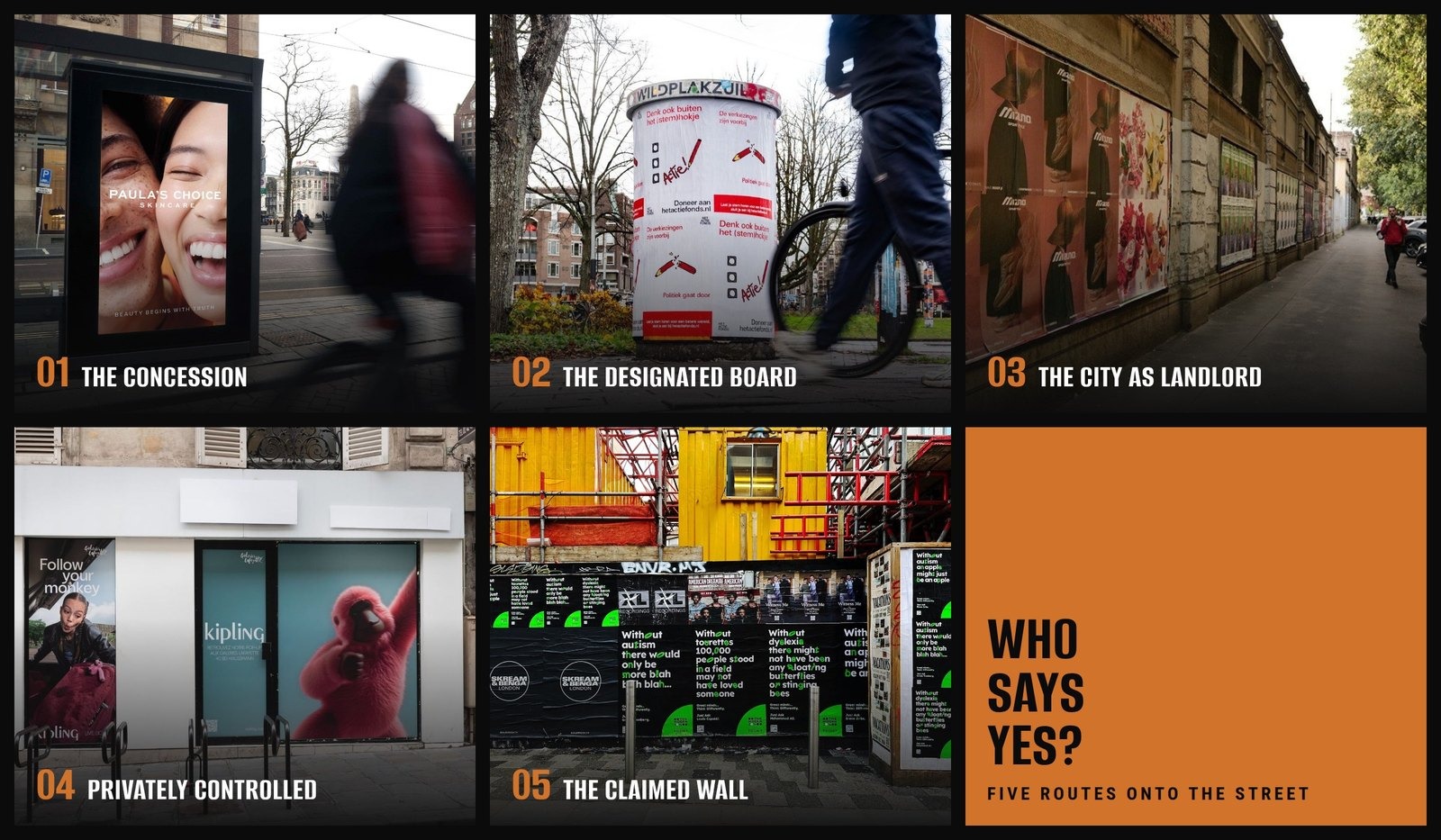
Five ways onto a street, and only four involve somebody saying yes. Who owns the surface, who to ask, and who pays when nobody did.
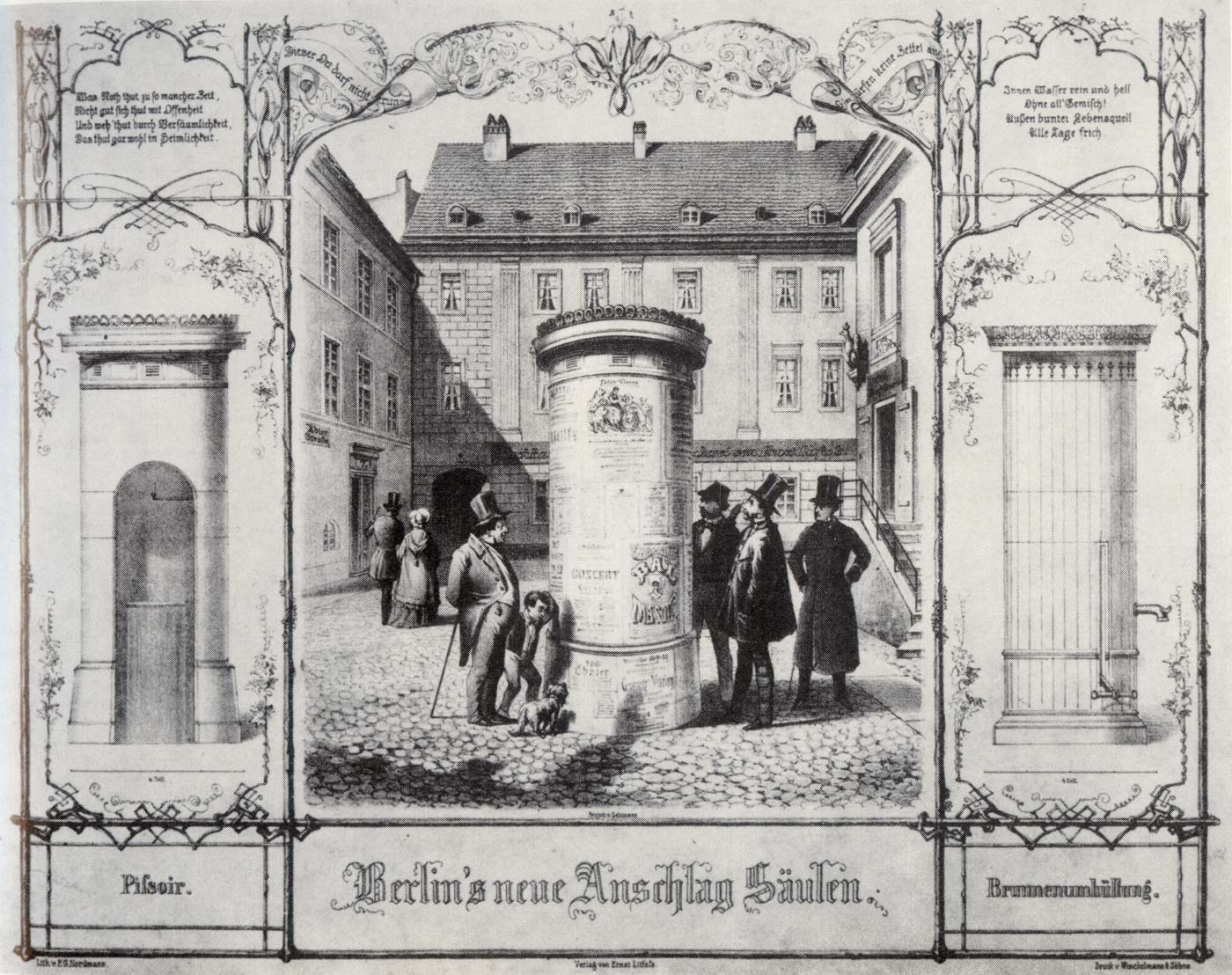
Two Amsterdam poster crews went to war over walls neither of them owned. And then, one of them got a licence from the authorities.

Guerrilla marketing was named in 1984. Amsterdam archives show us the trade is a century older. From an 1875 complaint to a wall for rent in 1915.
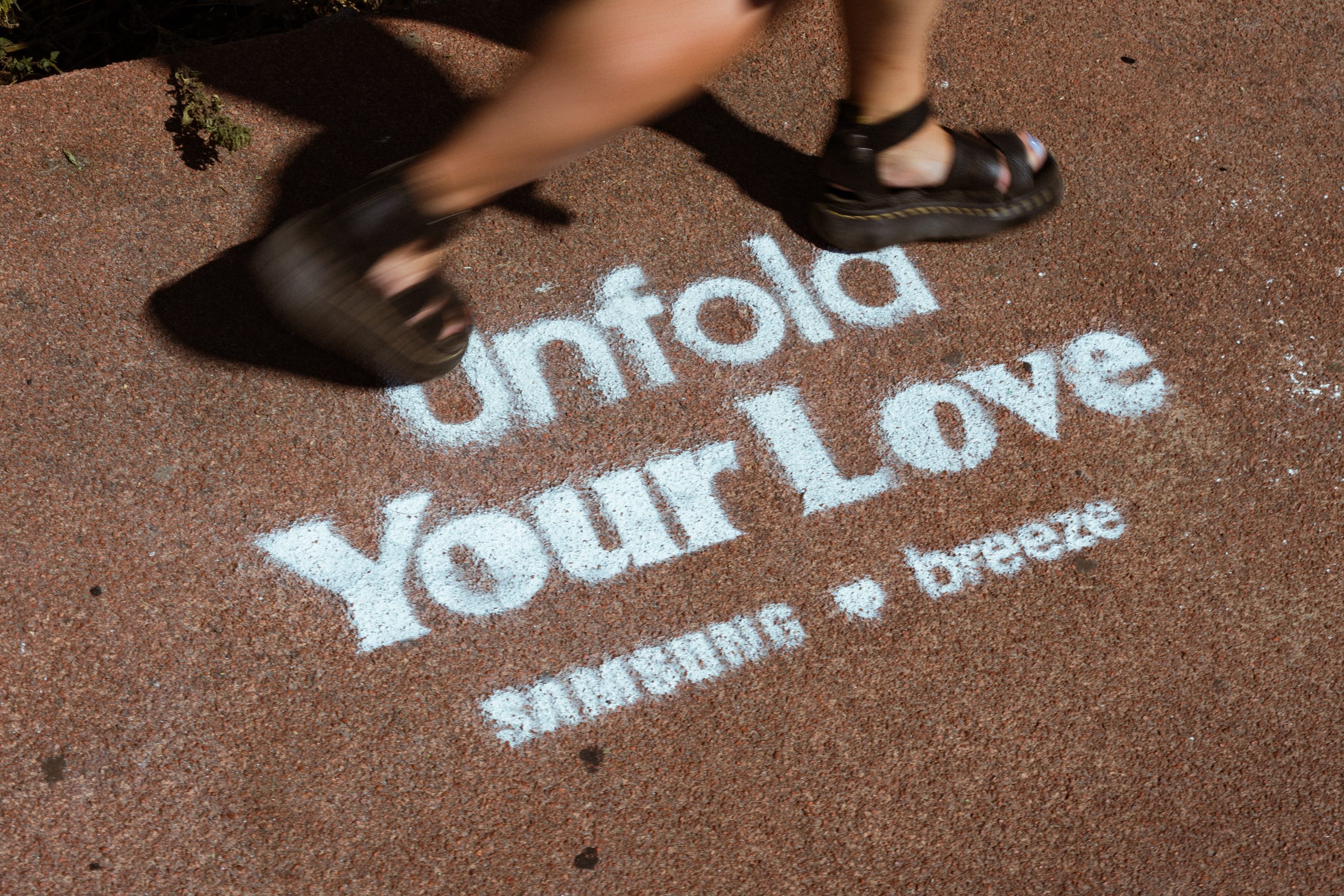
Reverse graffiti, green graffiti, chalk stencils: clients mix them up all the time. Here is what each technique is, how long it lasts, and how to brief correctly.
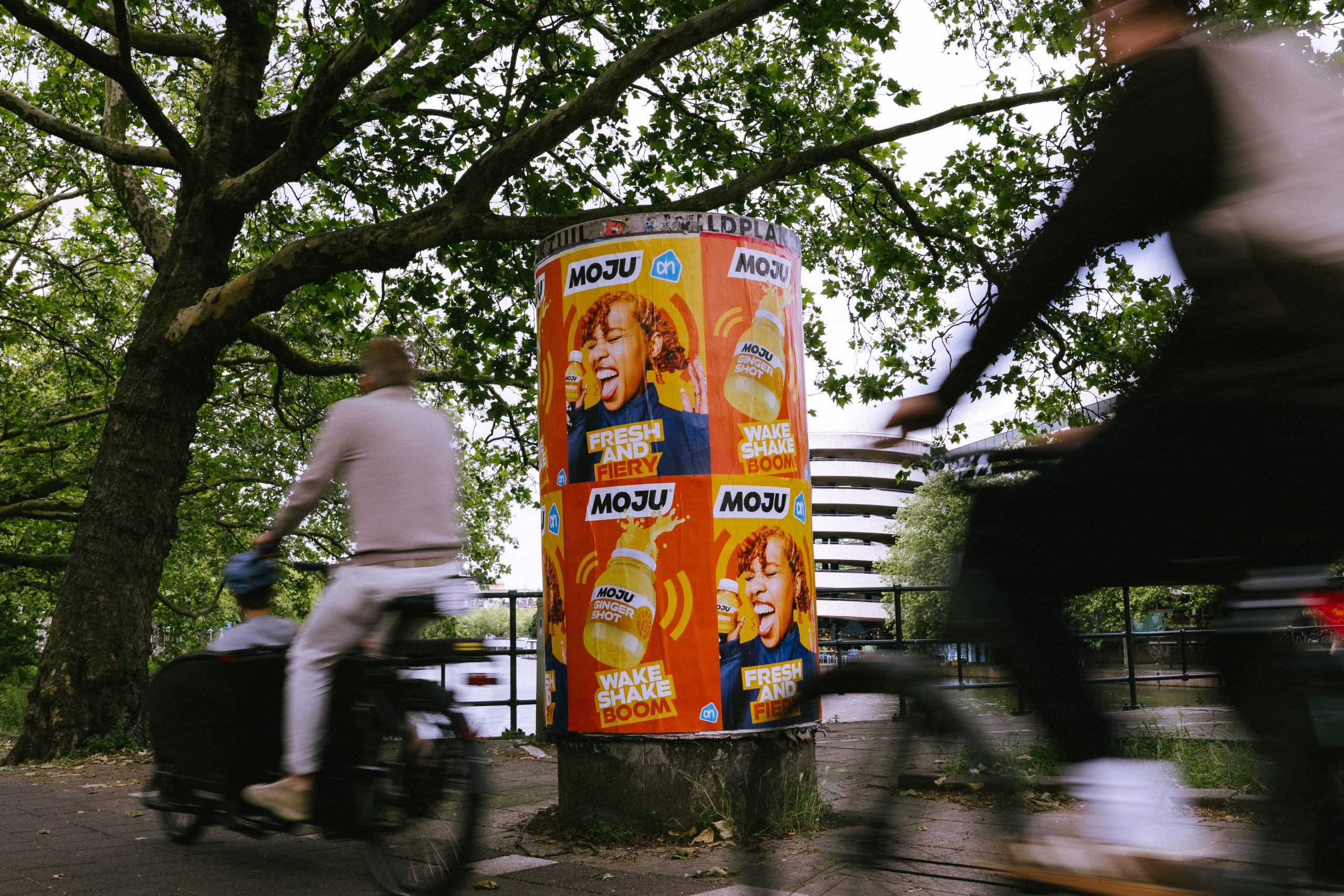
MOJU, Le Smash and JUNI all prove the same thing: the right streets make a small brand impossible to miss. Here's how each one did it.
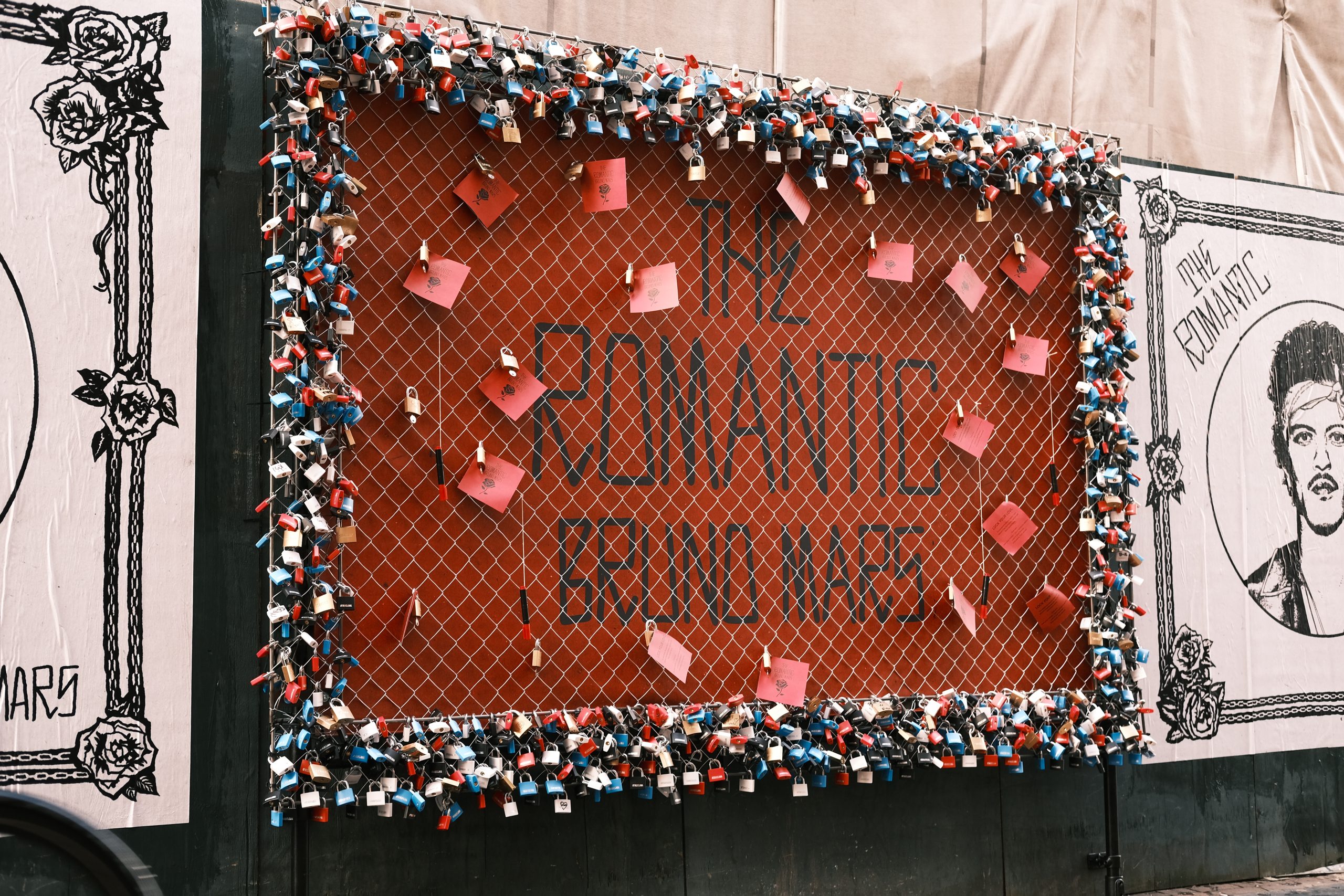
Three brands, three special builds, one same result: people stopped, looked twice, and remembered it. Here's what makes a special build worth stopping for.
Every new market comes with its own rules, its own risks, its own learning curve. Here's what it actually takes to make it work, city by city.