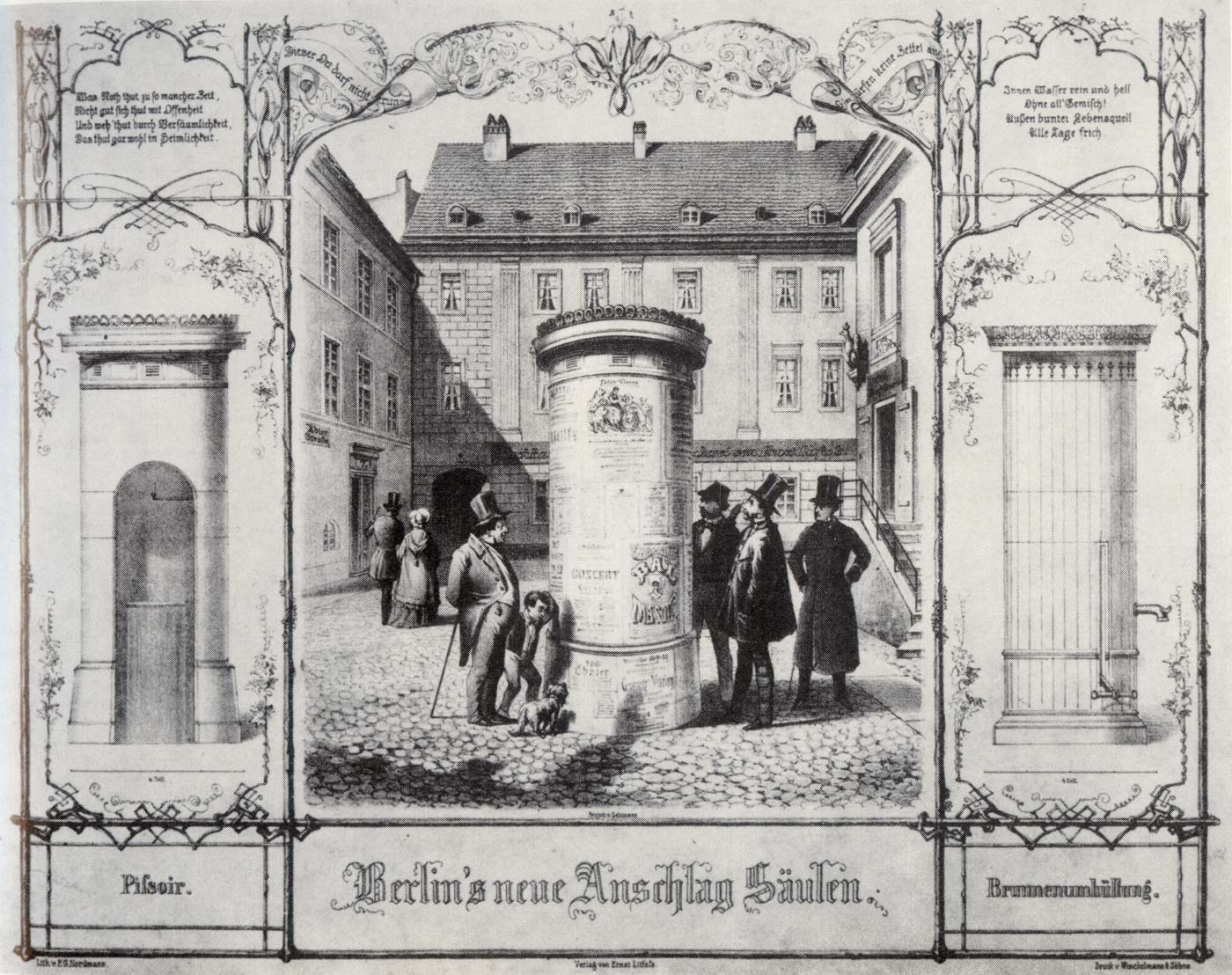
The poster war: how Amsterdam’s wild posters carved up a city they did not own
Two Amsterdam poster crews went to war over walls neither of them owned. And then, one of them got a licence from the authorities.
A Times Square spectacular can cost more than $600,000. A poster campaign in the right Amsterdam neighbourhood costs a fraction of that and lands in front of the exact people a startup needs.
That is not really an argument about money. Not every founder we work with is short on cash, some walk in with more room to spend than expected. What they all need is the same thing: to be deliberate about where that budget goes. Pick the right few streets, the right formats and the right moment, and even a modest spend starts to punch above its weight. Get the location wrong and no amount of budget fixes it.
That is our point of view on street marketing for startups. Location is the lever. It shapes the creative and the plan before a single poster goes up, and it is the fastest way for an early-stage brand to look like it belongs in the city it is trying to win. It is not a substitute for a strong idea, but paired with one, it is what makes that idea land.
We would rather show this than explain it.
MOJU, a drinks brand, launched around Albert Heijn stores. The brief was specific on purpose: target the areas immediately around those stores and skip the touristy zones that photograph well but do not reach the people actually buying the product. Fewer streets, chosen for a reason, did more for the brand than a scattergun campaign across the city ever could.
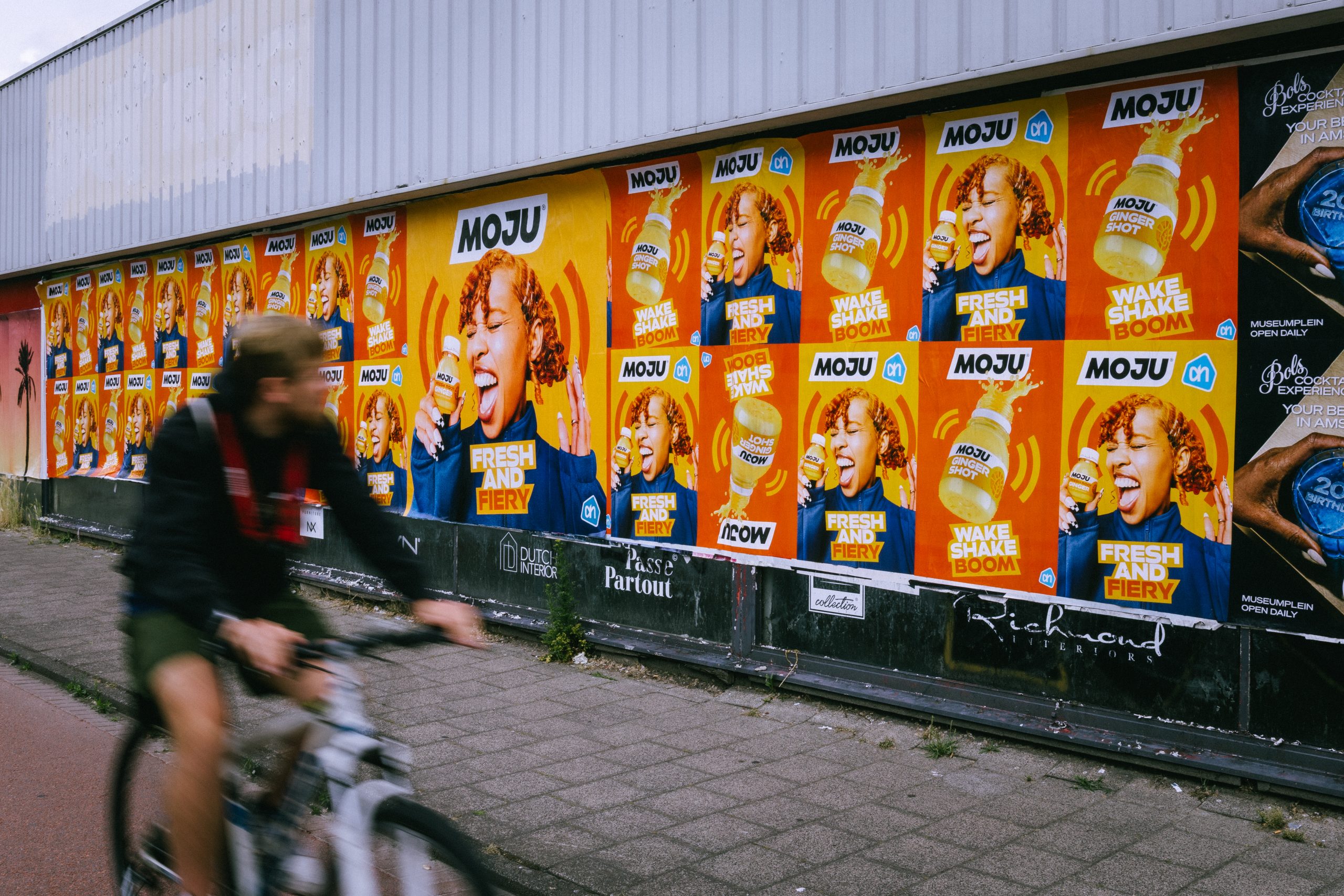
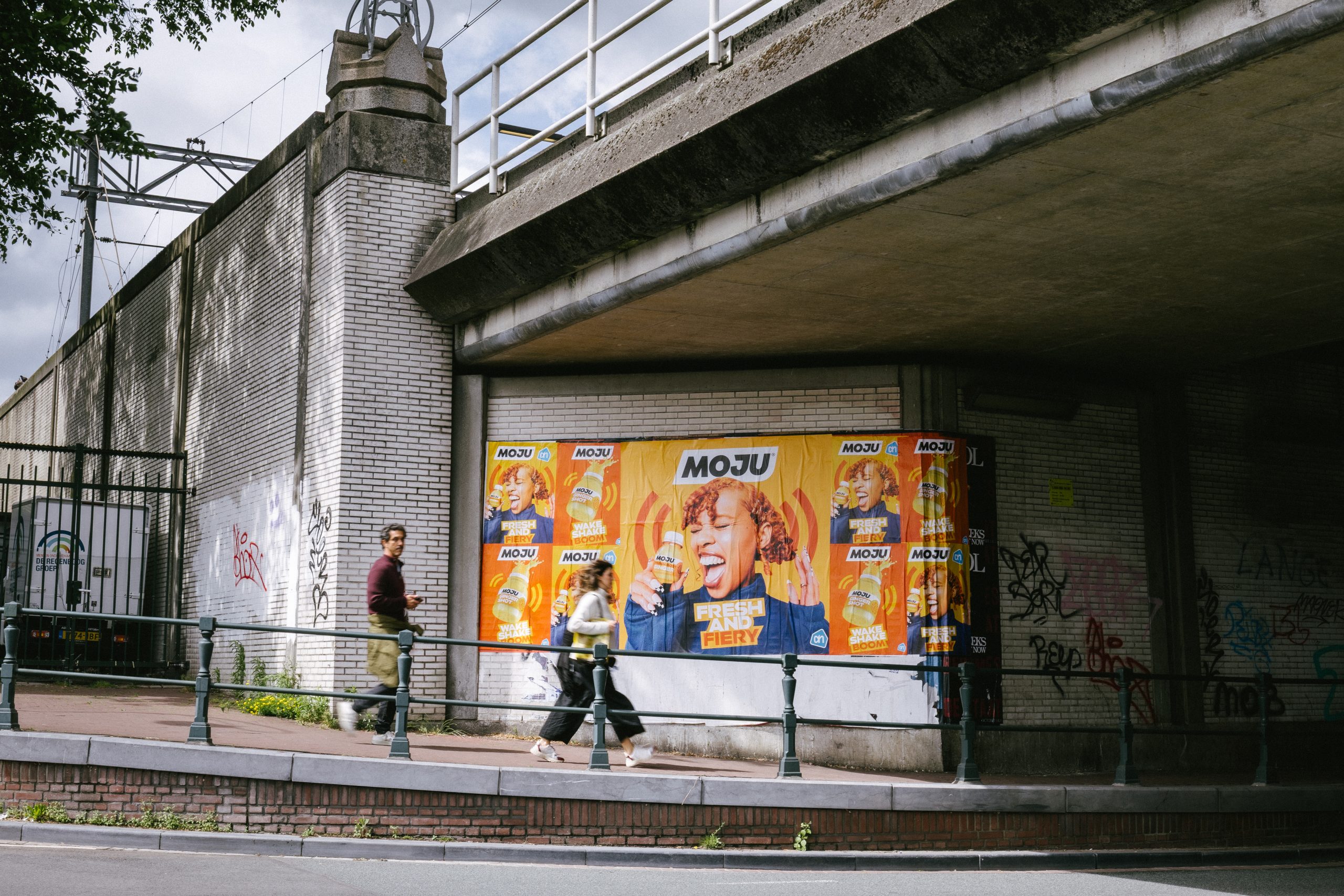
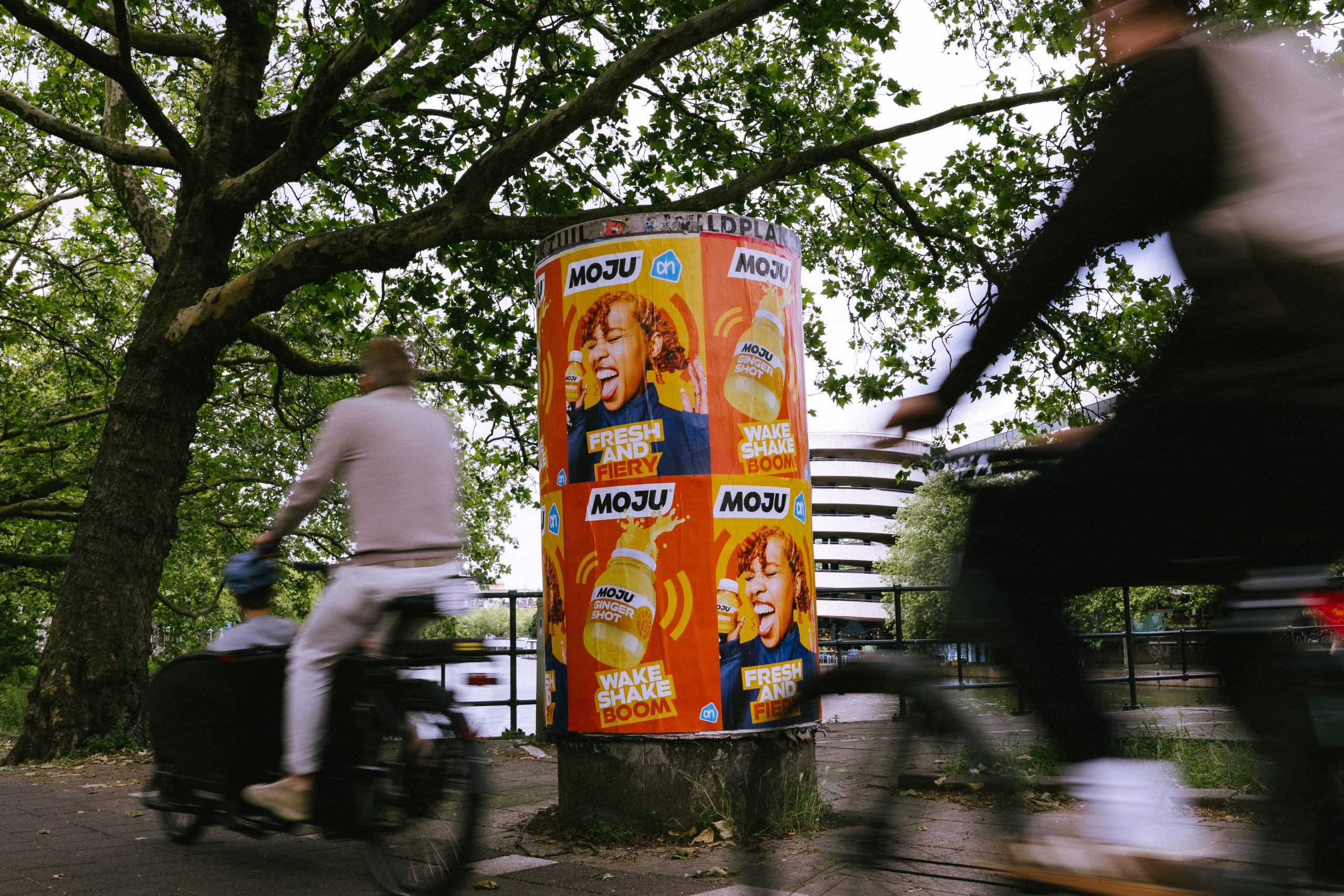
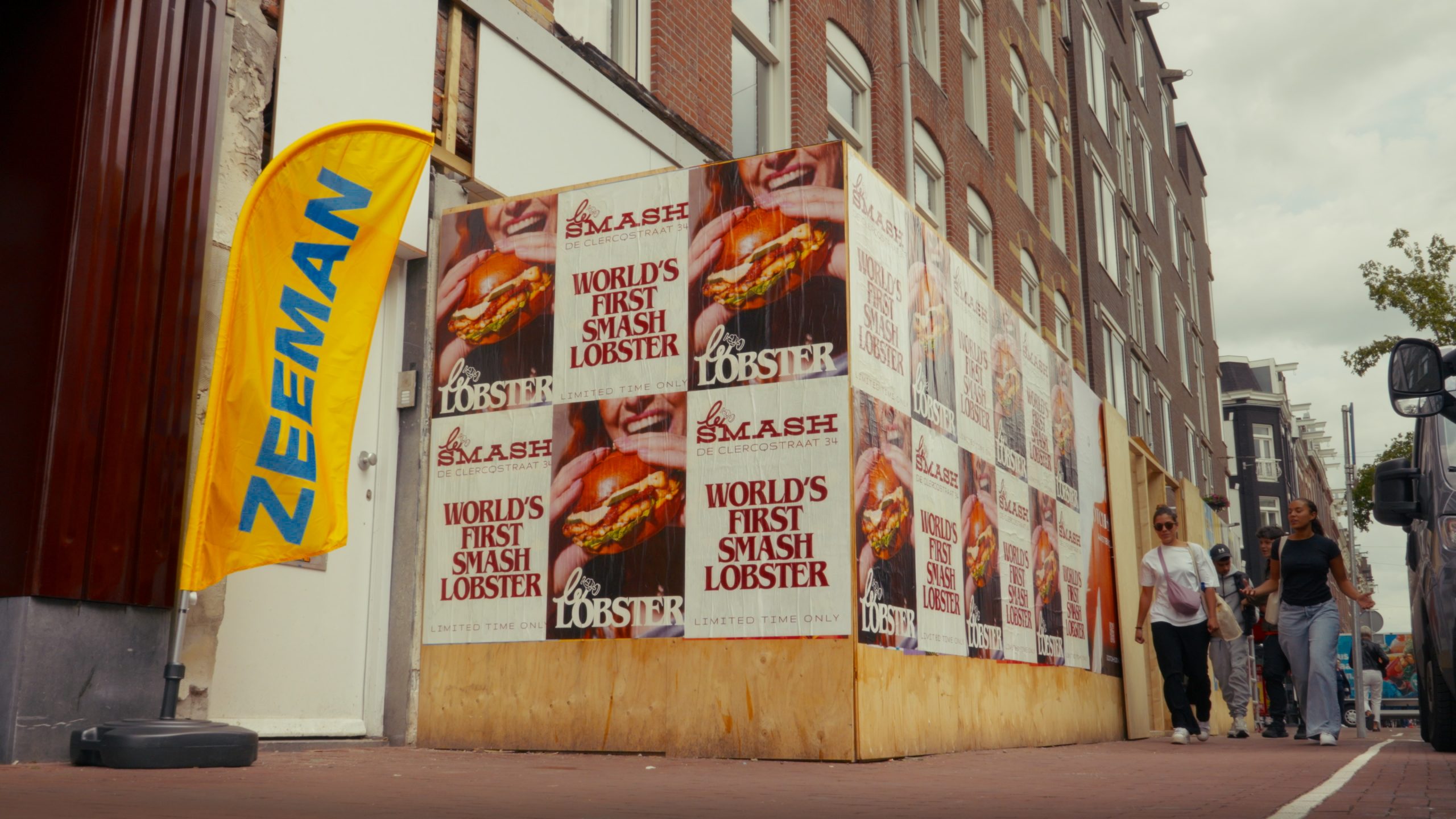
Le Smash was opening a wave of new locations and introducing new menu items at the same time, a lot to say on a launch budget that was not enormous. Rather than spreading it thin across every neighbourhood, we ran relatively small campaigns and shot them so the brand looked like it had already arrived.
JUNI had a different problem: launch ByeByeBank across six cities at once, not one. In 2022 we combined billboards, digital OOH XL screens, scaffolding wraps and train station placements across Amsterdam, Brussels, Dublin, Barcelona, Milan and Limassol, so the same challenger brand showed up on the routes people already took, whichever city they woke up in that morning. Different scale, same instinct: match the format to the street, not the budget to the map.
Same lesson, three different brands: the size of the budget matters less than the precision of where it lands.
Here is how we actually think it through.
Start with where the audience already is: near a retail partner, inside a specific district, around a transit hub they walk through every day. That precision is what lets a startup skip paying for reach it does not need yet.
Let location shape the creative, not the other way round. A wild posting run builds repetition through a neighbourhood until the brand feels like it has been there for a while. A wallscape turns one wall into the loudest thing on the block. A scaffolding takeover claims space that already stops foot traffic, construction sites do that for free, and turns it into a brand moment instead of an eyesore.
What changes with the budget is scale, not whether the approach works. A single, well-placed poster series can carry the whole strategy on its own, and it is where most first campaigns start. Add a wallscape or two and the brand starts to feel unavoidable in the handful of places that matter. Layer in a scaffolding takeover and the brand stops advertising near the audience and becomes part of the street people walk through. None of it depends on a national budget. It depends on knowing which few streets are worth the spend.
Cost. A single poster placement in a market like Brooklyn runs around $1,500, while a Times Square-scale spectacular can top $600,000, with typical OOH CPMs between $2 and $18 depending on format and market (AdQuick). Most startup budgets sit far closer to the first number, which is exactly the range where street marketing does its best work.
Attention. Research from the OAAA and Comscore found that OOH indexes for search at 5.3 times its share of overall ad spend, and 41% of US adults have searched for something online after seeing an OOH ad. Set that against 78% of people reporting annoyance at interruptive digital ads and 68% actively skipping online ads from sheer fatigue, and the case for a format that cannot be skipped, blocked or muted gets easier to make.
Proof at scale. When Fearless Girl was placed facing the Charging Bull on Wall Street, the location was the entire idea. It earned 4.6 billion Twitter impressions and more than 215,000 Instagram posts over twelve weeks (Adweek), with the resulting free media valued at roughly $7.4 million against a reported budget of around $250,000 (Bloomberg). Same principle as MOJU’s store-radius targeting, just at a different scale: put the right object in the right spot and the spot does the rest.
You do not need a national media budget to feel unavoidable in the city you are trying to win. You need the right streets, the right formats and a reason for people to look twice.
If you want to know what that looks like for your brand, we can put together a plan or a rough budget for your city.
Two Amsterdam poster crews went to war over walls neither of them owned. And then, one of them got a licence from the authorities.

Guerrilla marketing was named in 1984. Amsterdam archives show us the trade is a century older. From an 1875 complaint to a wall for rent in 1915.
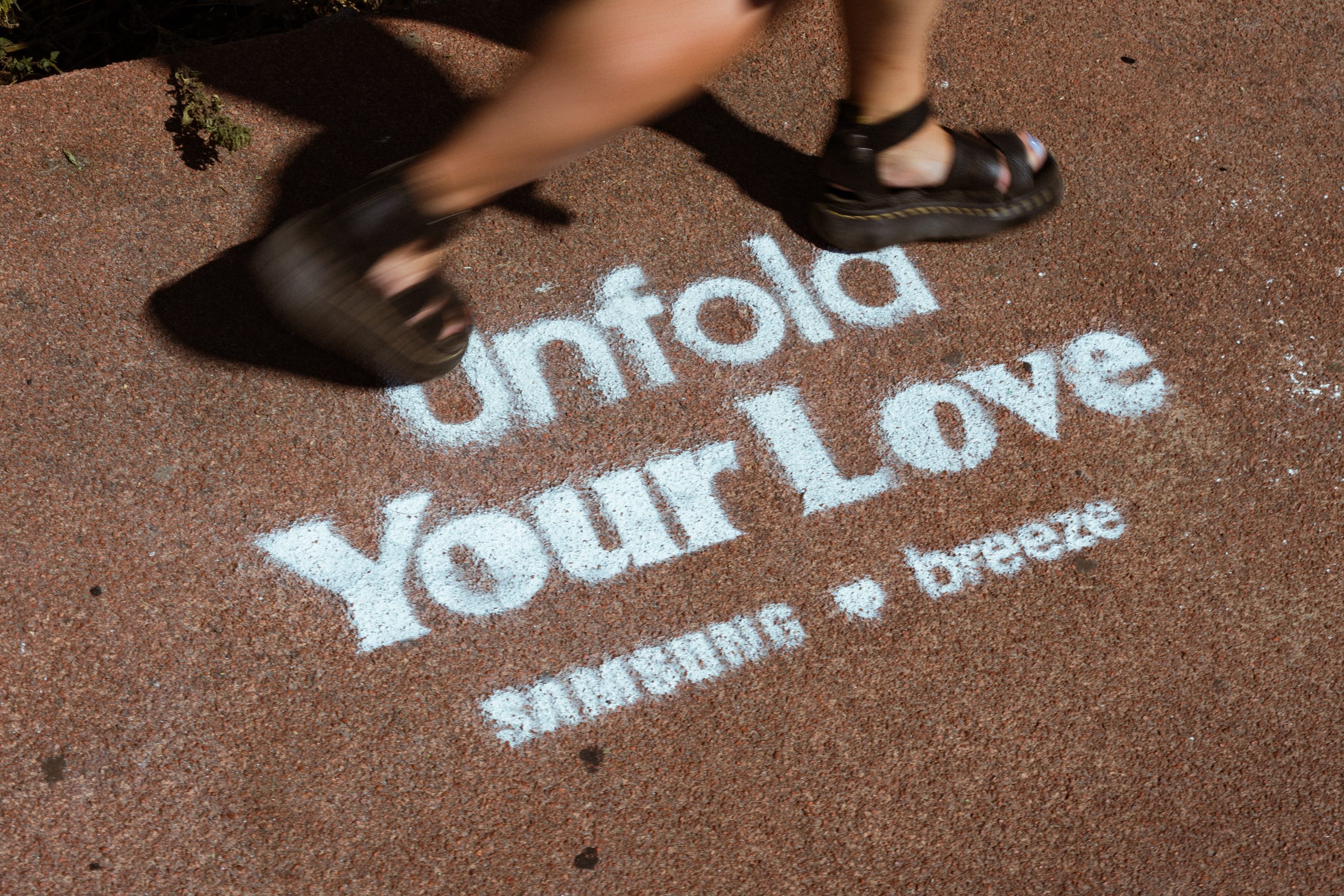
Reverse graffiti, green graffiti, chalk stencils: clients mix them up all the time. Here is what each technique is, how long it lasts, and how to brief correctly.
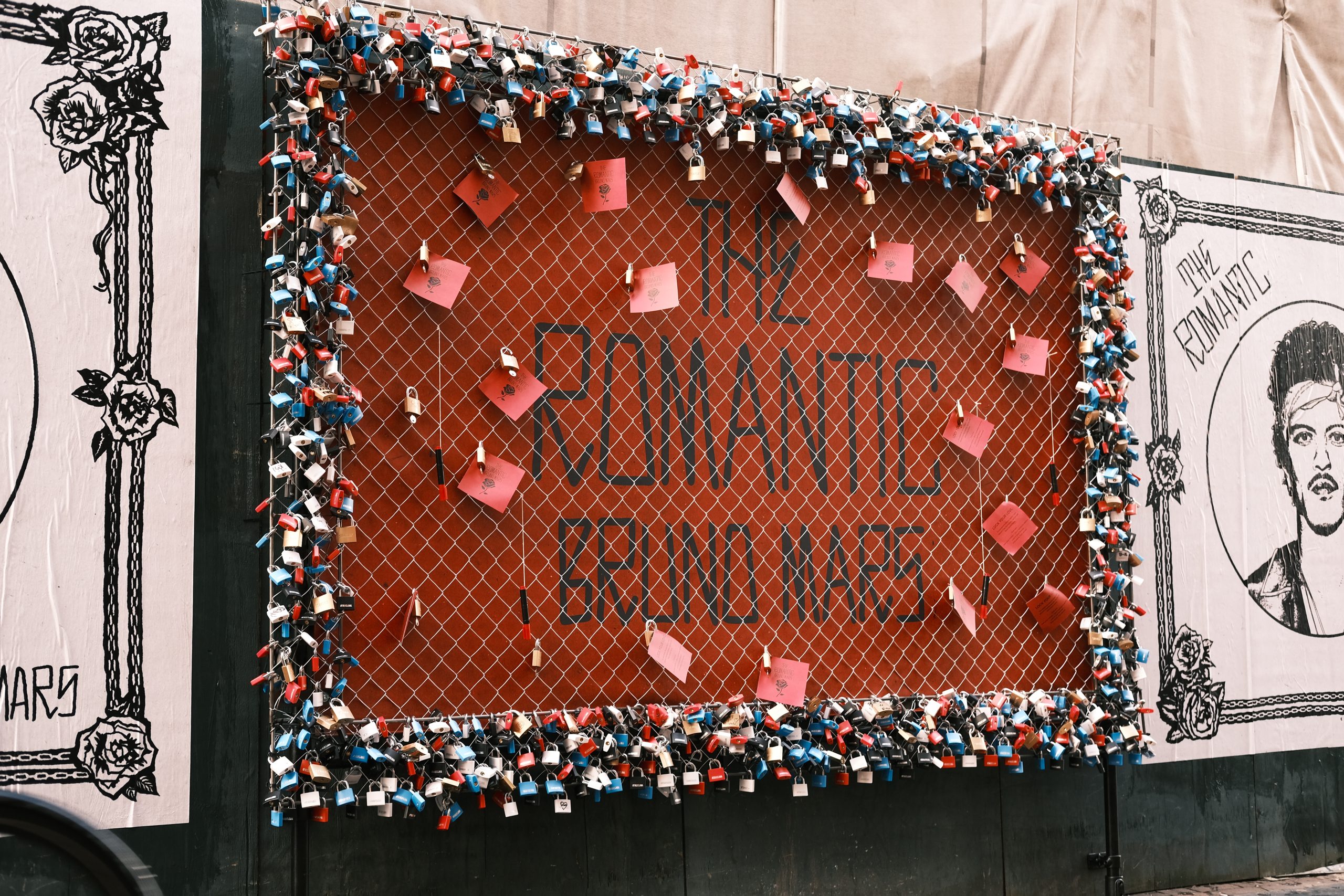
Three brands, three special builds, one same result: people stopped, looked twice, and remembered it. Here's what makes a special build worth stopping for.
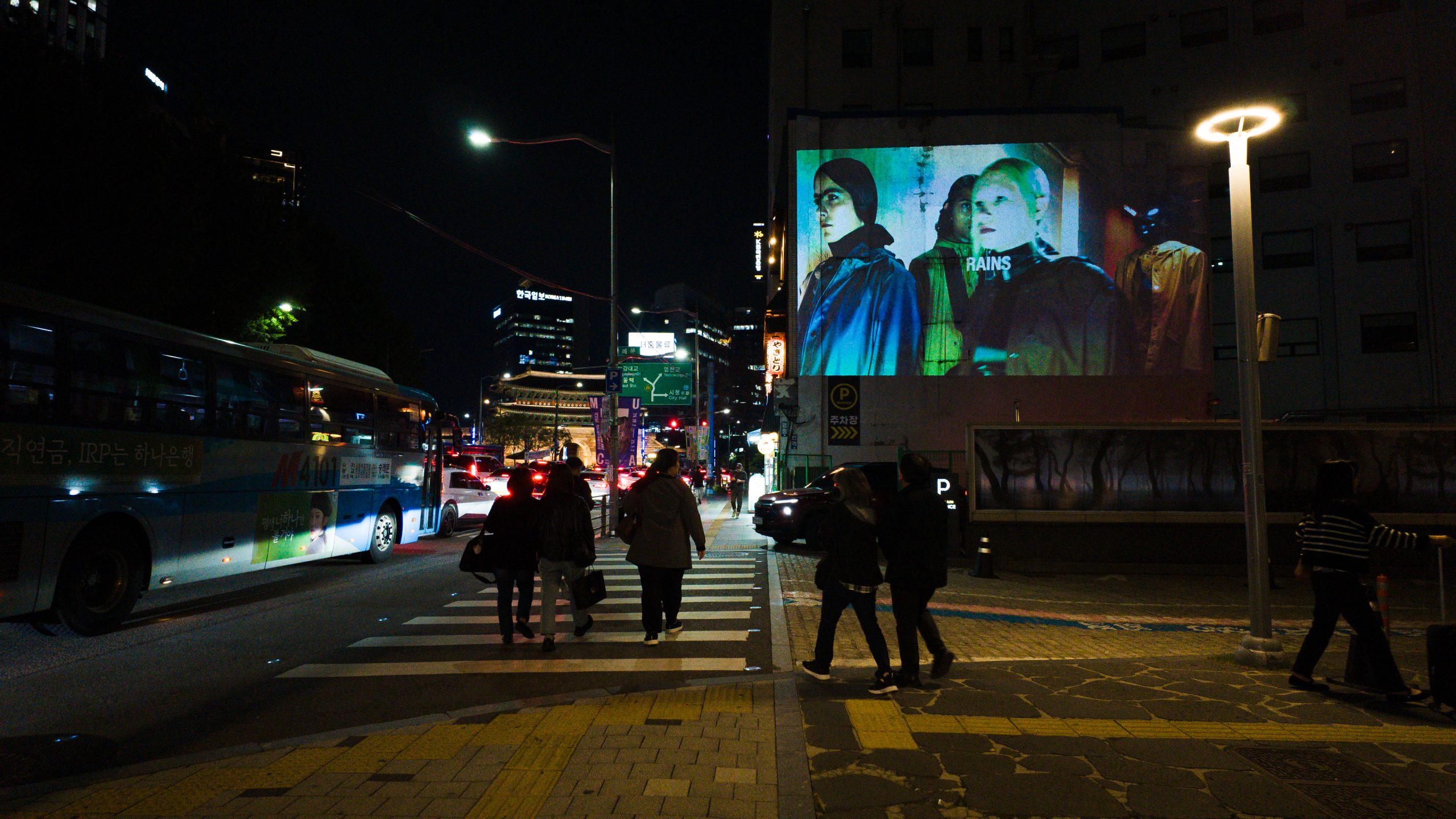
Every new market comes with its own rules, its own risks, its own learning curve. Here's what it actually takes to make it work, city by city.
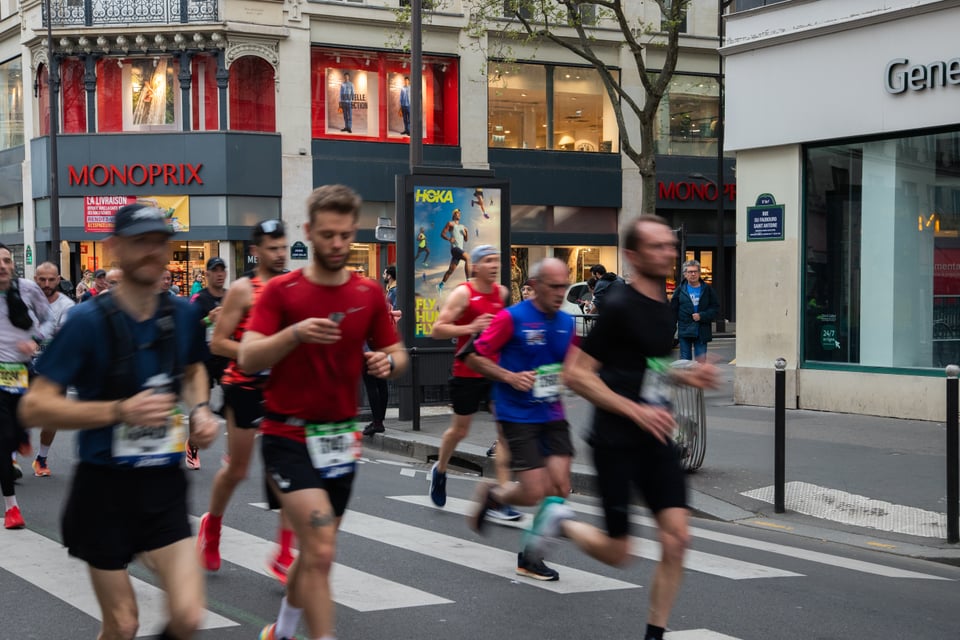
You don't need a sponsorship to win a marathon weekend. Here's how street marketing puts your brand where the crowd actually is.
Physical presence builds the trust that fintech and crypto brands need. See how brand activations can do that in person.
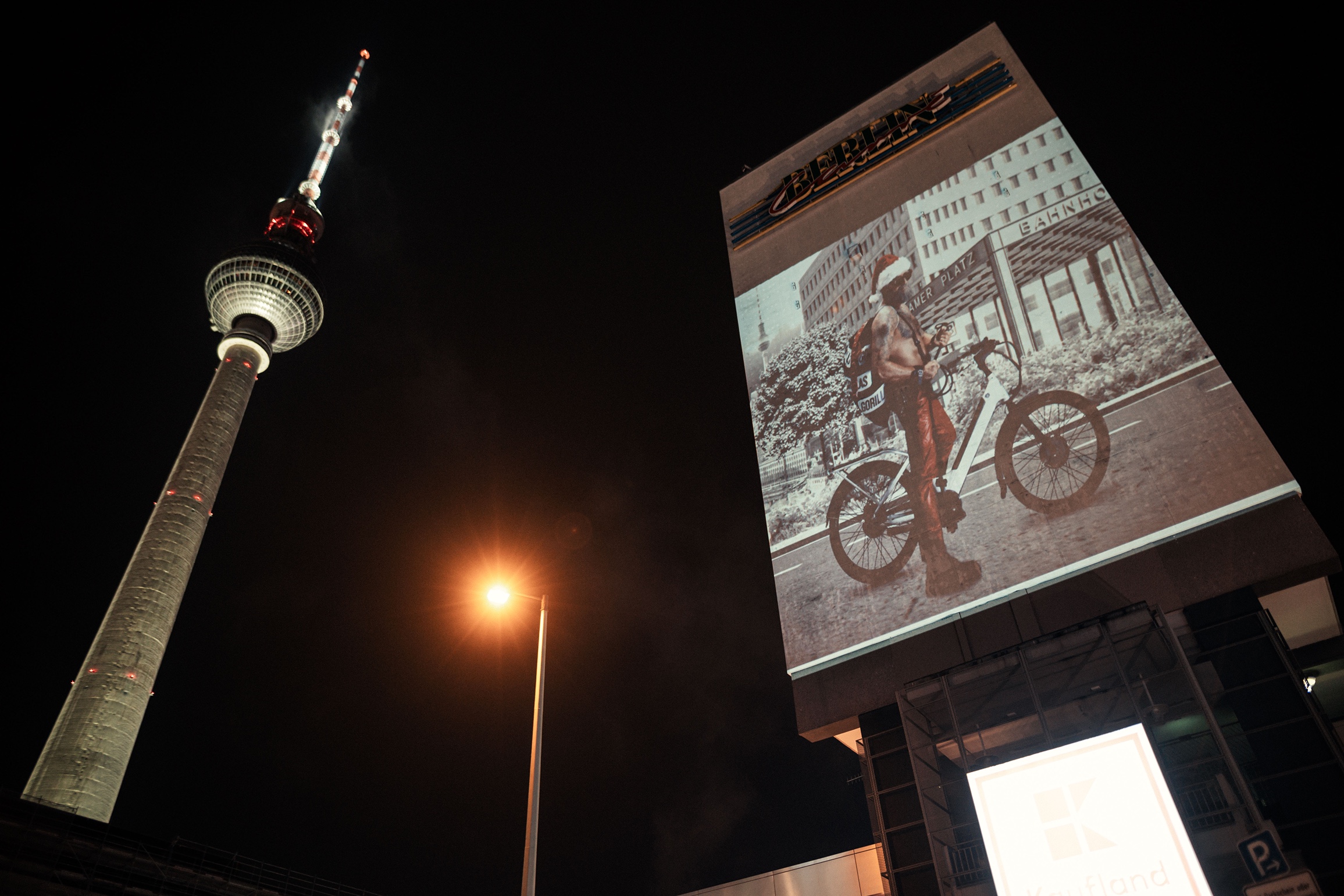
The best projection campaigns aren't just about the light. They're about how you play with the spot you choose. Here's why location should shape your creative.